How Hydraulic Lifting Rail Transfer Carts Improve Material Handling Efficiency and Battery Life
Hydraulic lifting rail transfer carts improve industrial material handling by combining precise rail-guided transportation with adjustable lifting platforms for efficient workstation docking and heavy-load transfer. The article explains their applications, cable reel designs for different load capacities, and key structural considerations for reliable power transmission. It also highlights battery maintenance best practices, showing how frequent charging and avoiding deep discharge can significantly extend battery life, reduce operating costs, and ensure long-term, reliable performance in modern manufacturing environments.
In modern industrial production, a single piece of equipment is rarely capable of completing complex material handling tasks on its own. Efficient transportation often depends on the coordination between equipment, operators, and production lines. Conventional rail transfer carts are mainly designed for point-to-point transportation, making them unsuitable for applications that require height adjustment, workstation docking, or precise loading and unloading.
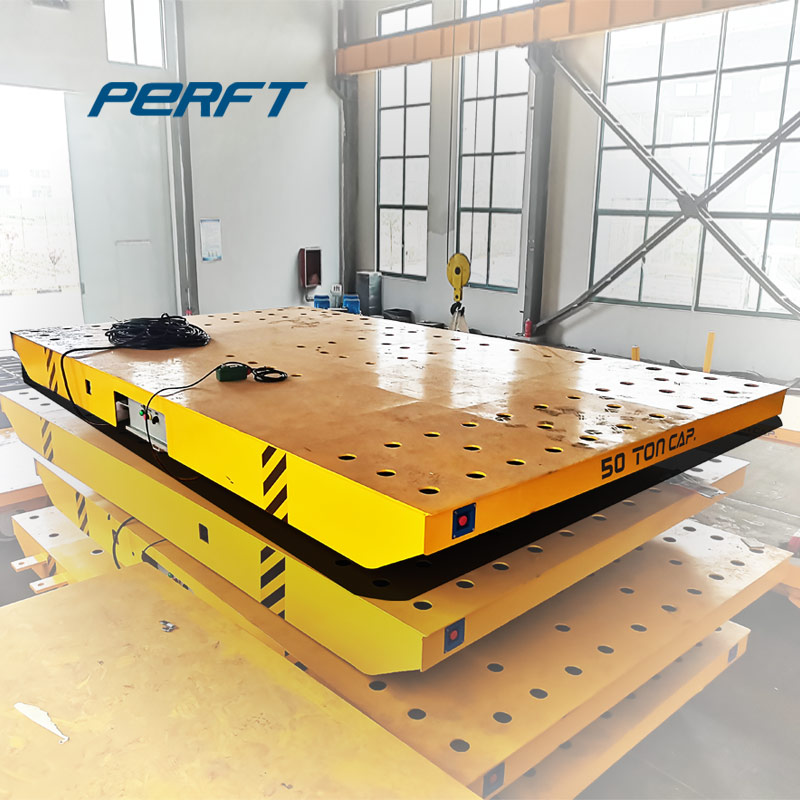
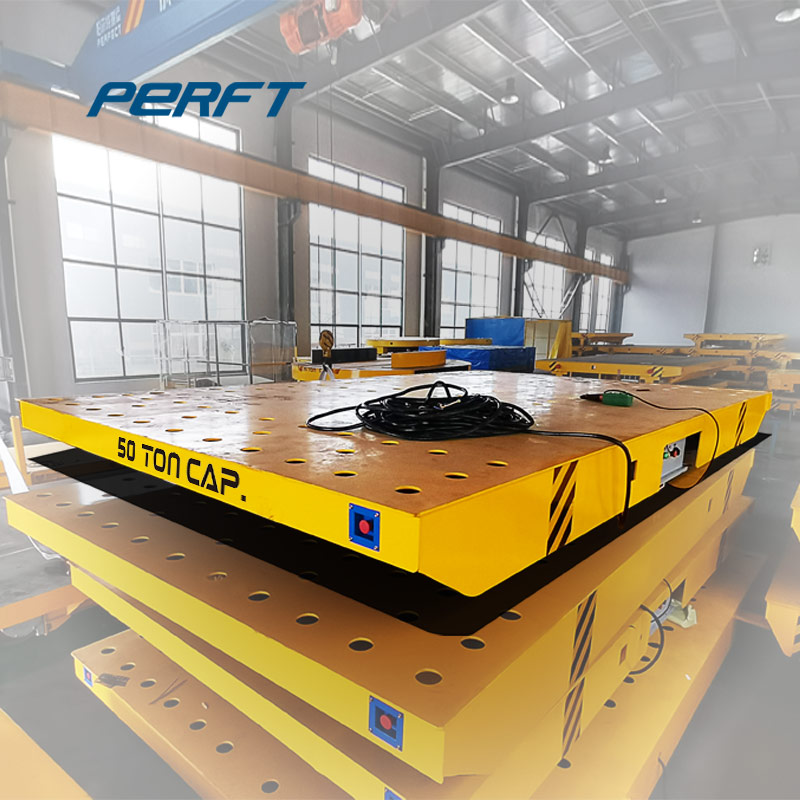
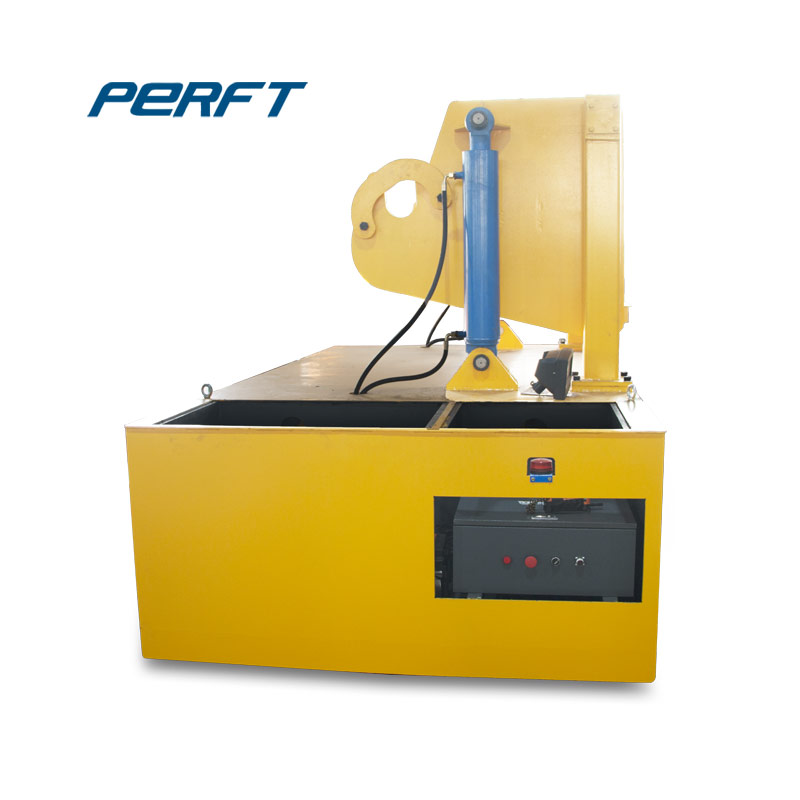
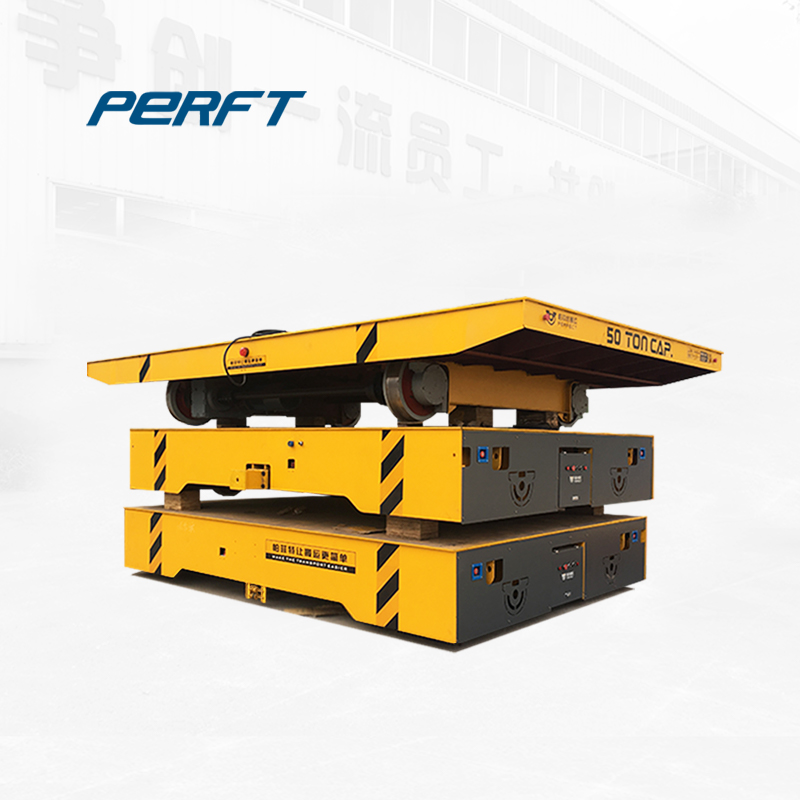
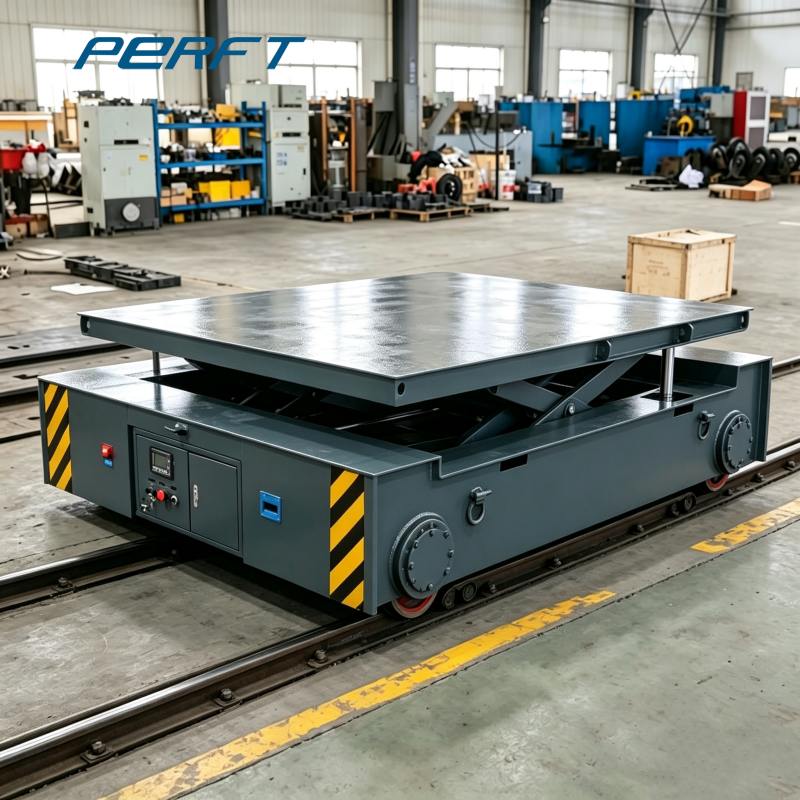
To address these challenges, hydraulic lifting rail transfer carts have become an increasingly popular solution. By integrating a hydraulic lifting system into a standard rail transfer cart, these vehicles can travel smoothly along fixed tracks while adjusting the platform height to match different machines, production lines, and loading platforms. This greatly expands their application range and improves operational flexibility.
Applications of Hydraulic Lifting Rail Transfer Carts
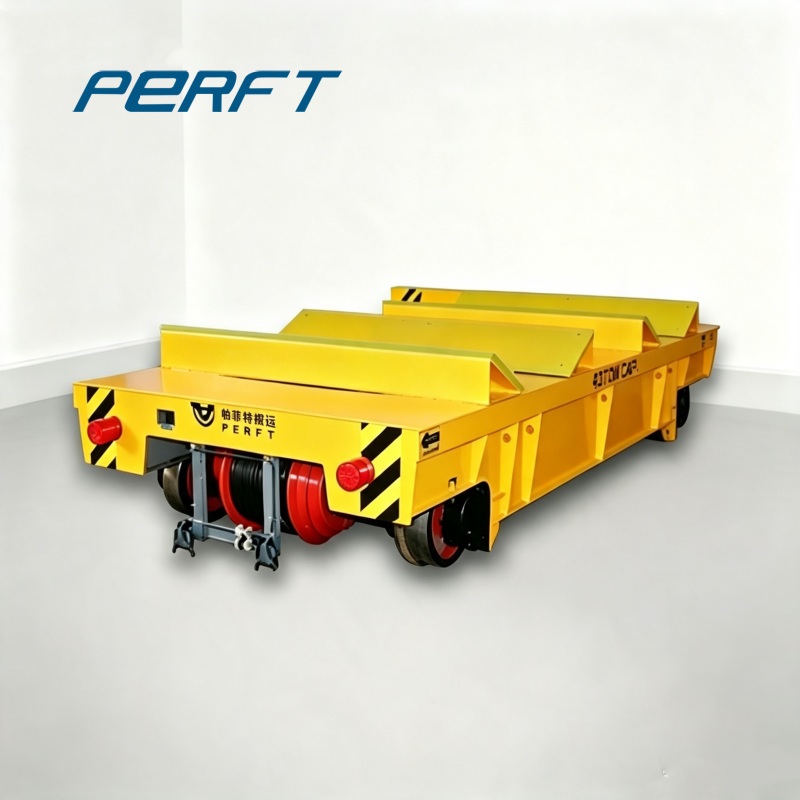
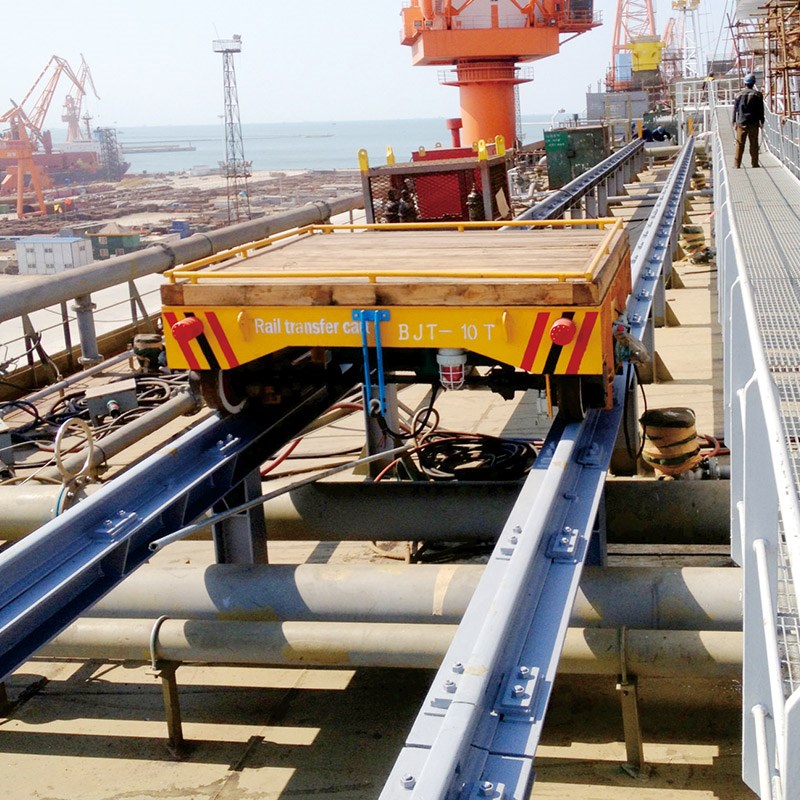
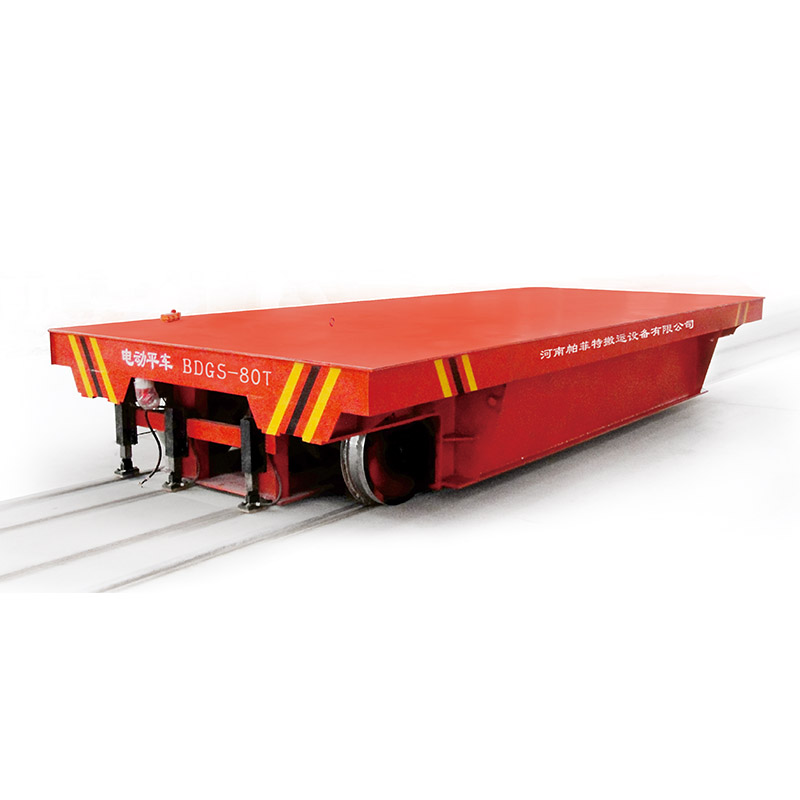
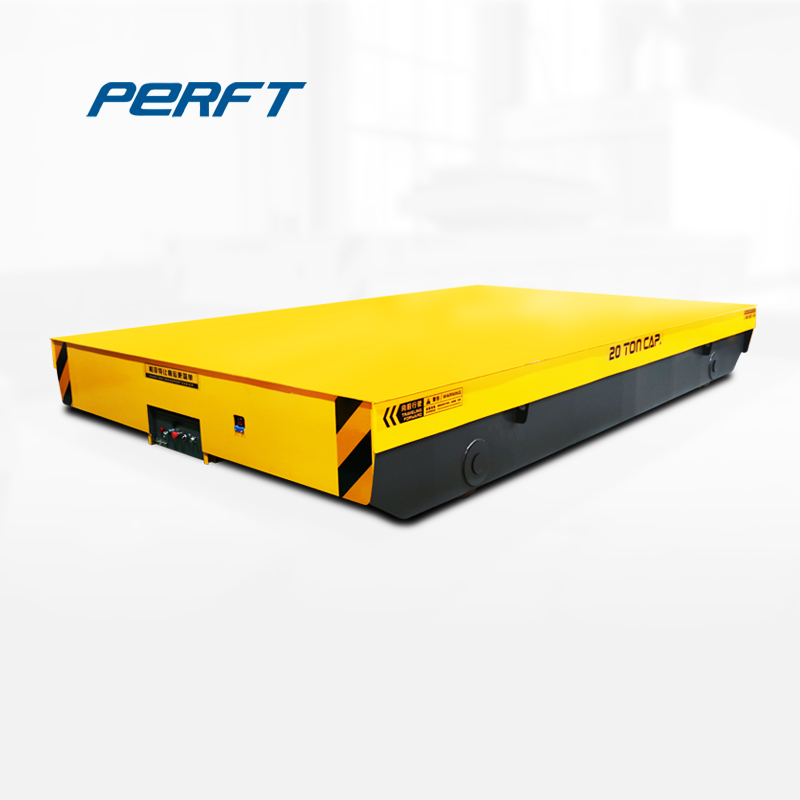
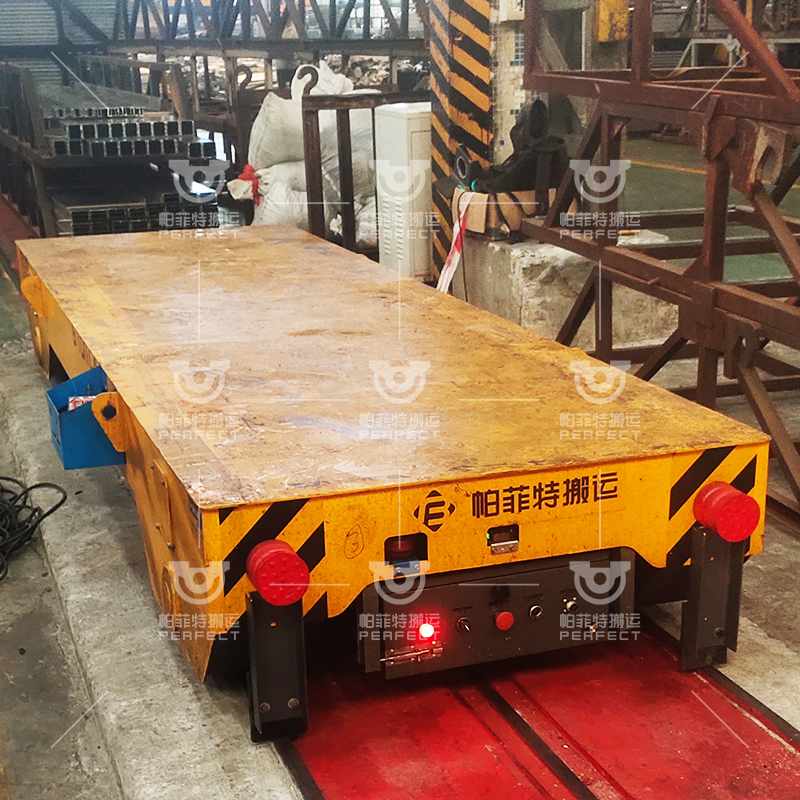
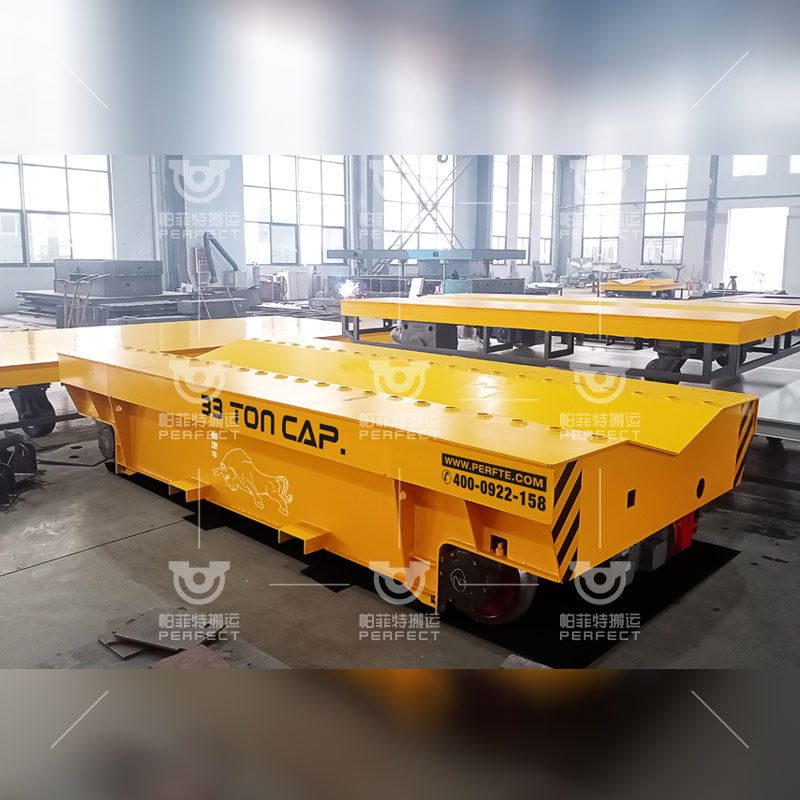
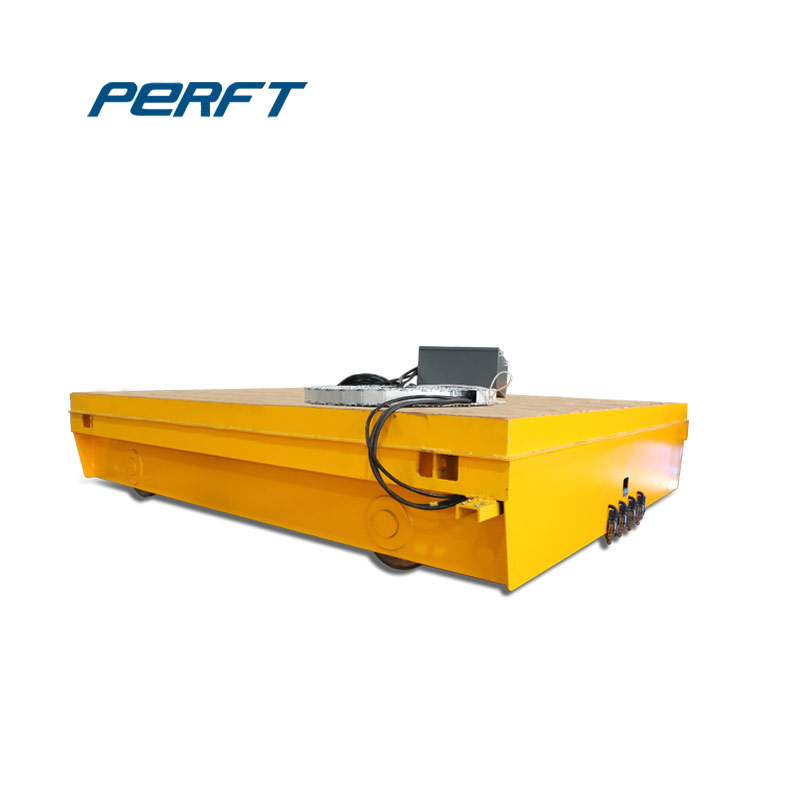
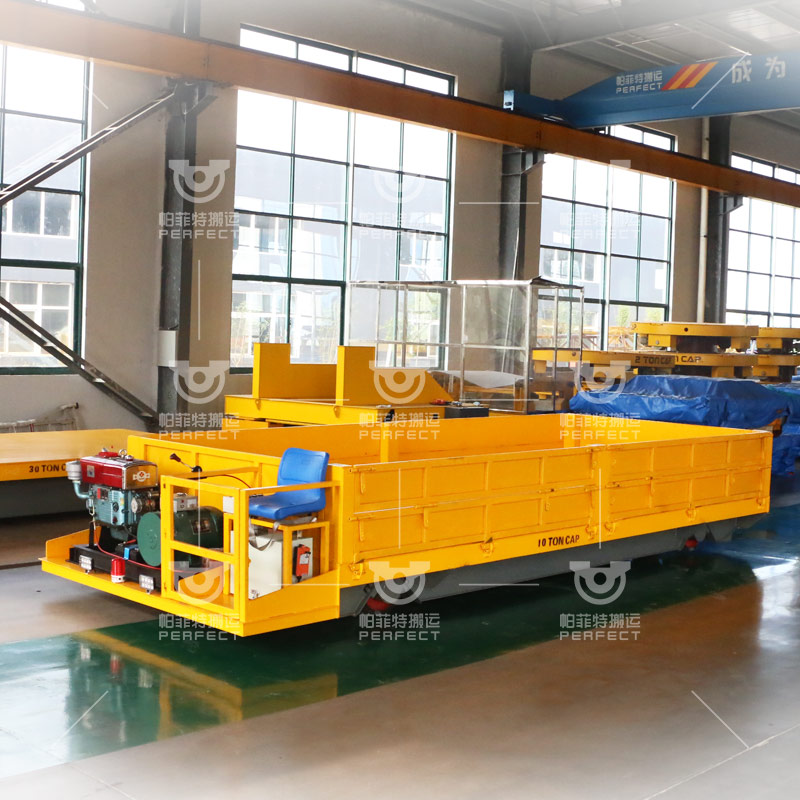
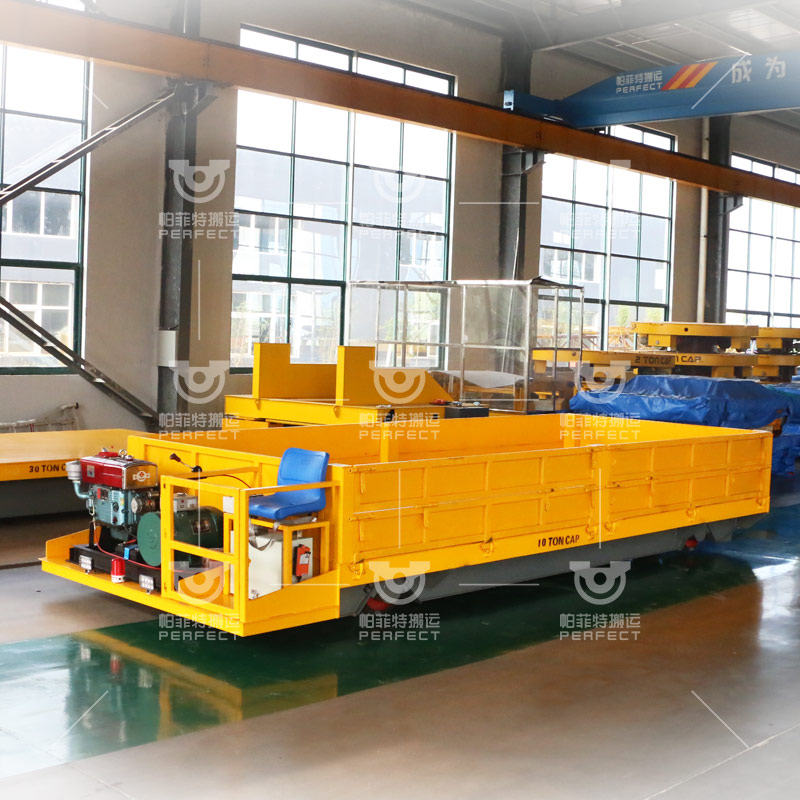
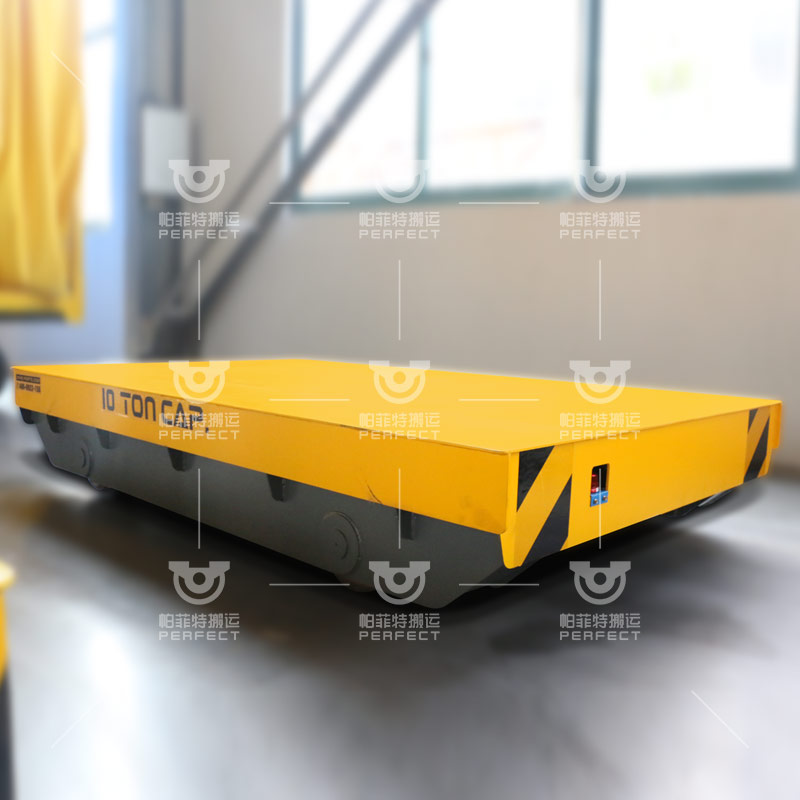
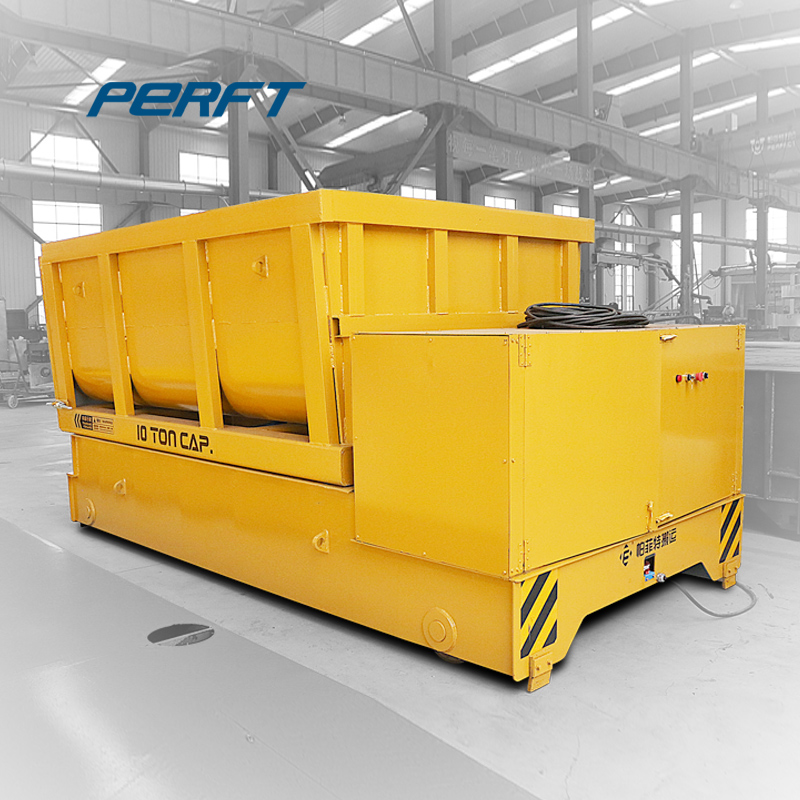
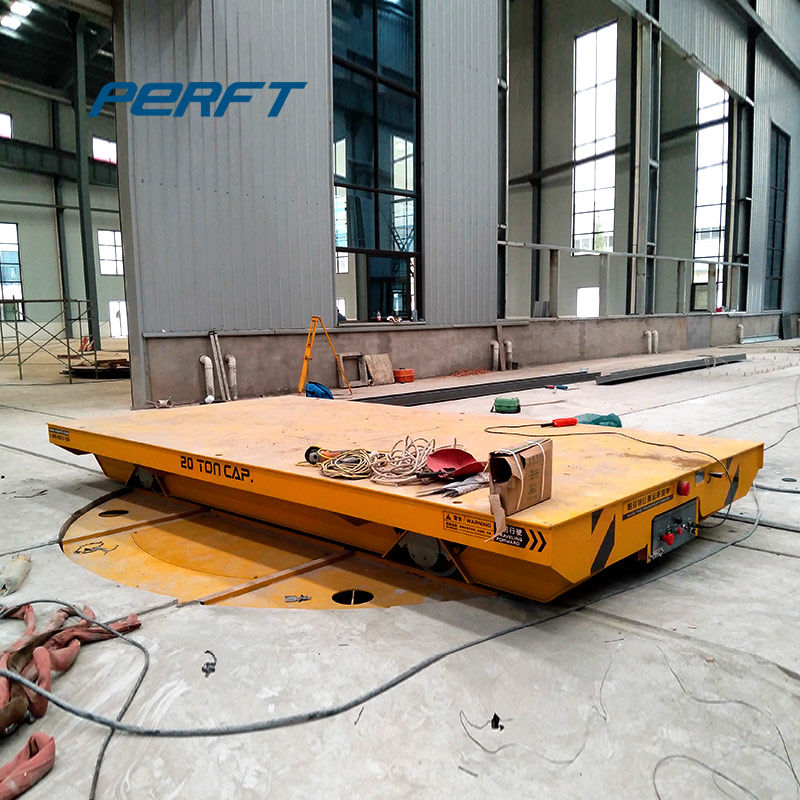
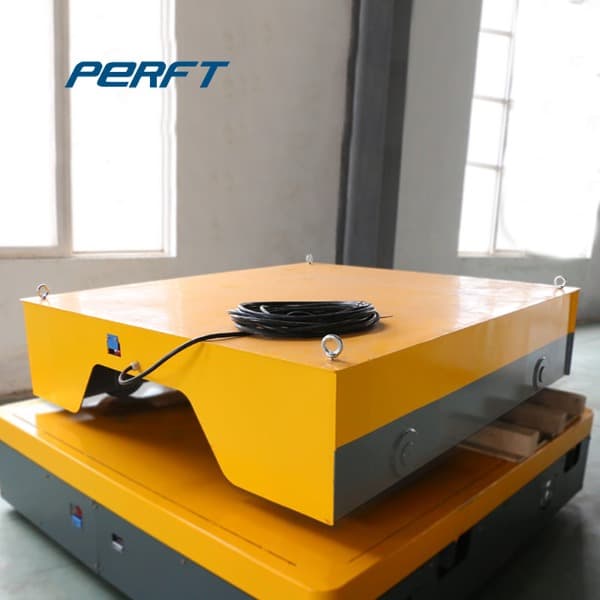
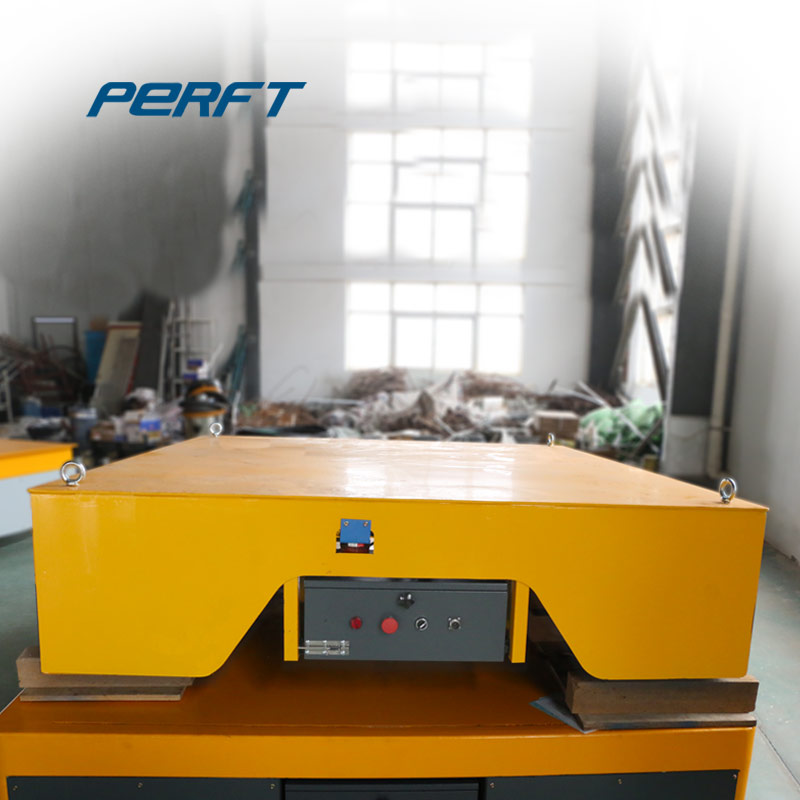
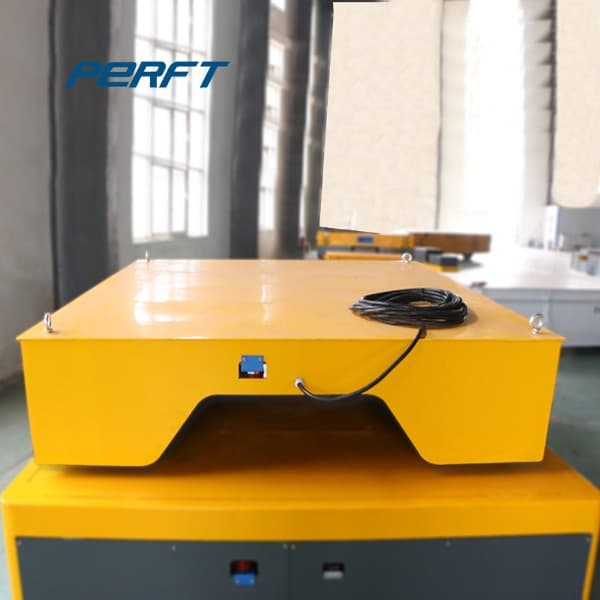
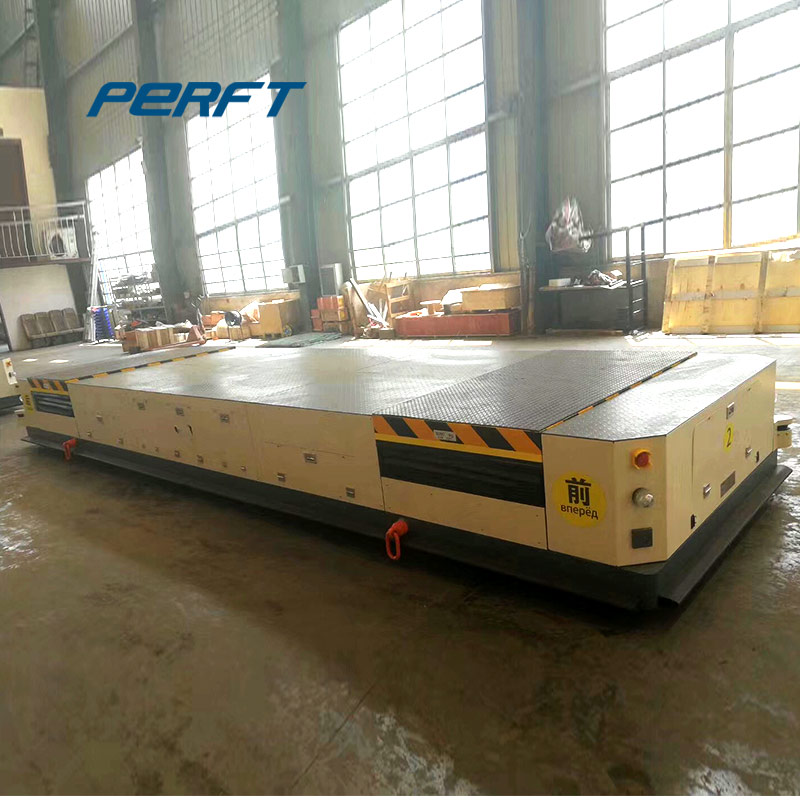
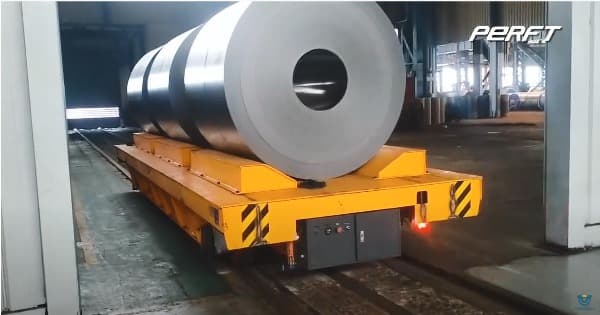
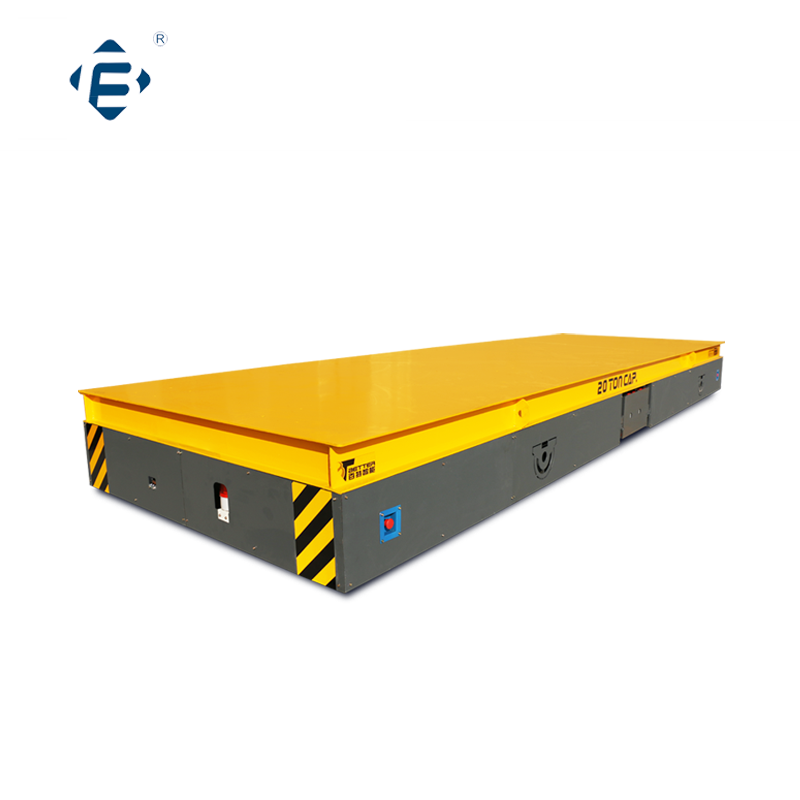
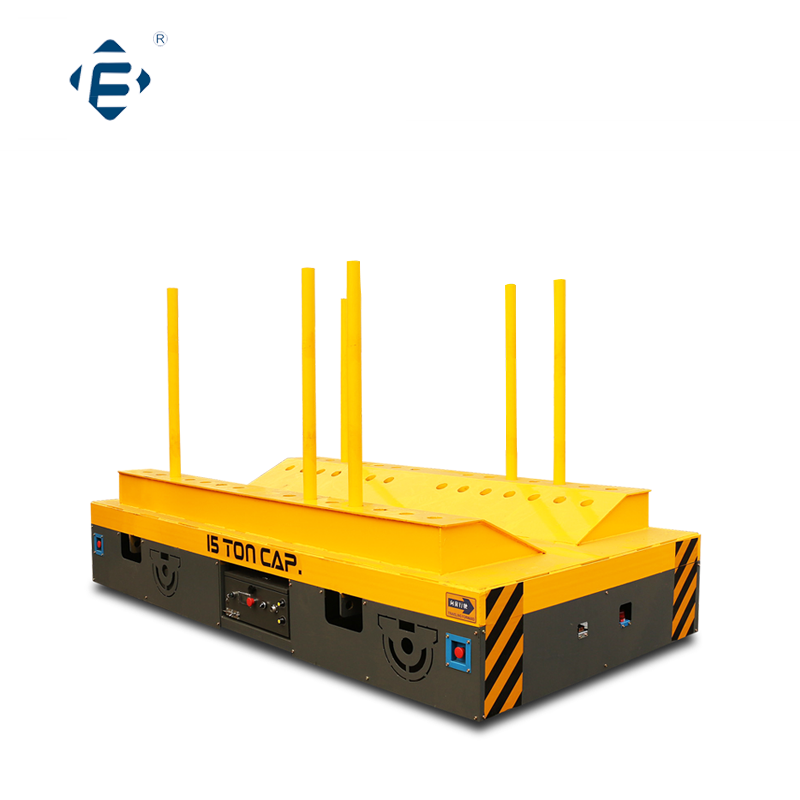
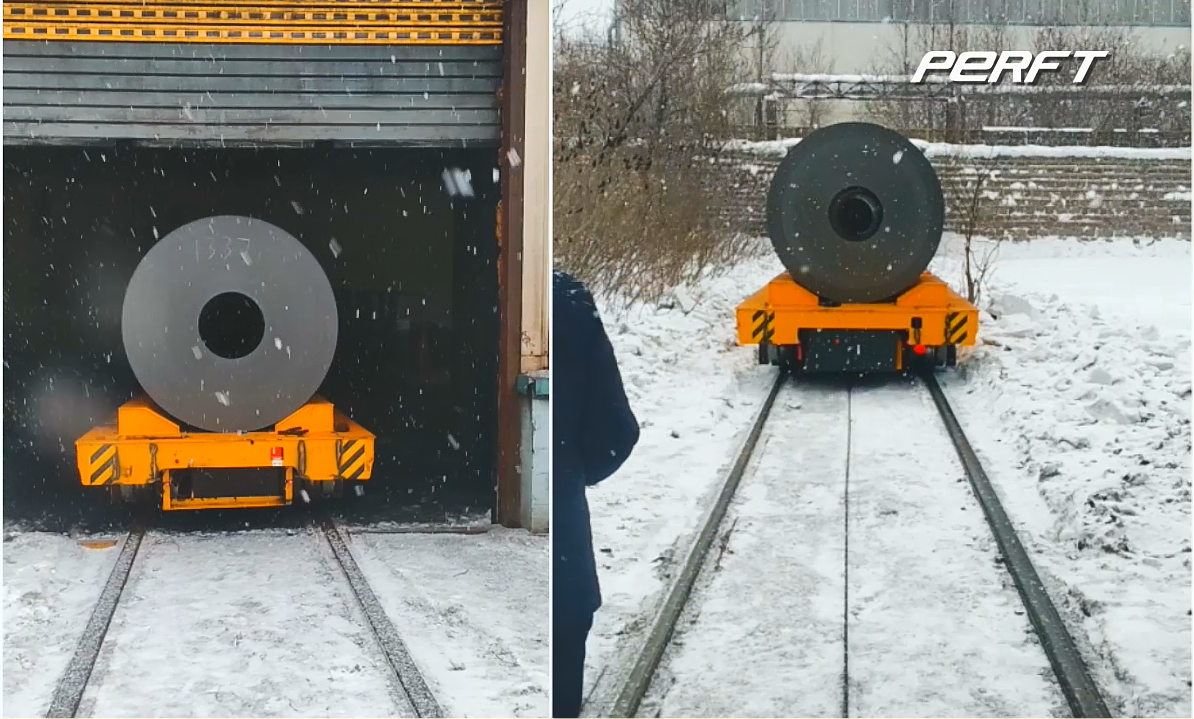
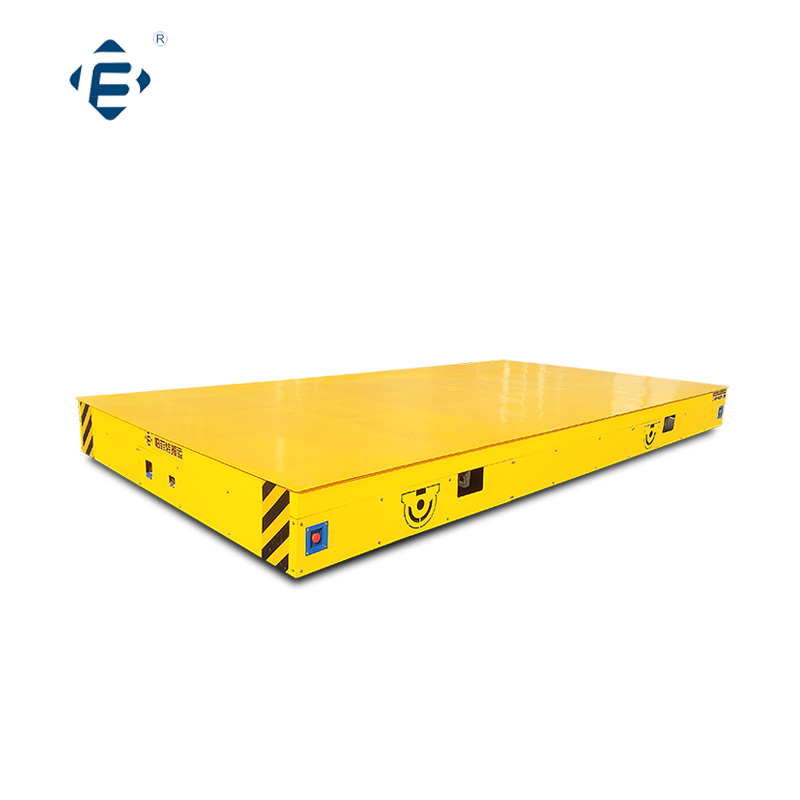
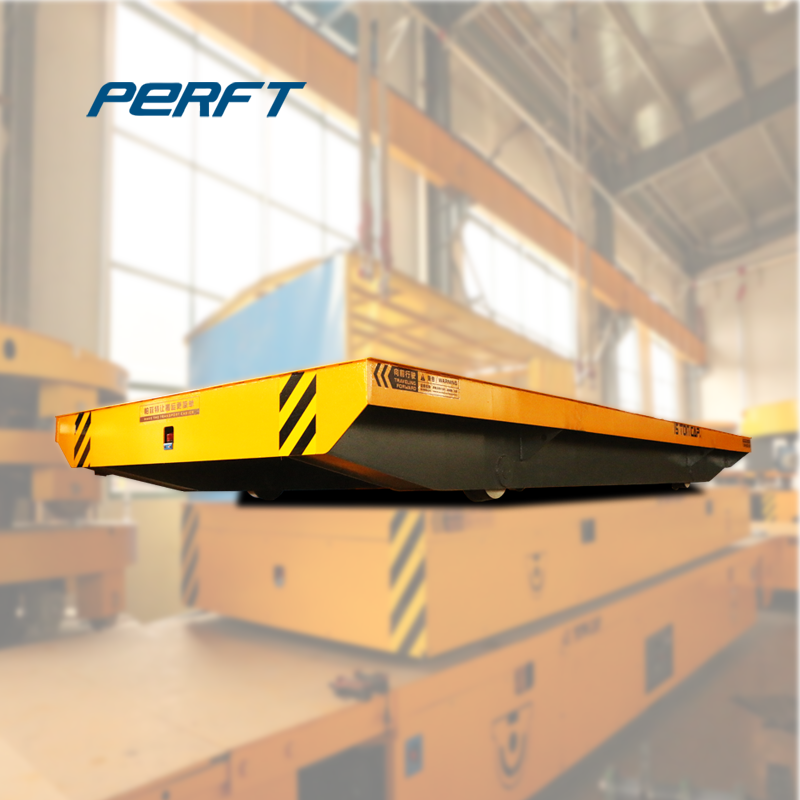
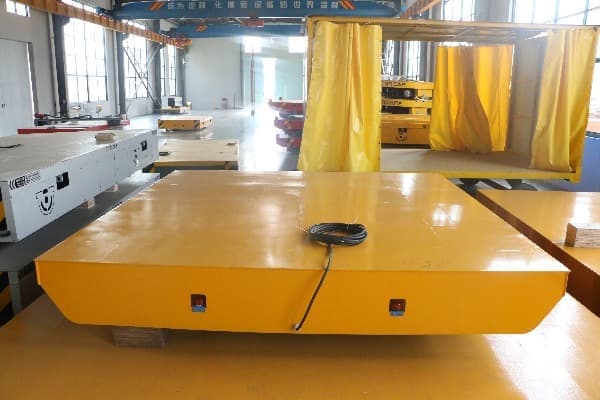
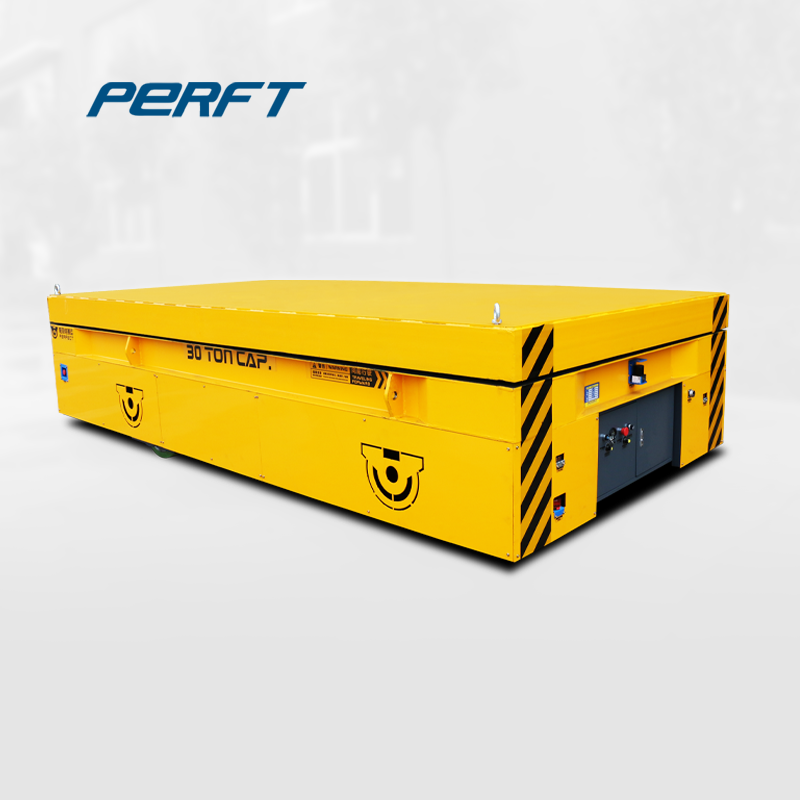
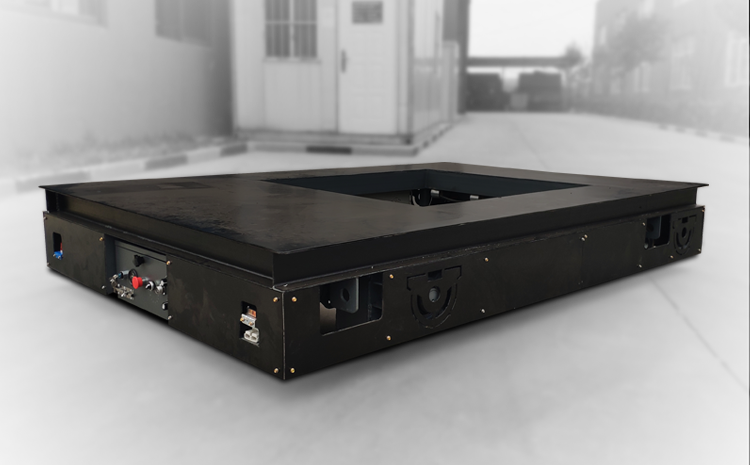
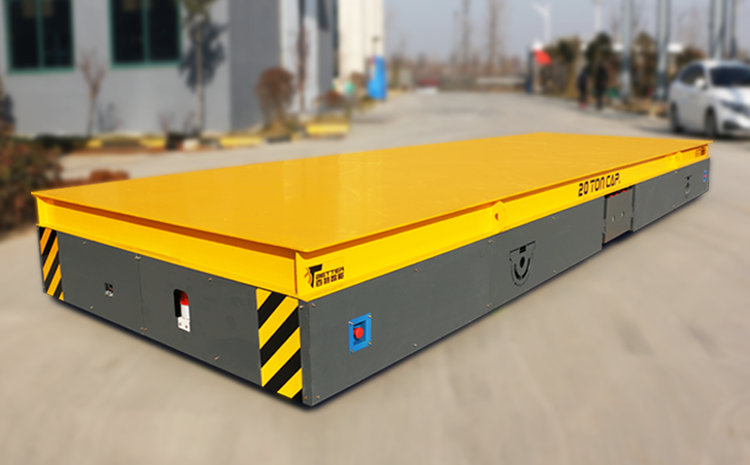
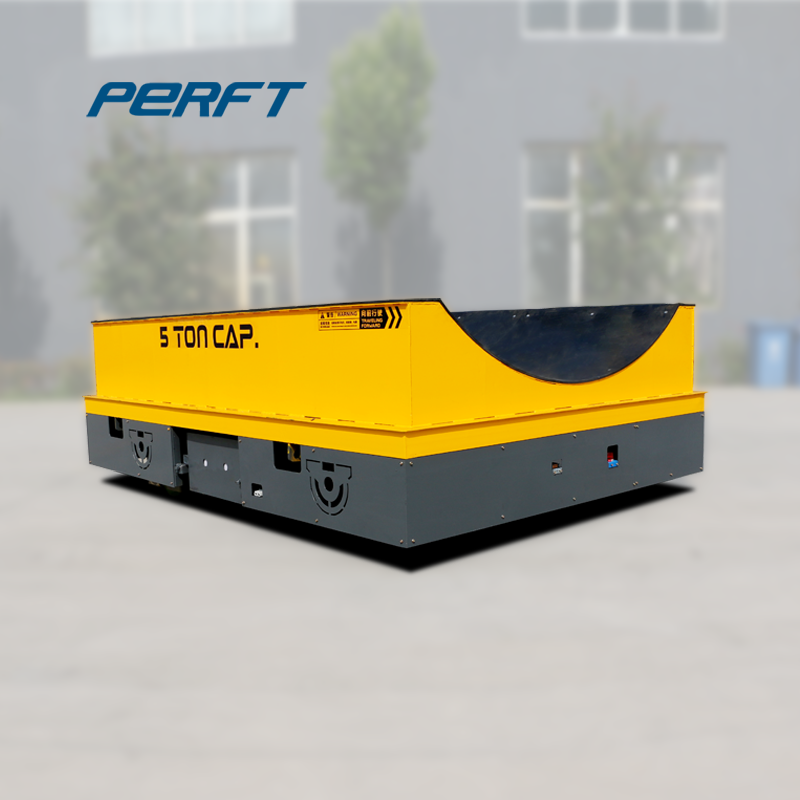
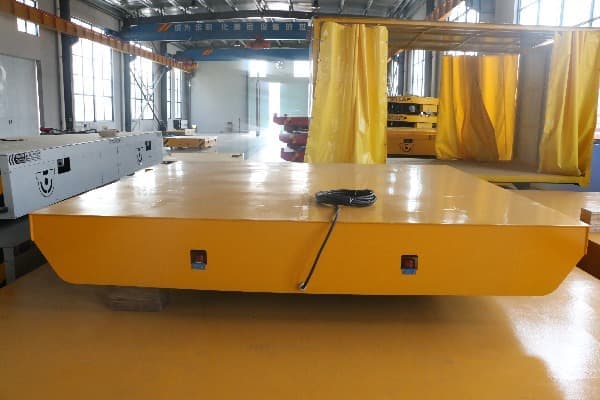
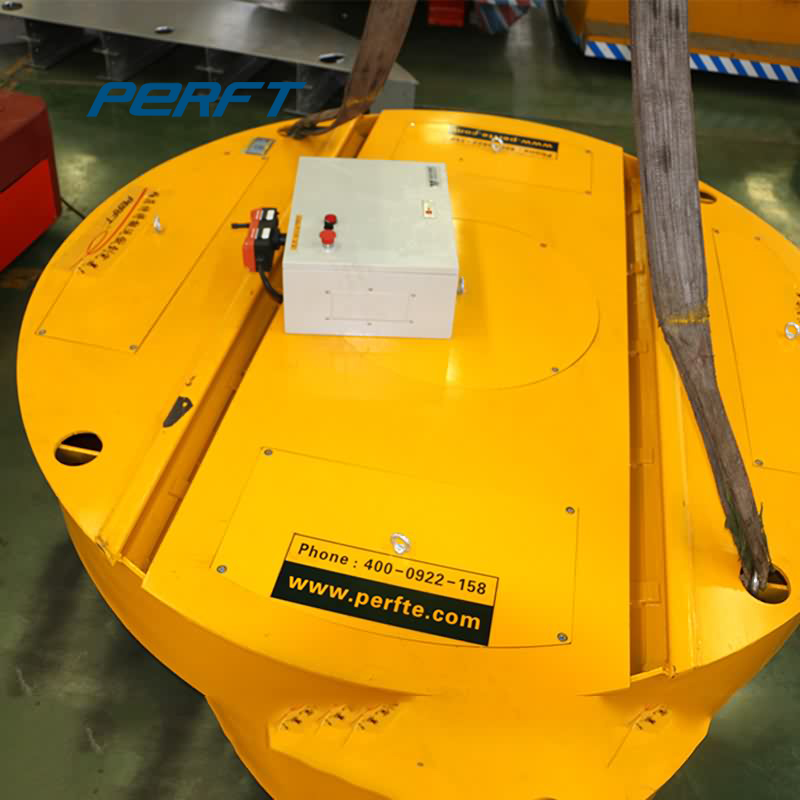
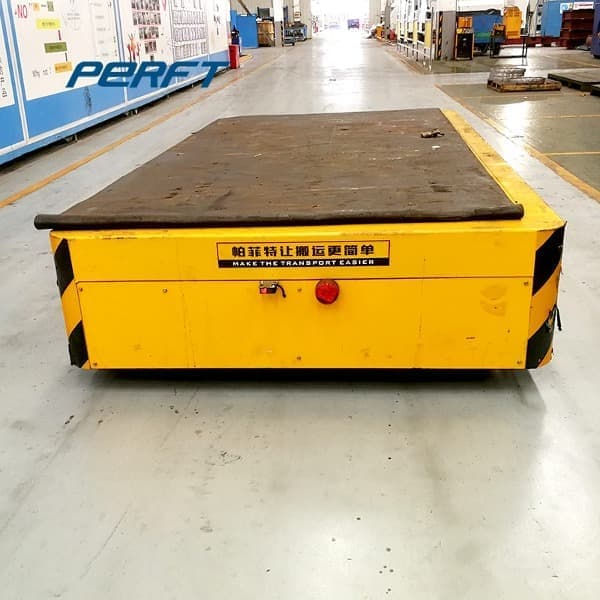
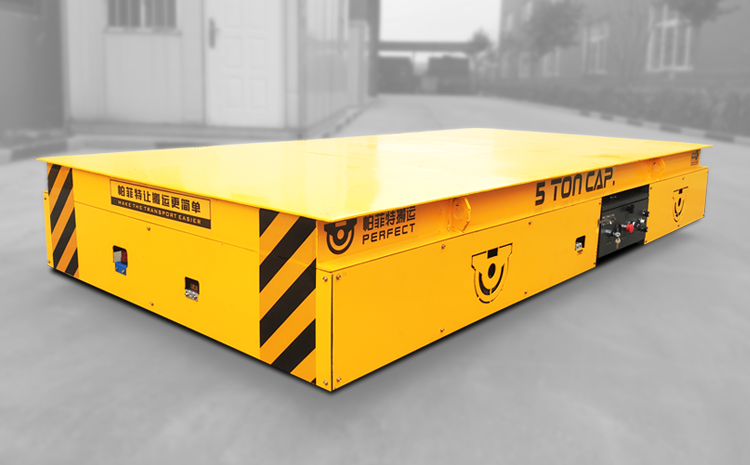
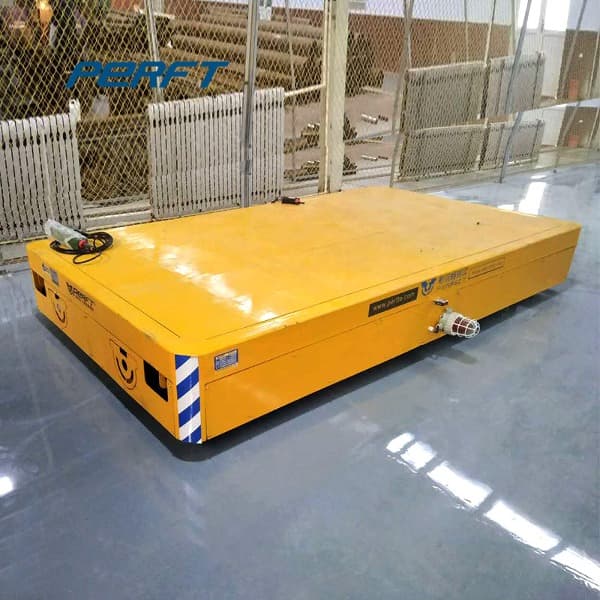
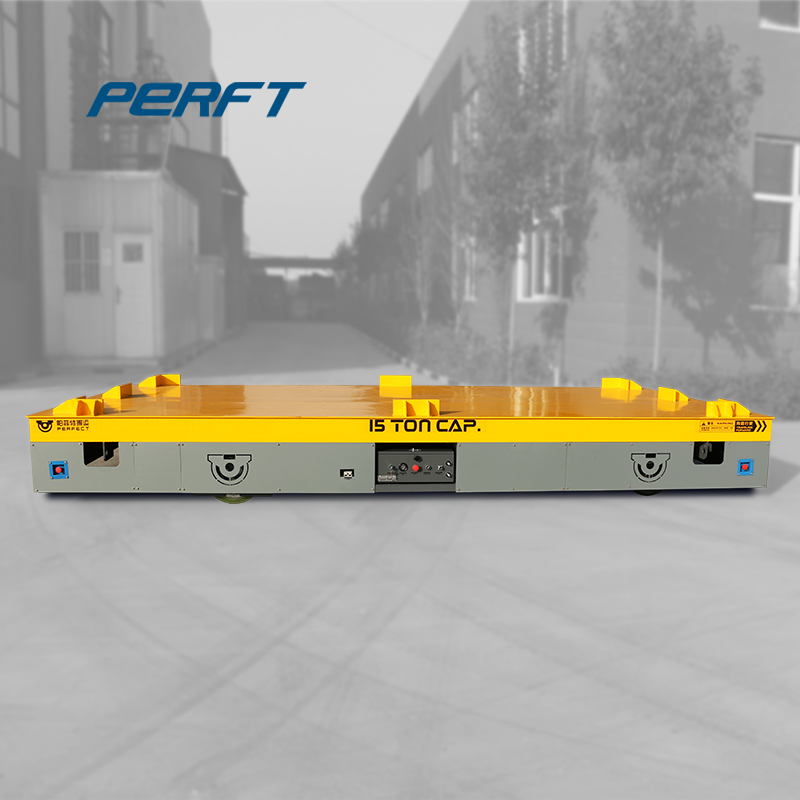
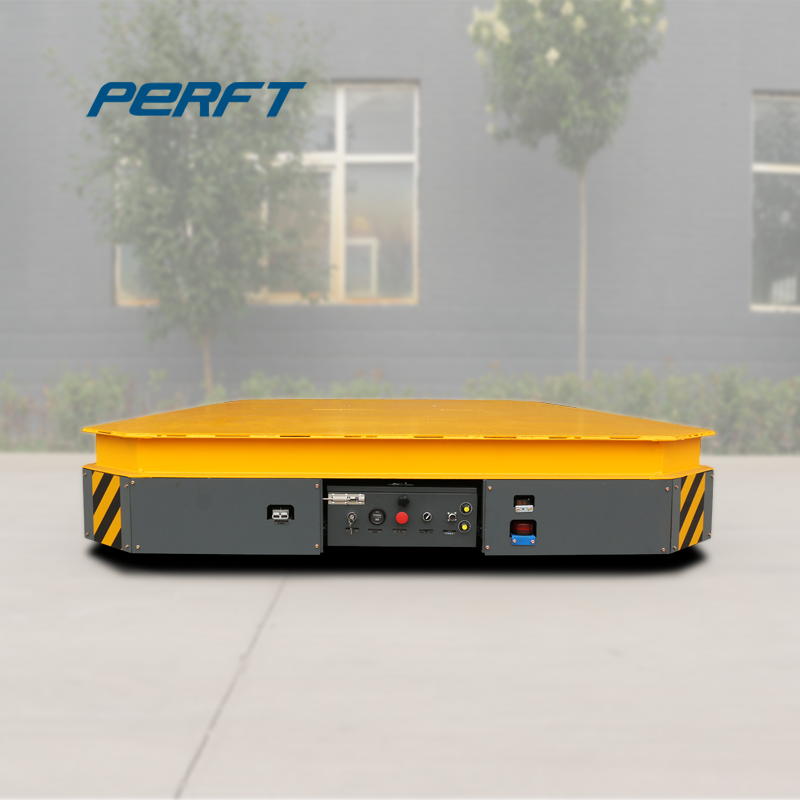
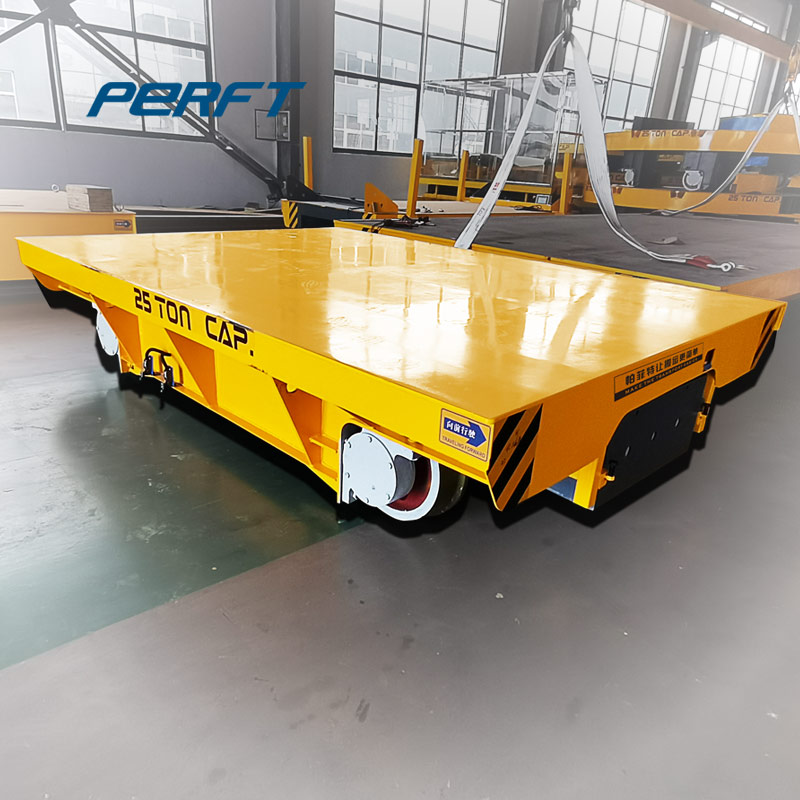
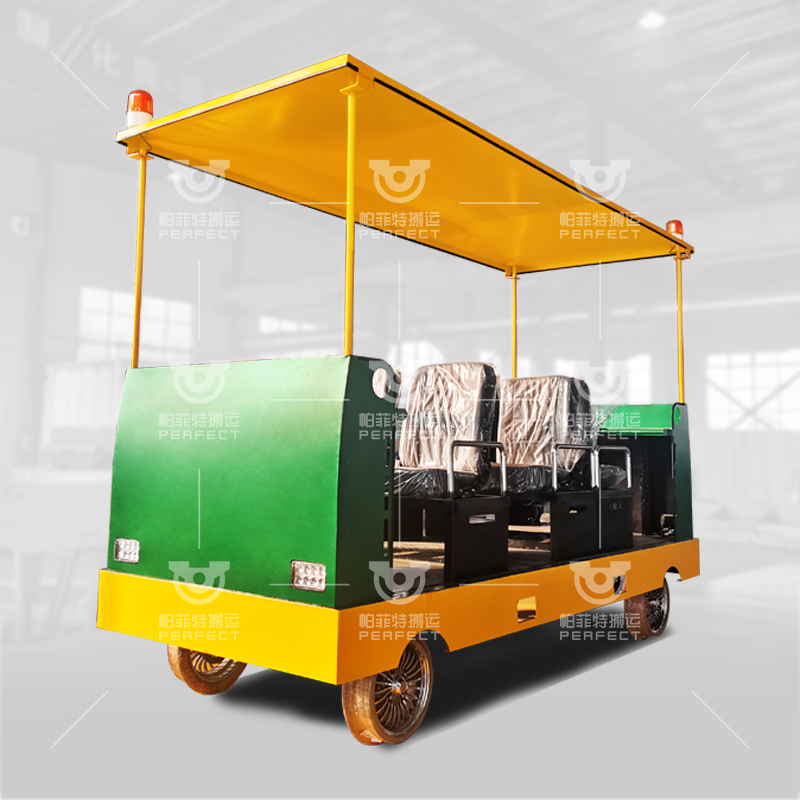
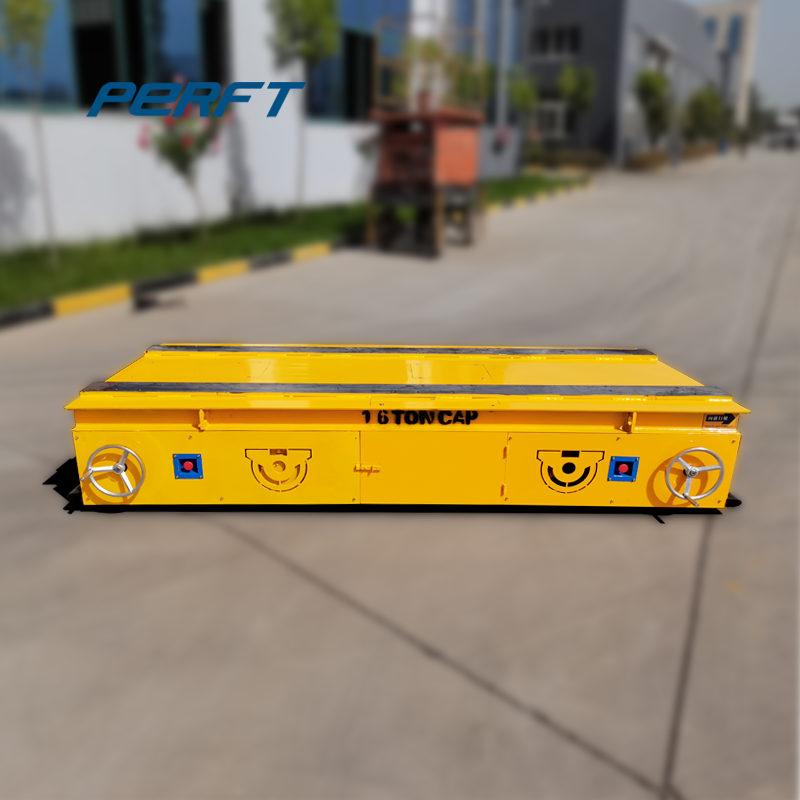
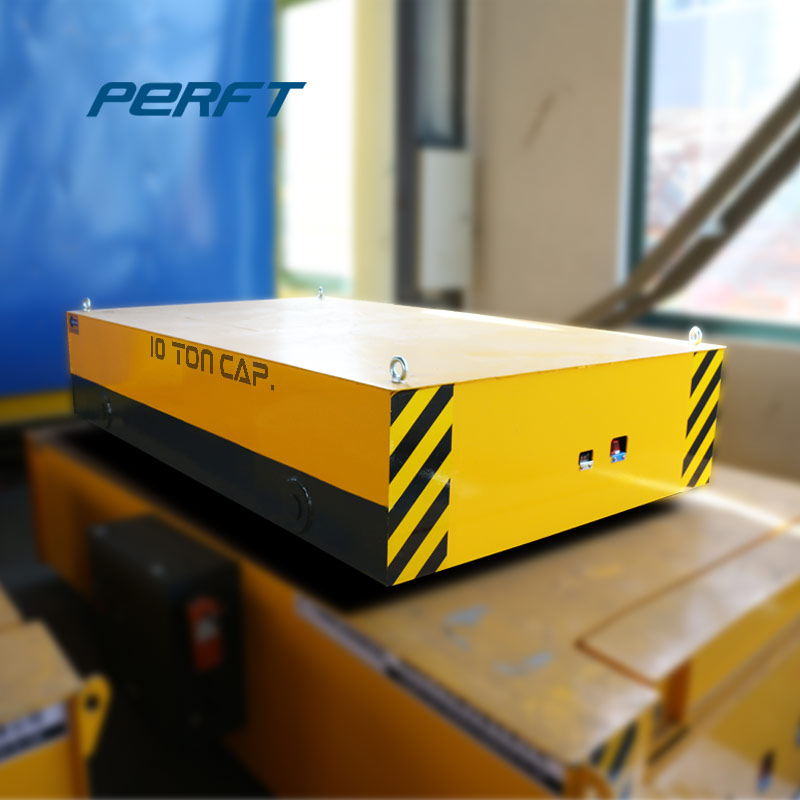
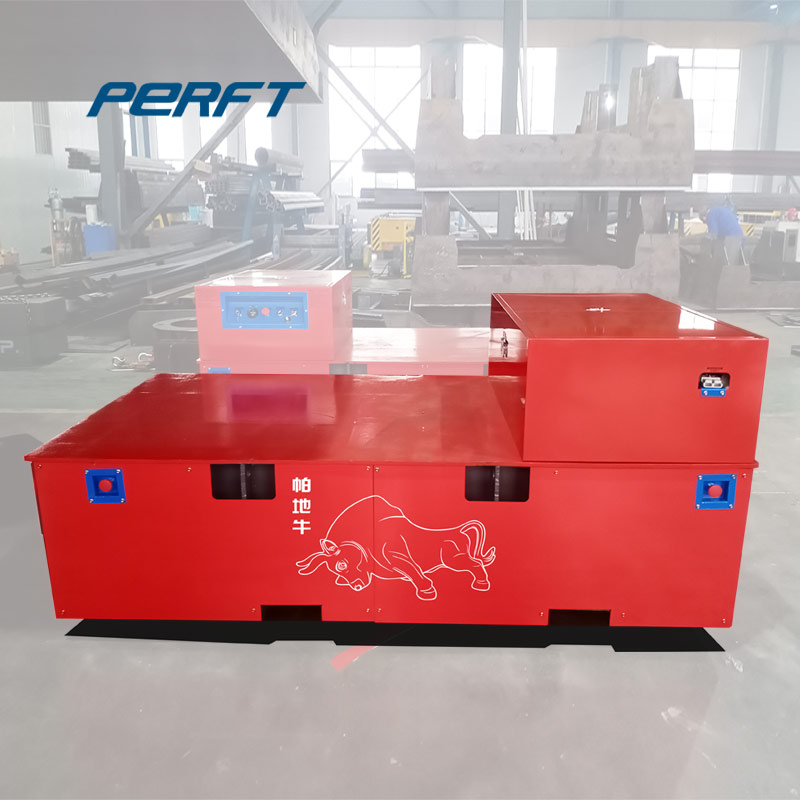
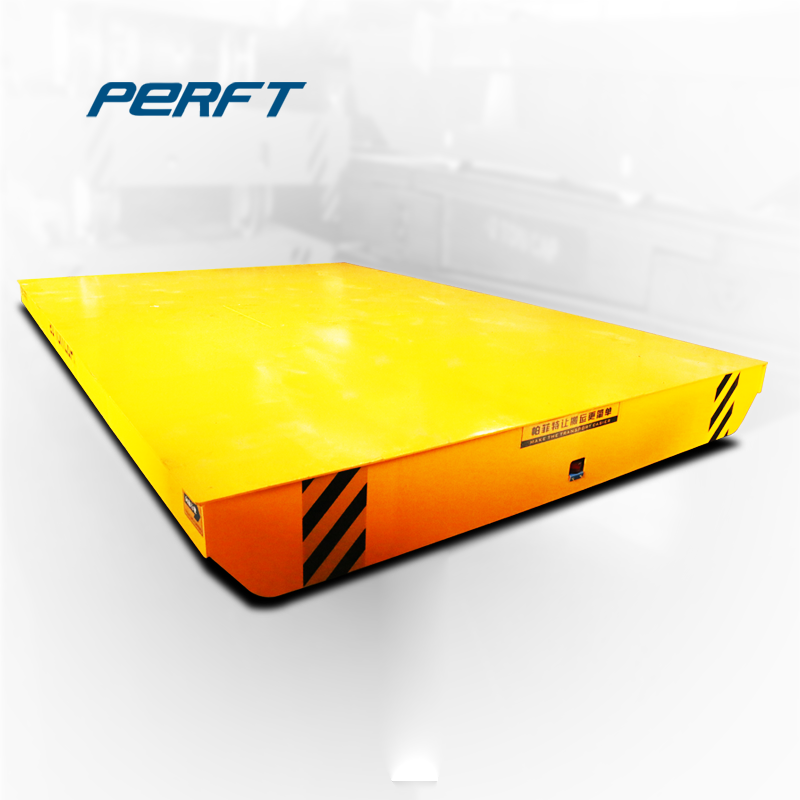
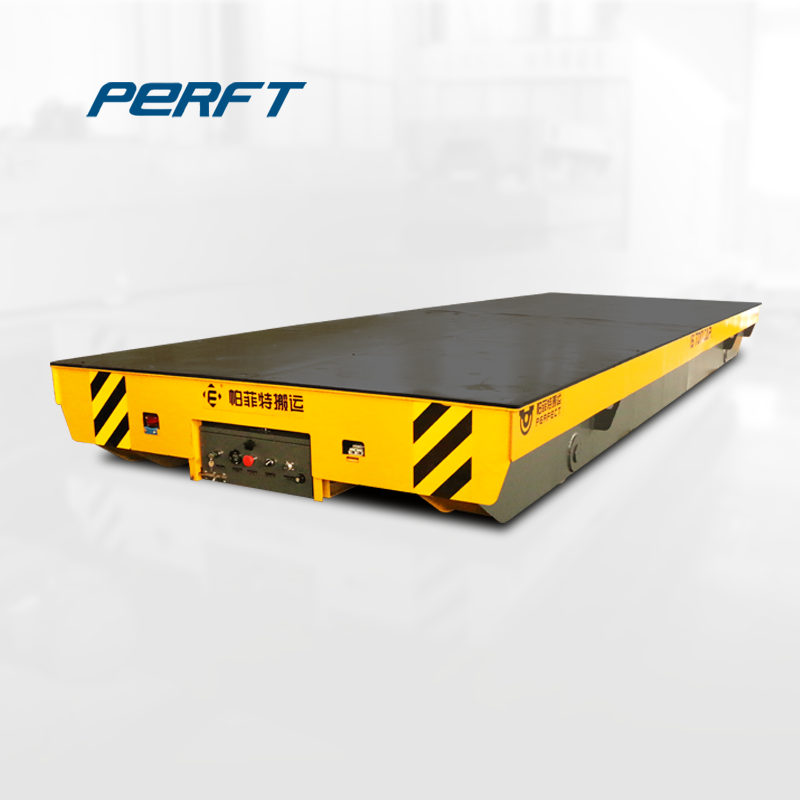
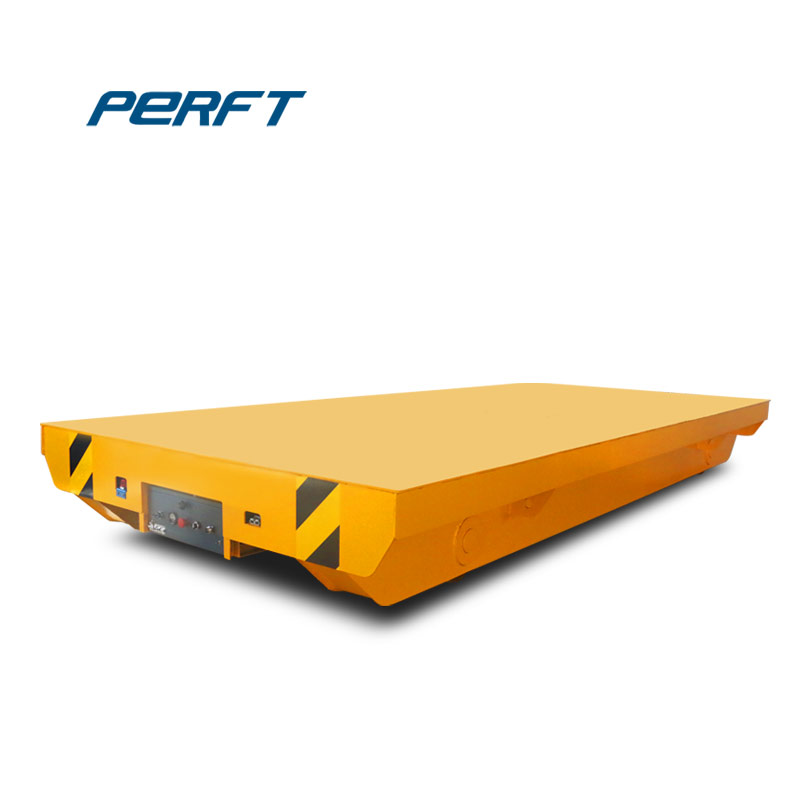
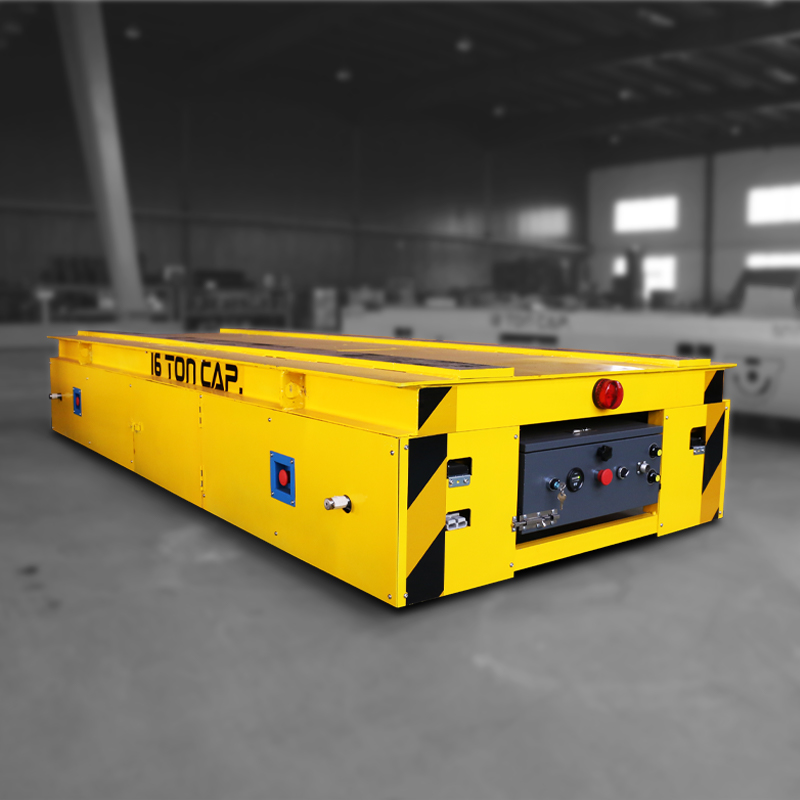
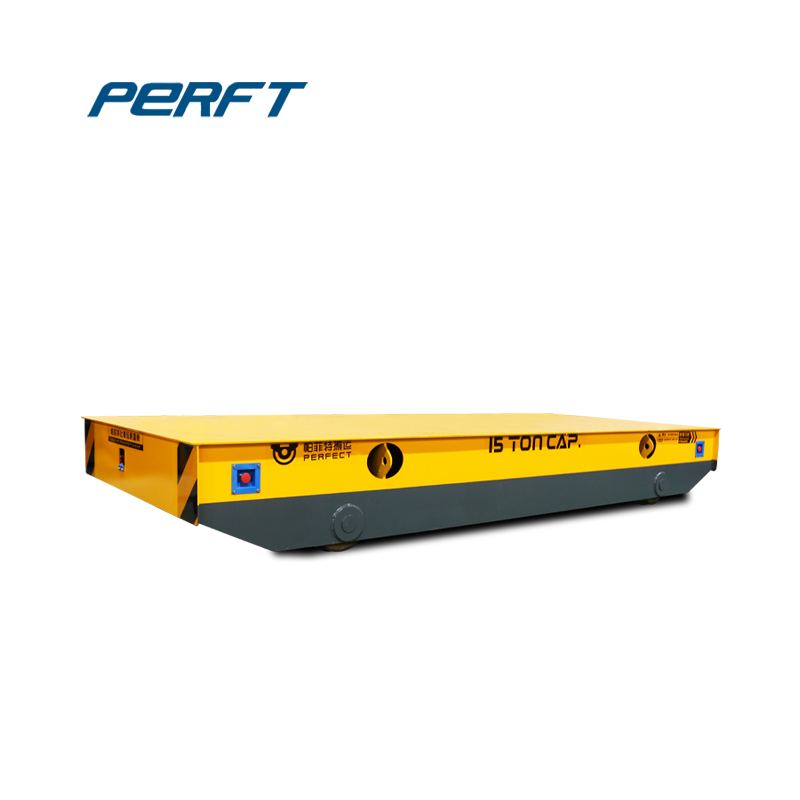
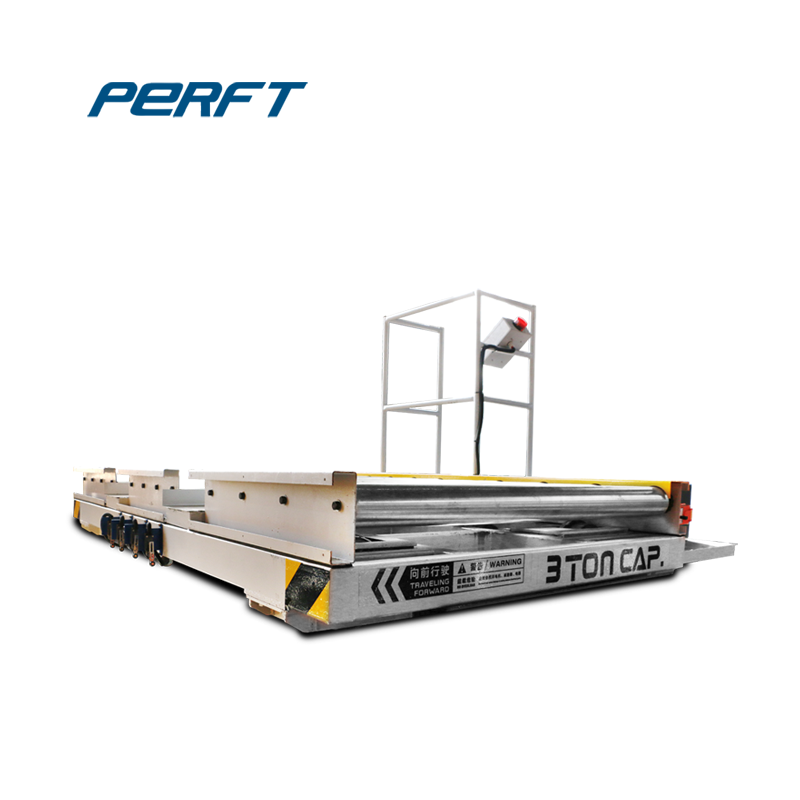
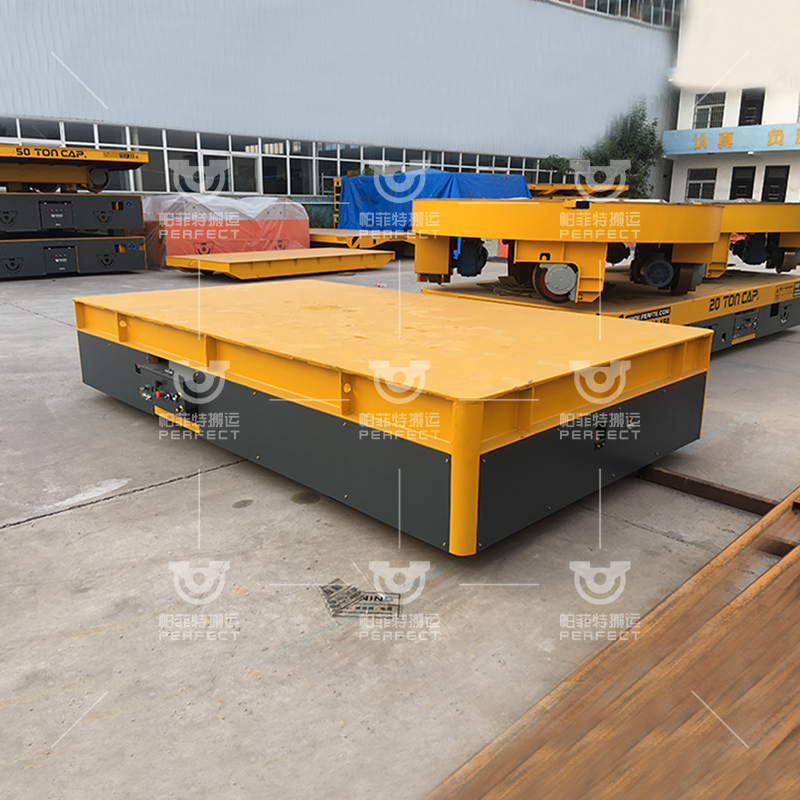
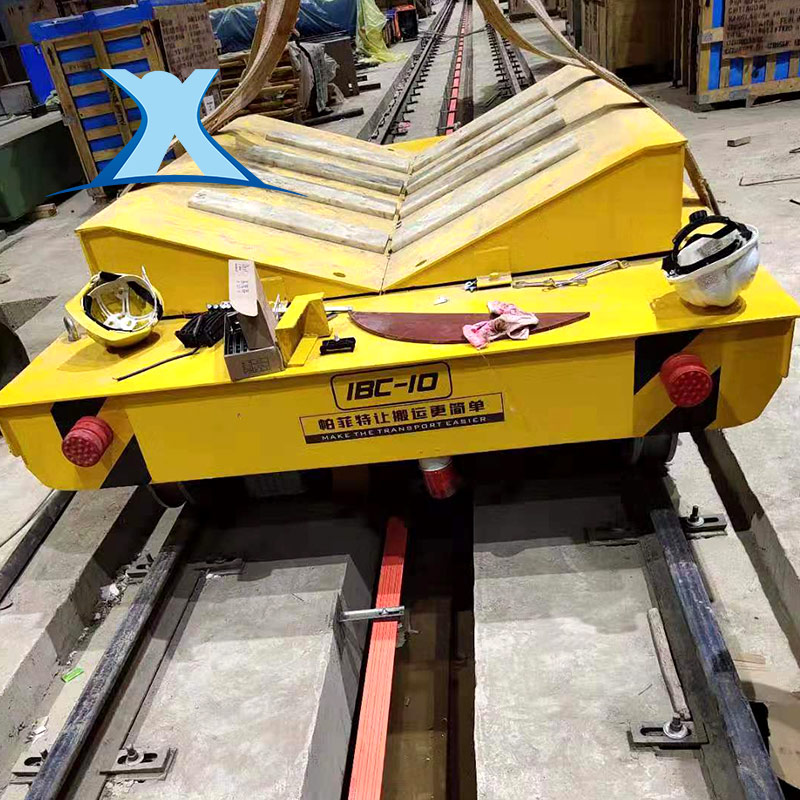
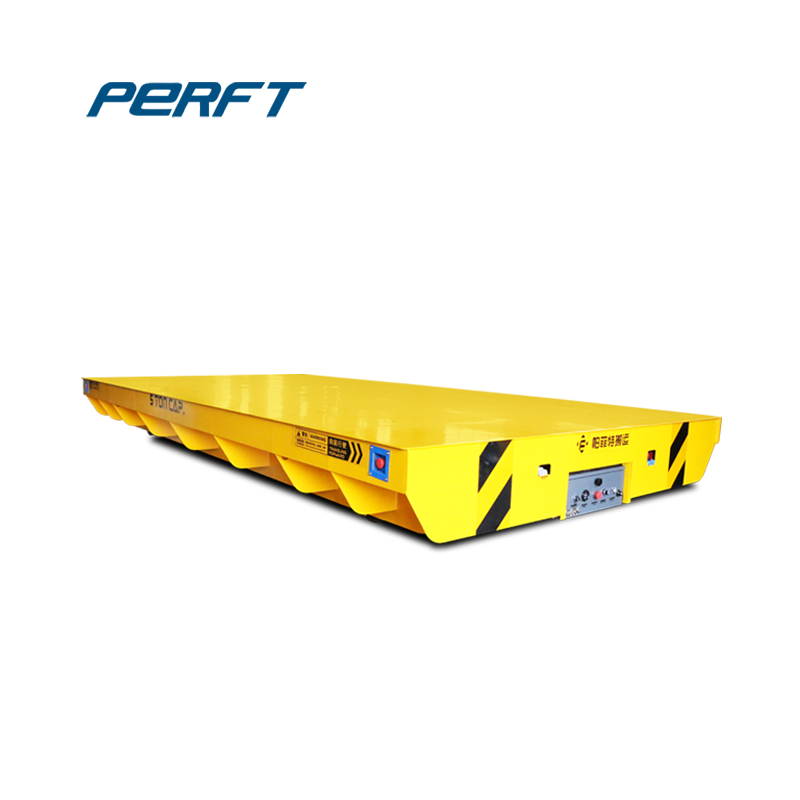
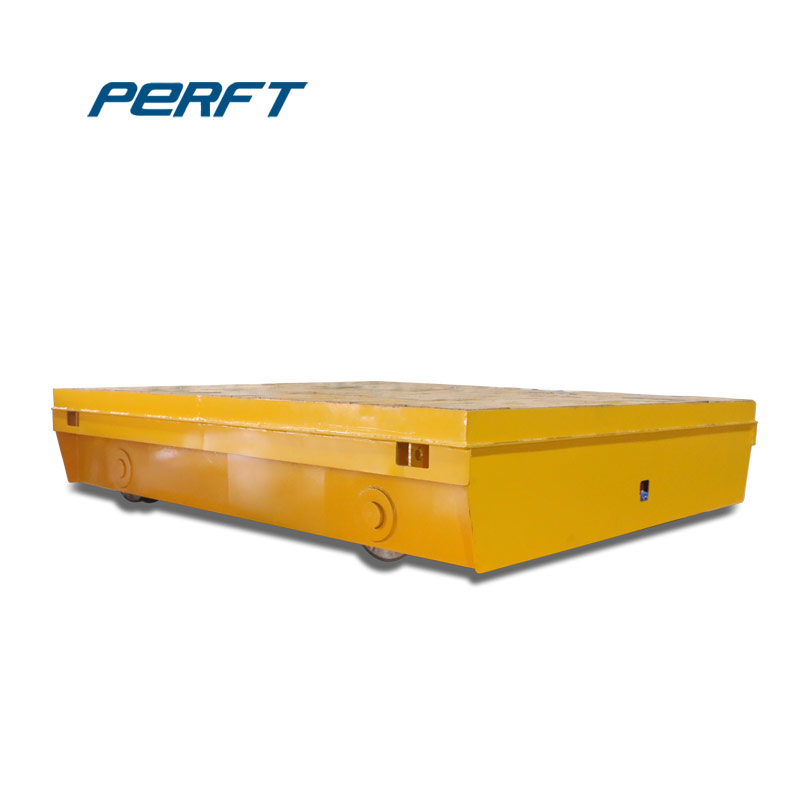
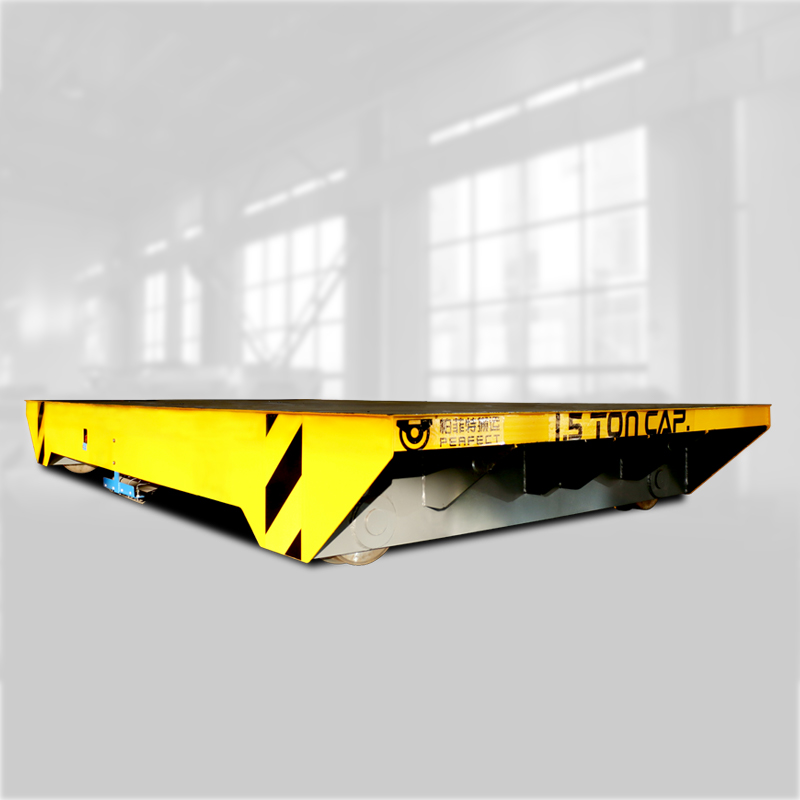
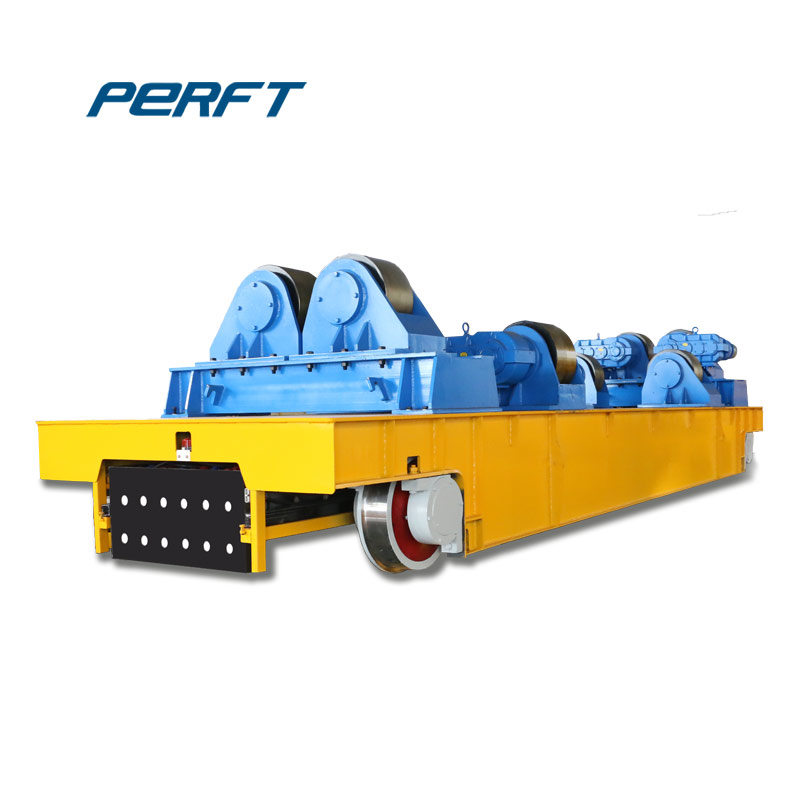
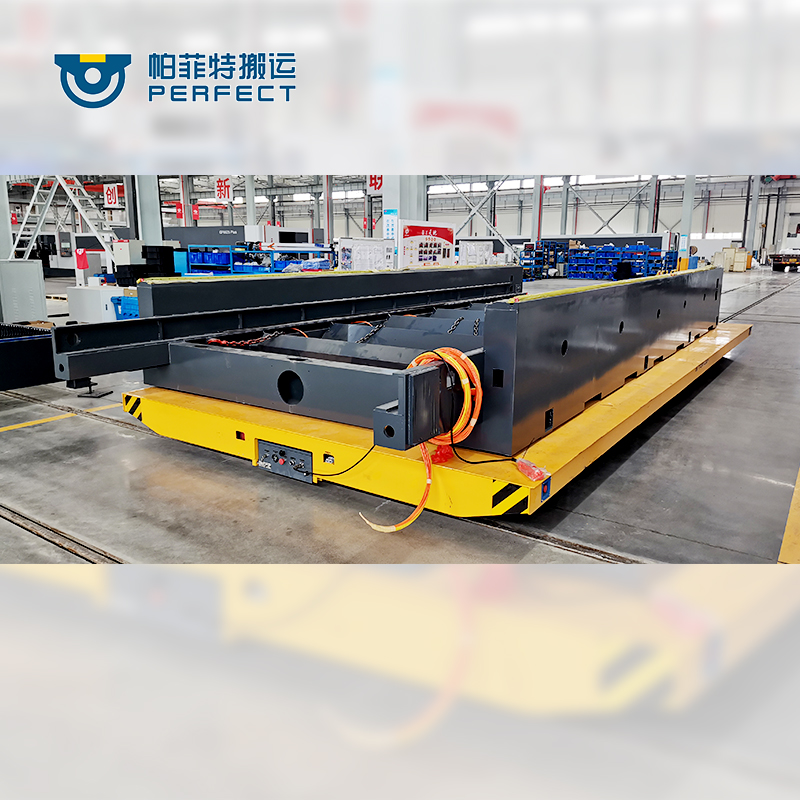
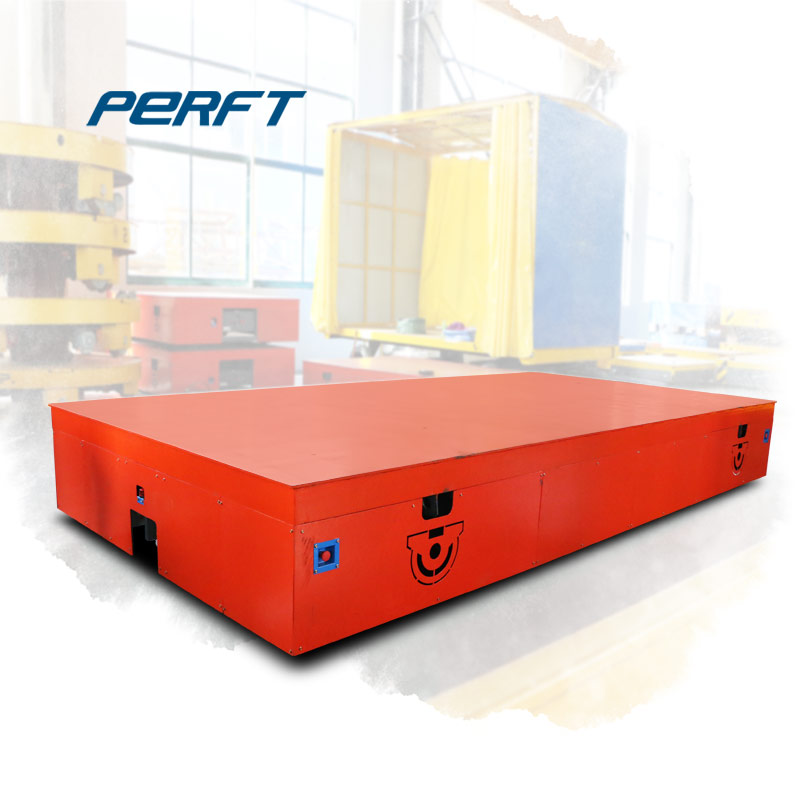
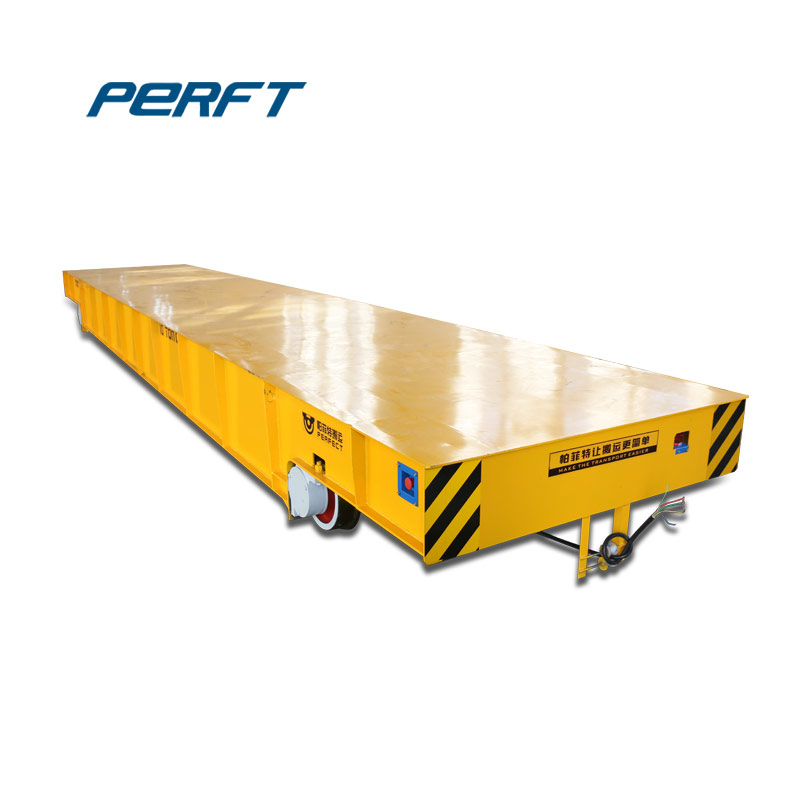
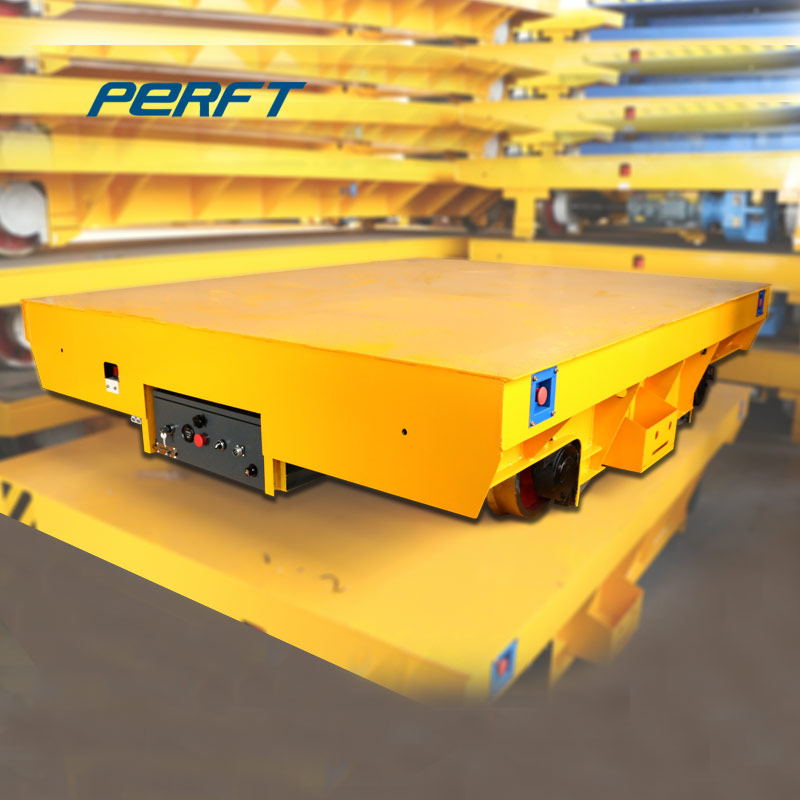
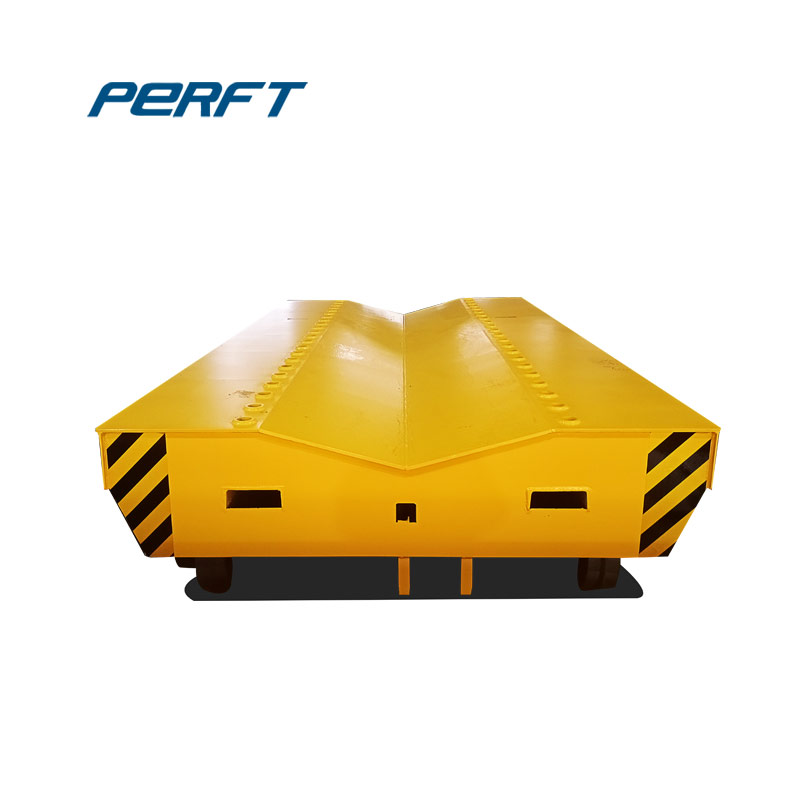
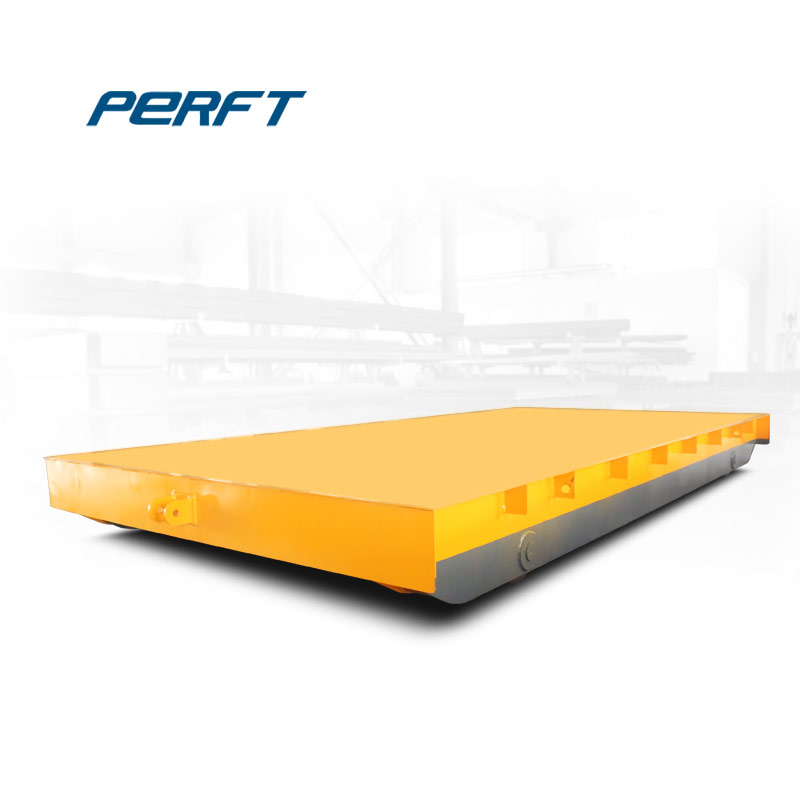
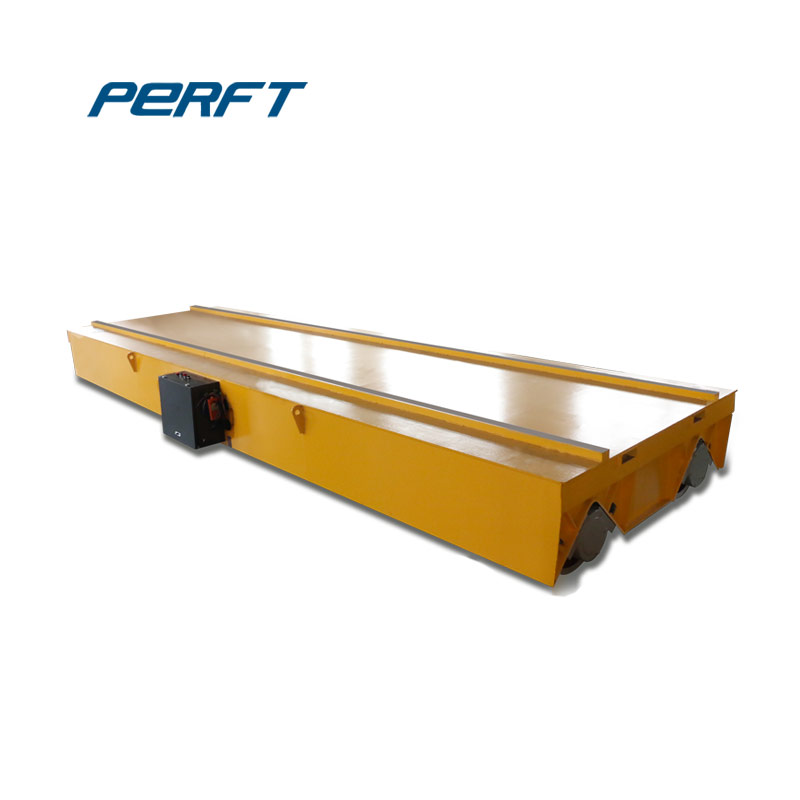
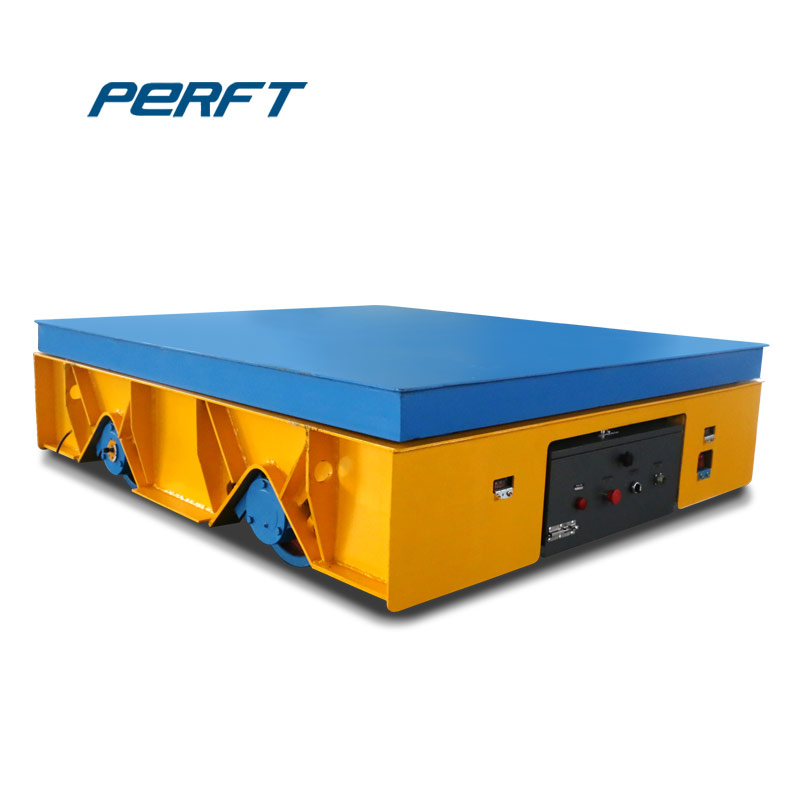
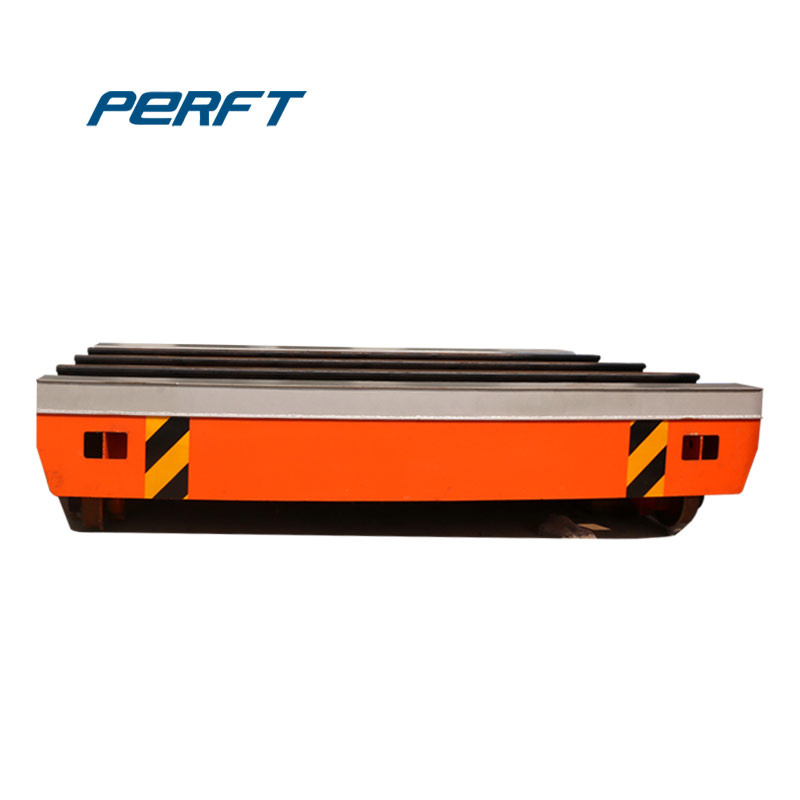
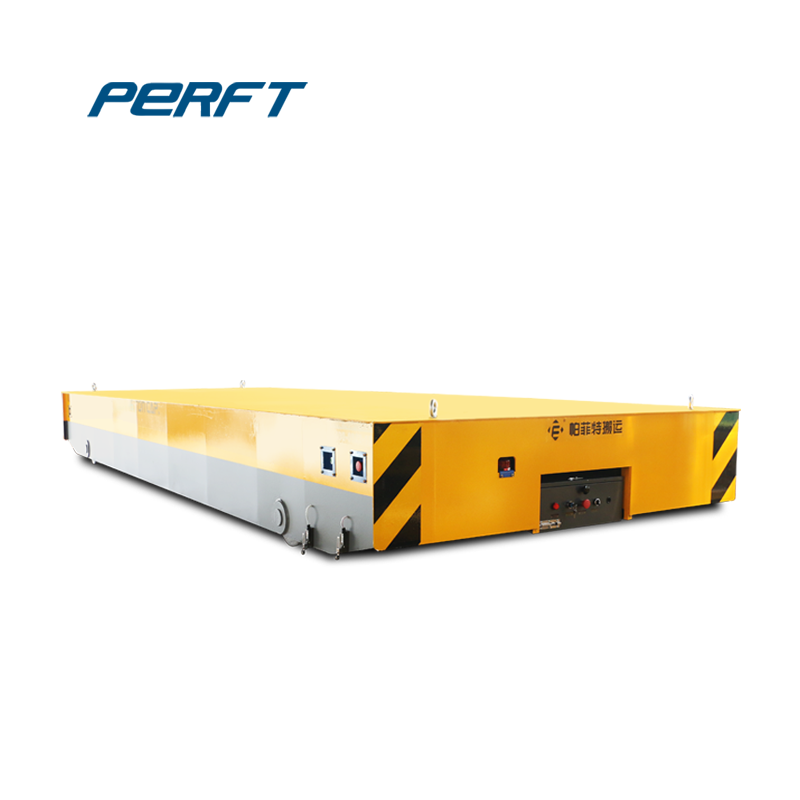
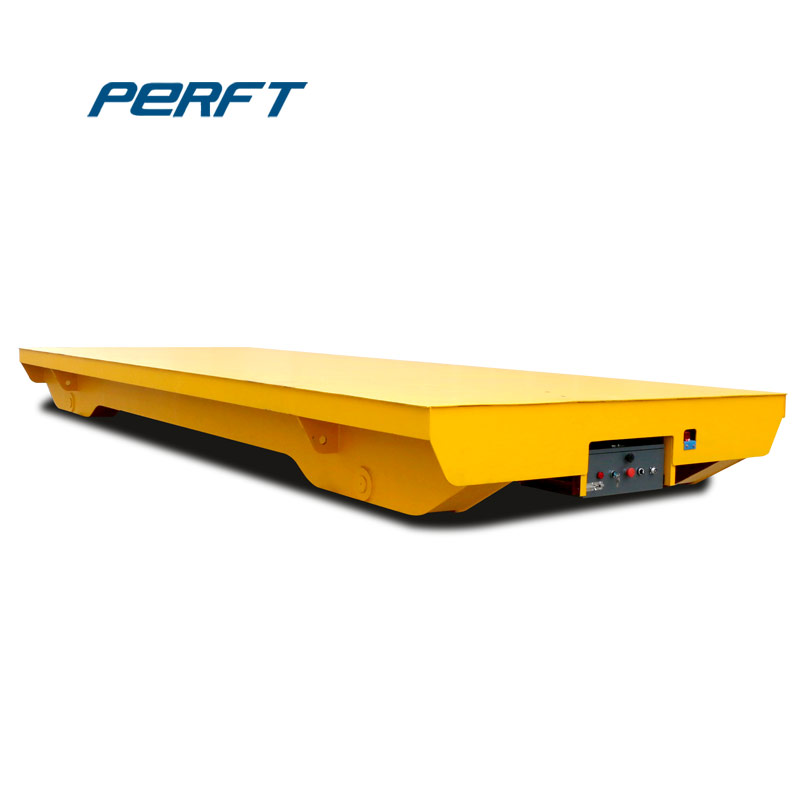
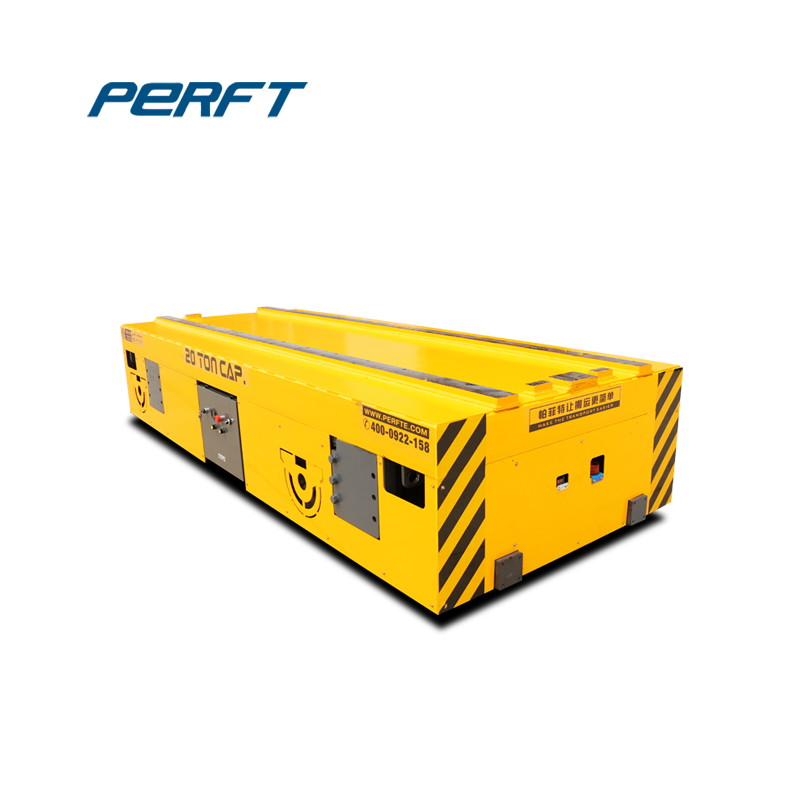
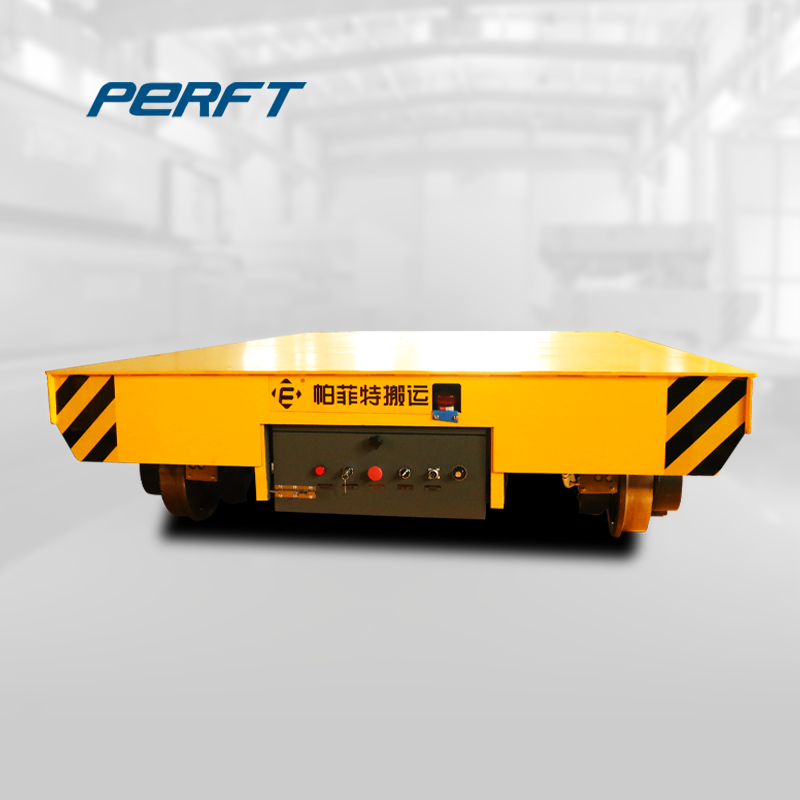
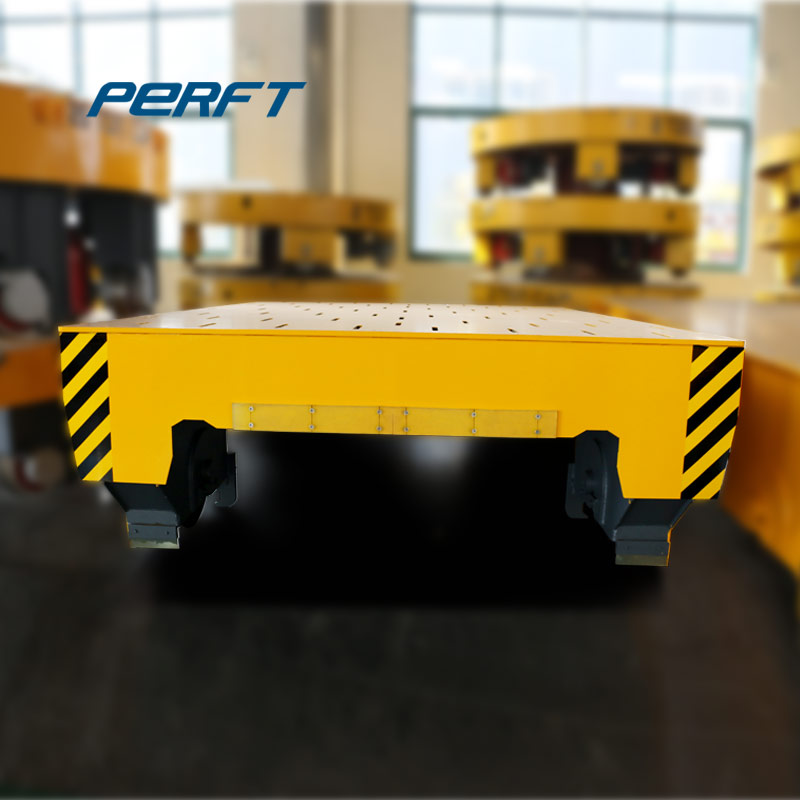
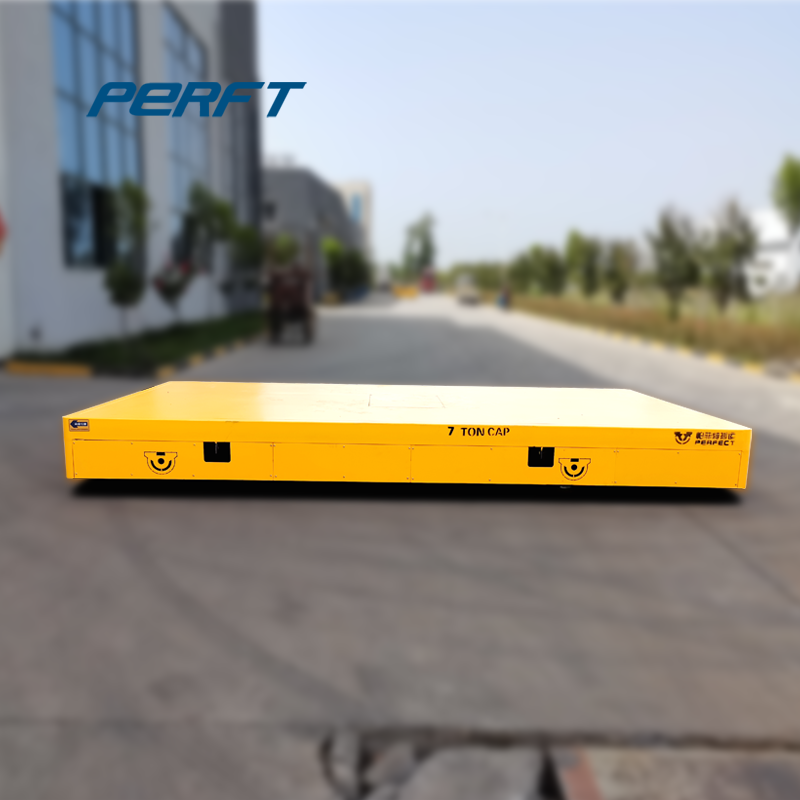
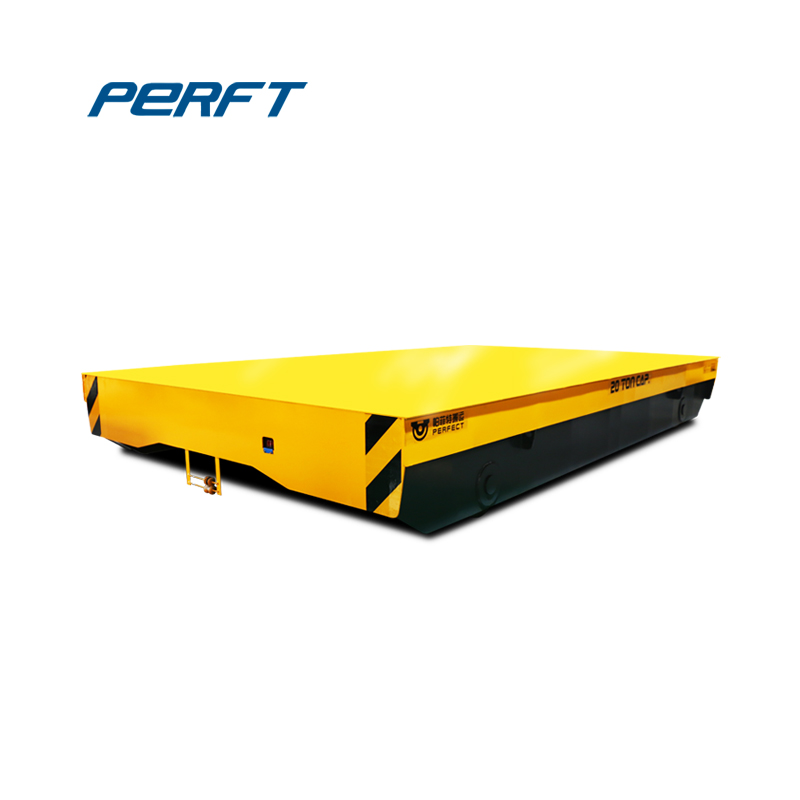
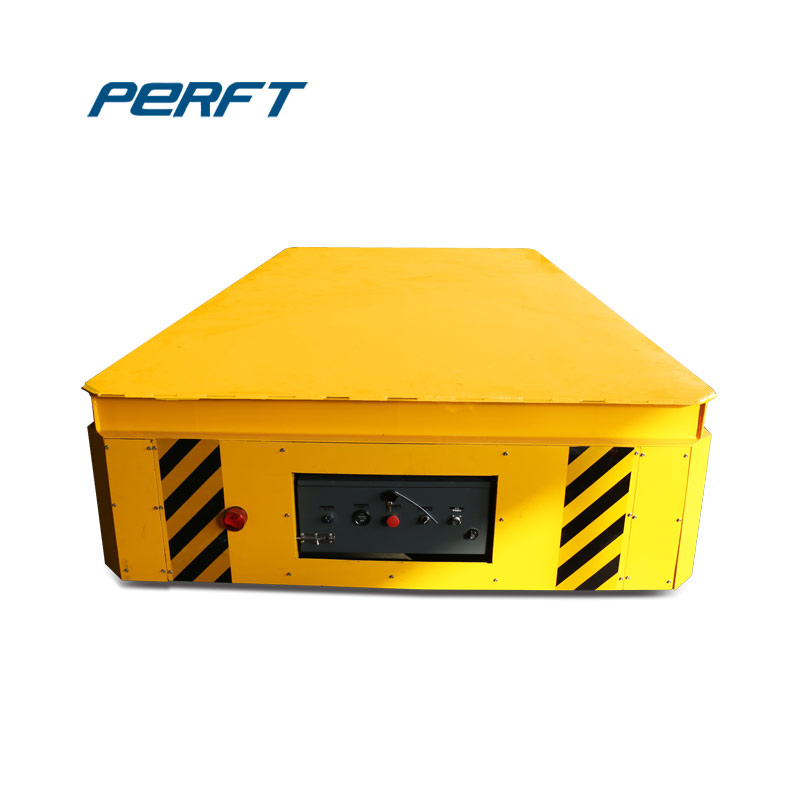
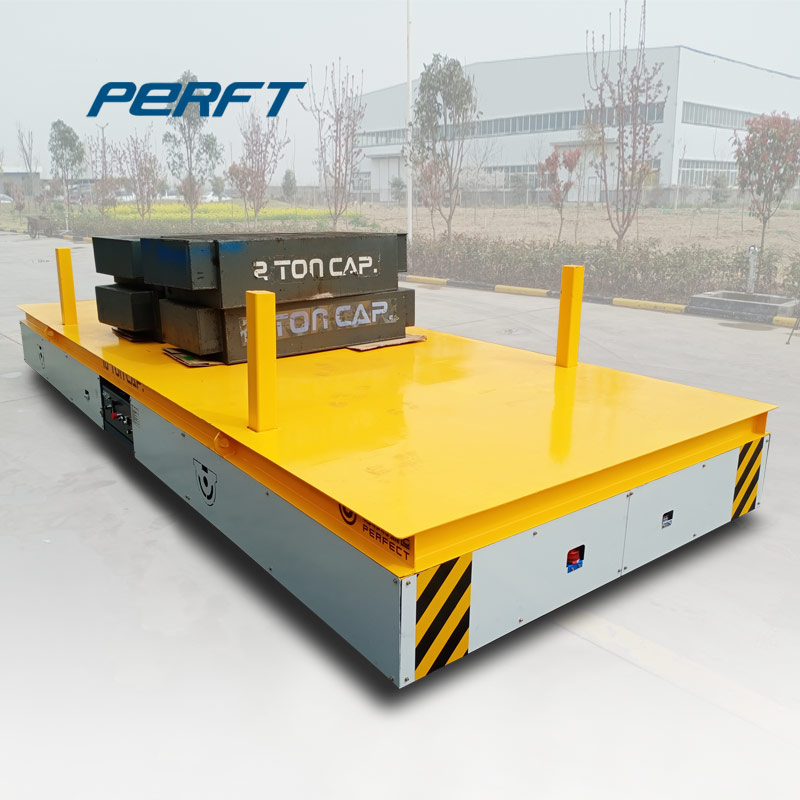
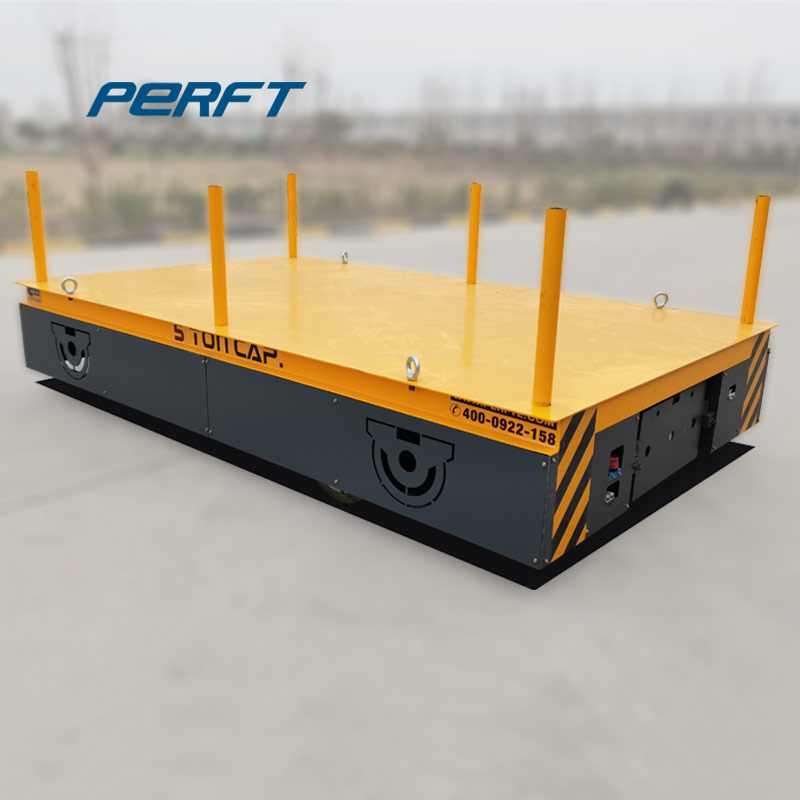
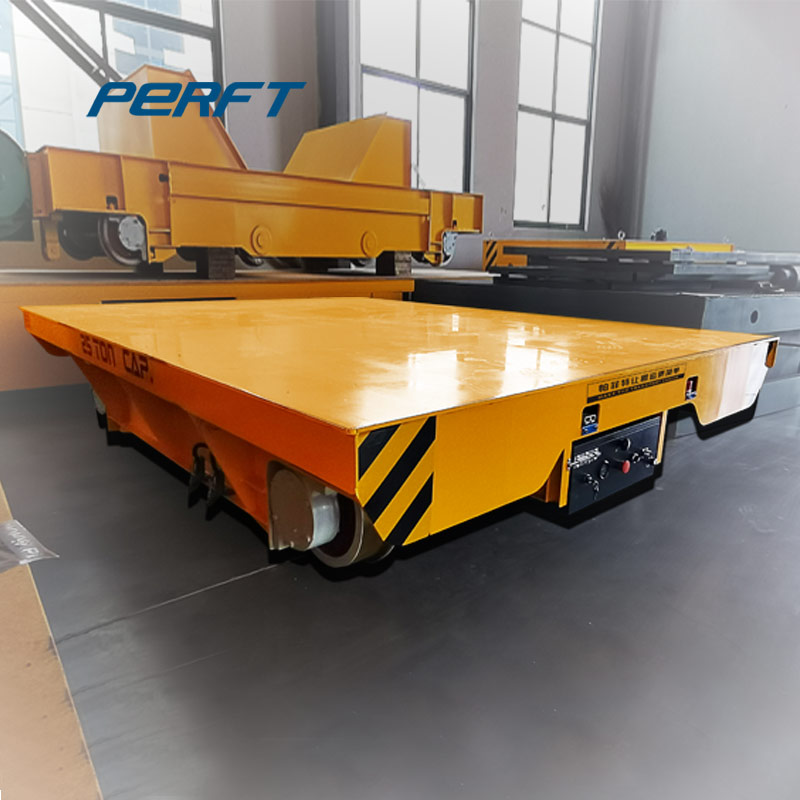
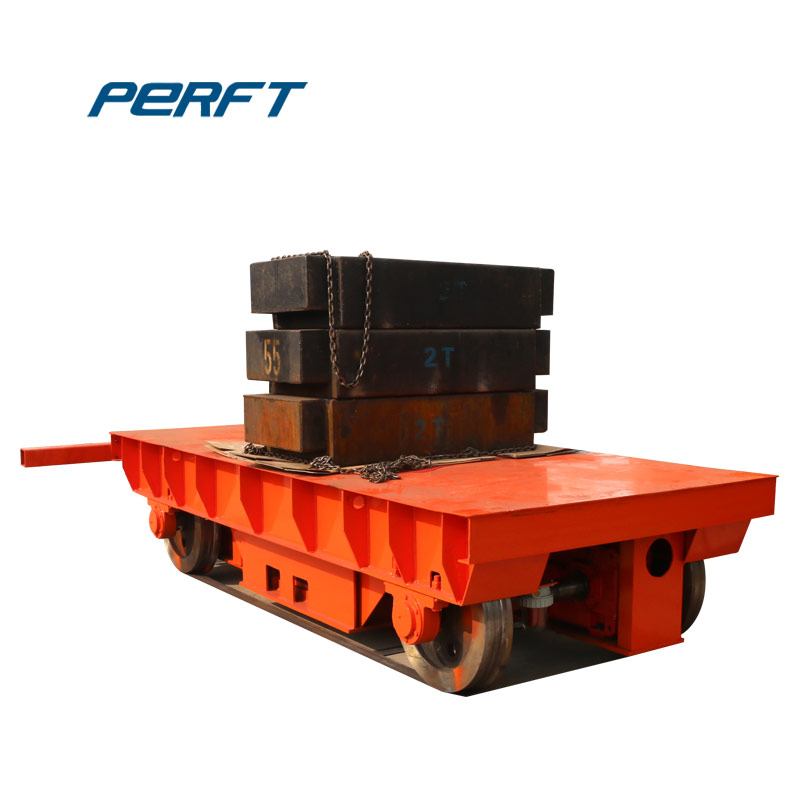
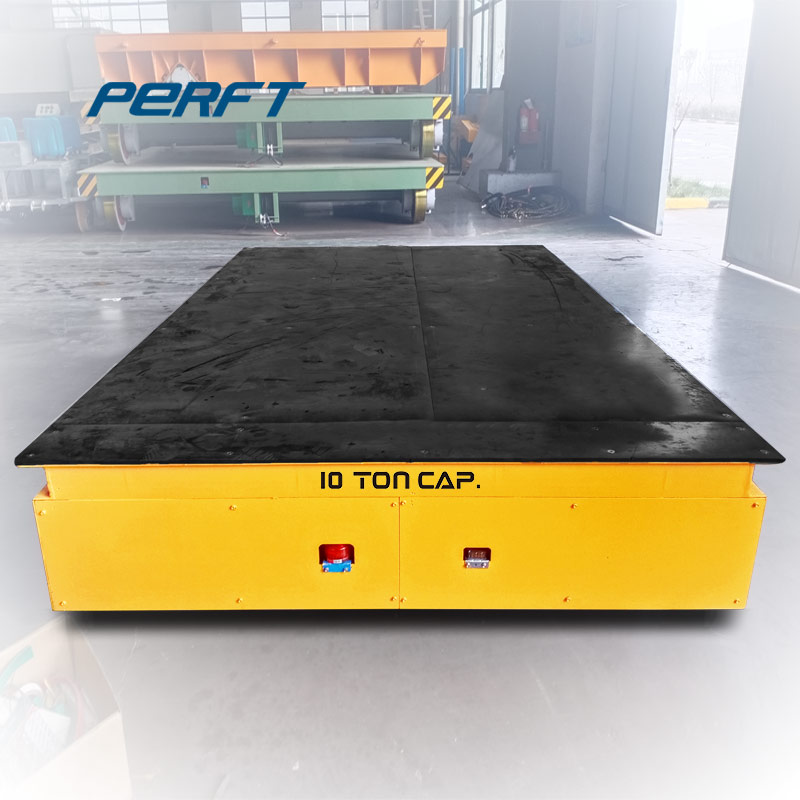
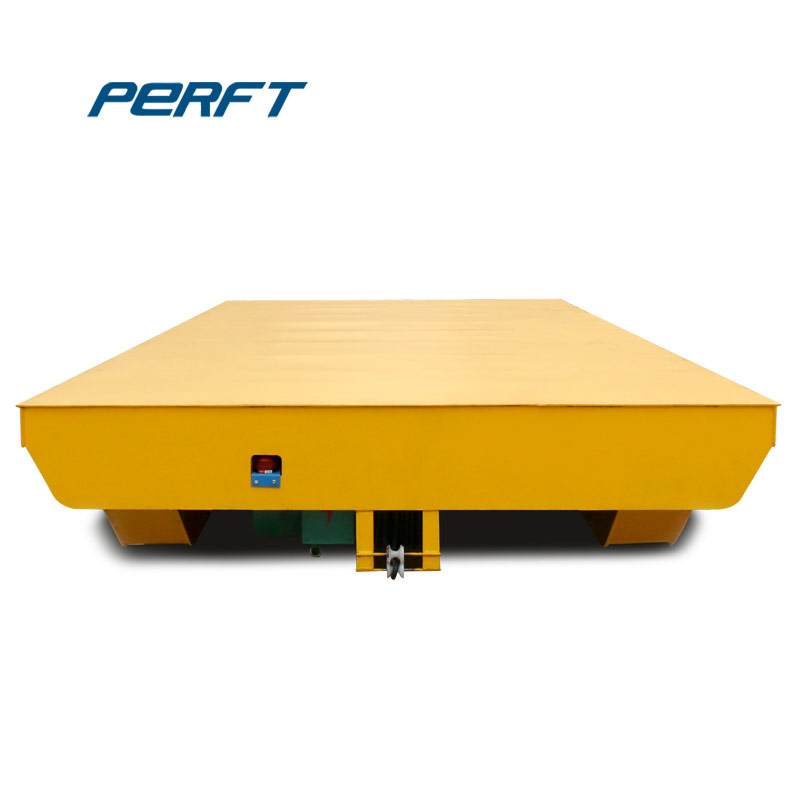
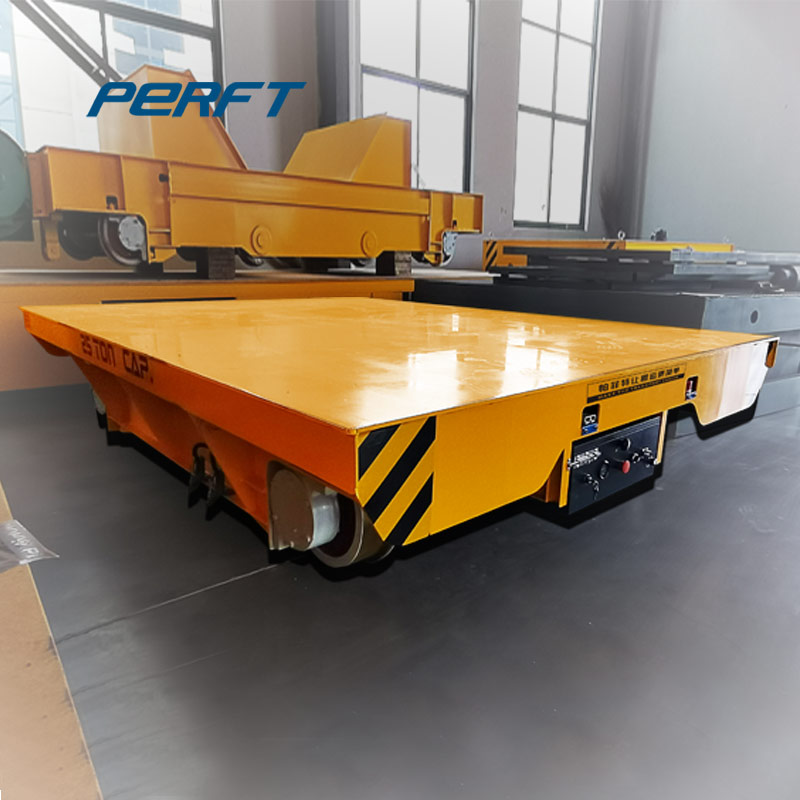
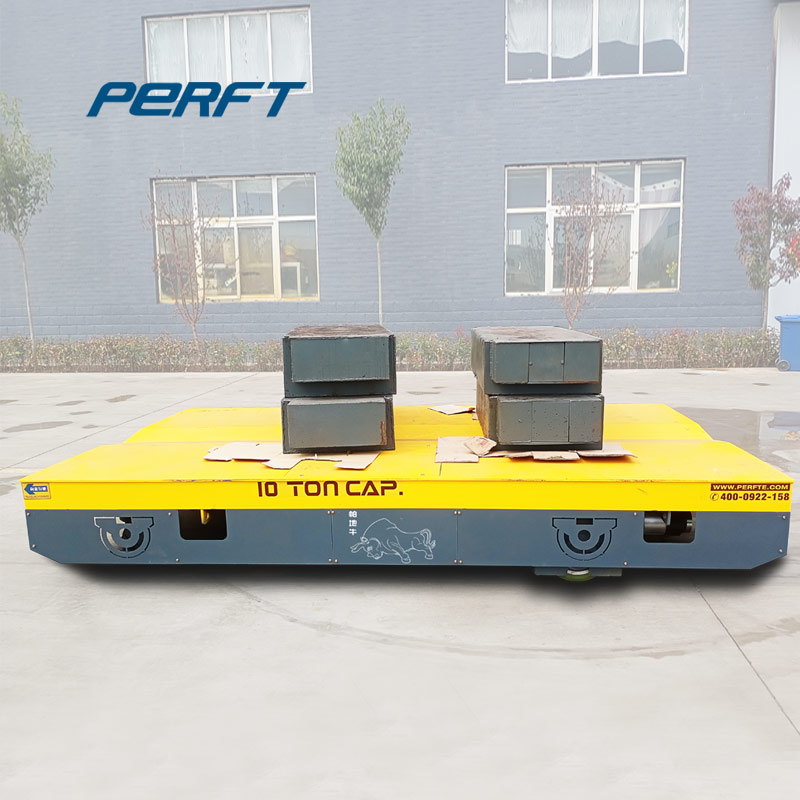
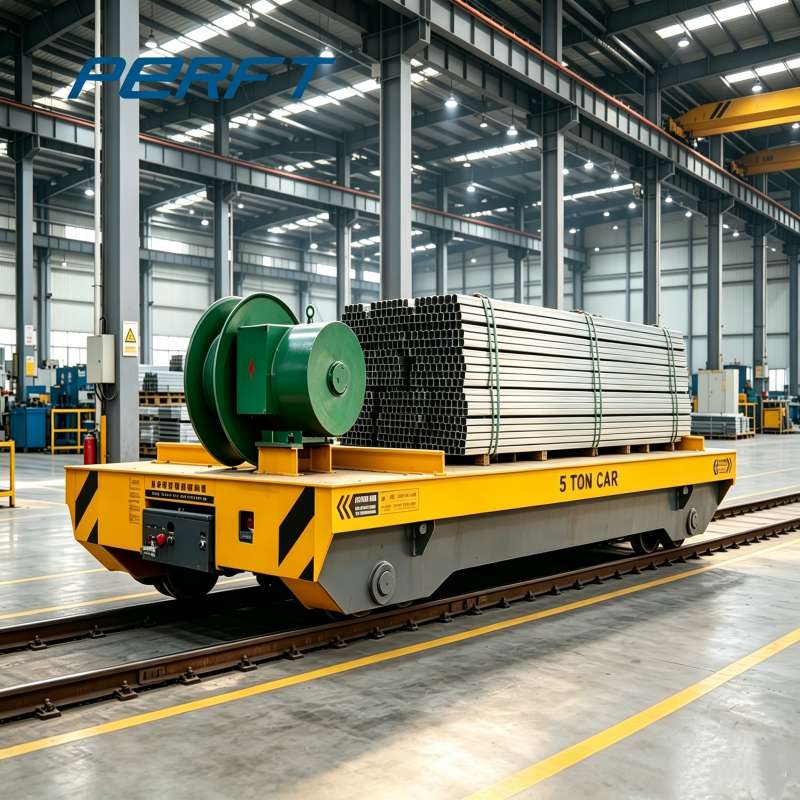
Hydraulic lifting rail transfer carts are rail-guided material handling vehicles designed for stable, high-capacity transportation. The rail system ensures accurate positioning, smooth travel, and reliable operation, while the lifting platform allows the cart to adapt to varying working heights.
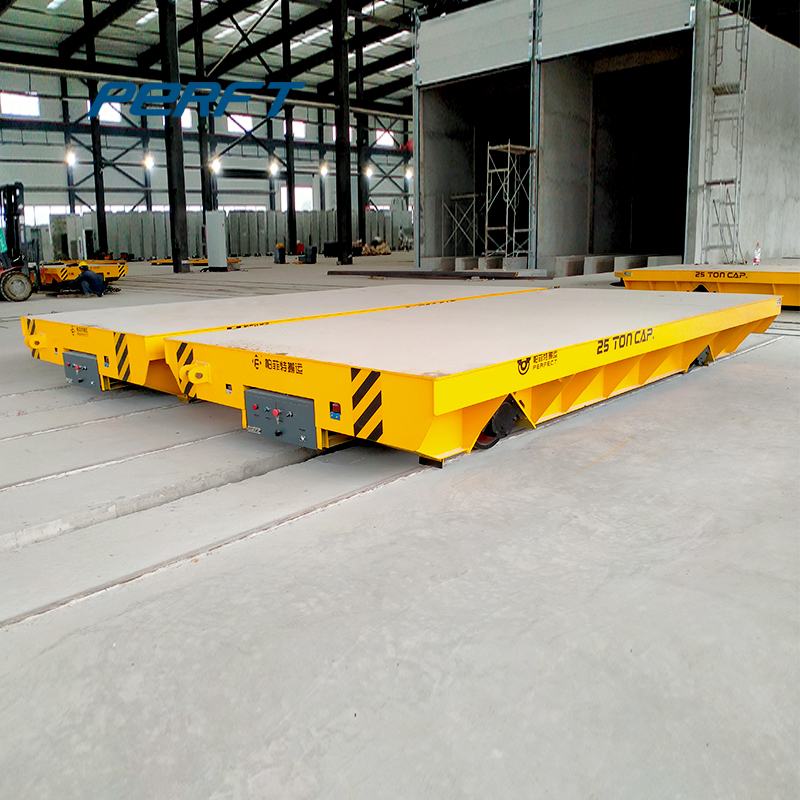
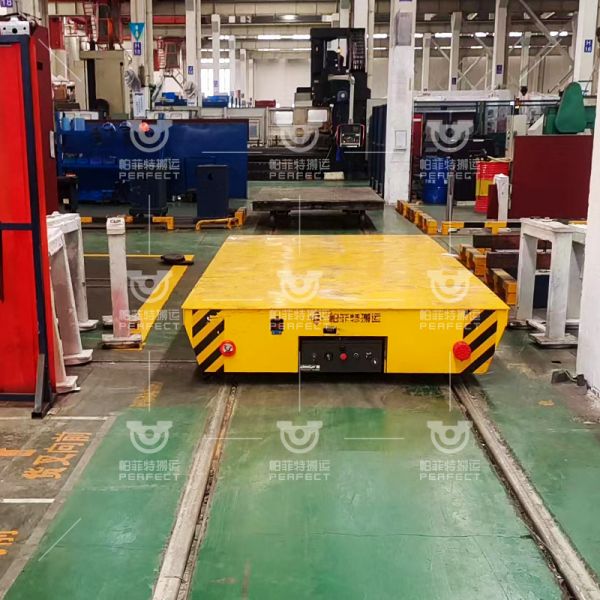
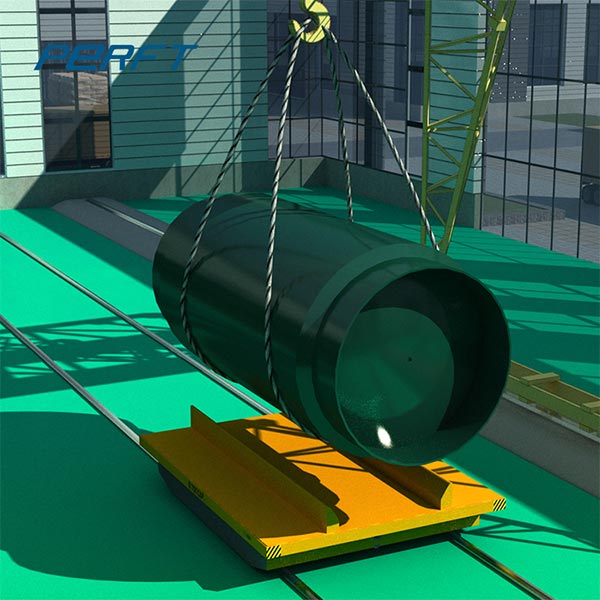
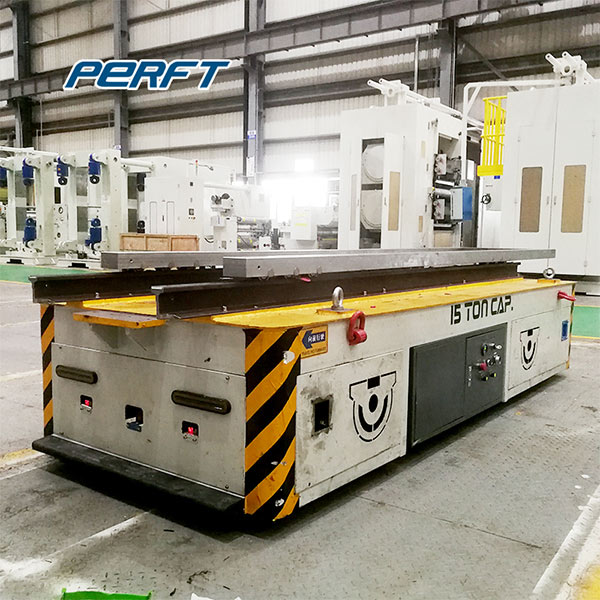
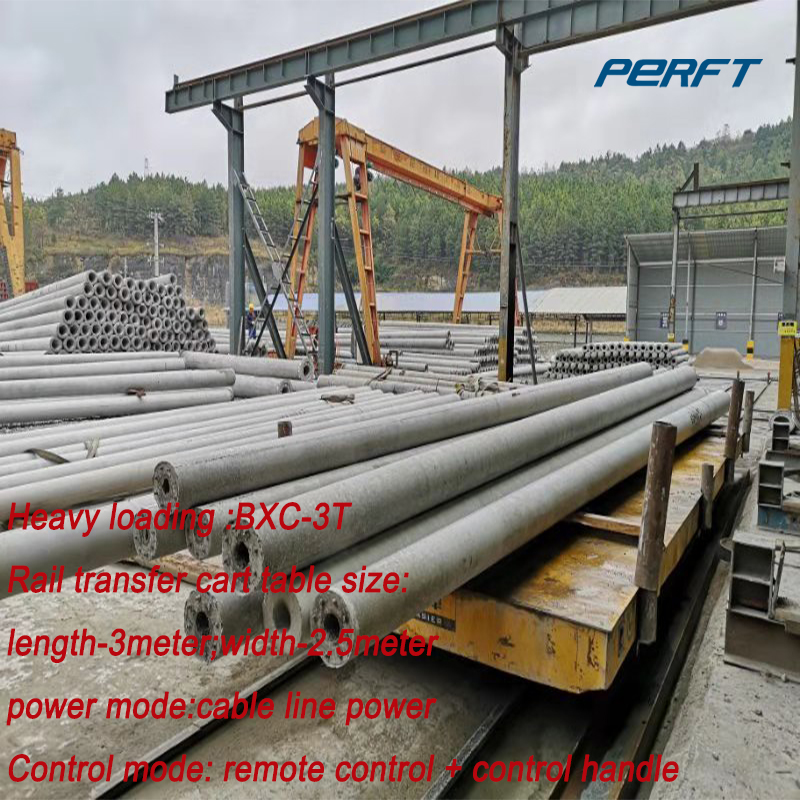
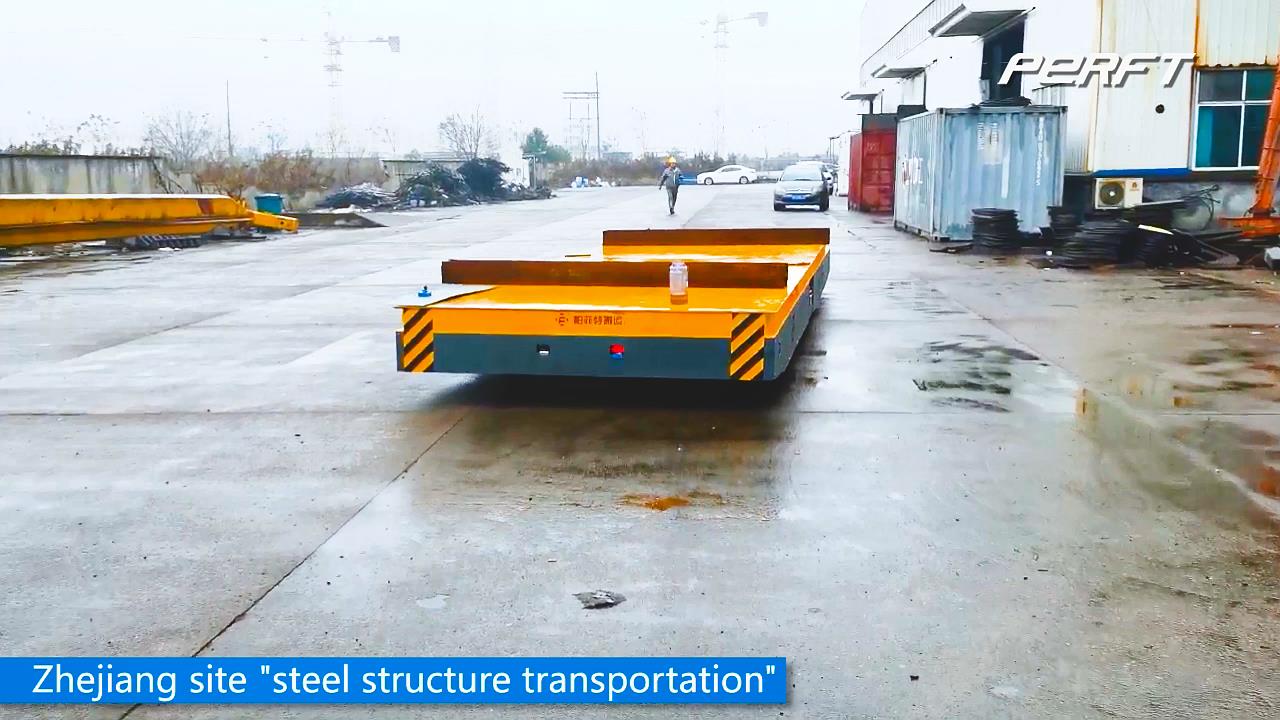
They are widely used in manufacturing workshops for transporting heavy workpieces, connecting production stations, handling warehouse materials, loading and unloading equipment, and bridging height differences between platforms or production lines.
Compared with conventional rail transfer carts, hydraulic lifting models can easily align with equipment at different heights, improving workflow efficiency while maintaining the advantages of high load capacity, operational stability, and safe transportation. As a result, they play an important role in modern automated manufacturing facilities.
Cable Reel Design for Hydraulic Lifting Rail Transfer Carts
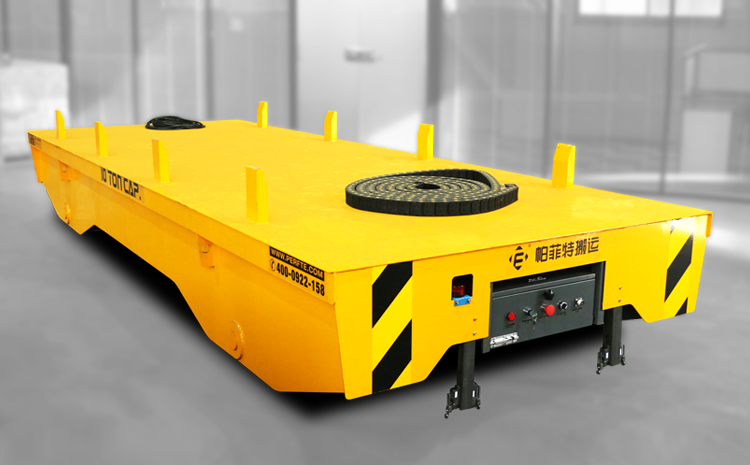
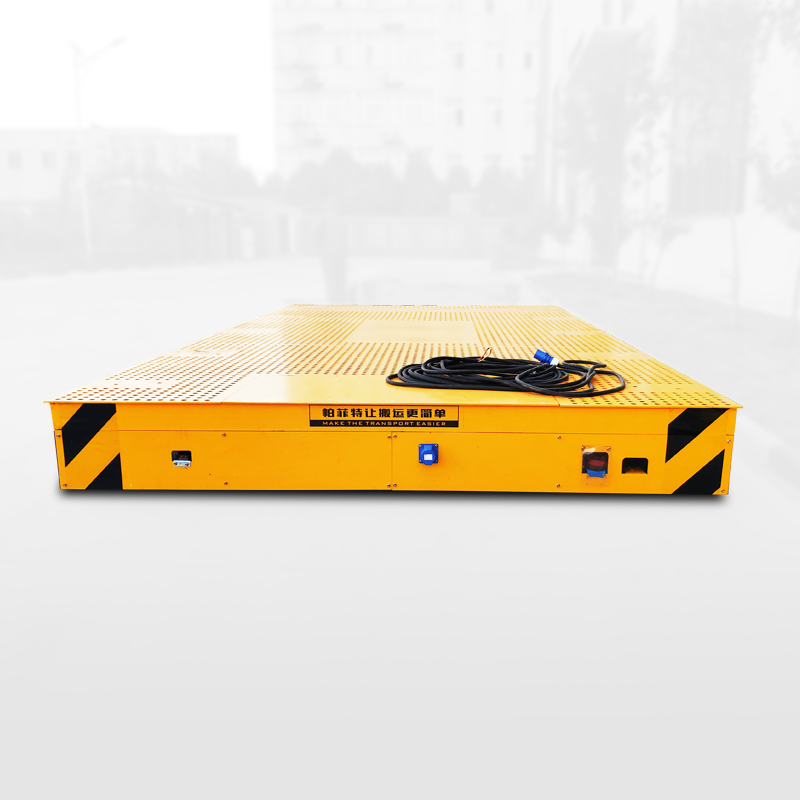
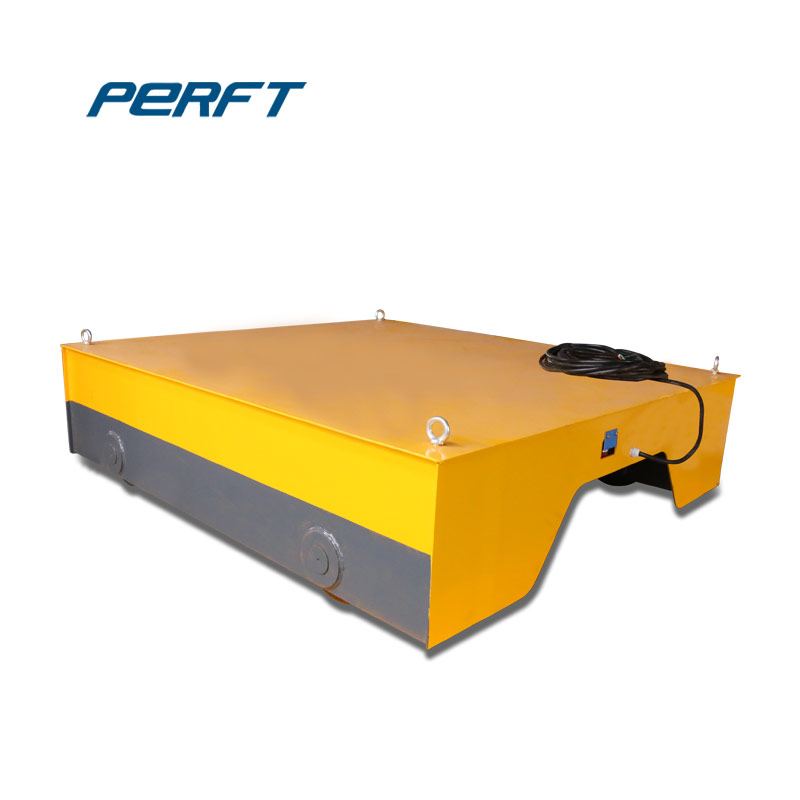
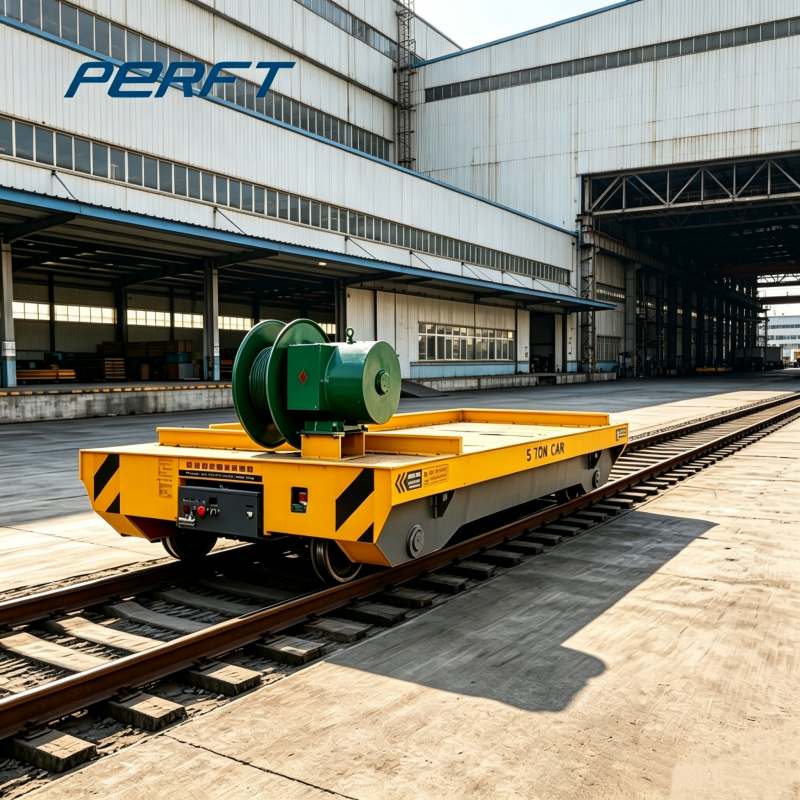
Hydraulic lifting rail transfer carts are commonly used on long-distance rail routes. Depending on the load capacity, travel distance, and power requirements, an appropriate cable reel system must be selected to ensure reliable power transmission and orderly cable management.
Cable Reel Design for Small-Capacity Carts
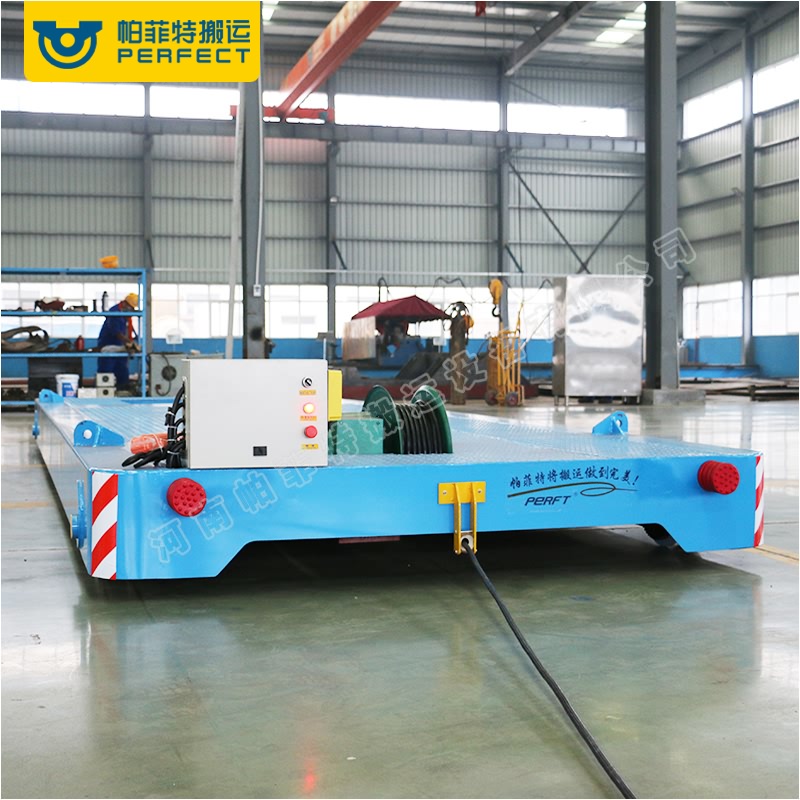
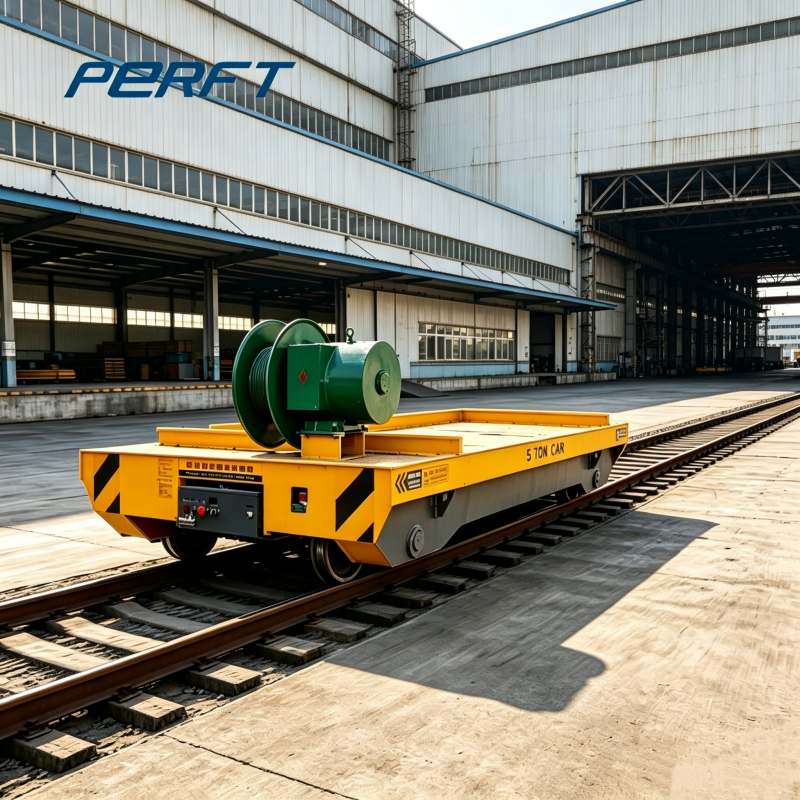
Smaller lifting rail transfer carts are typically equipped with narrow cable reels. The reel width is generally about six times the cable diameter. When sufficient distance is maintained between the cable guide rollers and the reel shaft, no additional cable guiding device is required.
Instead, spiral grooves on the reel surface guide the cable during winding. Because the cable enters the reel at a relatively small angle, it can be wound neatly layer by layer, providing stable power for daily operation while minimizing cable wear.
Cable Reel Design for Large-Capacity Carts
Large hydraulic lifting rail transfer carts usually travel longer distances and require greater electrical power. These machines use larger-diameter, heavy-duty power cables to meet higher energy demands.
To prevent cable twisting, compression, or excessive wear, they are fitted with wide cable reels and professional cable guiding systems. This combination ensures smooth cable winding and unwinding, extends cable service life, and guarantees reliable power supply during continuous operation.
Structural Design Considerations
Cable reels are available in both single-support and double-support configurations, while drive shafts can be designed with either single-shaft or dual-shaft arrangements according to the mechanical load requirements.
During vehicle design, the cable winding radius is one of the most important engineering parameters. It must be carefully coordinated with the chassis layout, drive system, and available installation space. At the same time, the electrical transmission system should be optimized to deliver stable and safe power throughout the entire vehicle.
Best Practices for Battery Use and Maintenance
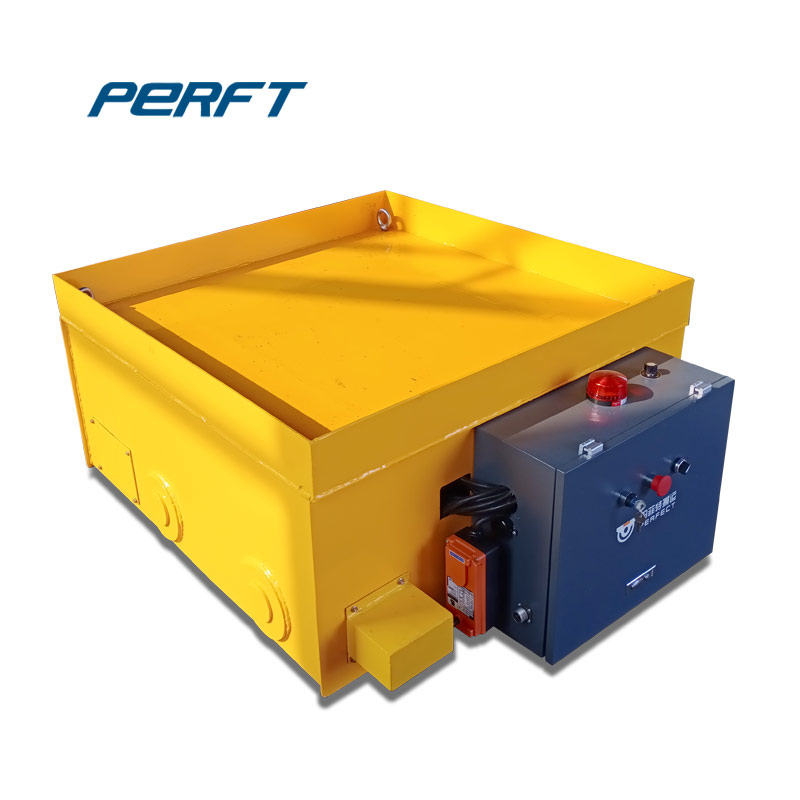
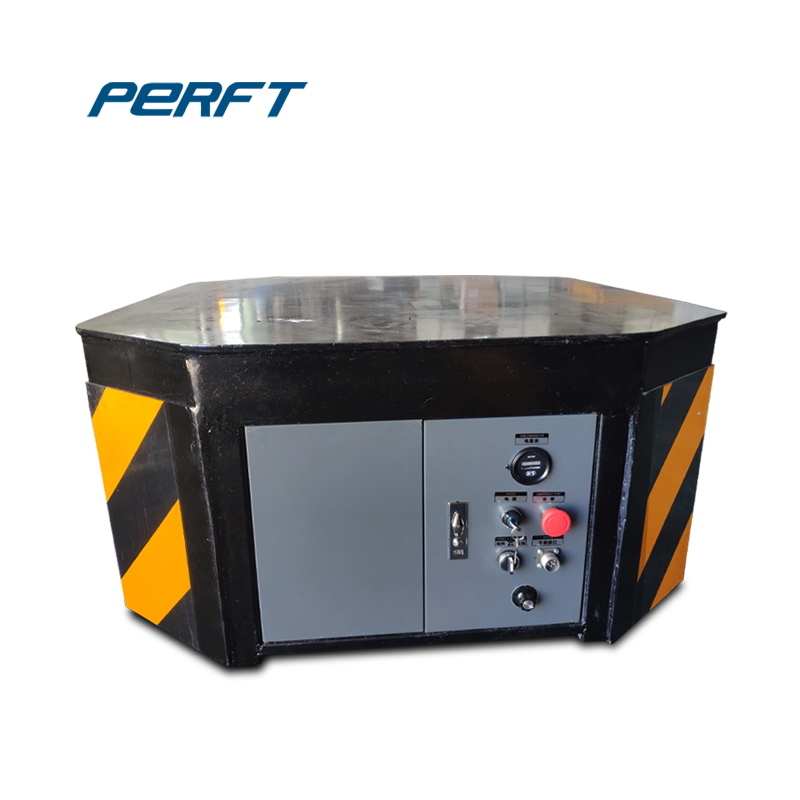
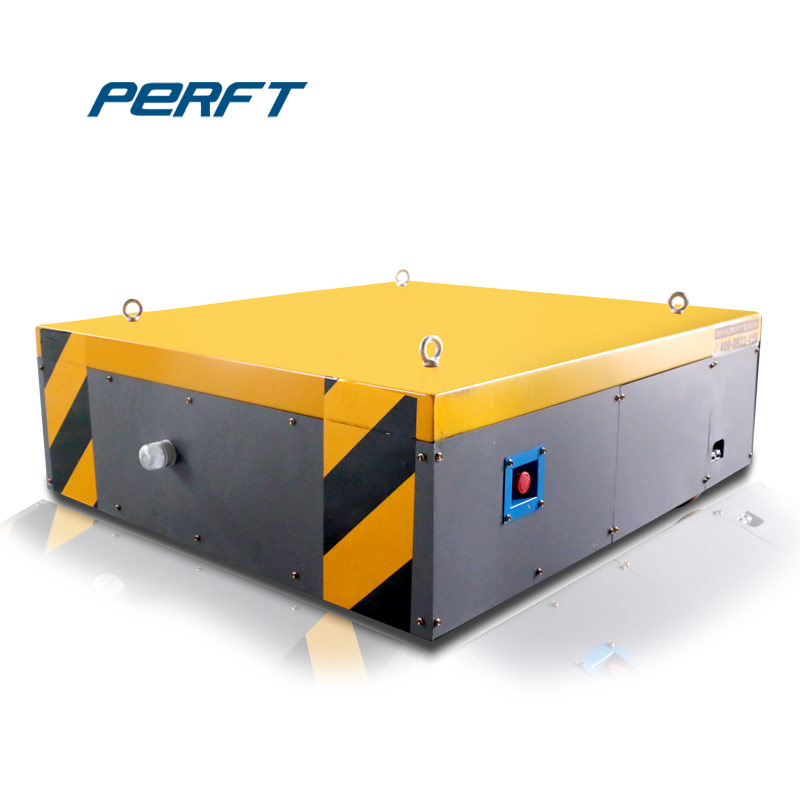
Most modern hydraulic lifting rail transfer carts are powered by high-performance rechargeable batteries that provide stable, quiet, and environmentally friendly operation.
Unlike older battery technologies that required complete discharge before recharging, today’s batteries should never be deeply discharged. Frequent charging before the battery reaches a critically low level is the most effective way to maximize battery life.
Based on battery performance testing conducted by our engineering team, the depth of discharge has a direct impact on battery cycle life:
- Recharge after a full discharge: approximately 100–200 charge cycles
- Recharge when 30% battery capacity remains (70% depth of discharge): 300–600 cycles
- Recharge when 50% battery capacity remains (50% depth of discharge): 500–1,000 cycles
- Recharge when 70% battery capacity remains (30% depth of discharge): 1,000–2,000 cycles
These test results clearly demonstrate that shallower discharge significantly increases battery lifespan. The less energy removed during each cycle, the more charging cycles the battery can provide over its service life.
For daily operation, operators should avoid waiting until the battery is completely depleted before charging. Instead, adopt a “charge whenever practical” approach by recharging the battery during breaks or between shifts. This simple maintenance practice can significantly reduce operating costs, extend battery life, and improve the long-term reliability of the hydraulic lifting rail transfer cart.
Contact us today to your specifications!
Henan Perfect Handling Equipment Co., Ltd.
WhatsApp: +86 19337383023
Email: market@perfte.com