How to Inspect Trackless Electric Flat Transfer Carts Before Operation
This article introduces the essential pre-operation inspection checklist for PERFT trackless electric flat transfer carts, covering body, tires, battery, braking, steering, safety devices and no-load trial runs. Standard inspections reduce failures and safety risks. Regular checks and proper maintenance prolong equipment life and improve factory logistics efficiency.
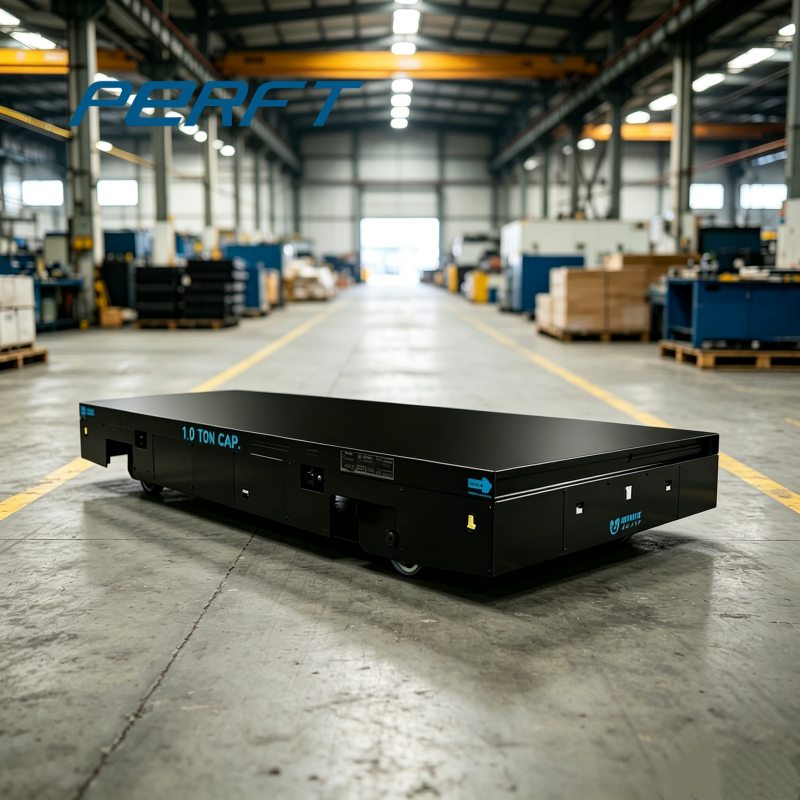
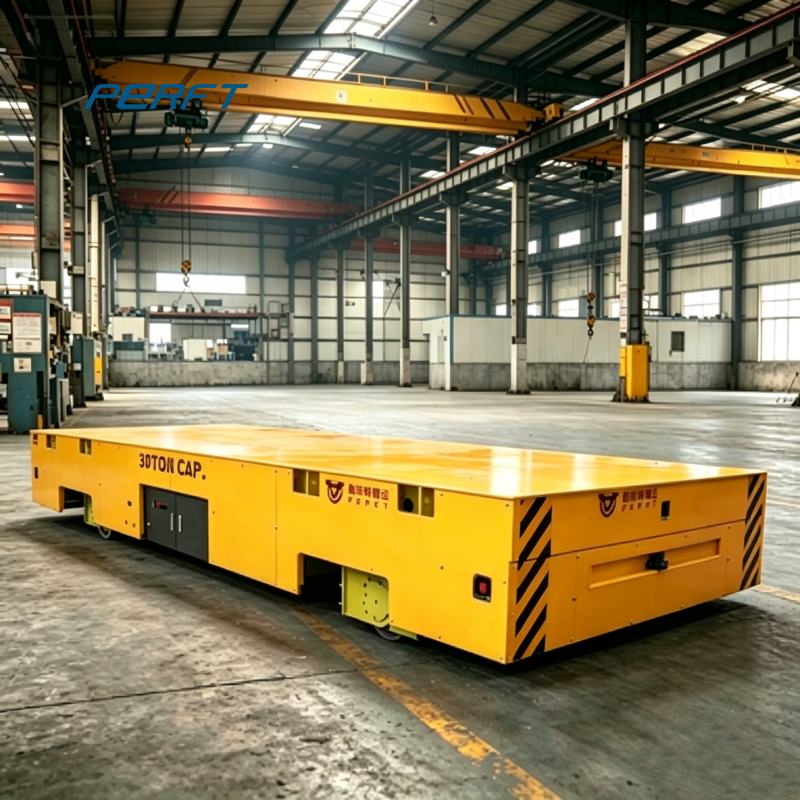
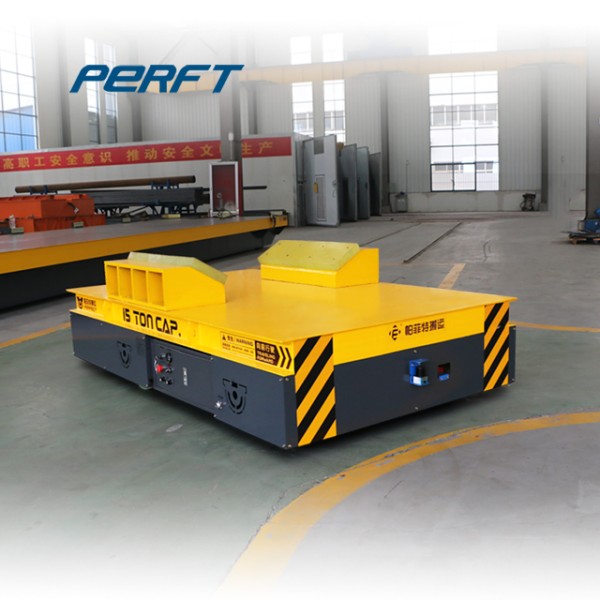
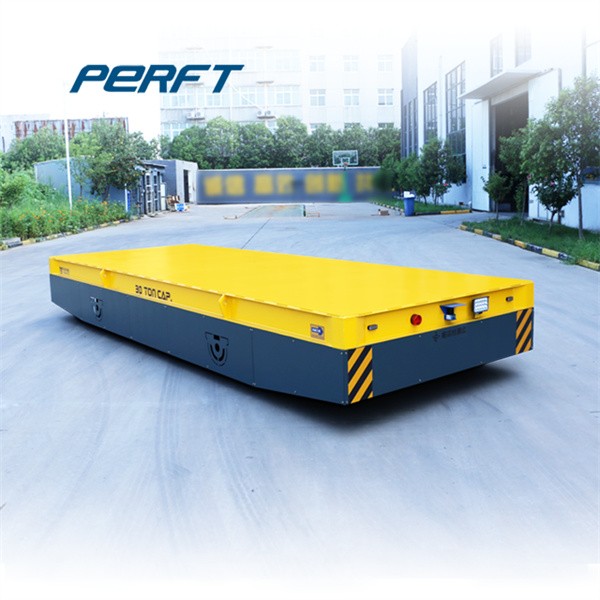
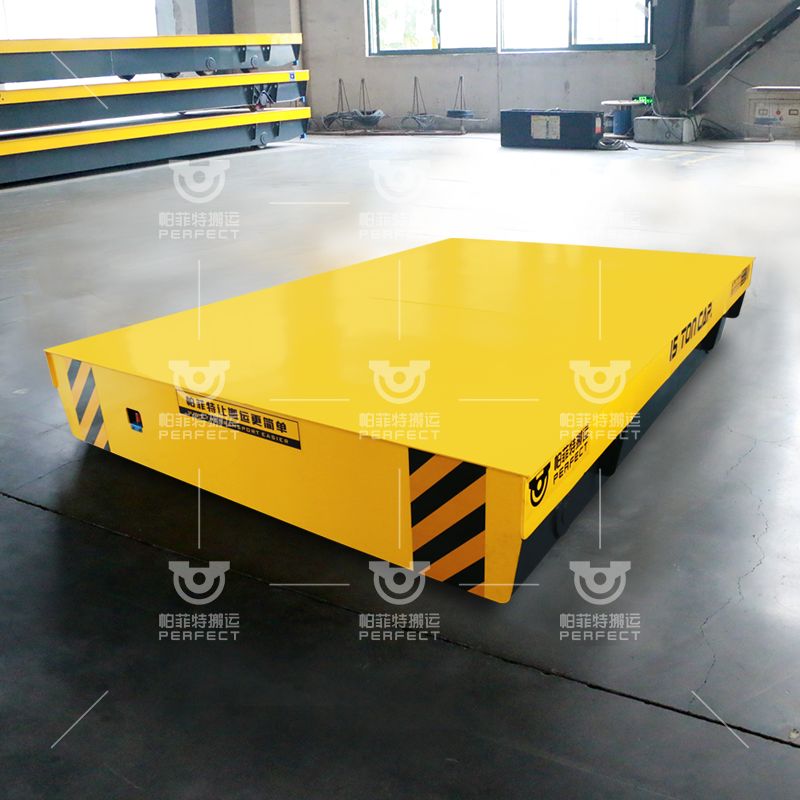
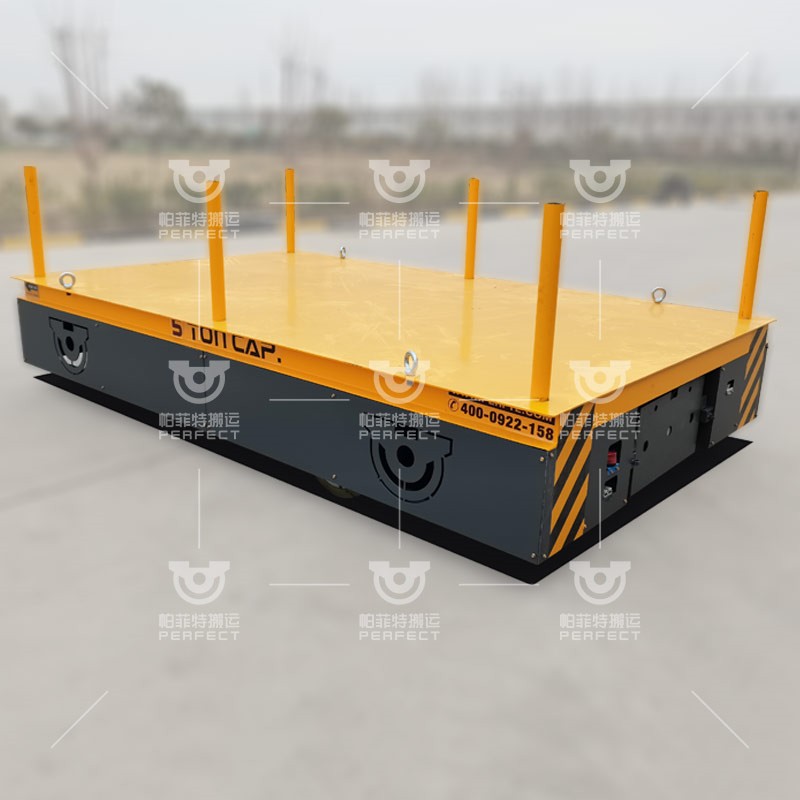
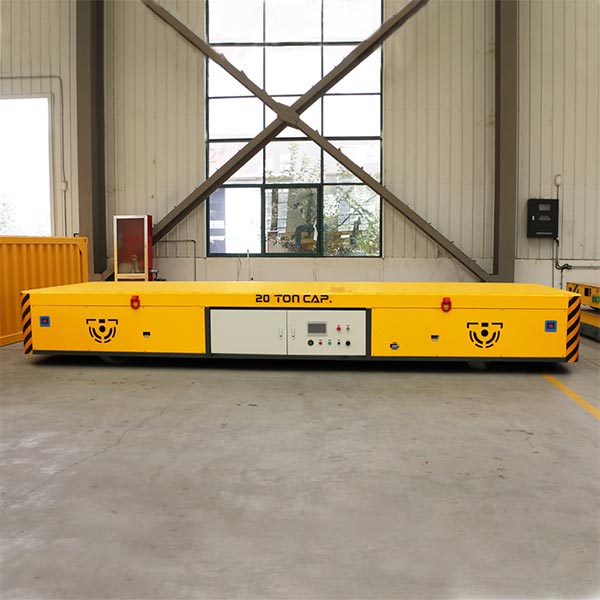
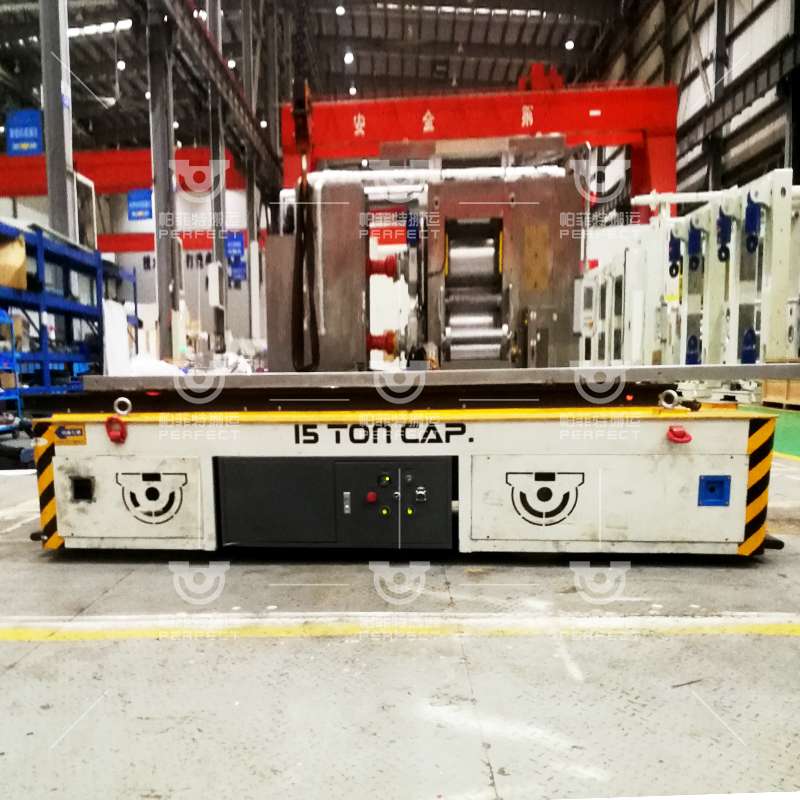
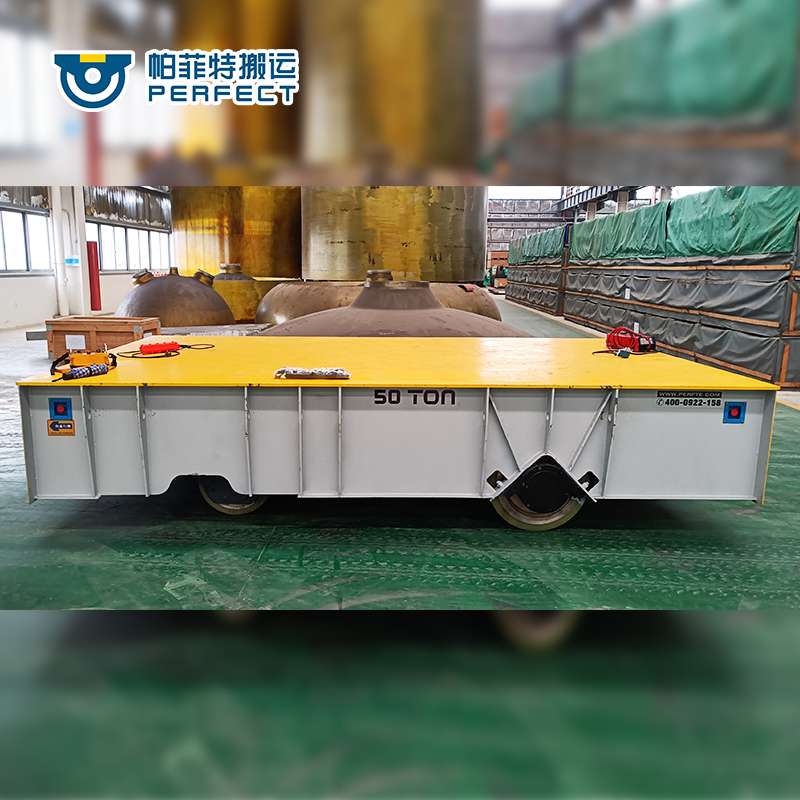
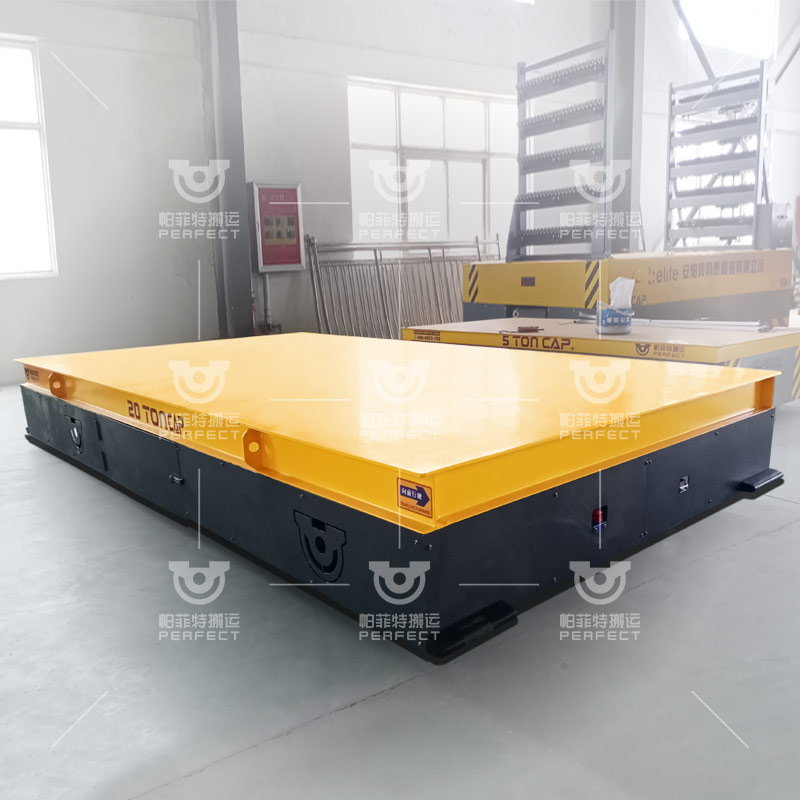
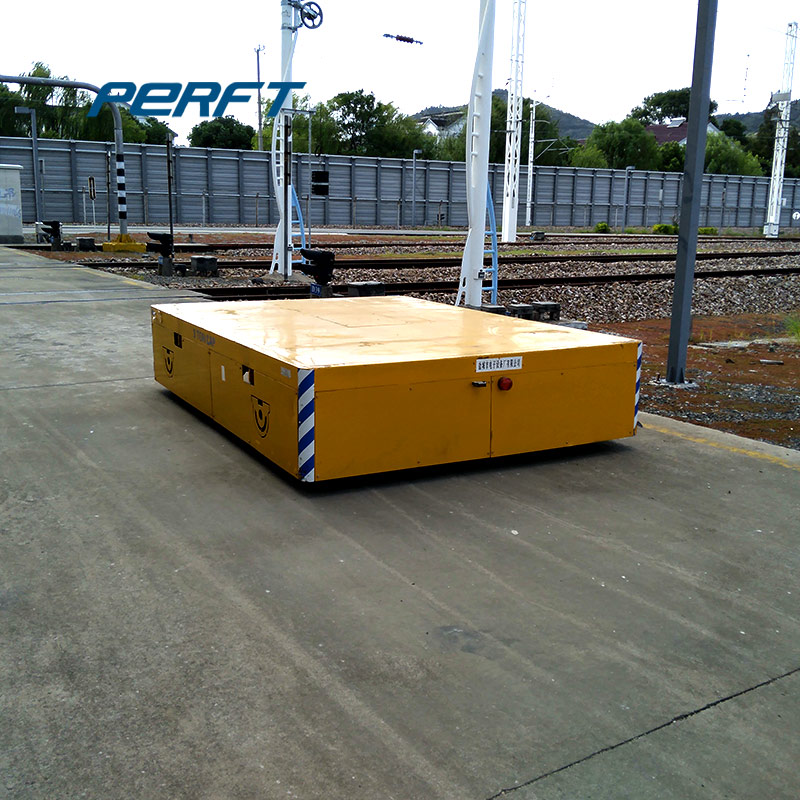
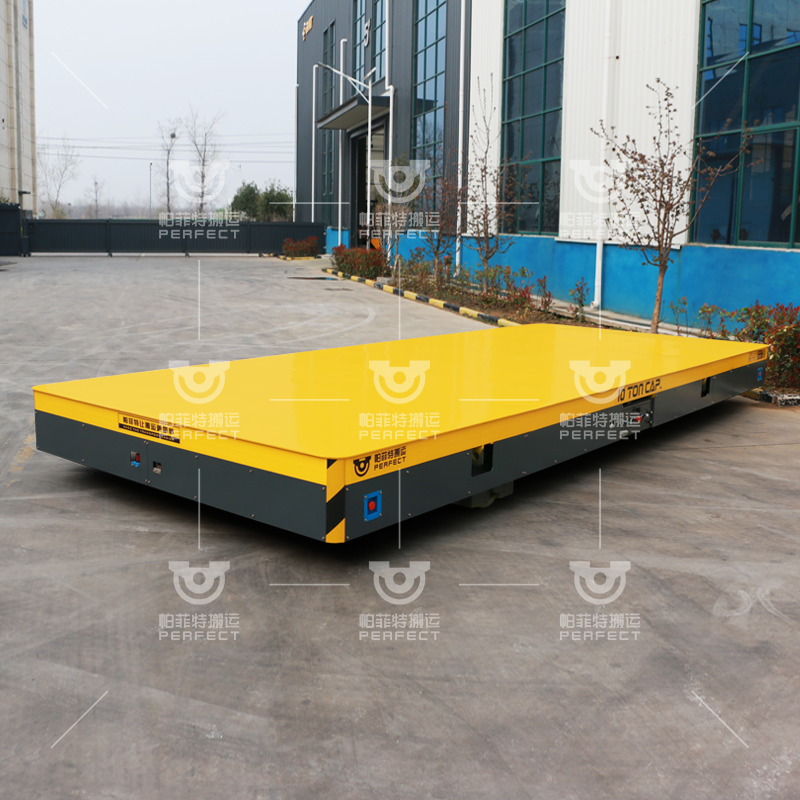
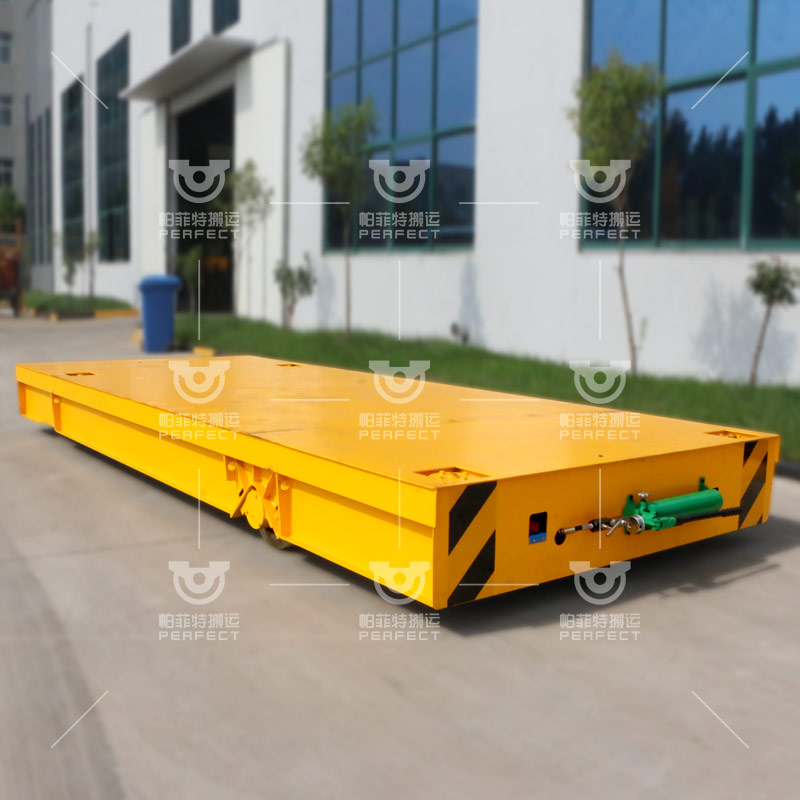
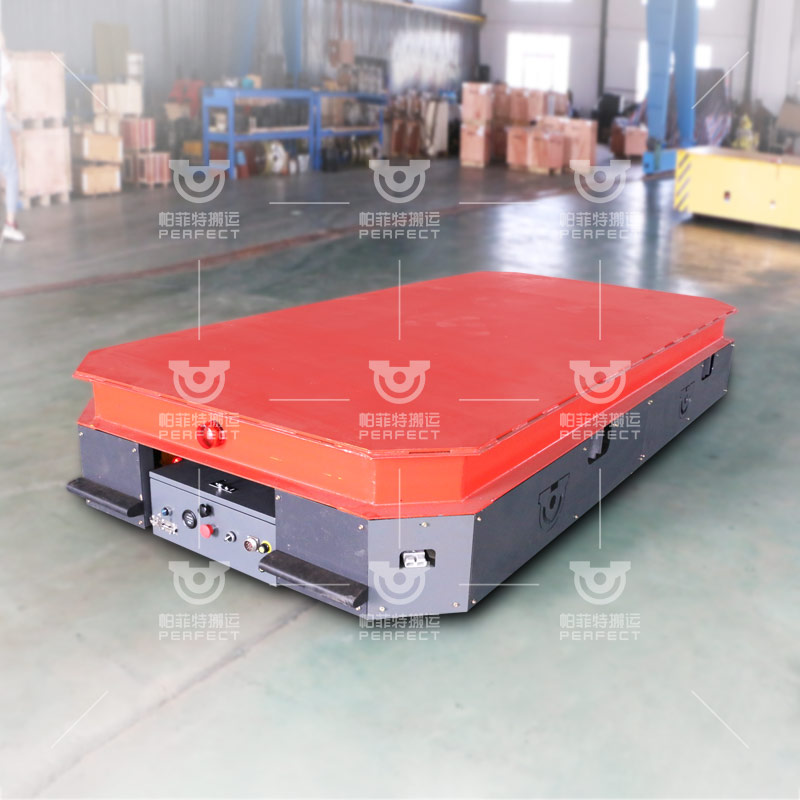
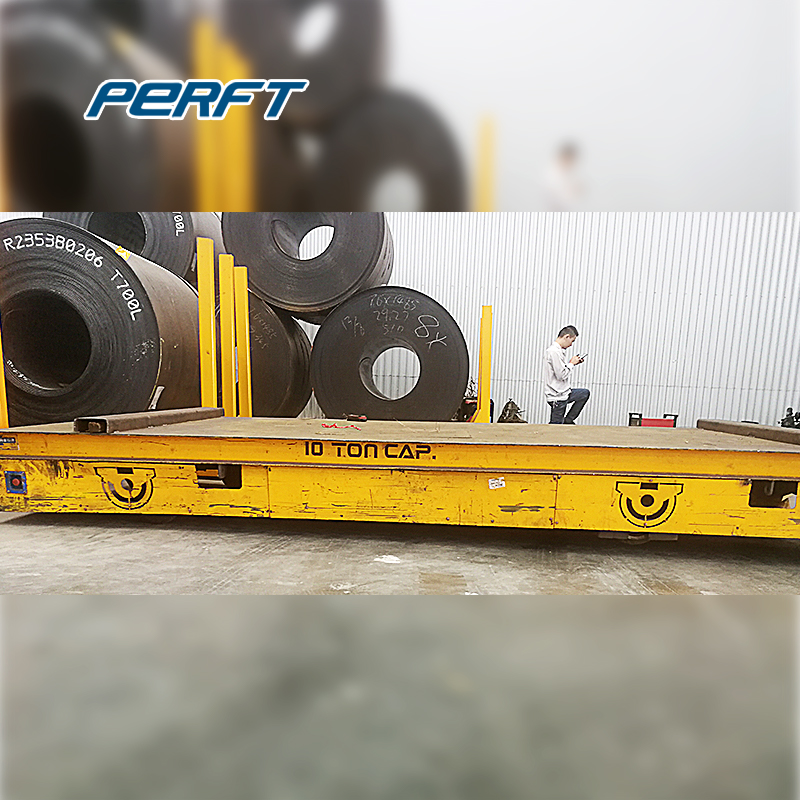
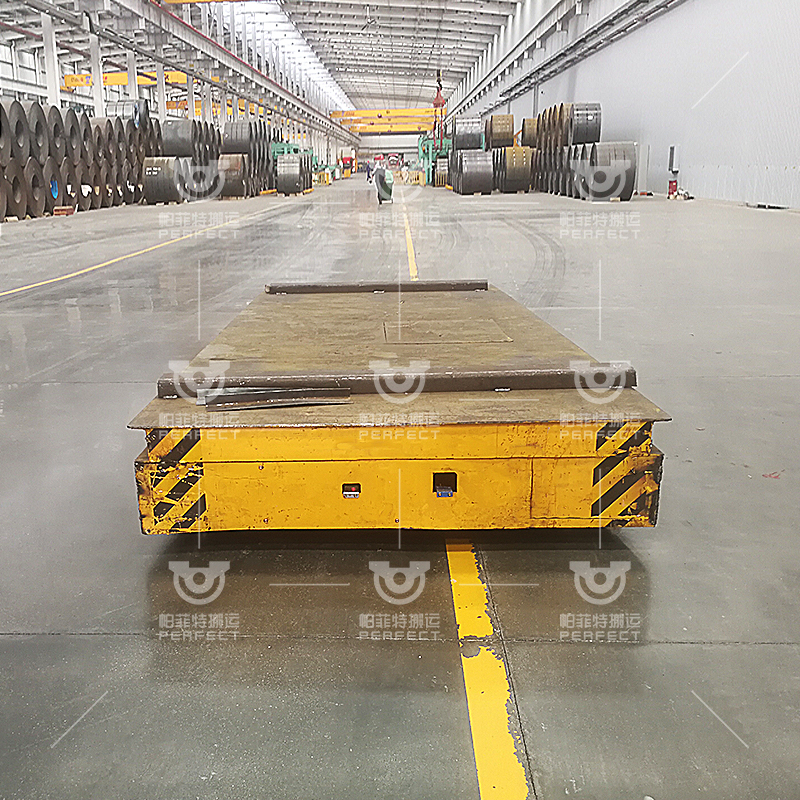
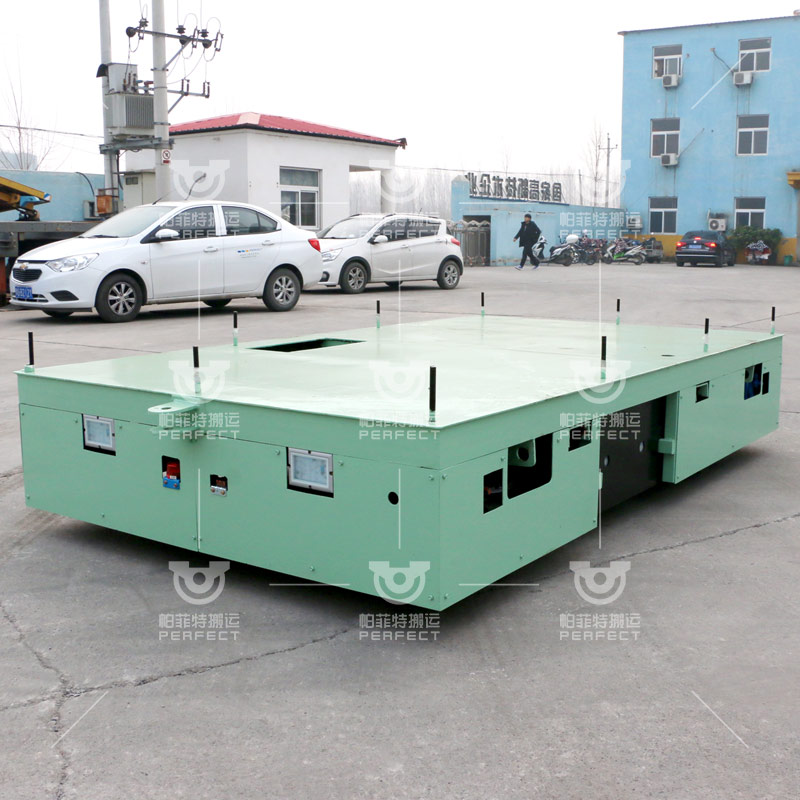
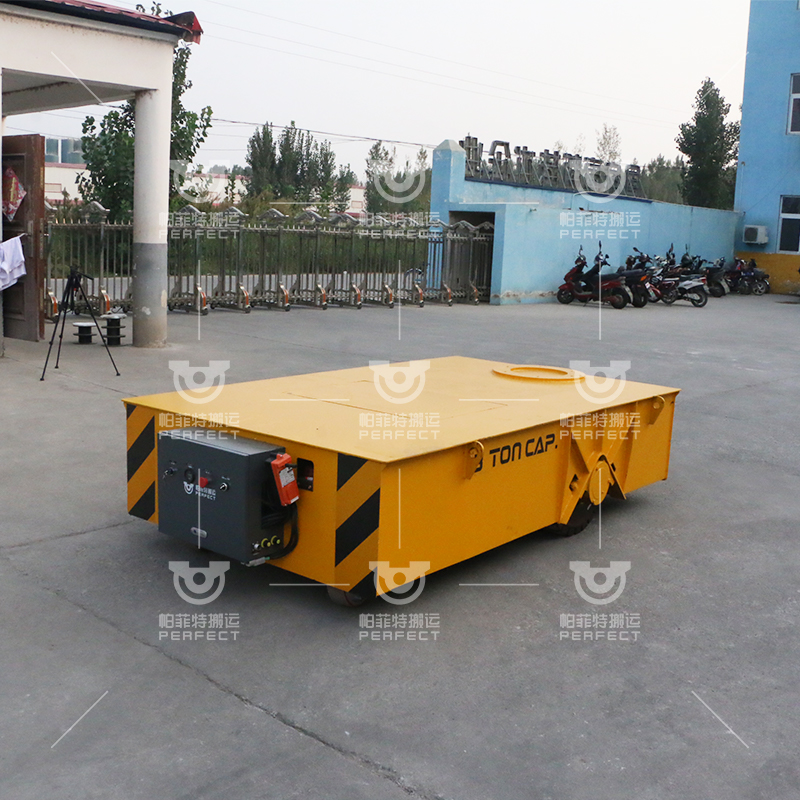
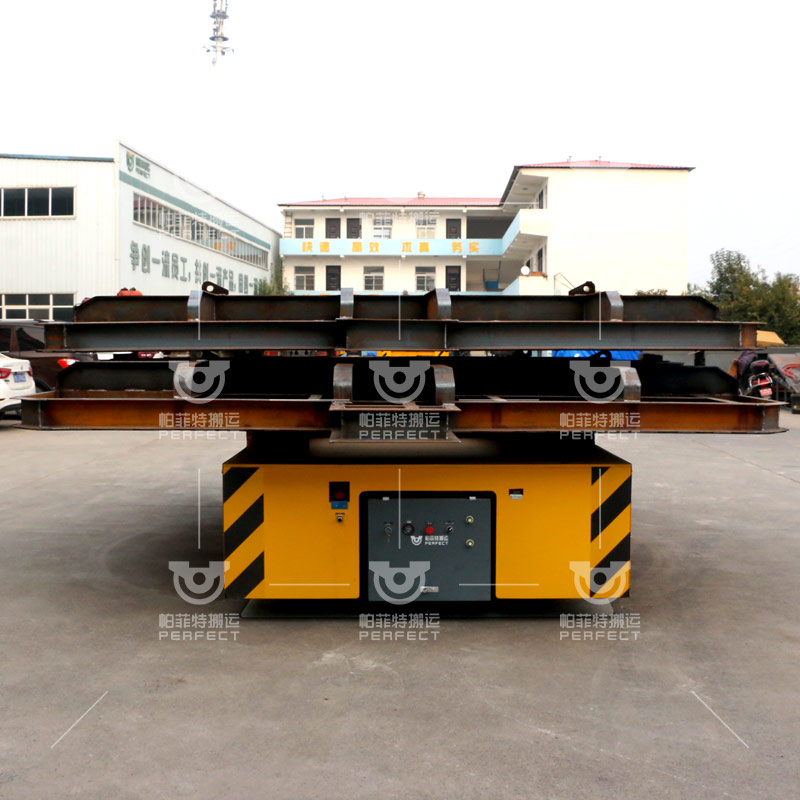
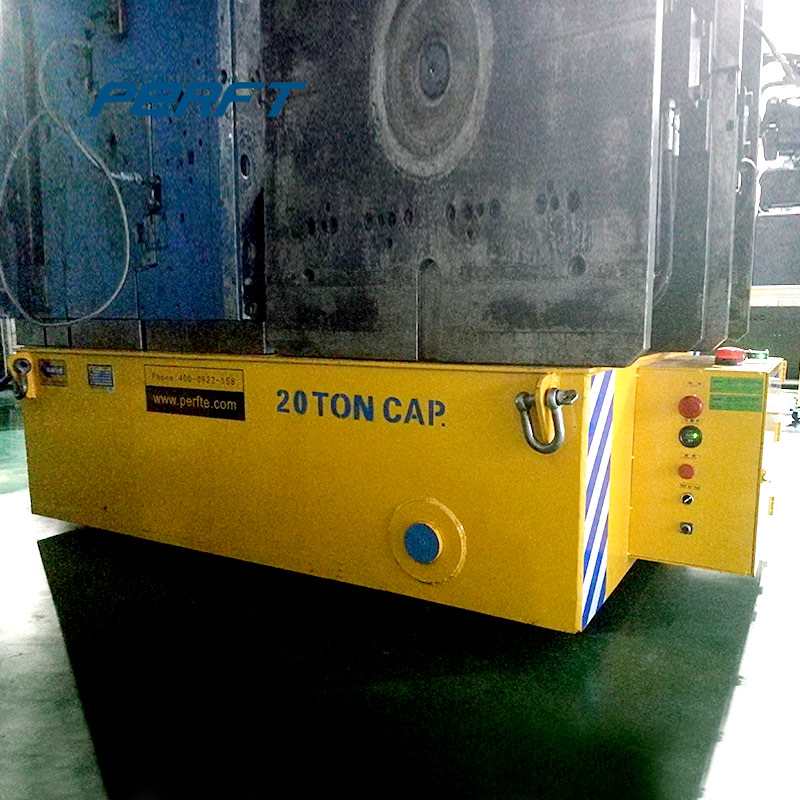
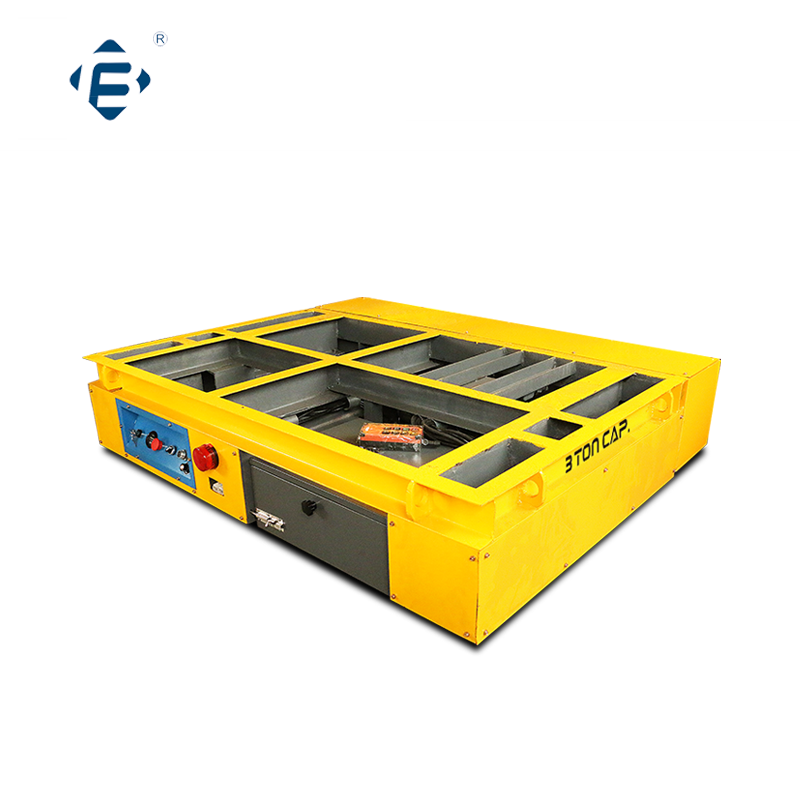
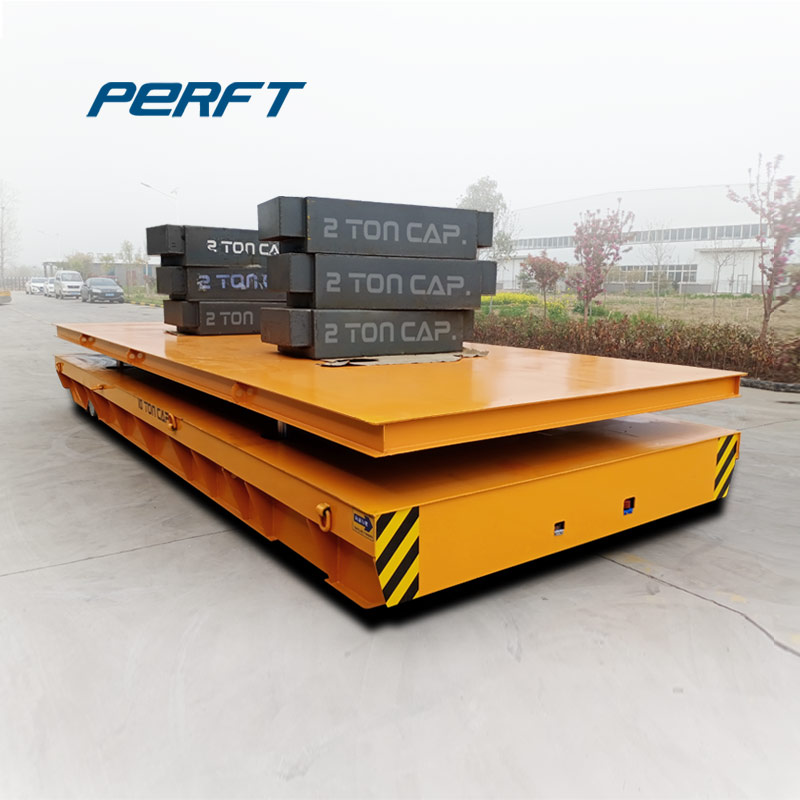
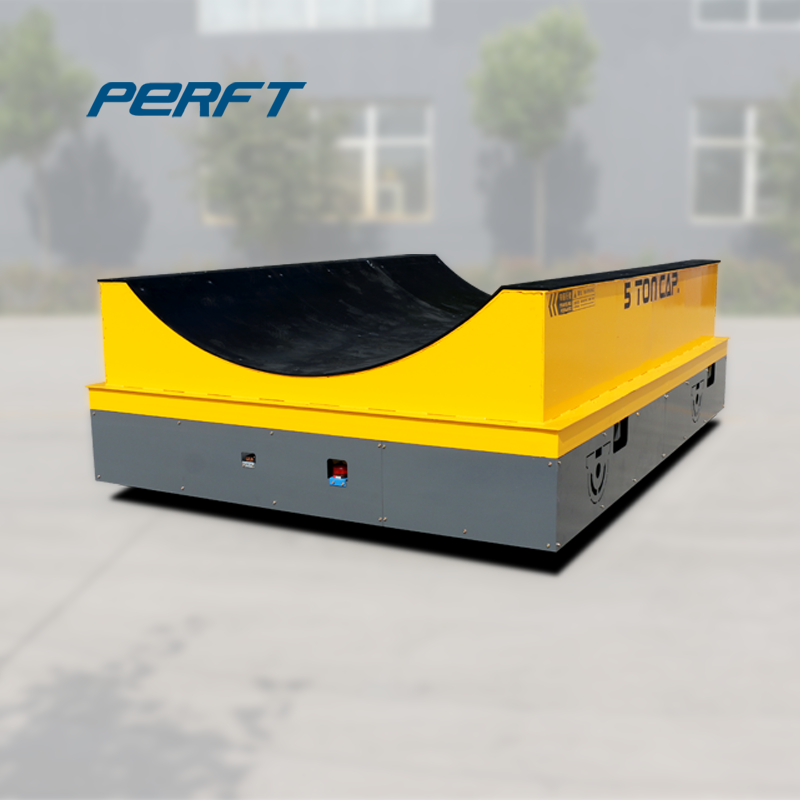
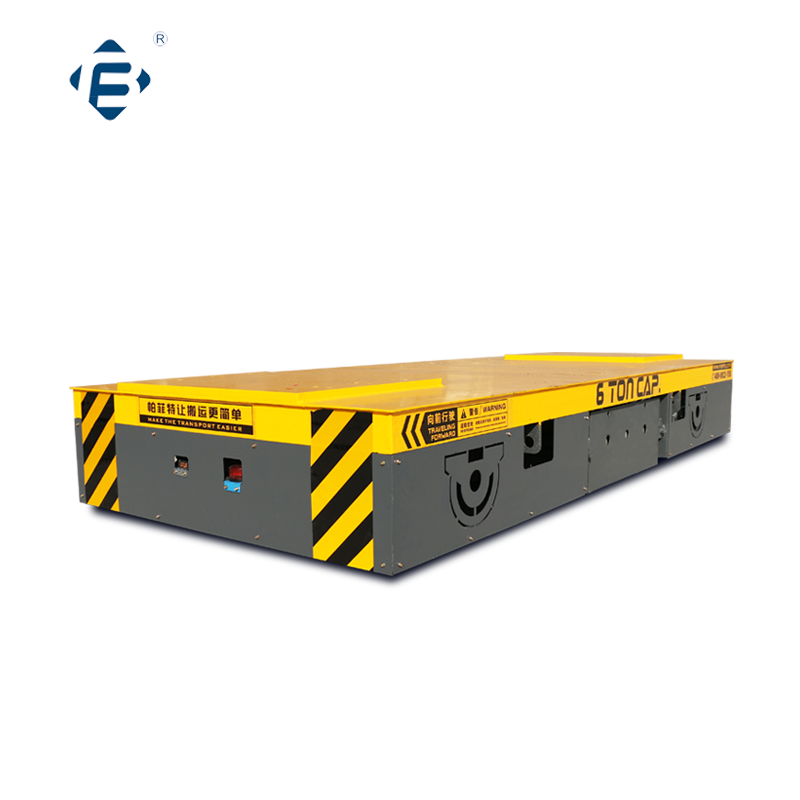
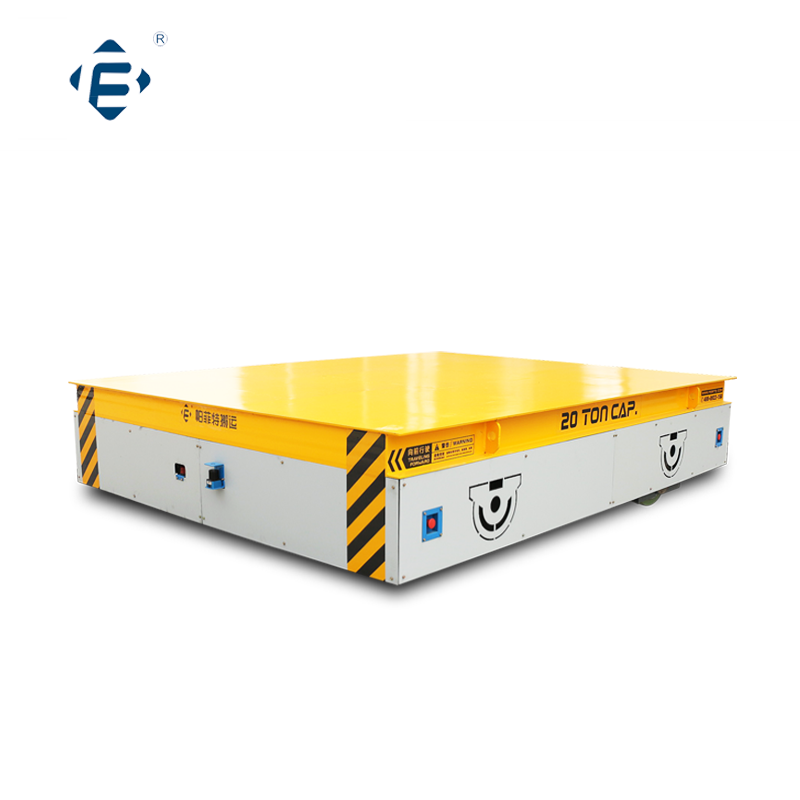
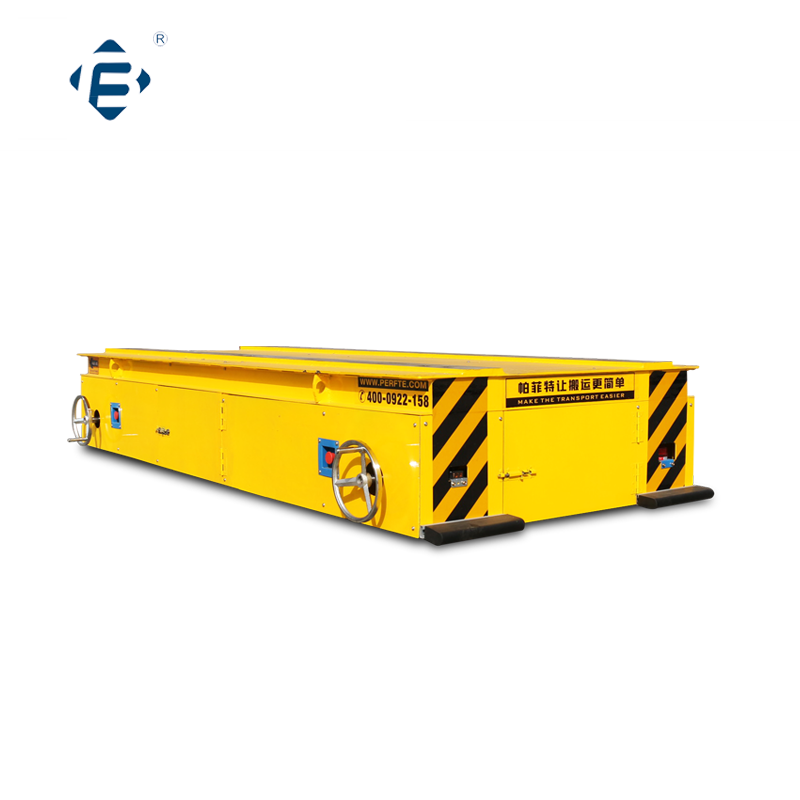
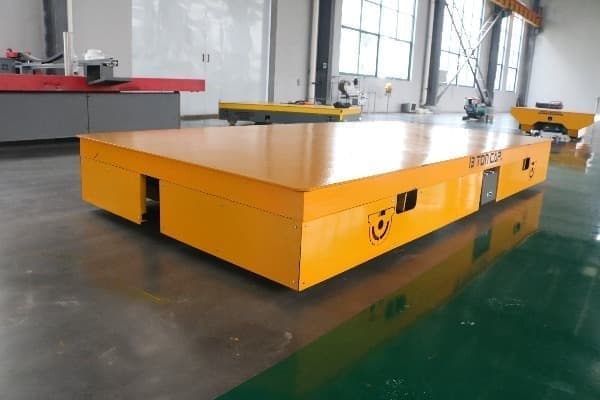
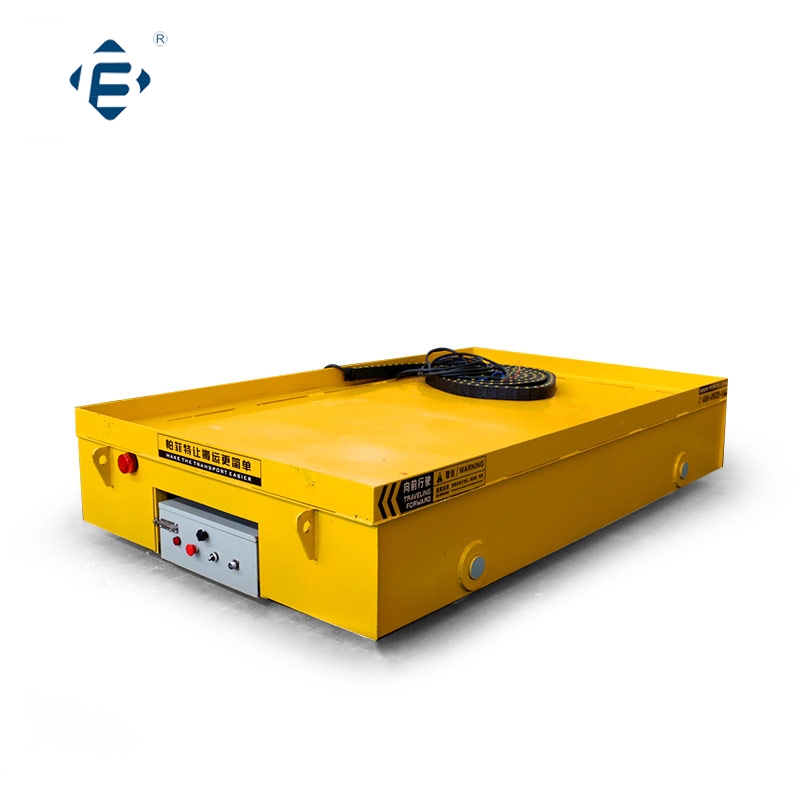
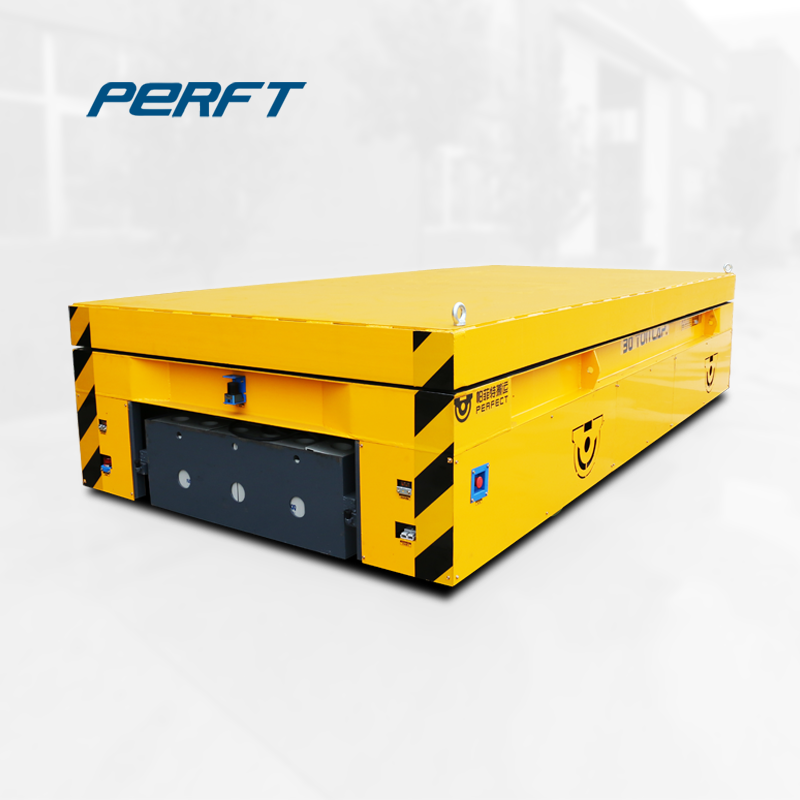
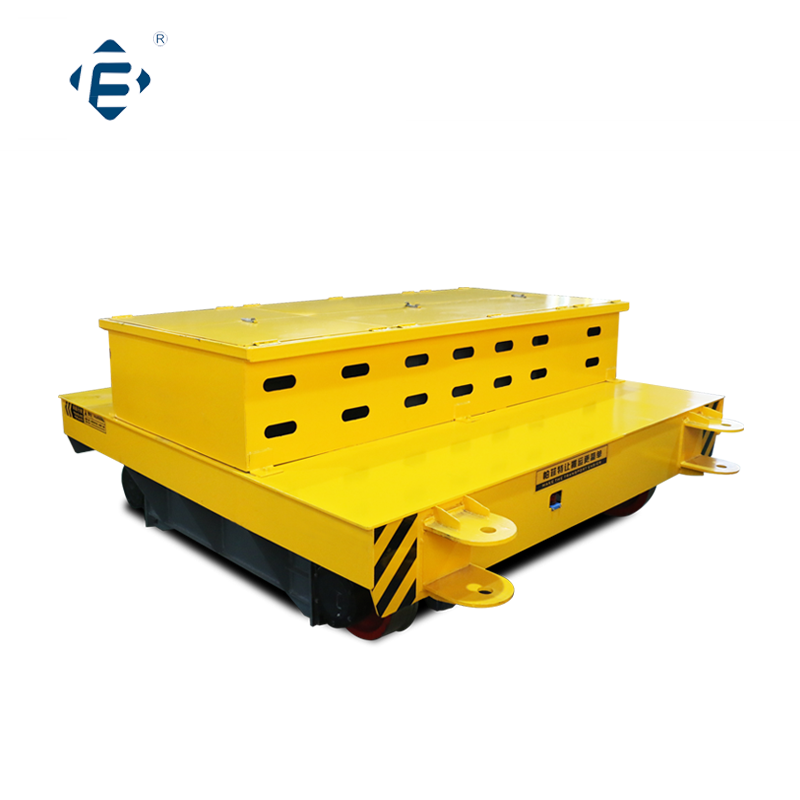
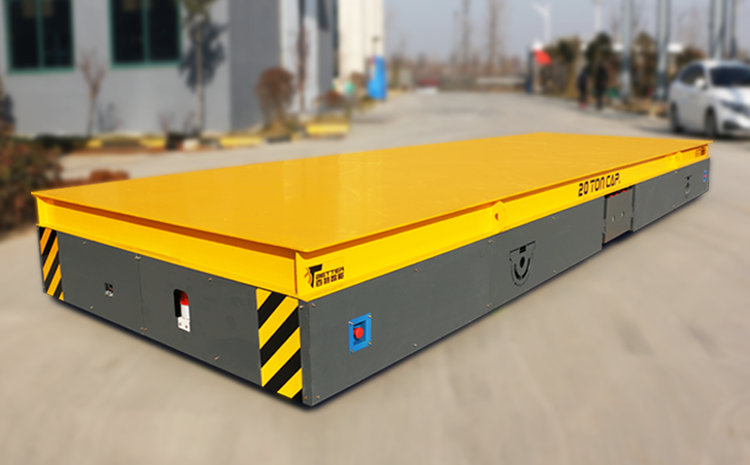
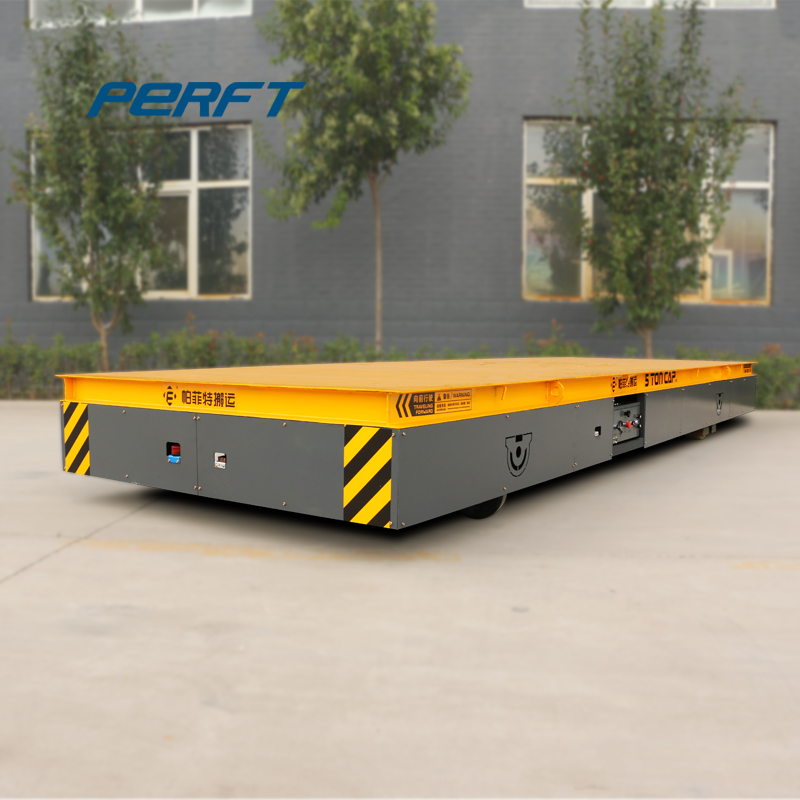
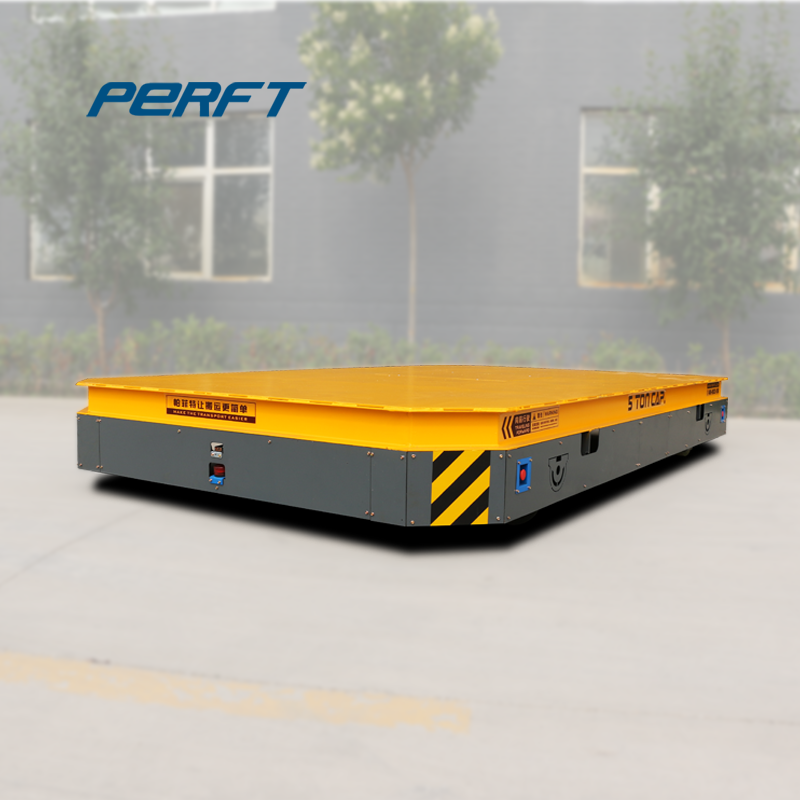
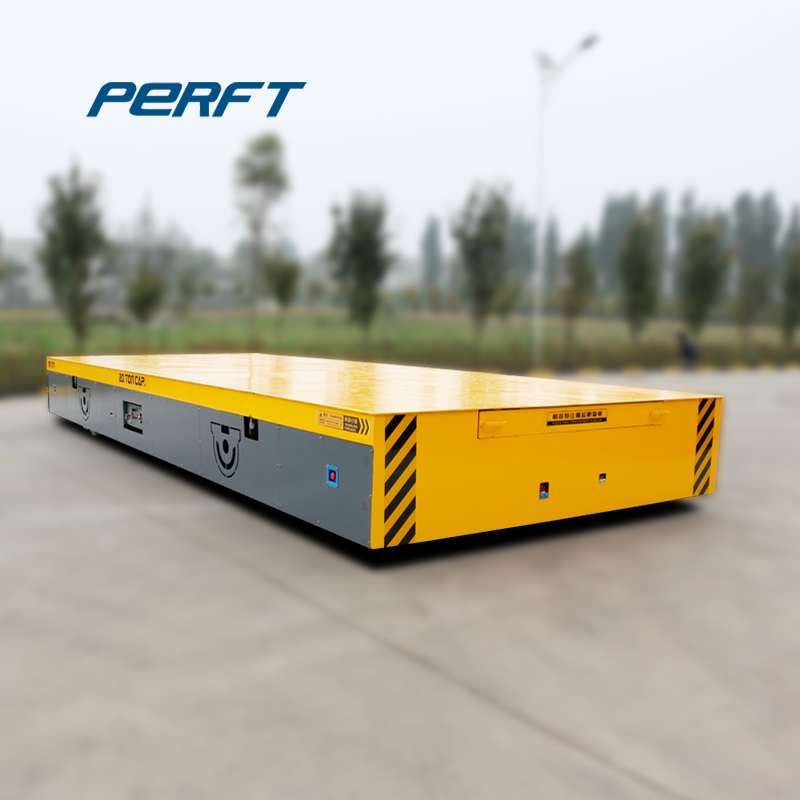
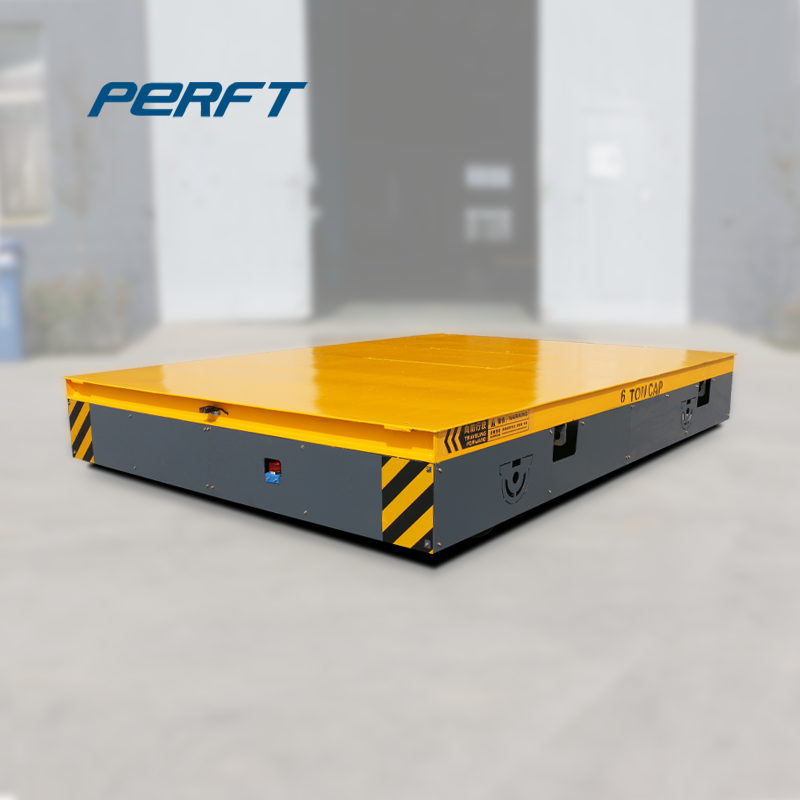
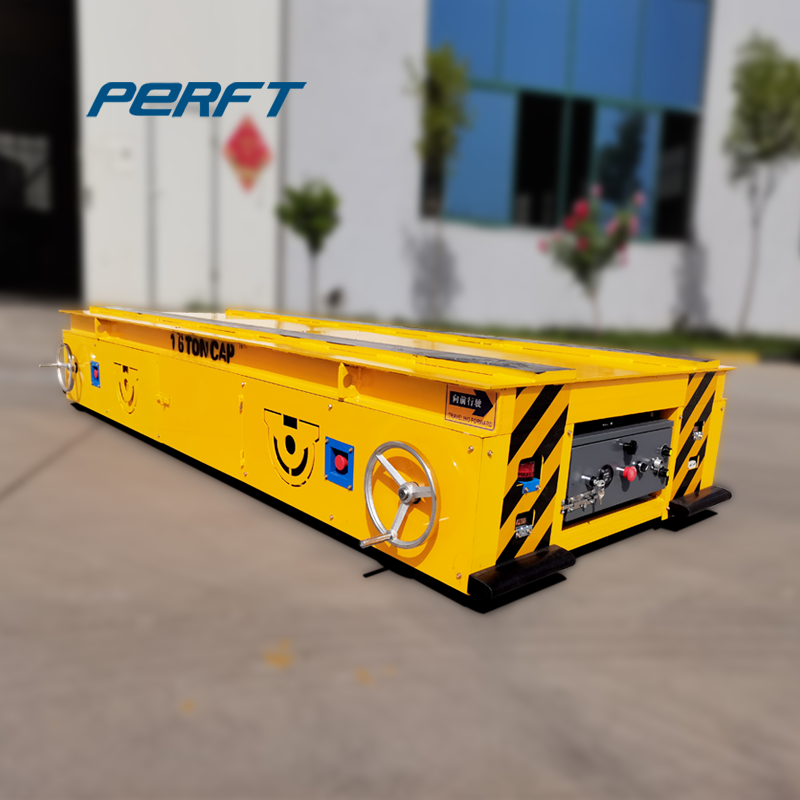
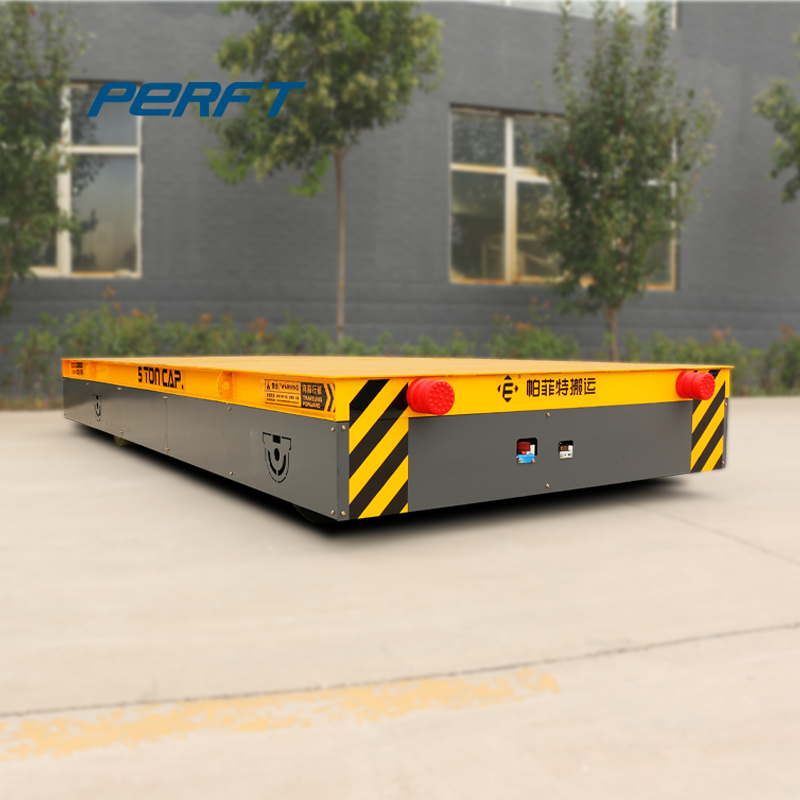
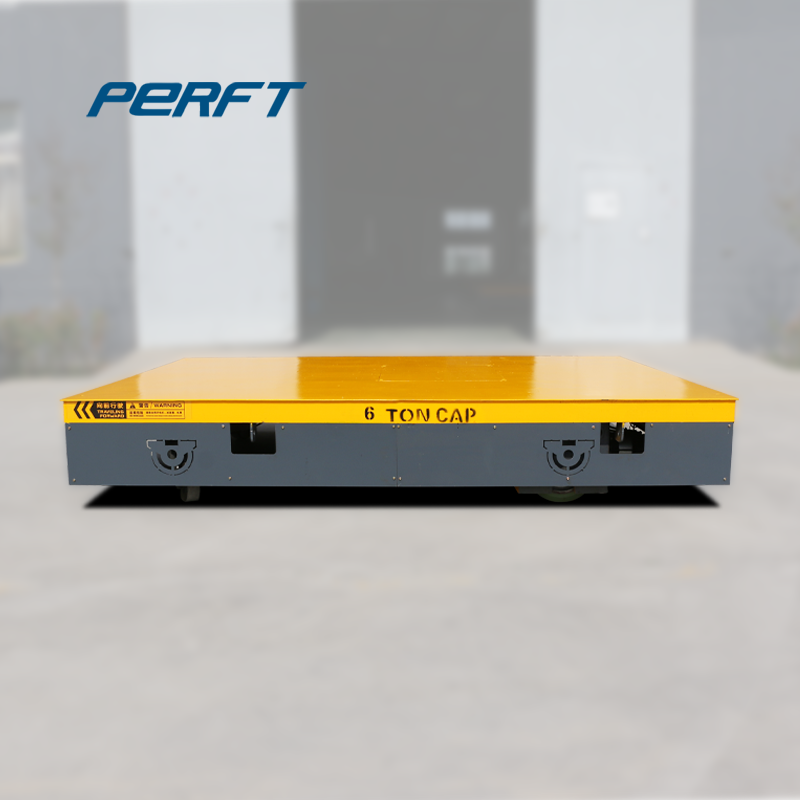
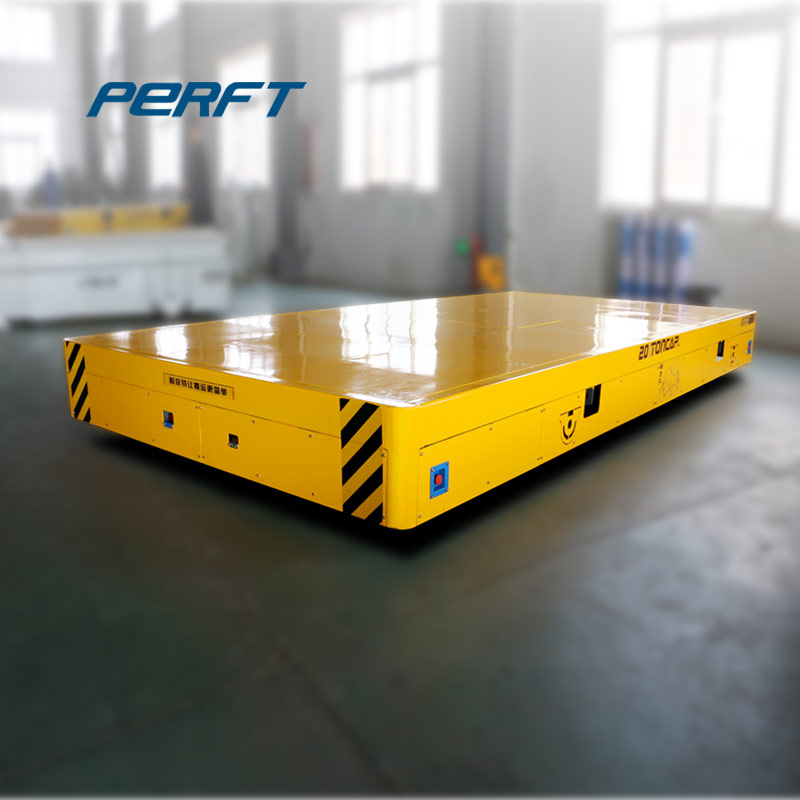
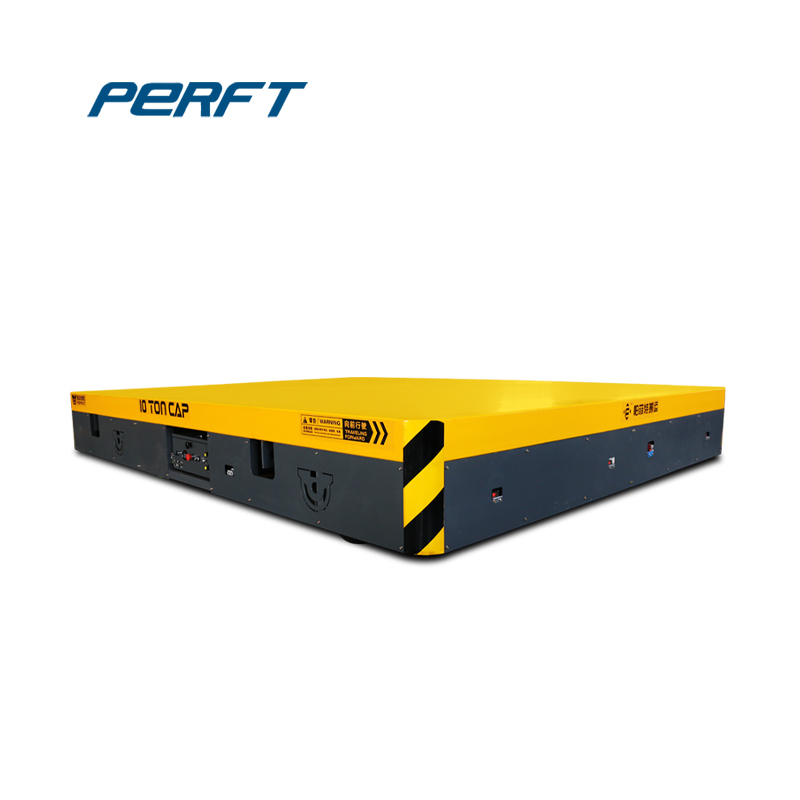
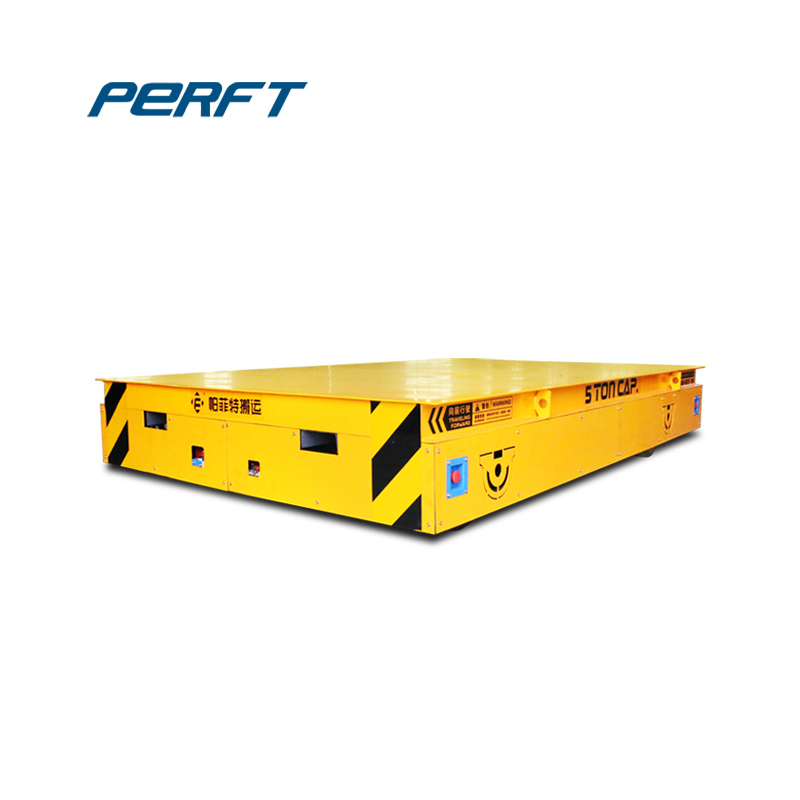
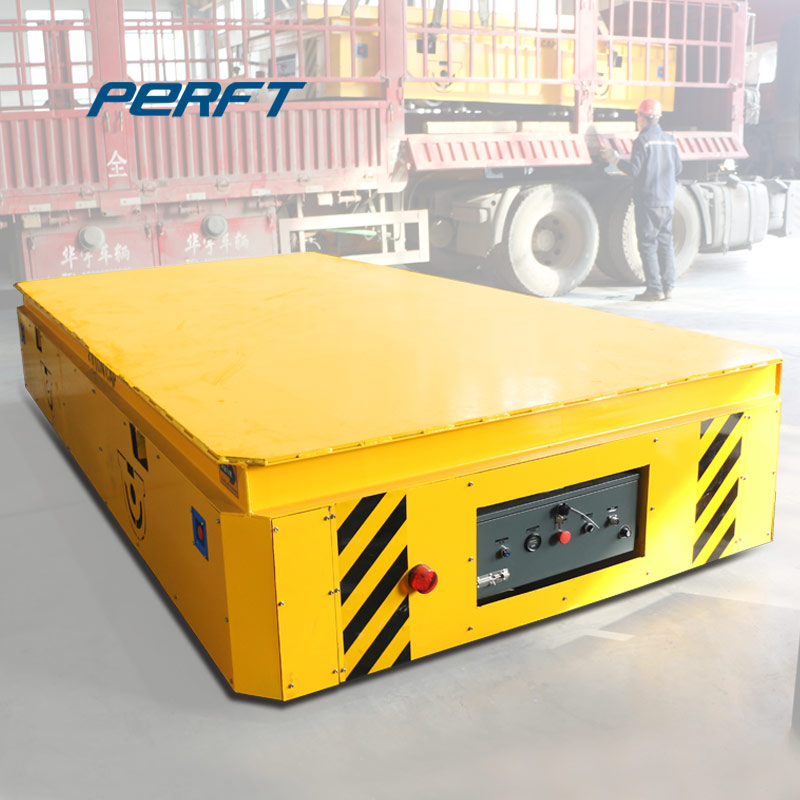
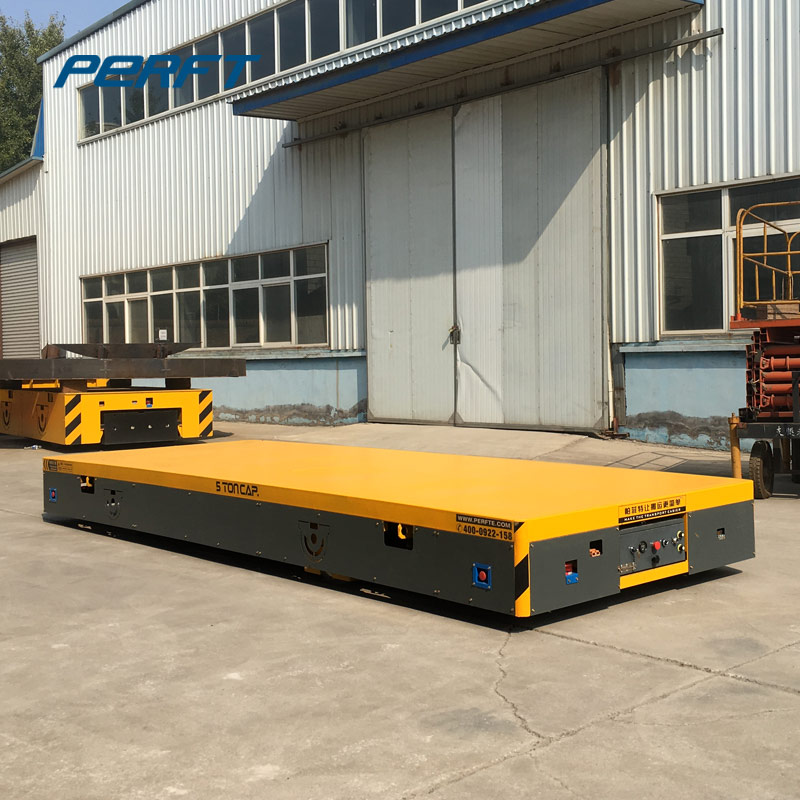
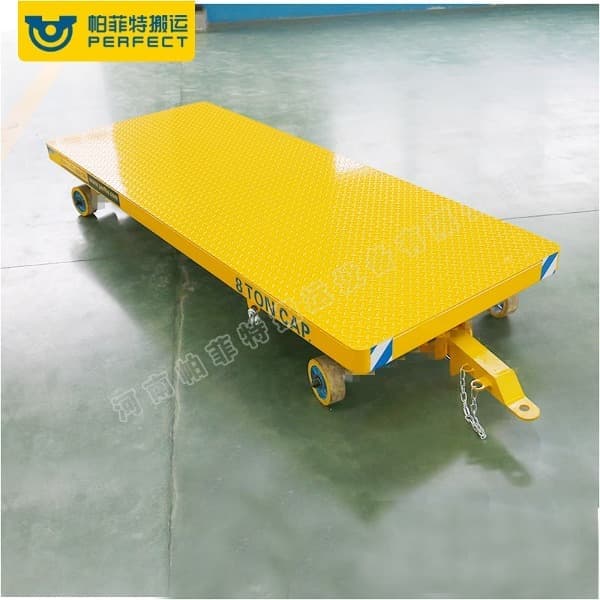
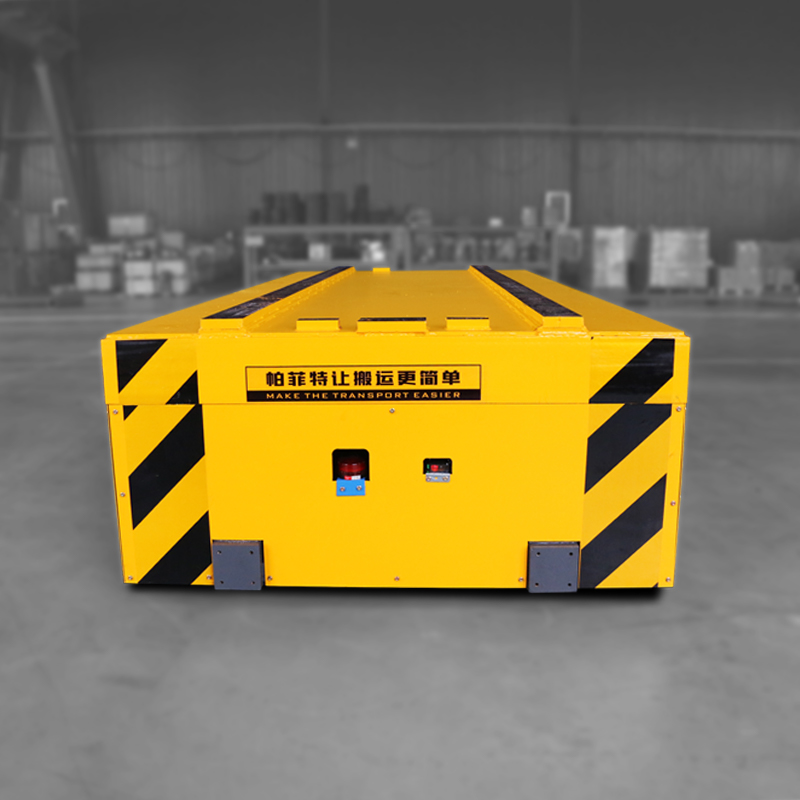
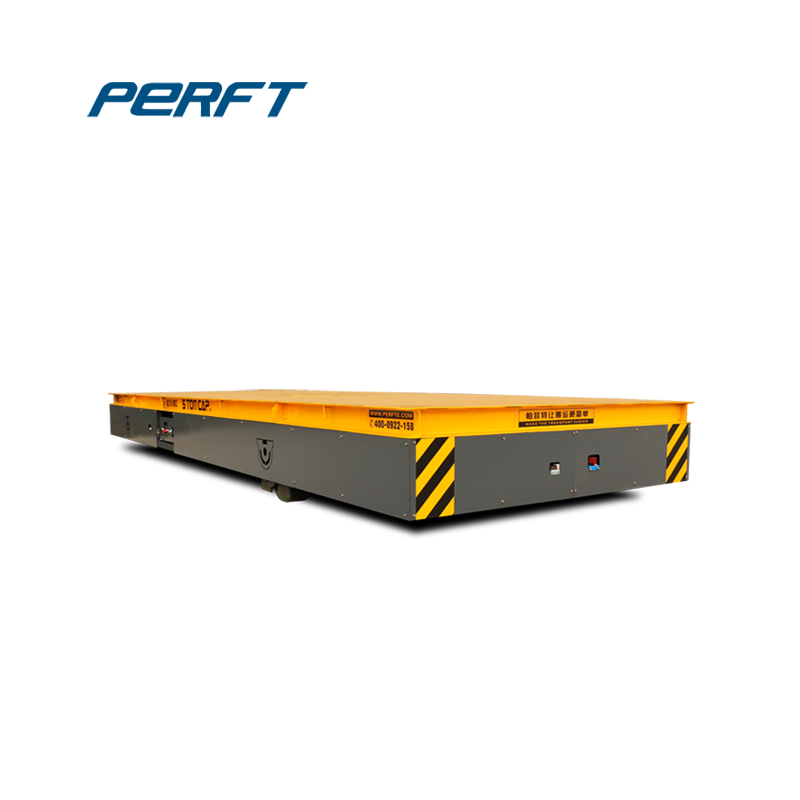
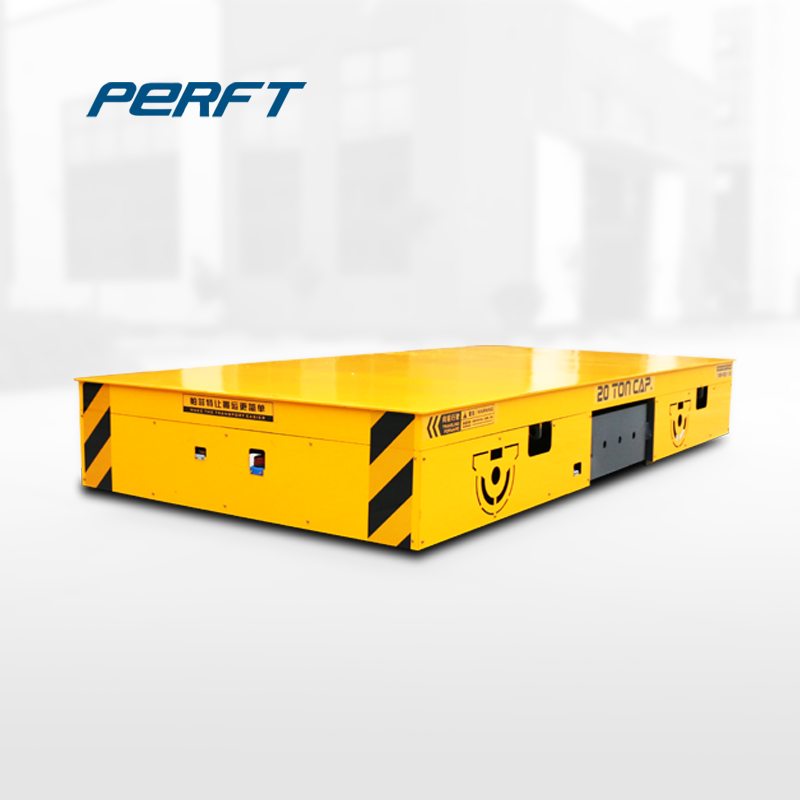
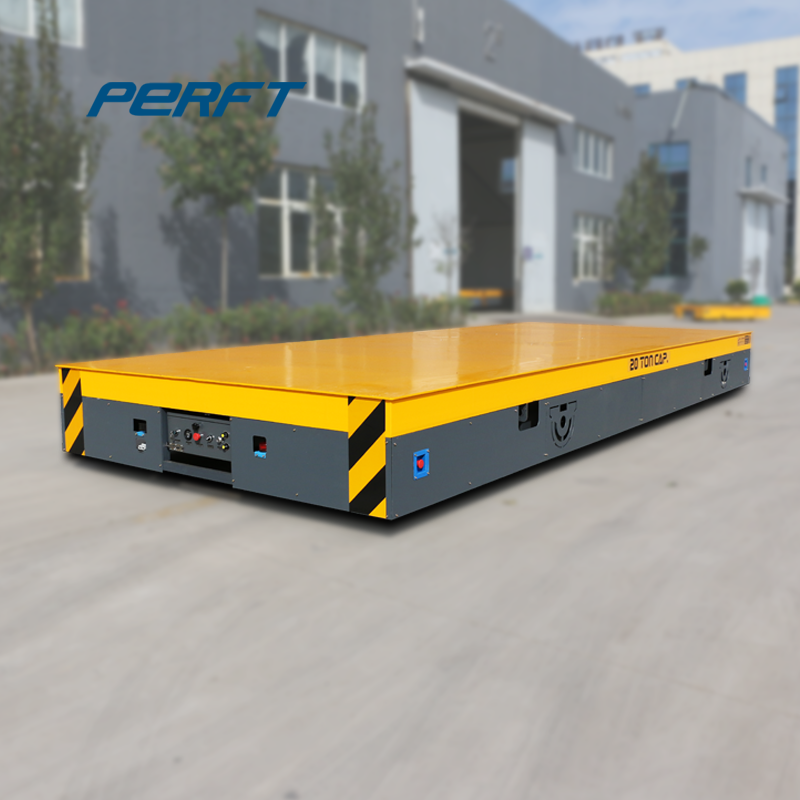
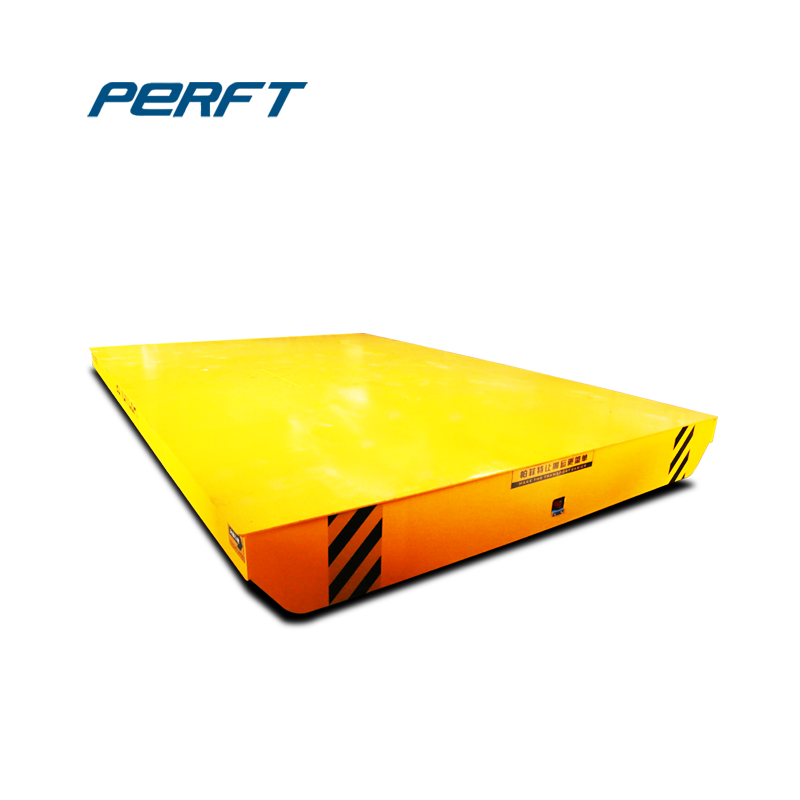
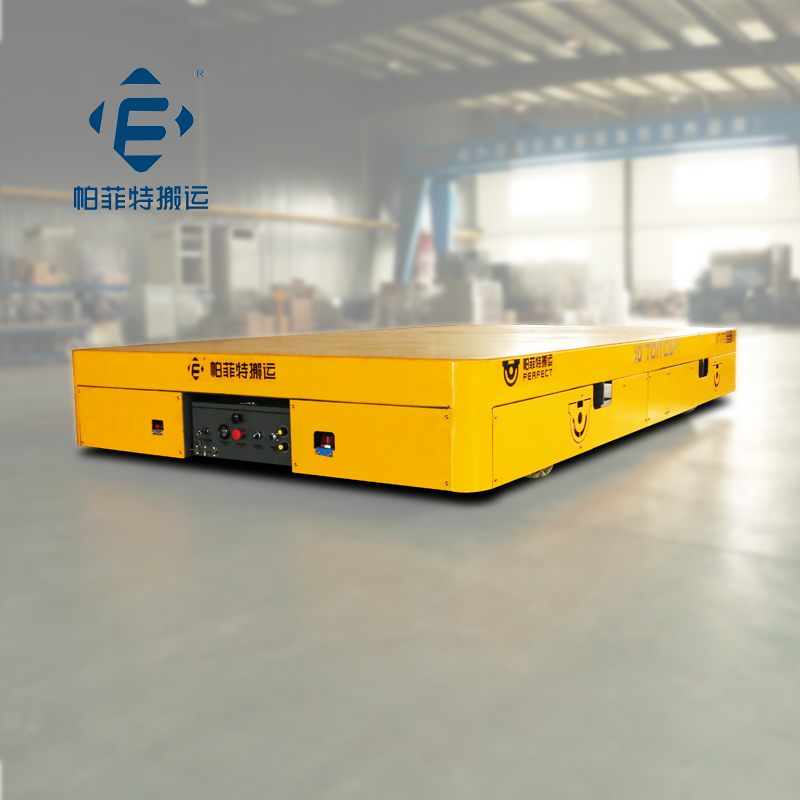
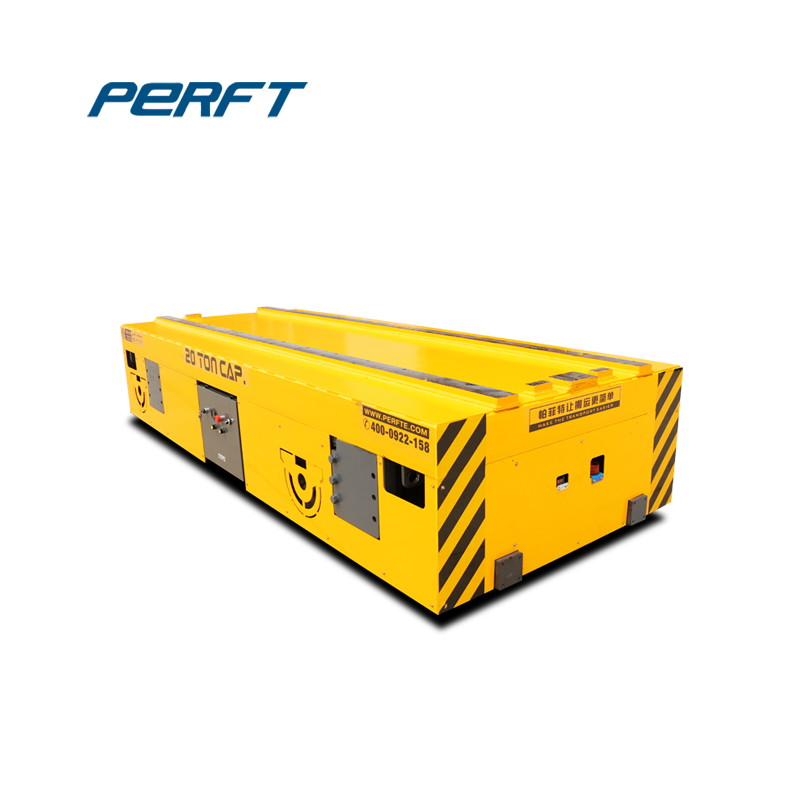
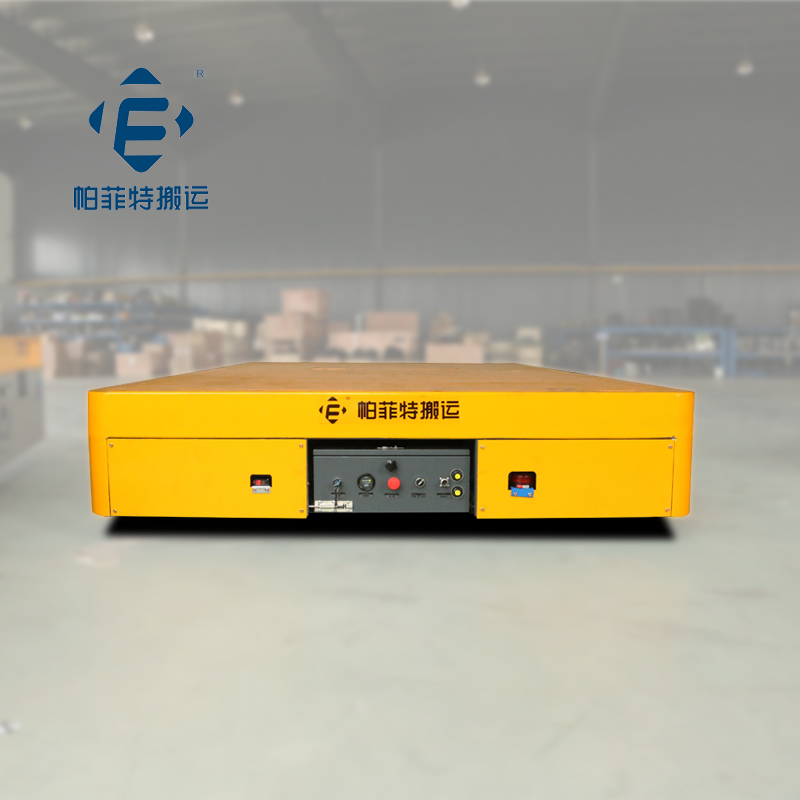
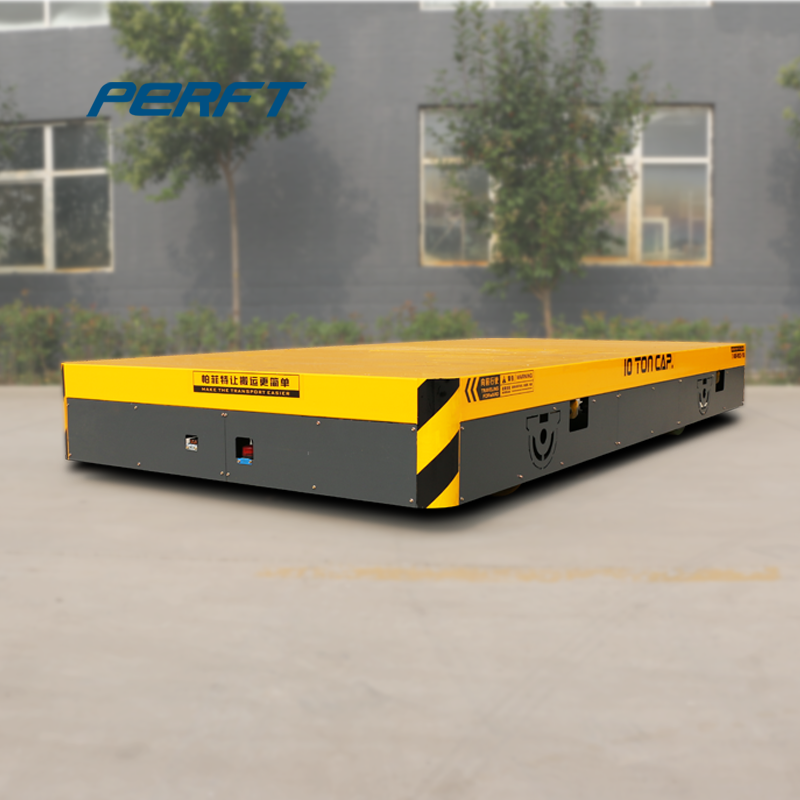
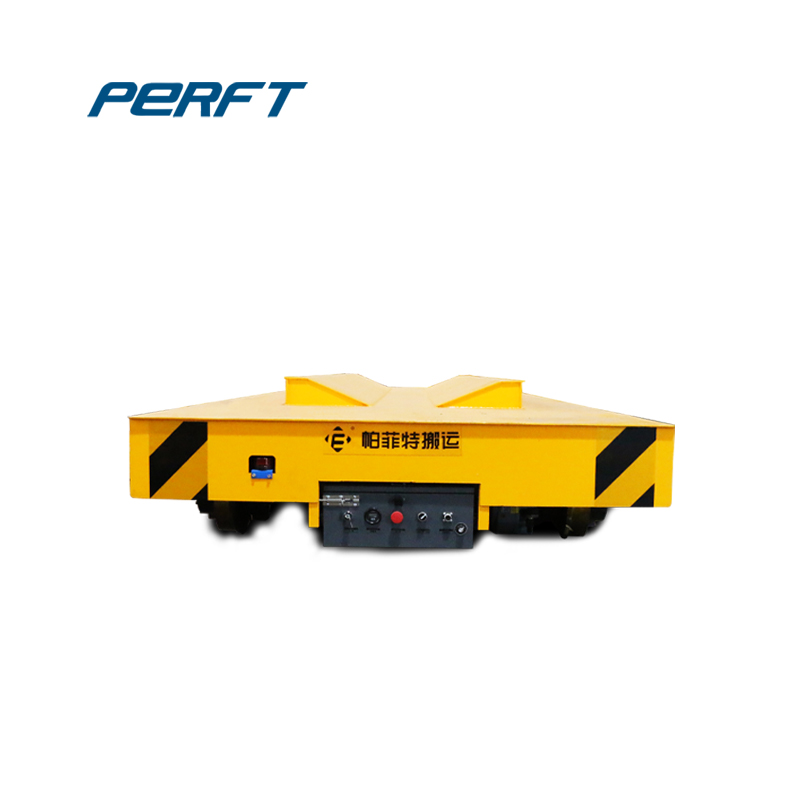
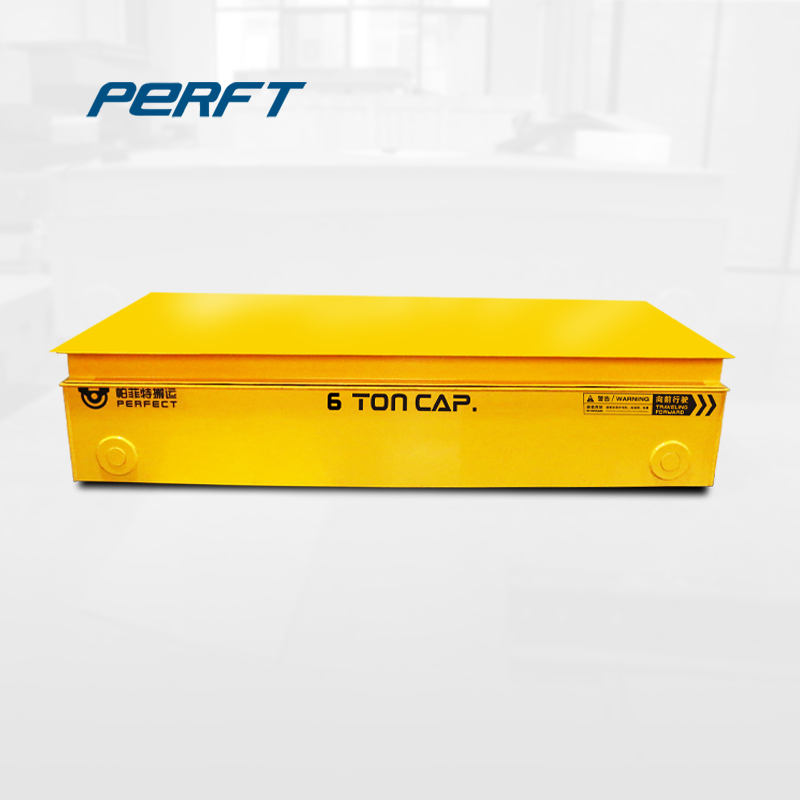
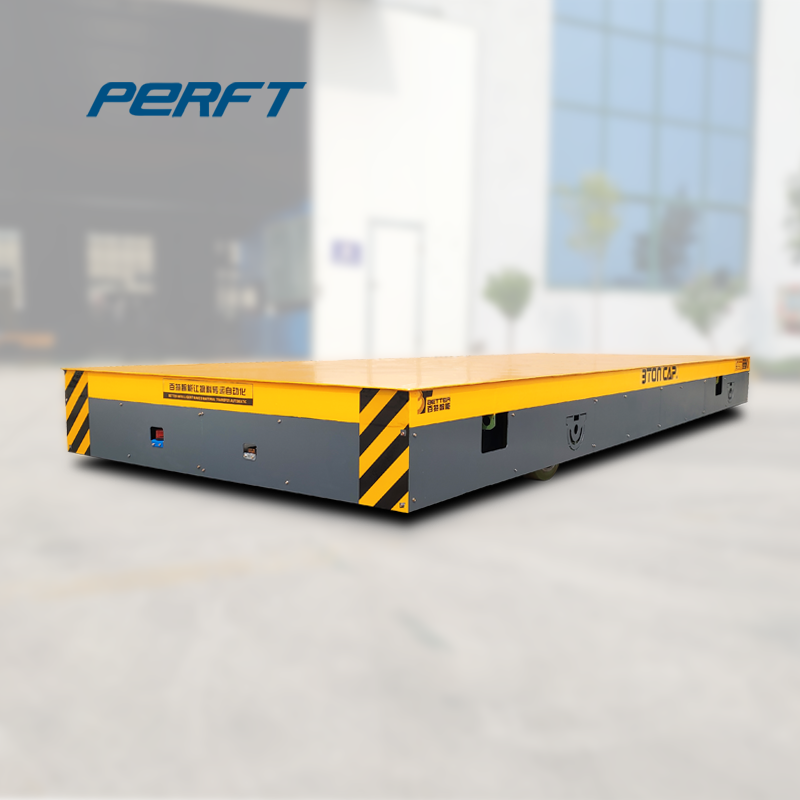
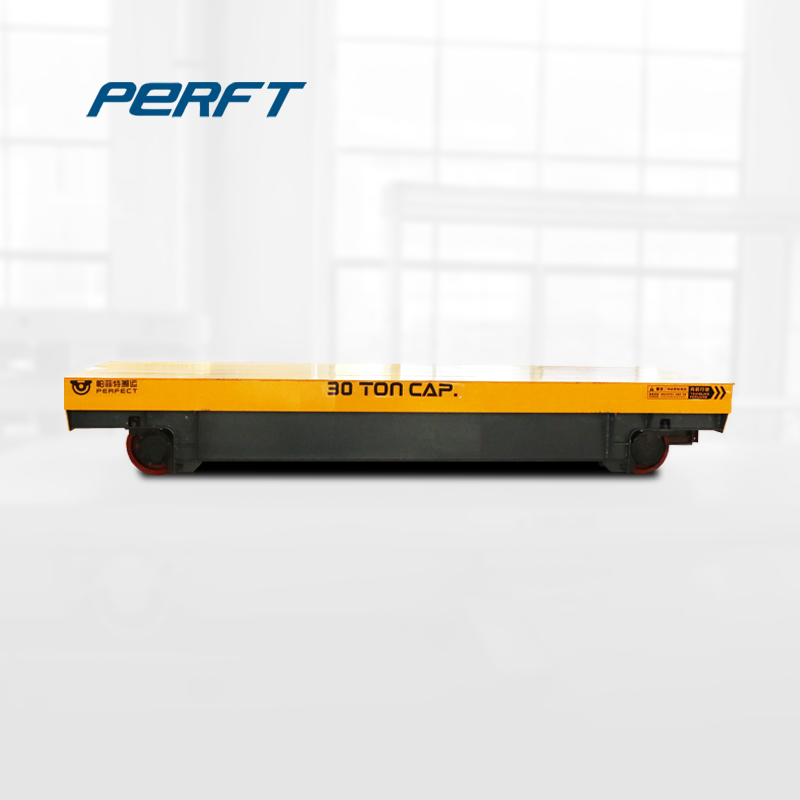
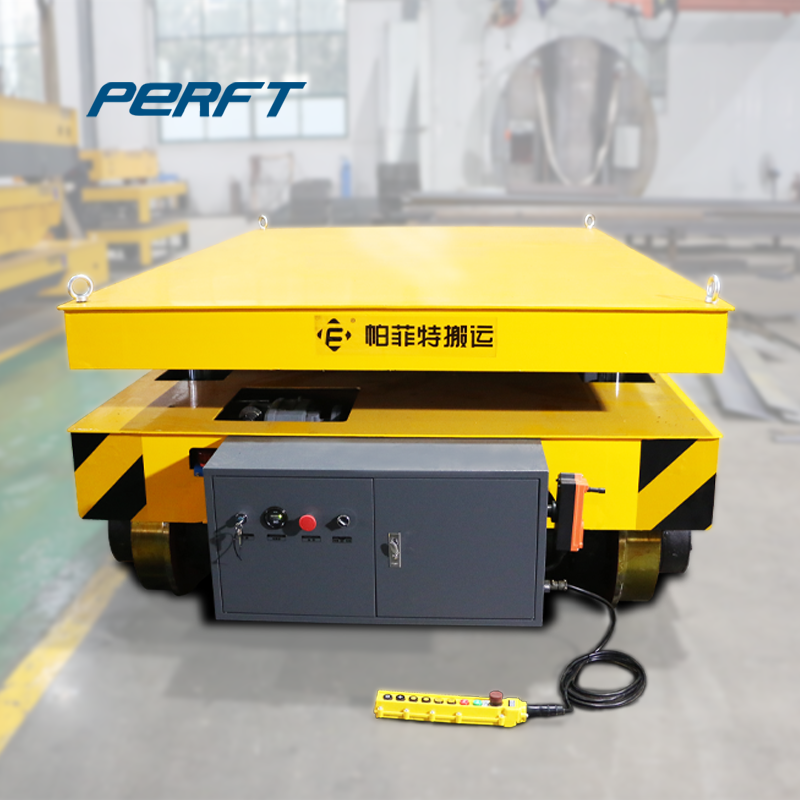
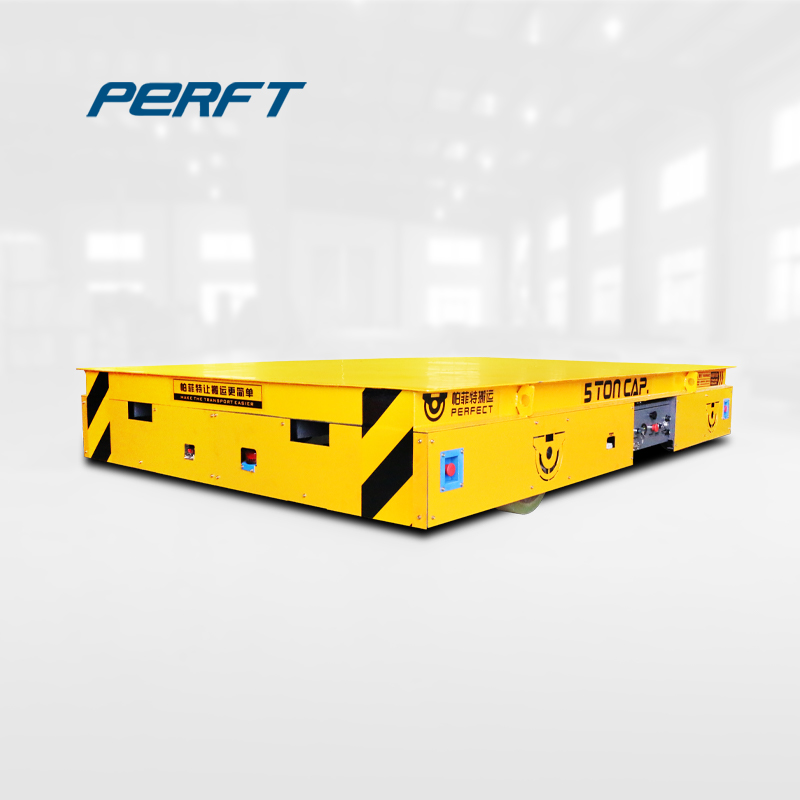
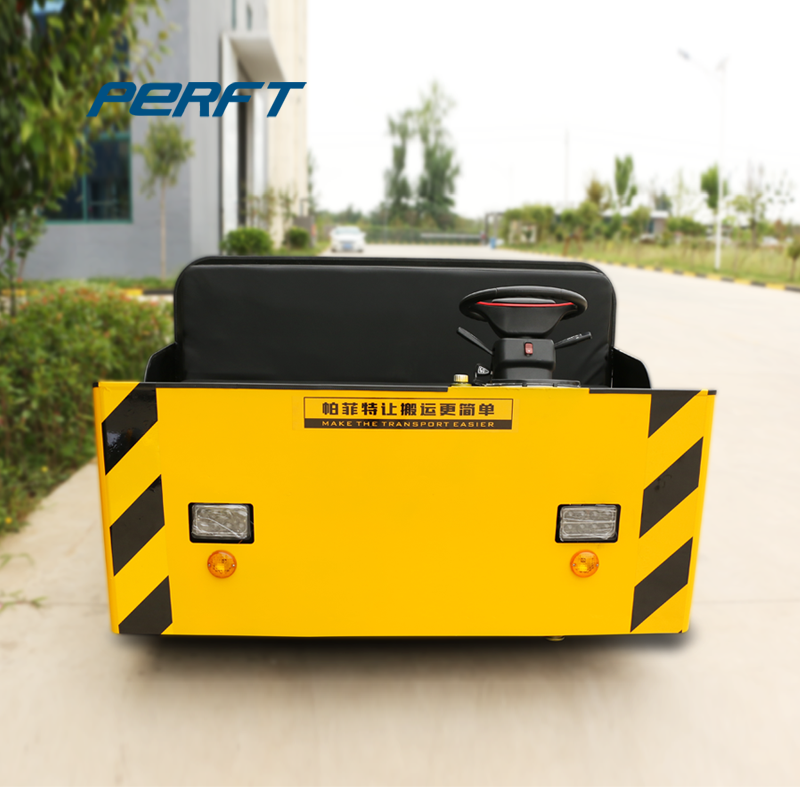
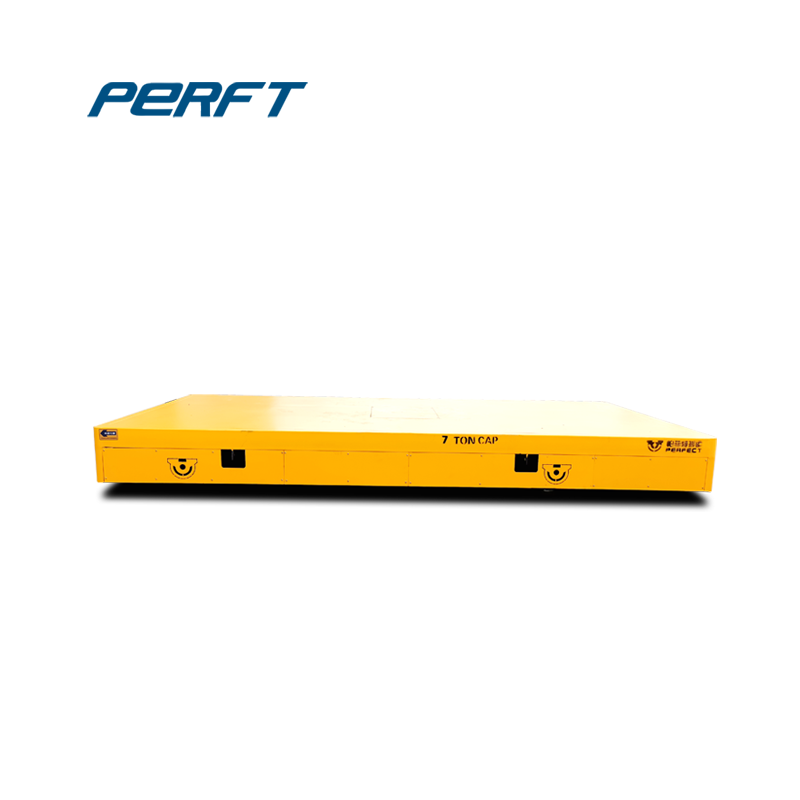
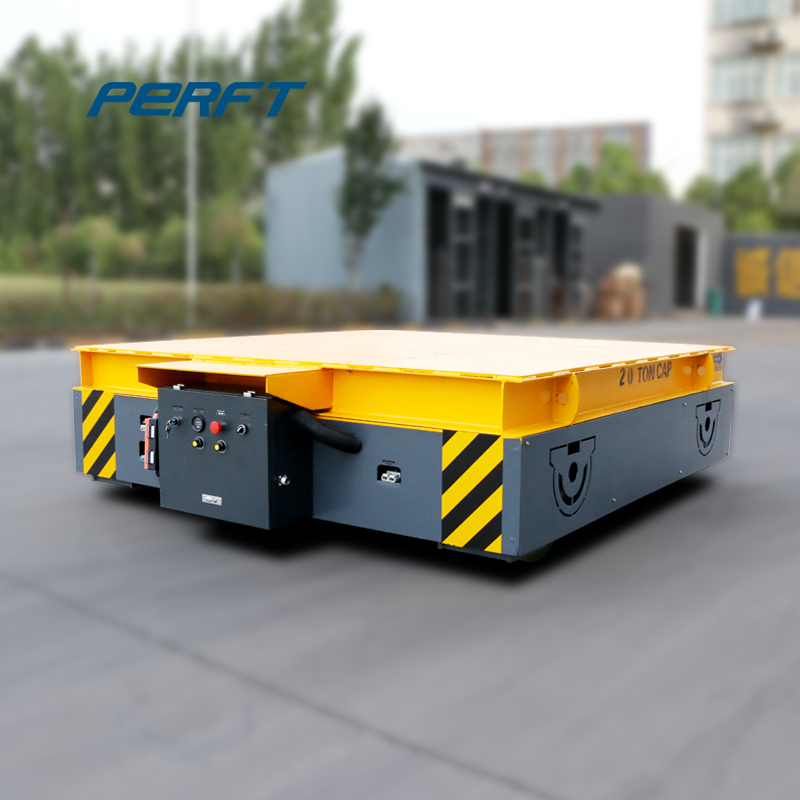
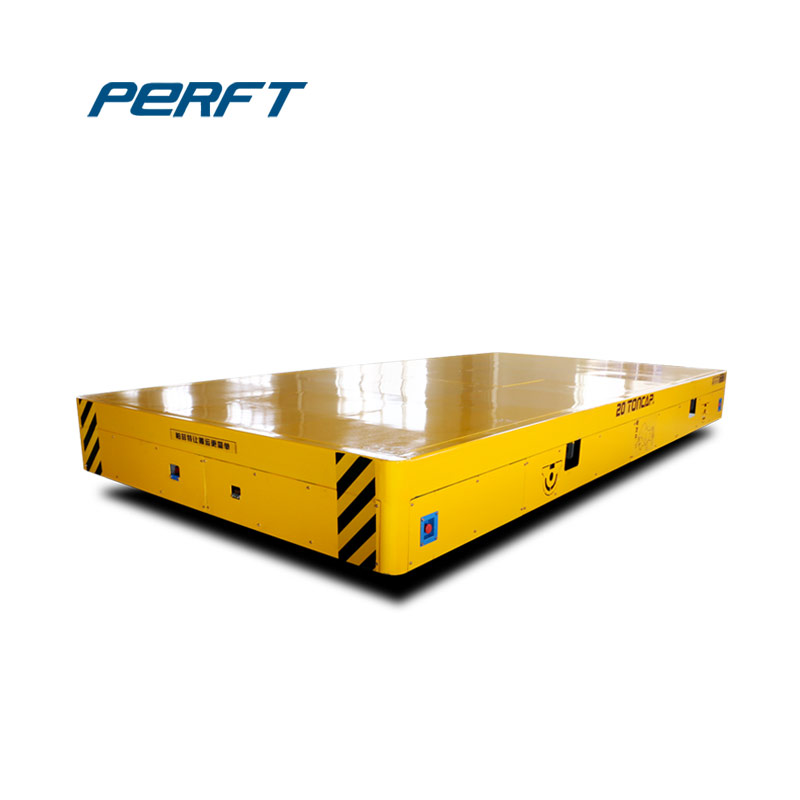
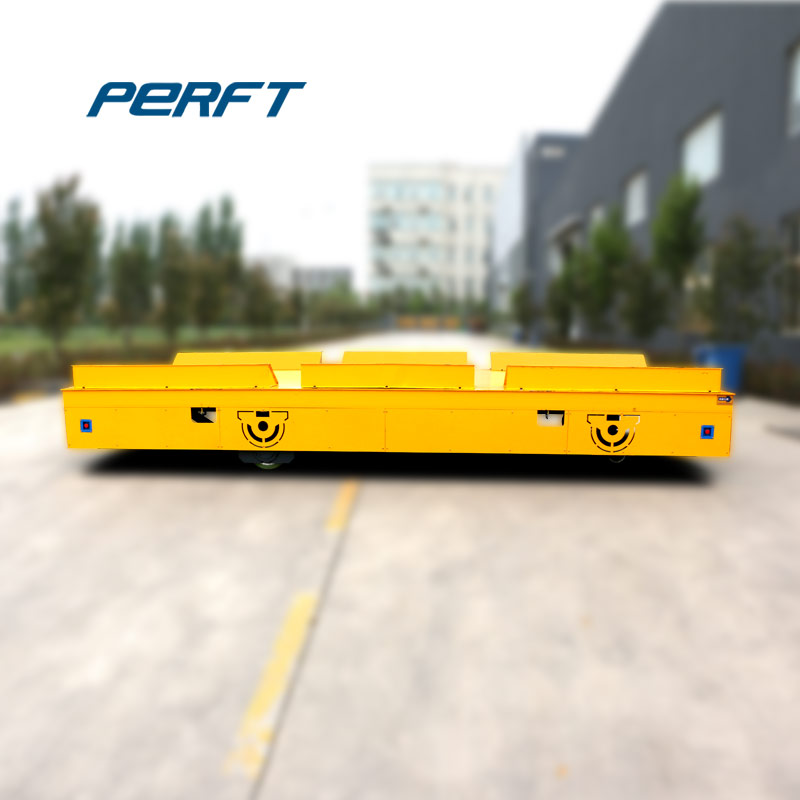
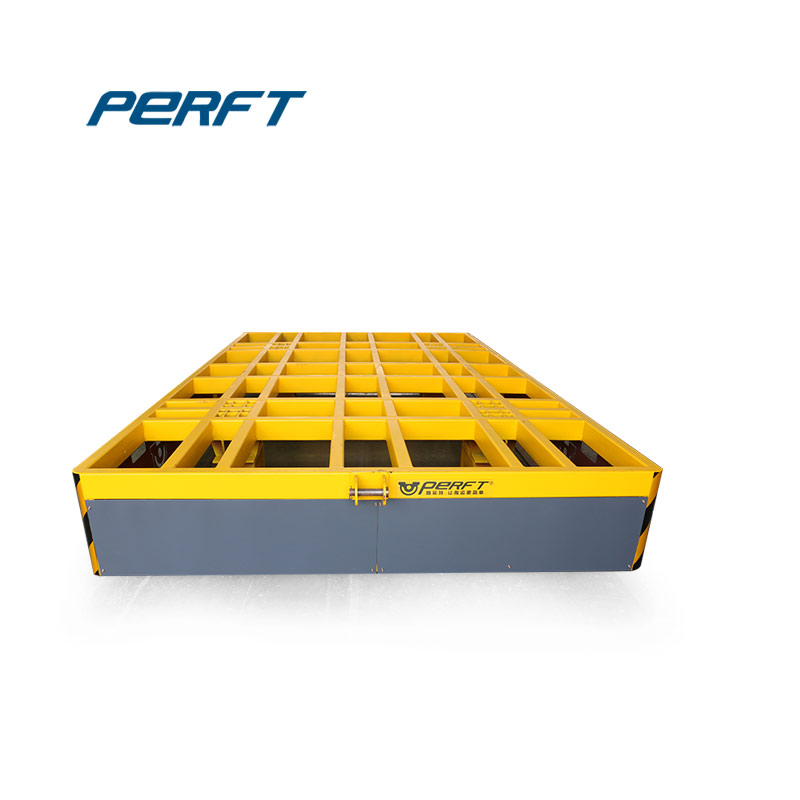
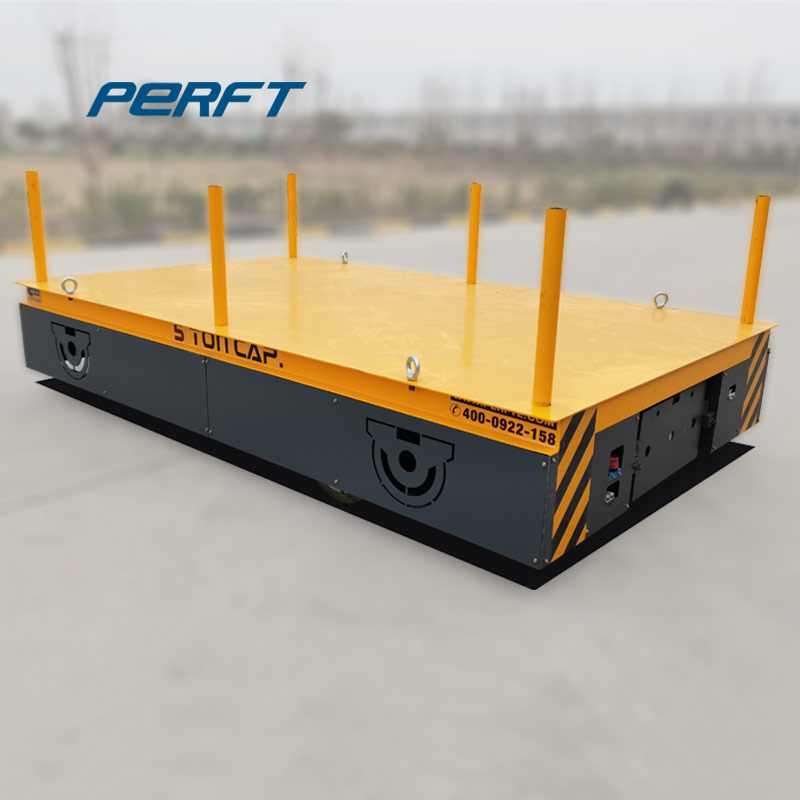
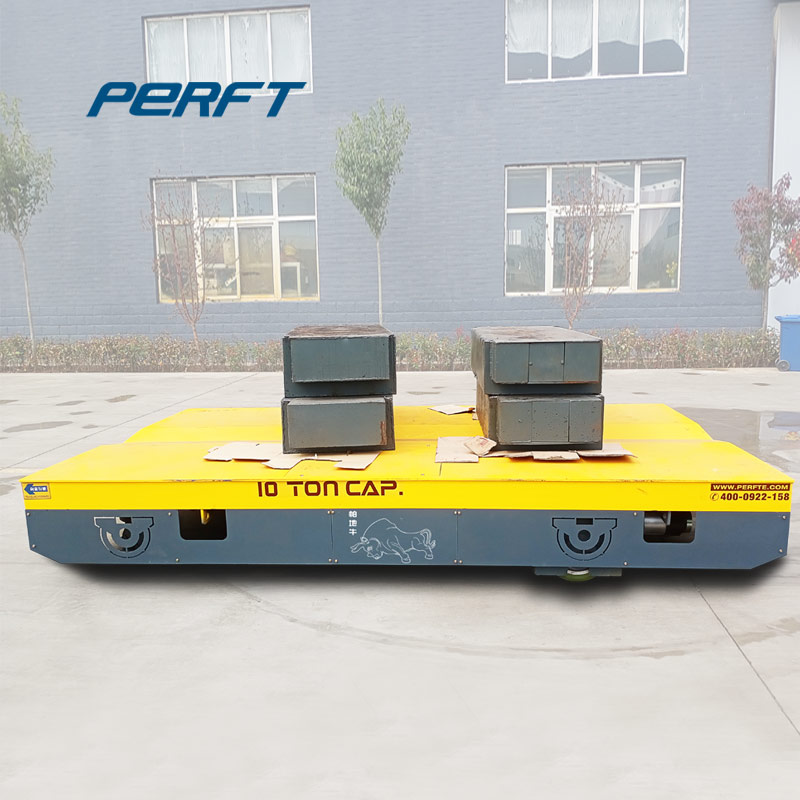
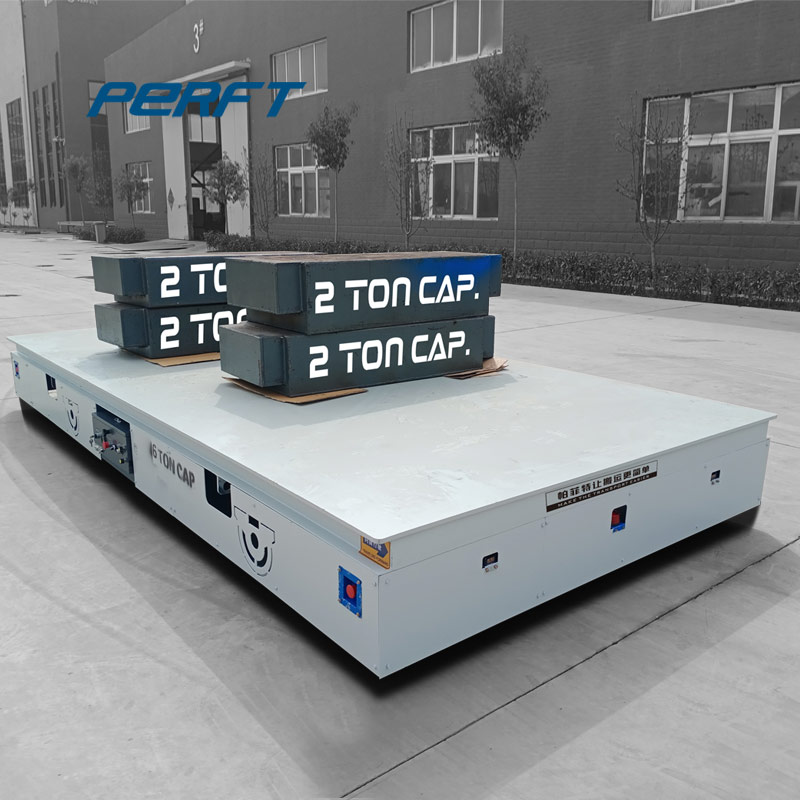
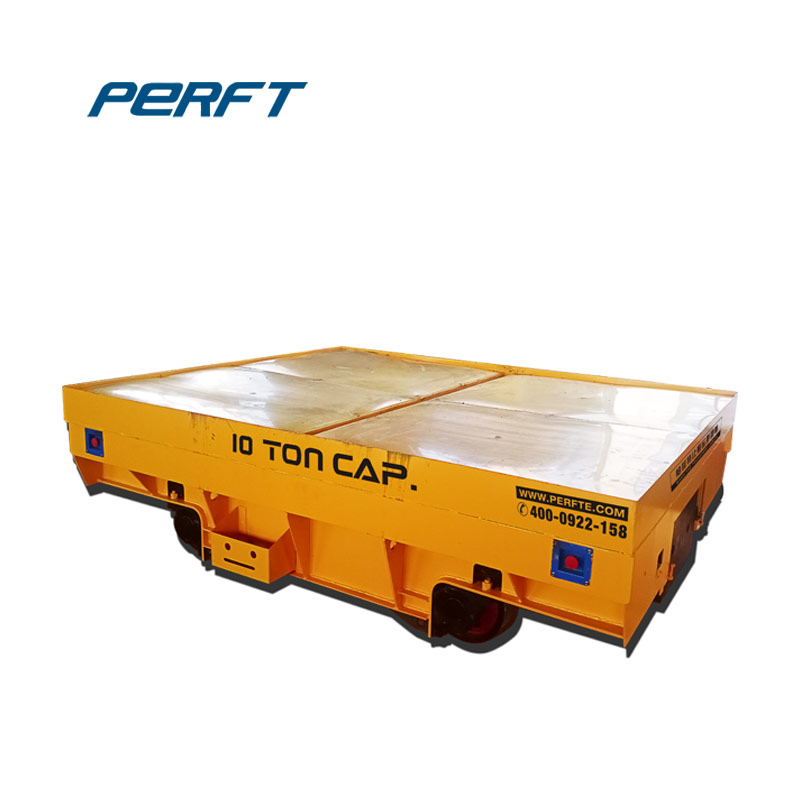
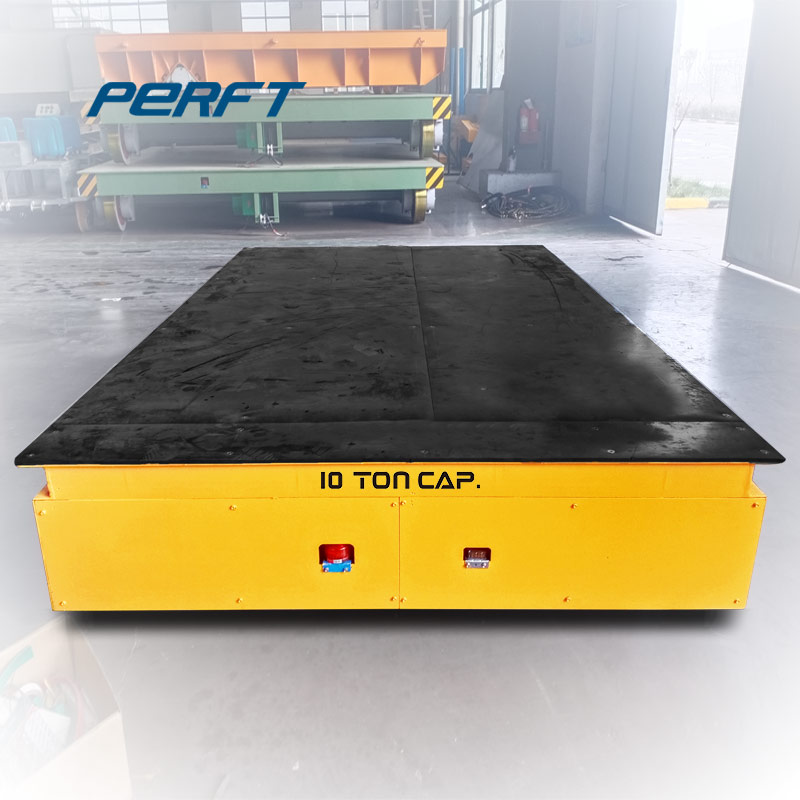
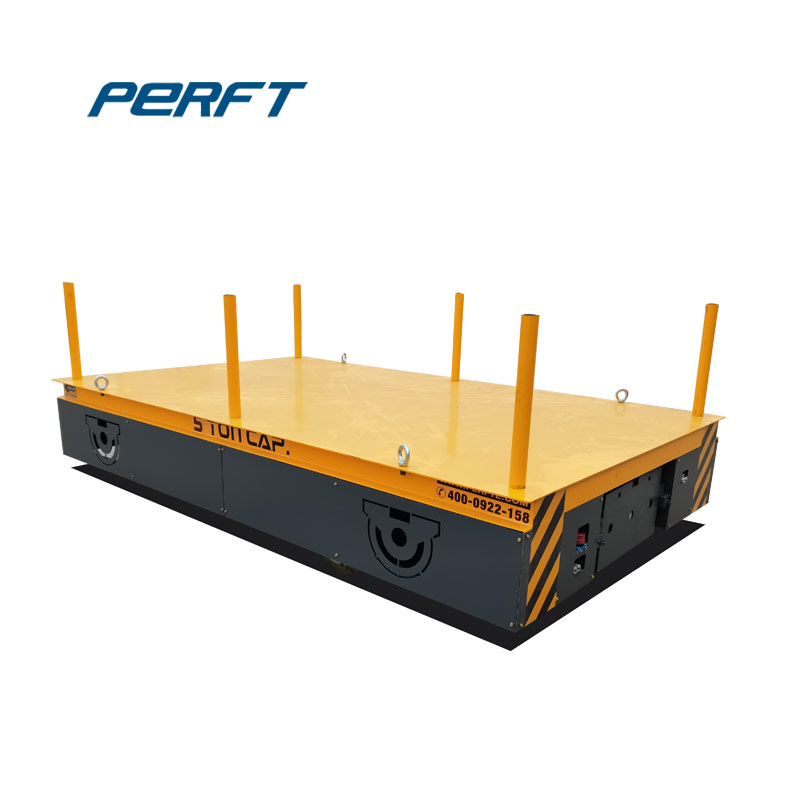
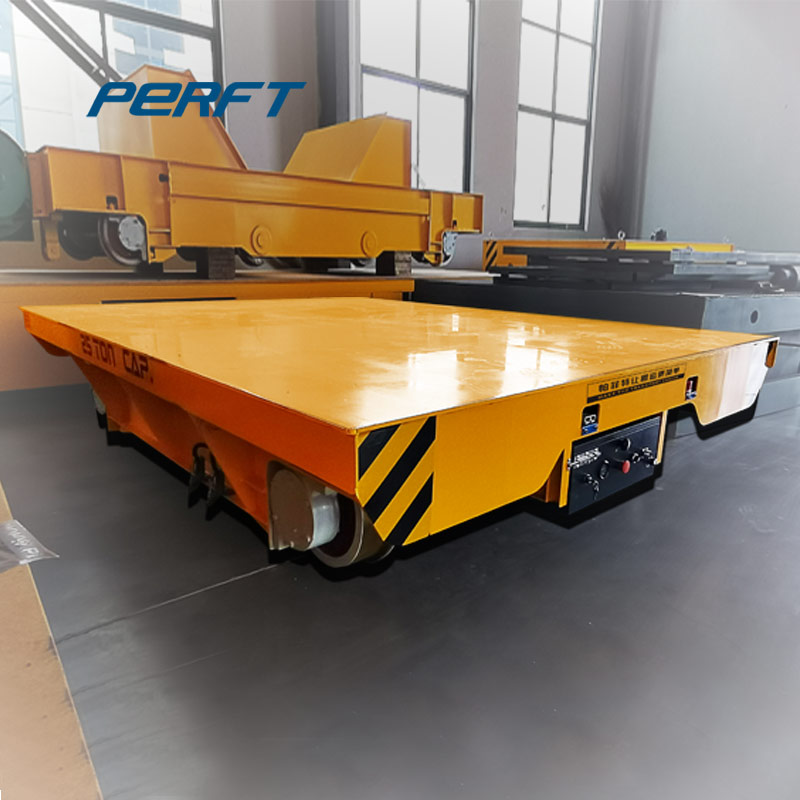
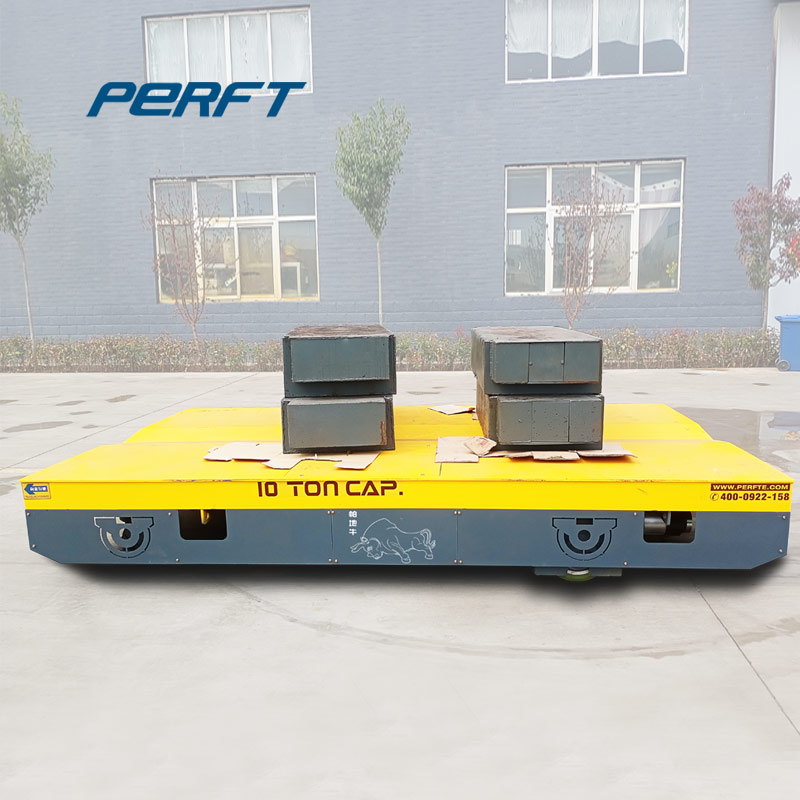
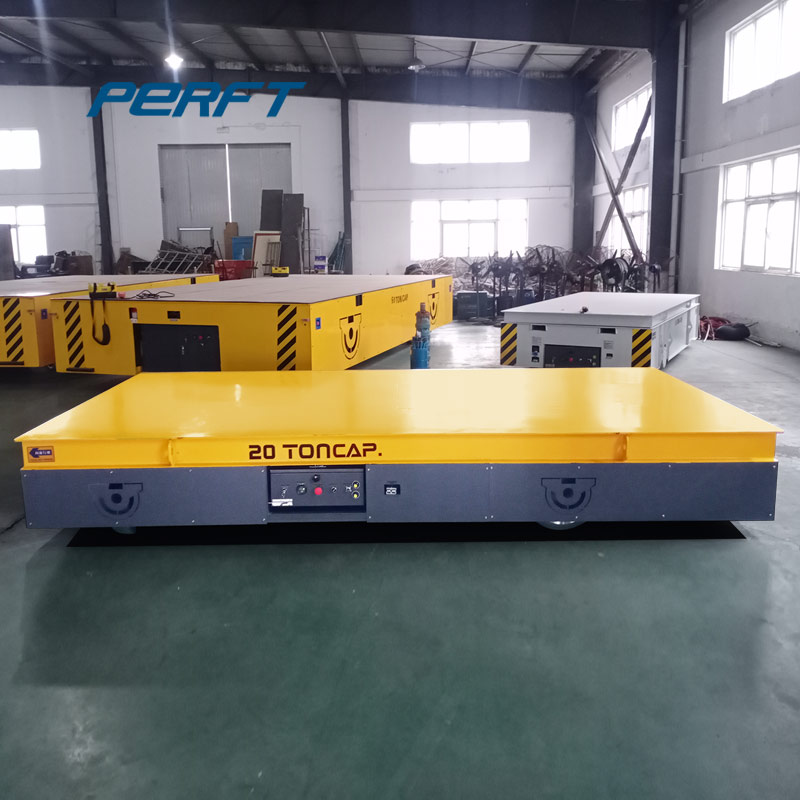
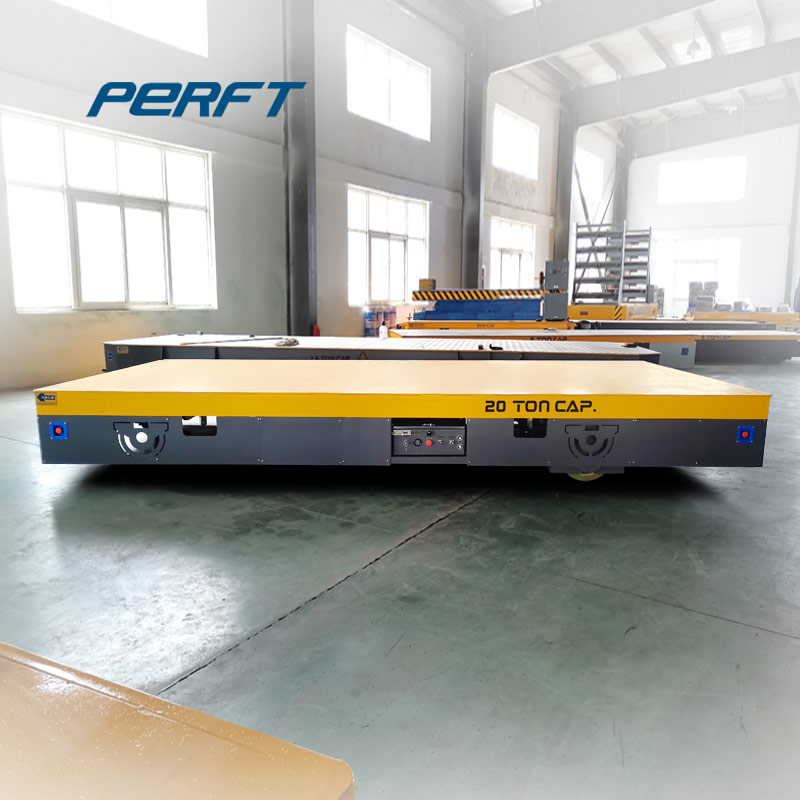
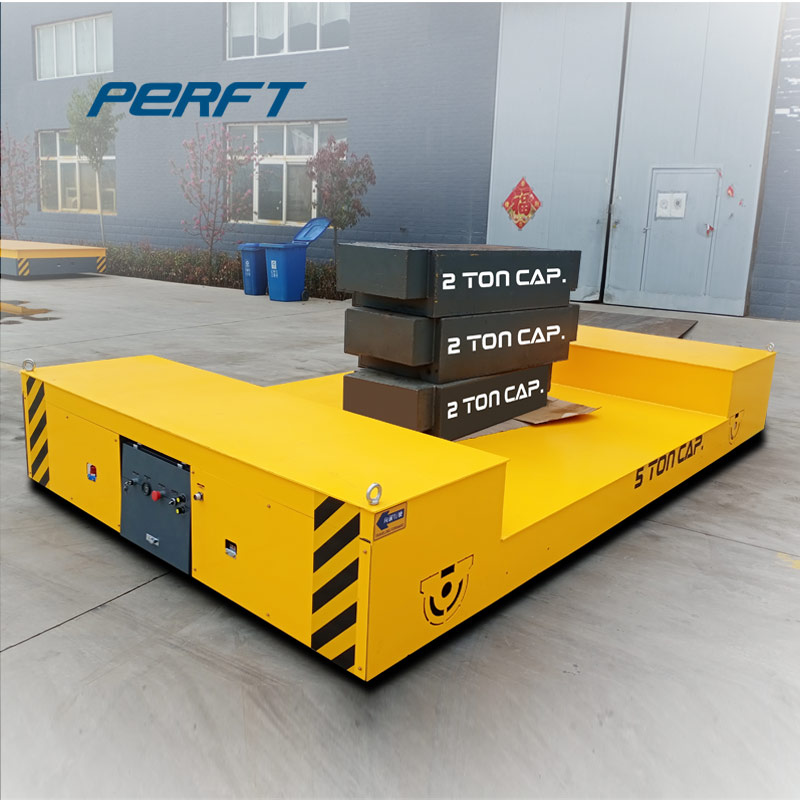
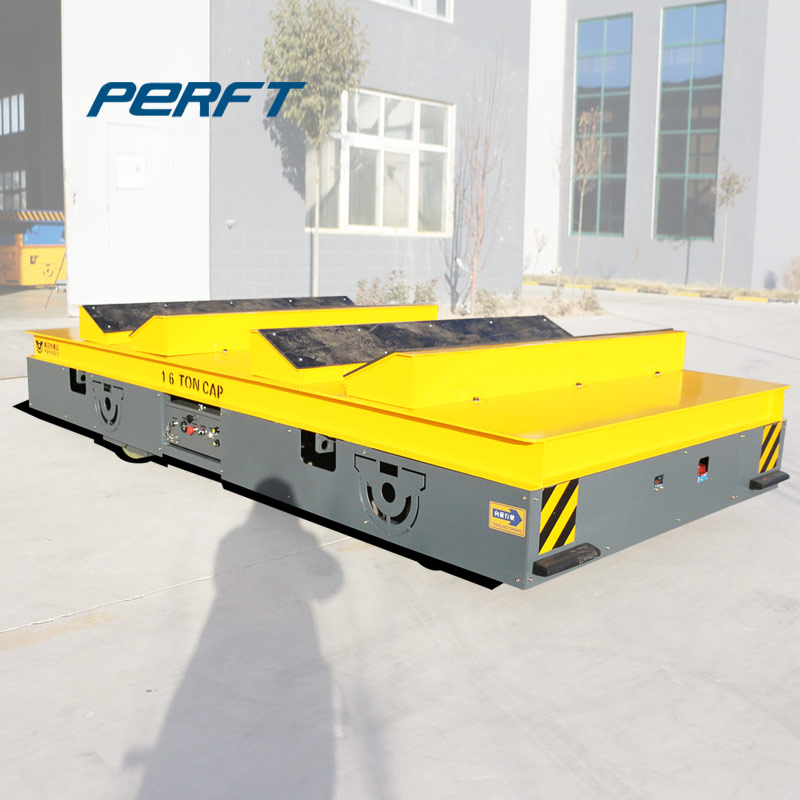
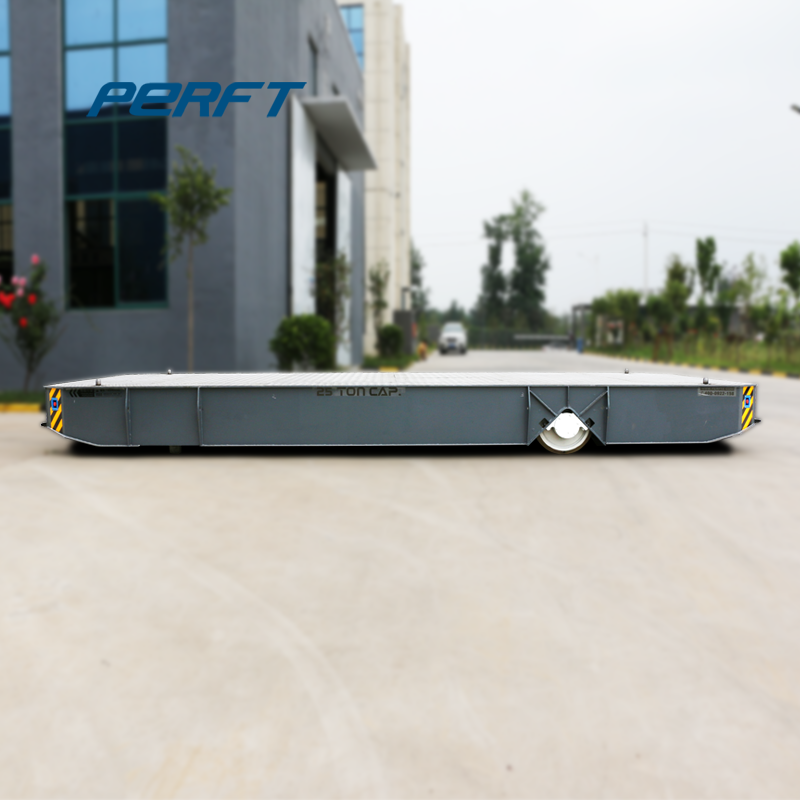
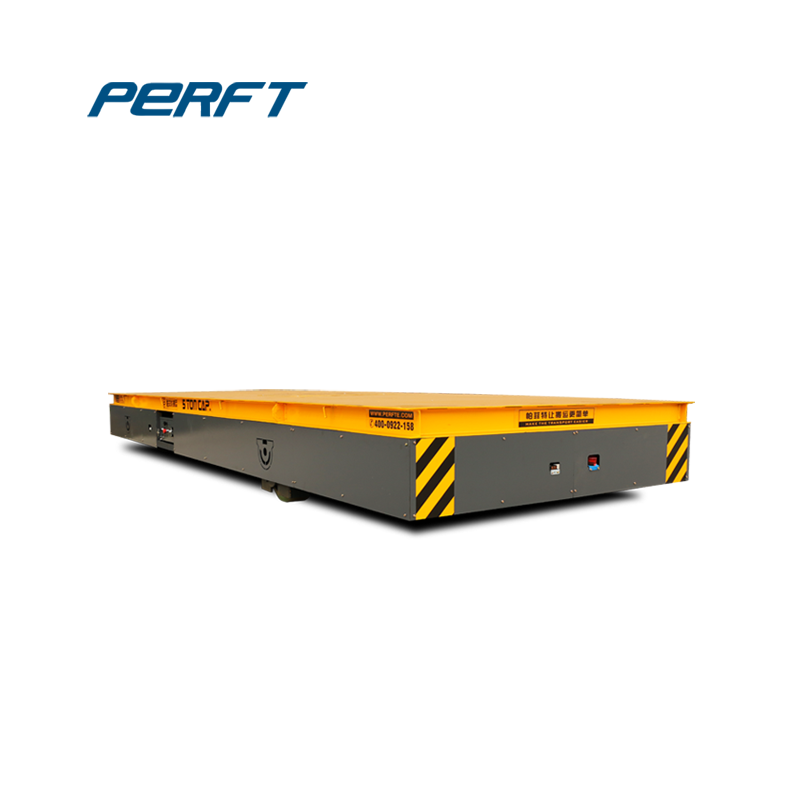
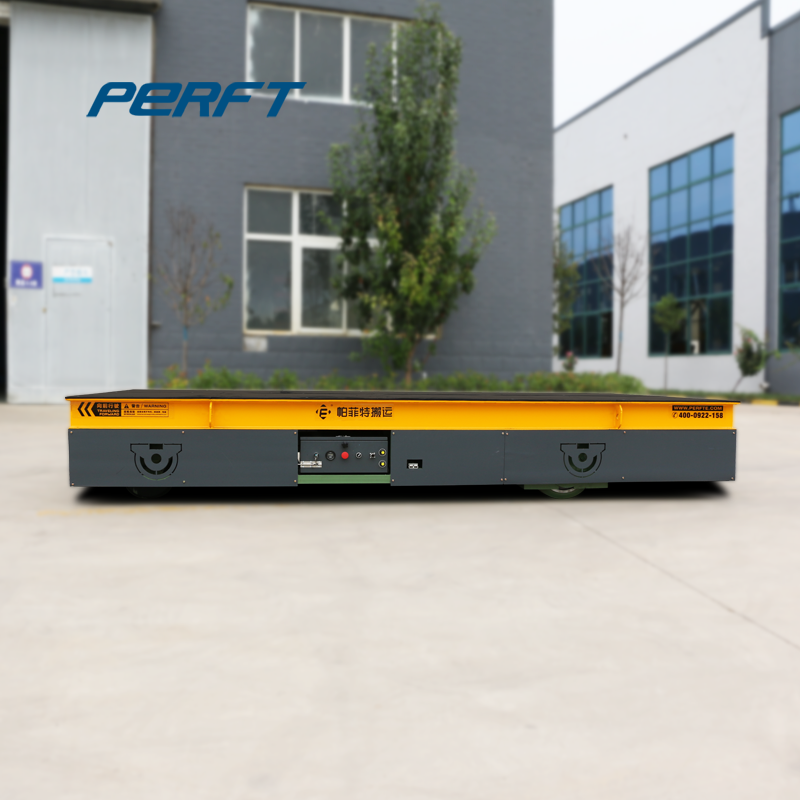
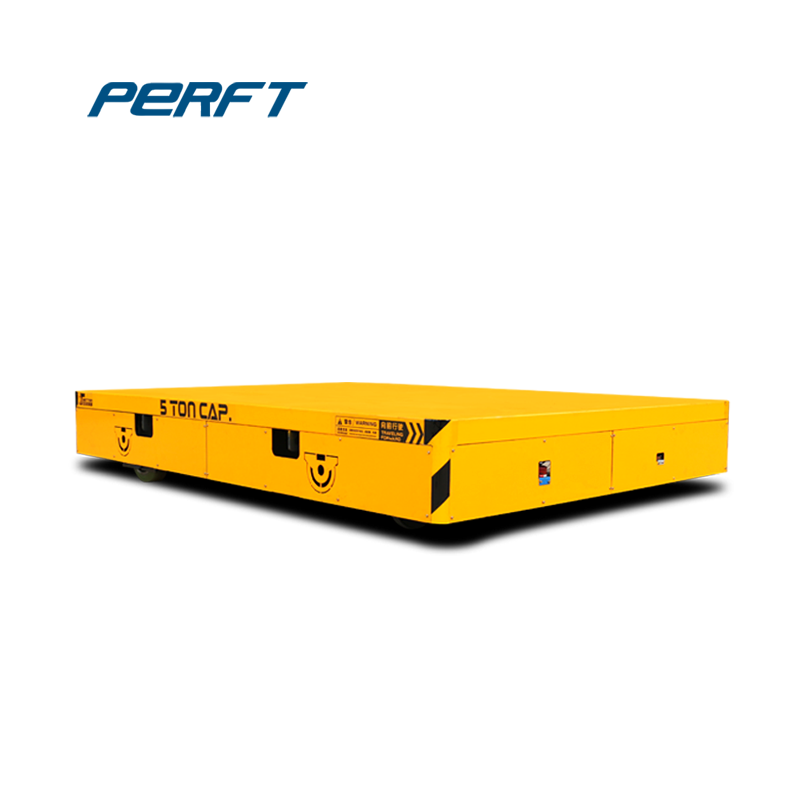
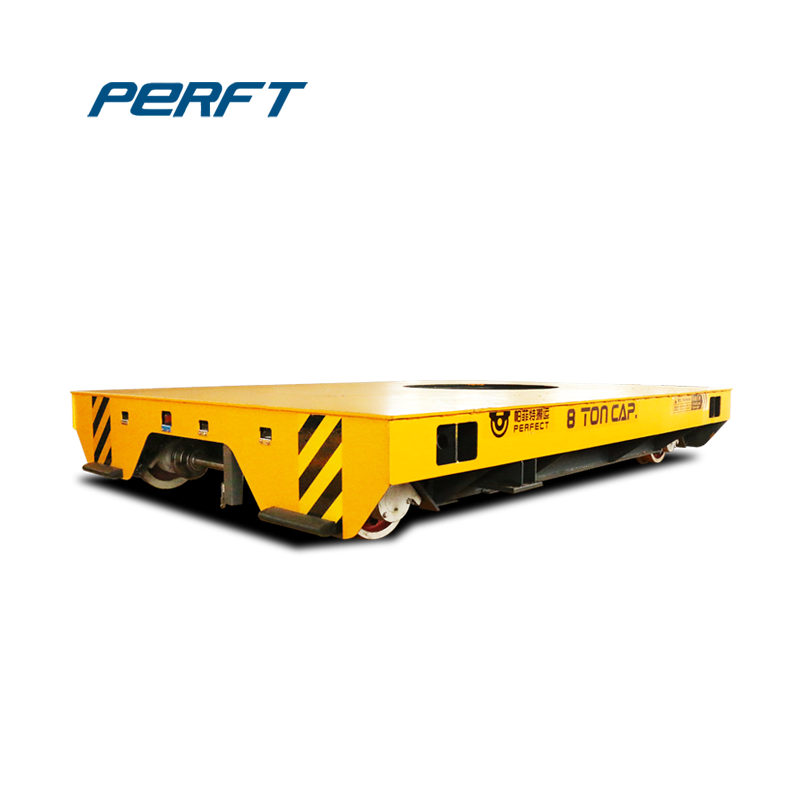
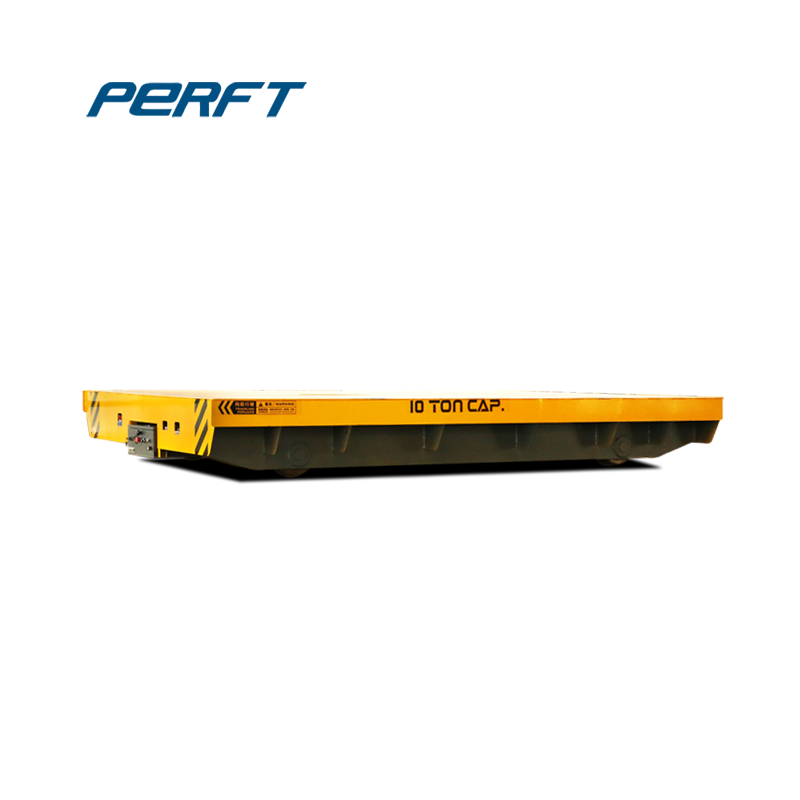
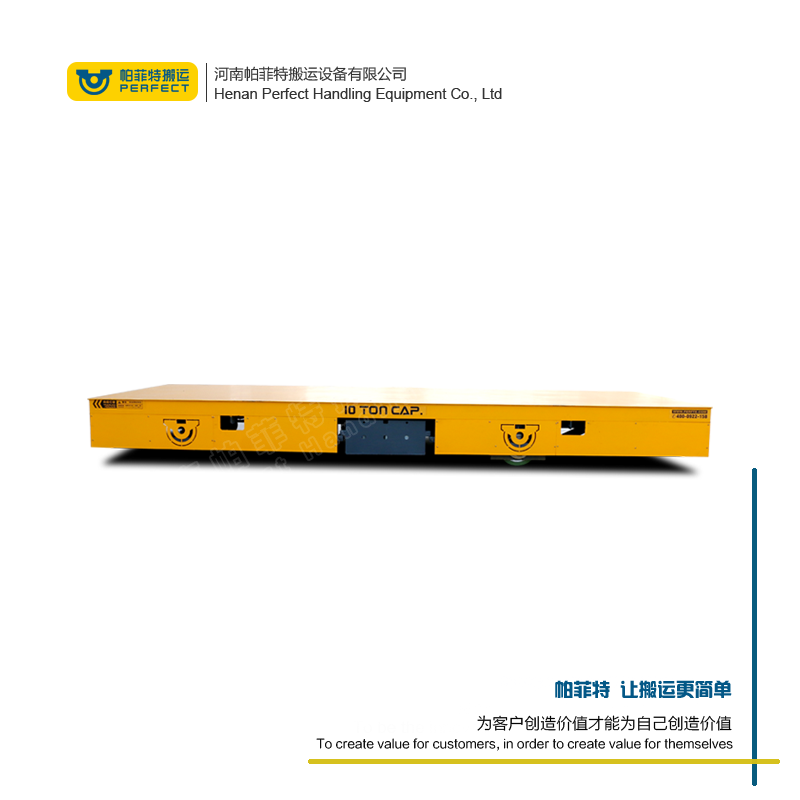
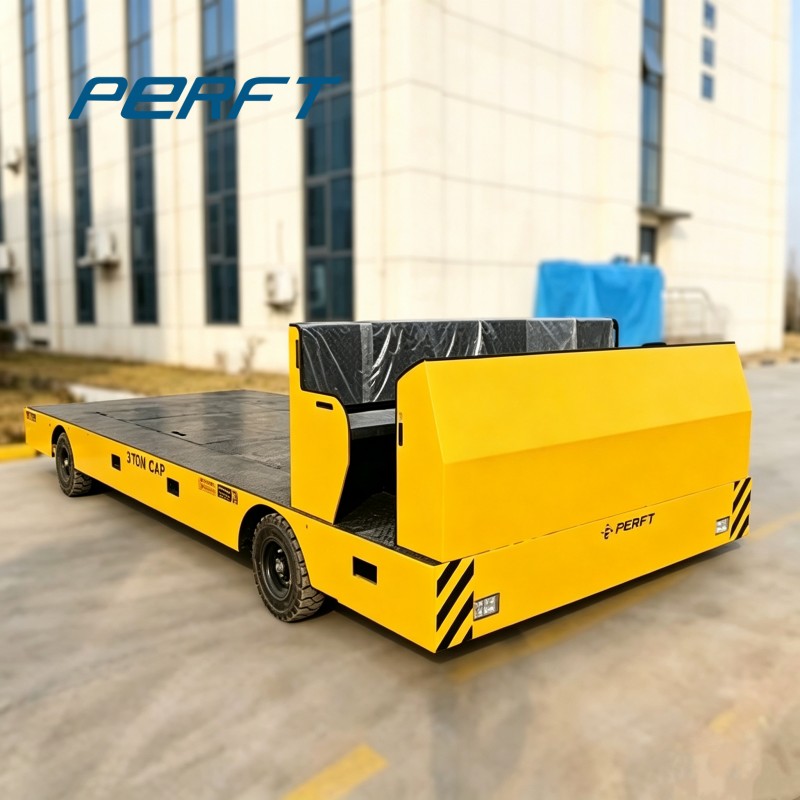
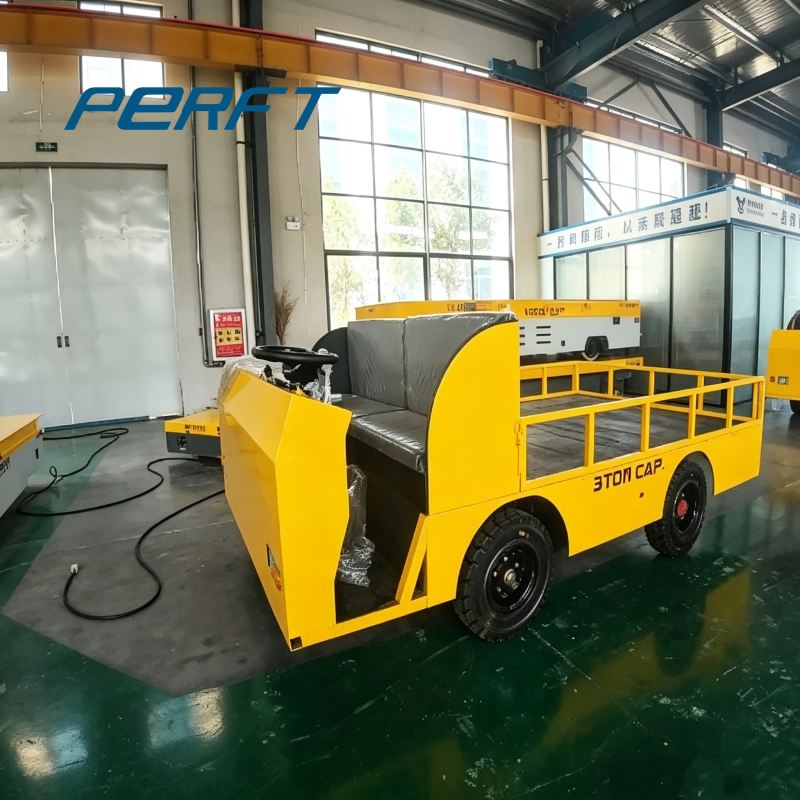
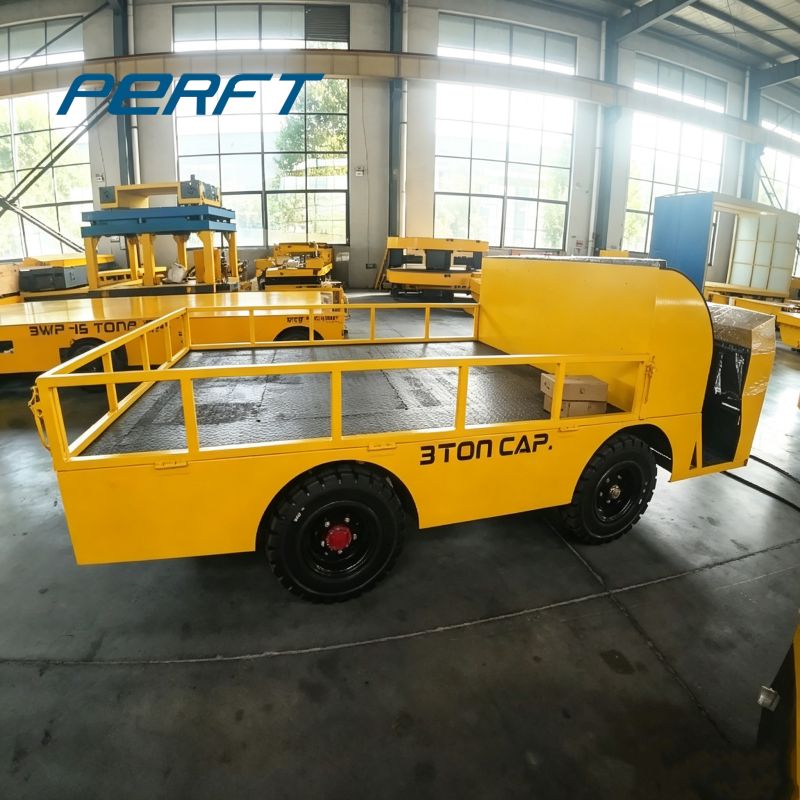
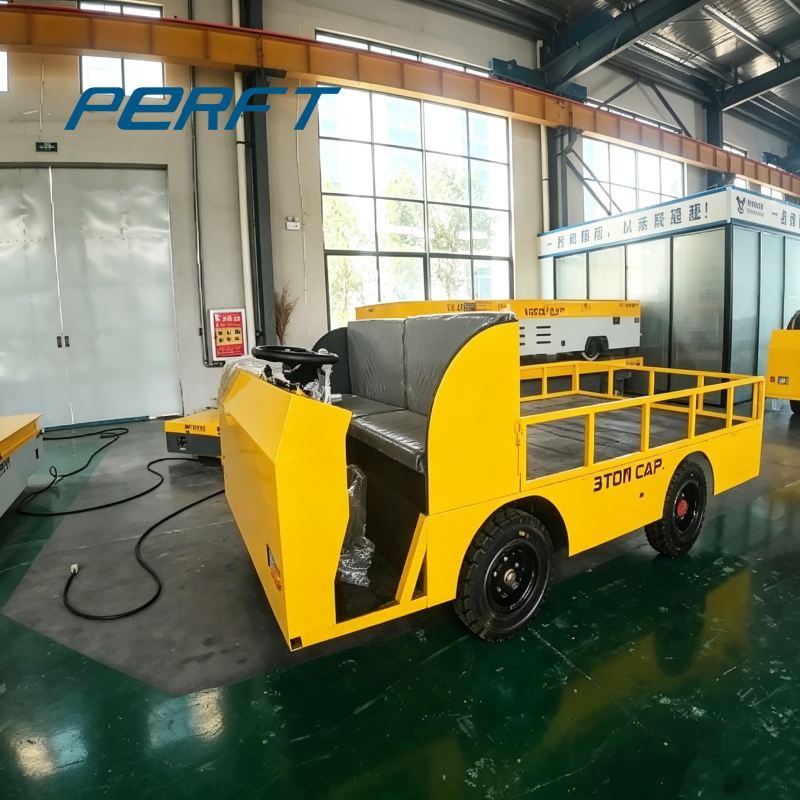
In factory workshops, warehousing and logistics, as well as heavy manufacturing sectors, trackless electric flat transfer carts stand out for rail-free operation, flexible steering, and heavy-load transport capacity, making them core equipment for material handling. The PERFT trackless electric flat transfer cart shown in the picture is widely adopted for mold transit, steel delivery, and workpiece circulation. To keep the machine running steadily and avoid safety incidents, pre-operation inspections are a must. Below is a complete pre-shift checklist for operators.
Overall Visual Check of the Cart Body
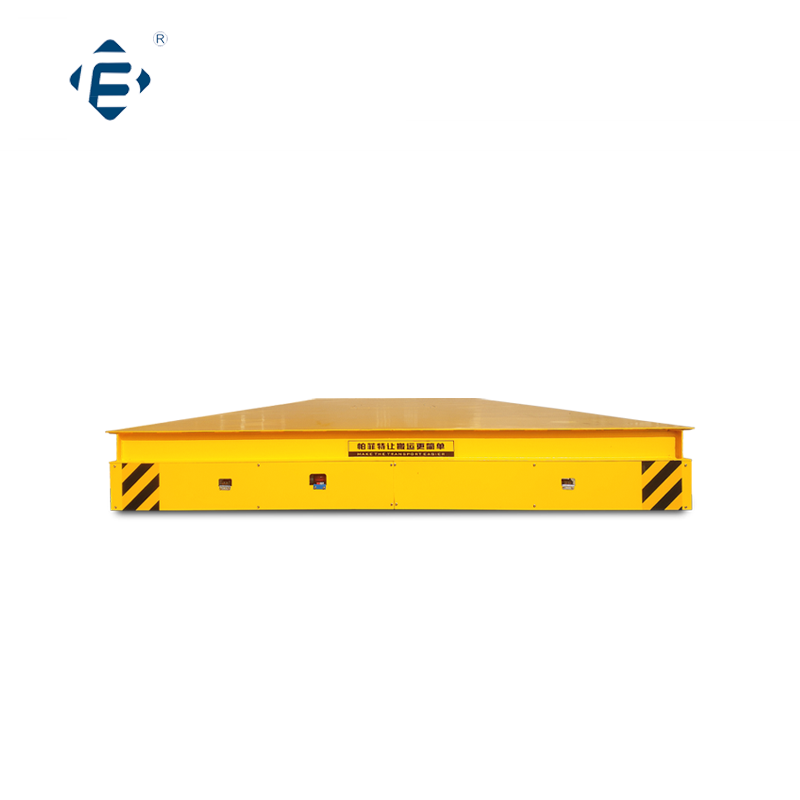
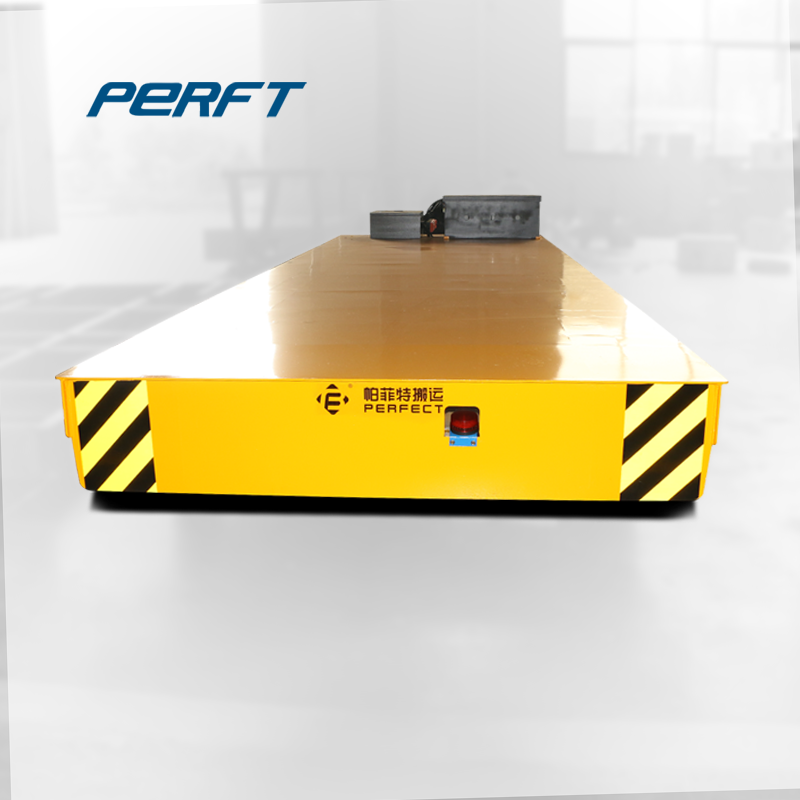
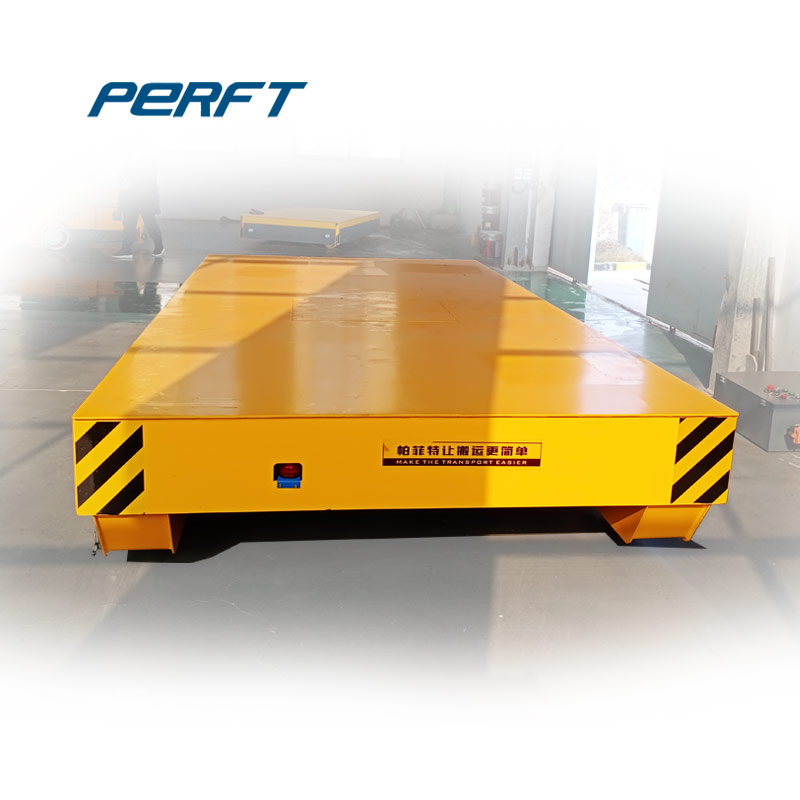
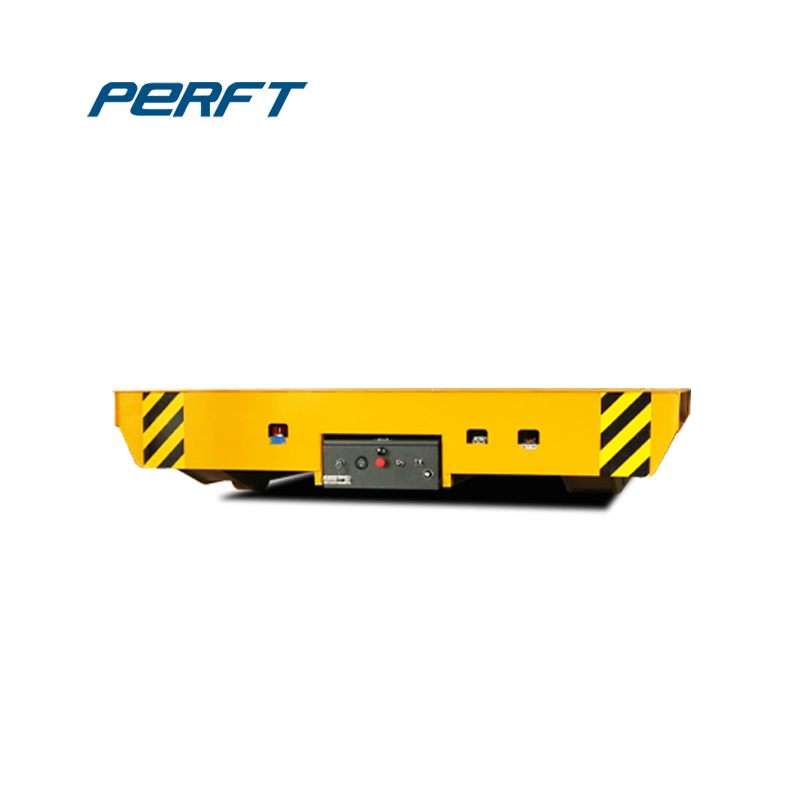
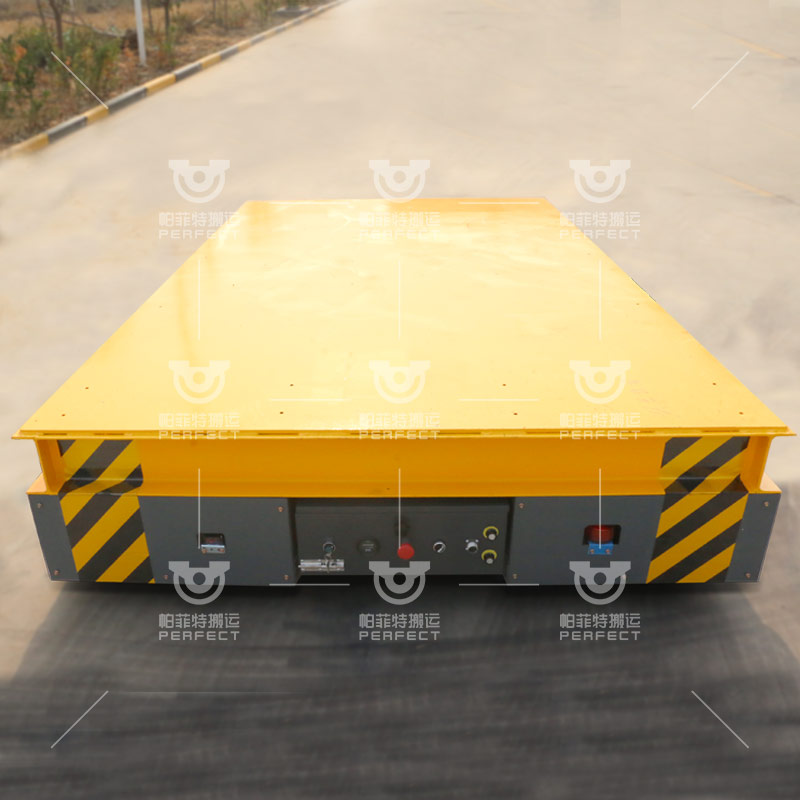
Start with a full visual scan of the whole vehicle. Check the frame and flat loading platform for deformation, cracks, or broken welds. Look over the yellow protective covers to spot dents and damage, and verify that black-and-yellow warning markings on the rear and side panels stay clear and intact. Replace worn warning strips in time so on-site staff can easily notice the moving cart.
Examine the tires next. Confirm proper tire pressure, and check for embedded nails, bulges, or excessive tread wear. Make sure wheel hub bolts are tightened securely. Tires bear the load and drive the cart; abnormal wear can lead to drifting and skidding under heavy loads, creating safety risks. Clear debris, welding slag, and sharp scraps off the flat platform to prevent scratches during loading or falling items while moving.
Inspection of Power and Battery Systems
Trackless electric flat transfer carts run on storage batteries, so battery checks are critical. Check the battery casing for cracks, leakage, or swelling. Inspect terminals to ensure tight connections with no oxidation, looseness, or overheating marks. Check the remaining power level. Do not operate under heavy loads when power is low, as deep discharge will shorten battery service life.
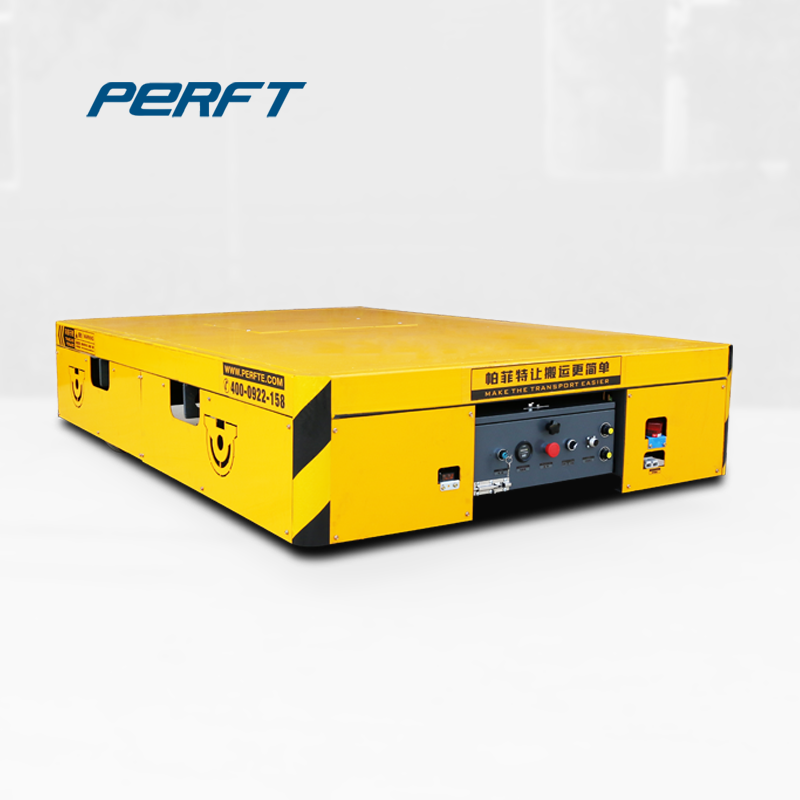
Take a look at the electric control cabinet as well. Confirm the cabinet door is fully closed. Check internal wires for aging and damaged insulation, and secure all connectors. Watch out for dust buildup and moisture inside, which may cause short circuits during long runs. Wipe away loose dust during daily inspections.
Testing of Braking, Steering and Travelling Systems
The braking system directly affects operational safety and needs testing before startup. Power on the cart, then test both the service brake and the parking brake. Press the brake pedal gently; the cart should stop smoothly without pulling to one side, weak braking, or stuck or noisy parts. Engage the parking brake and confirm the cart will not roll on level ground.
Test the steering function afterwards. This type of transfer cart supports in-place turning and multi-angle steering. Operate the steering lever at low speed to feel if steering moves smoothly with no jamming or strange noise. Check whether left and right turning angles match the equipment specifications. Listen for unusual noise or shaking while travelling. Stop the cart immediately for troubleshooting if any abnormal sound occurs, and never run a faulty machine.
Verification of Safety Guards and Control Parts
Check all safety accessories. Test headlights, reverse warning horns, and audible & visual alarms. The alert system must activate promptly when the cart starts up or reverses to remind on-site workers to keep clear. Test the emergency stop button: once pressed, all power to the cart should cut off completely, and the cart can only restart after resetting. Do not use the cart if the emergency stop fails.
Get into the operator compartment. Confirm the seat is firmly fixed. Check the control levers and dashboard for damage. Make sure the display shows normal readings with no active fault warning lights. Control levers should reset smoothly without sticking, allowing operators to accurately control start, stop, and speed adjustment.
No-Load Trial Run for Final Condition Confirmation
Once static checks finish, carry out a short no-load test drive. Move forward and backward at low speed to assess overall performance. Check whether the motor and reducer overheat. For models fitted with optional hydraulic supports, confirm lifting and lowering movements work steadily with no fluid leakage. Only after all functions pass the trial run can operators load materials within the rated capacity. Never overload the cart, as excess weight can bend the frame and burn out the motor.
Pre-operation checks for trackless electric flat transfer carts may seem tedious, yet they effectively cut down breakdowns and prevent workplace accidents. PERFT offers customized trackless transfer carts with varied load limits and platform sizes to suit different factory transport demands. Even high-quality equipment relies on standard daily inspection and maintenance. Companies should create standardized pre-operation check logs and clarify operator responsibilities. This practice extends equipment lifespan, guarantees safe and efficient material transfer in workshops, and helps factories boost internal logistics efficiency.