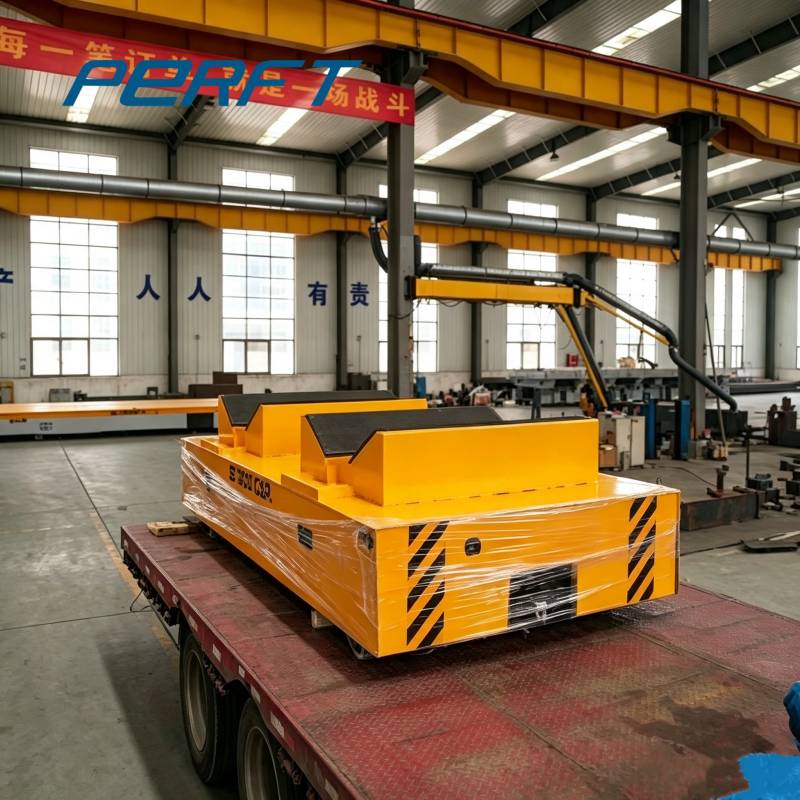
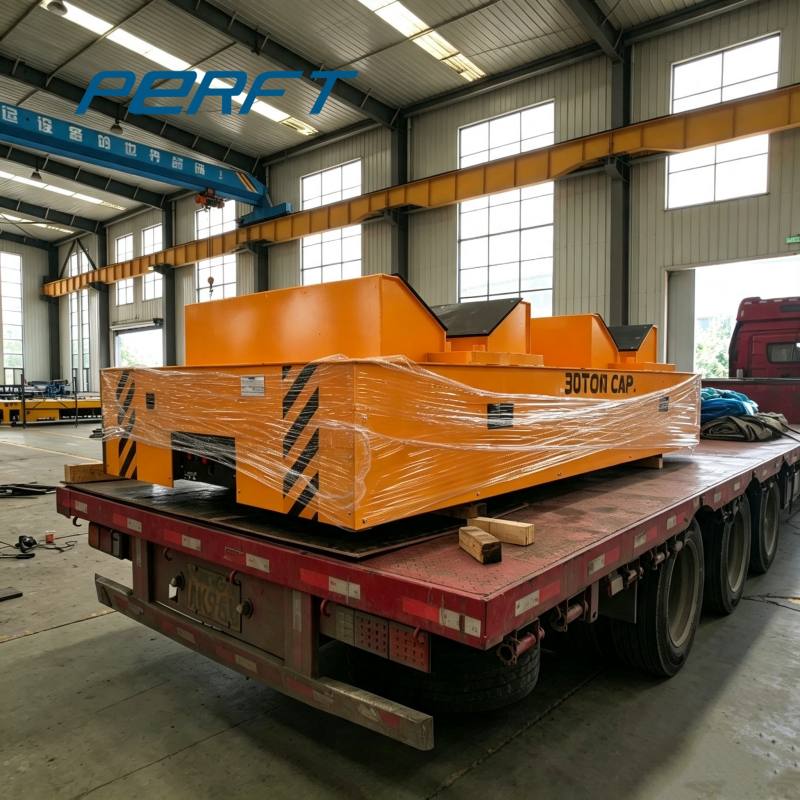
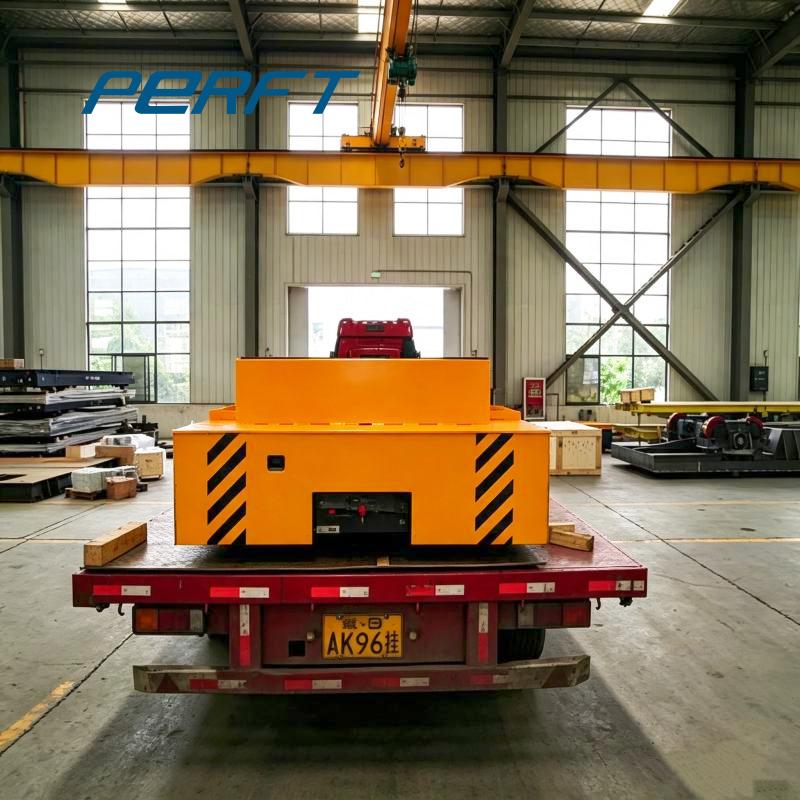
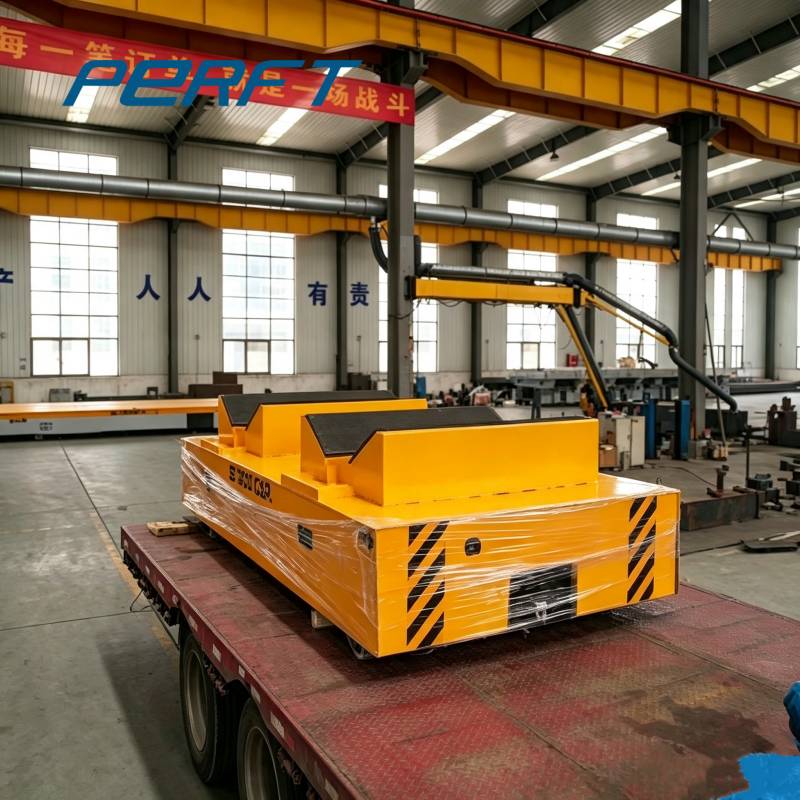
How to Select a V-Saddle Electric Cart for Your Workshop
This guide details core steps to pick a qualified V-saddle electric cart for workshop steel coil transport. It covers calculating working load with safety margins, matching V-groove size to coil diameter and length, choosing battery trackless or rail-powered modes, and inspecting floor bearing capacity, flatness and working environment. Proper selection avoids overload risks, ensures stable coil conveyance and prolongs equipment service life.
Figure Out the Required Load Capacity
Calculate the Maximum Working Load
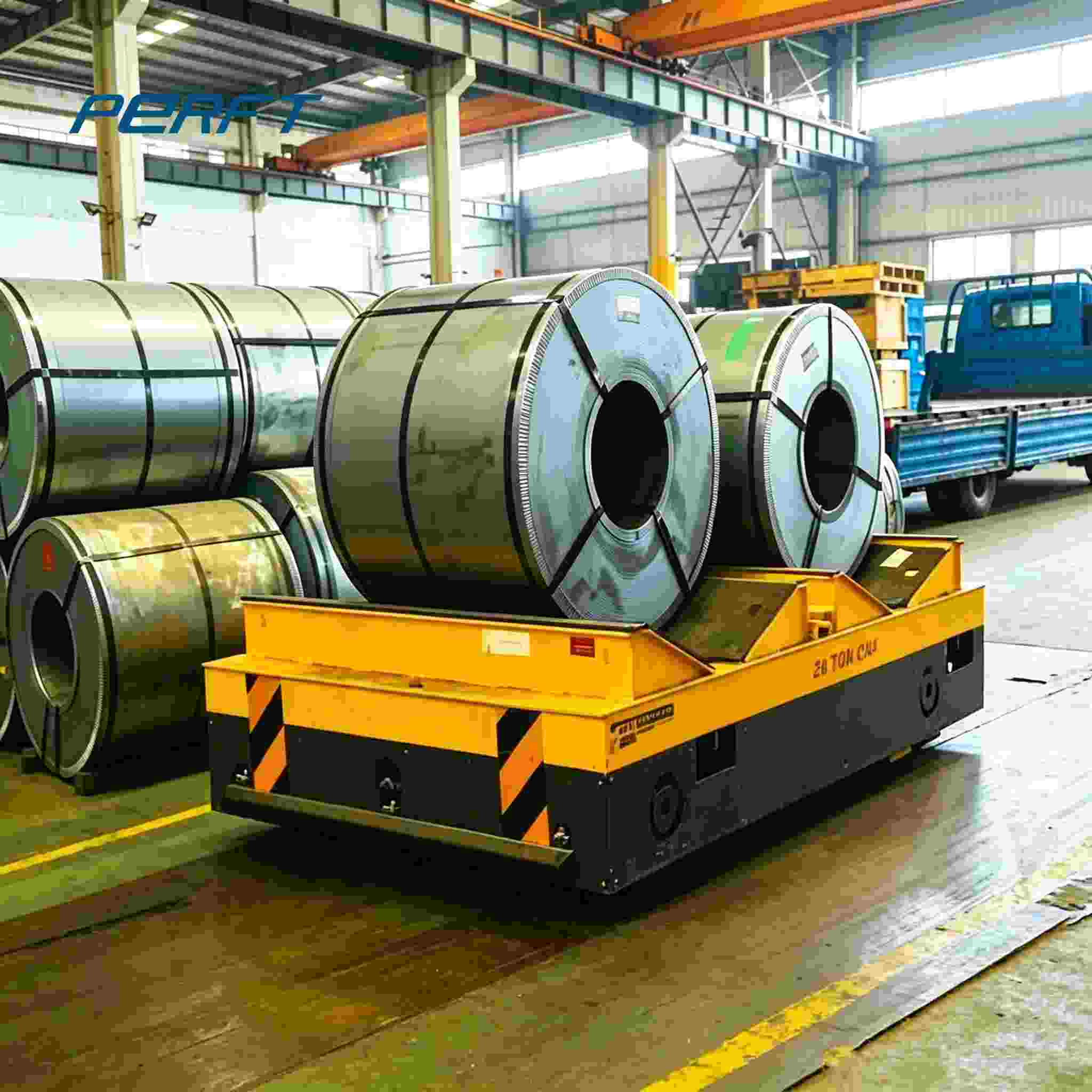
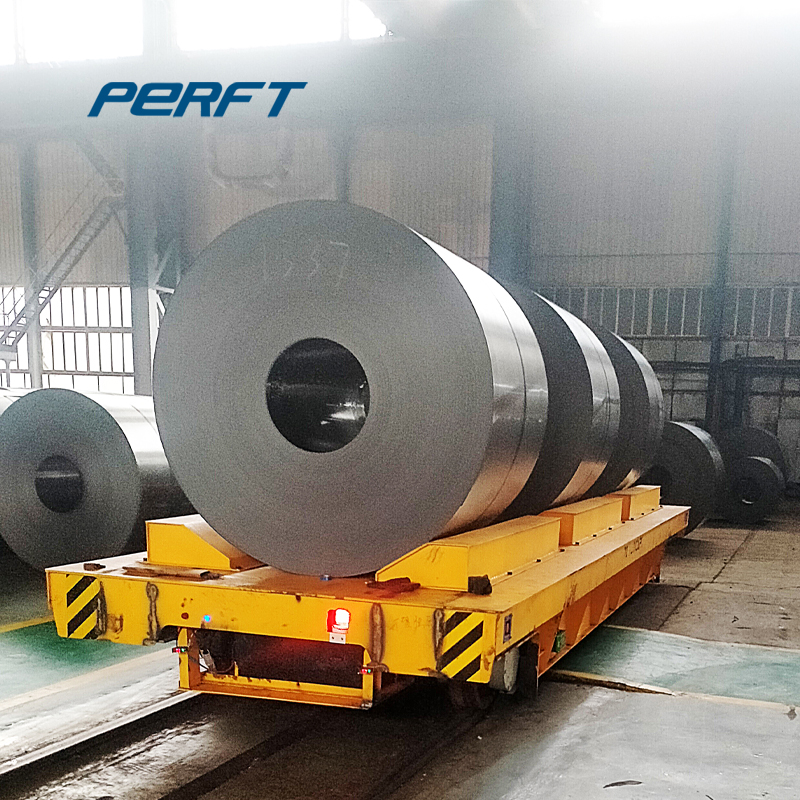
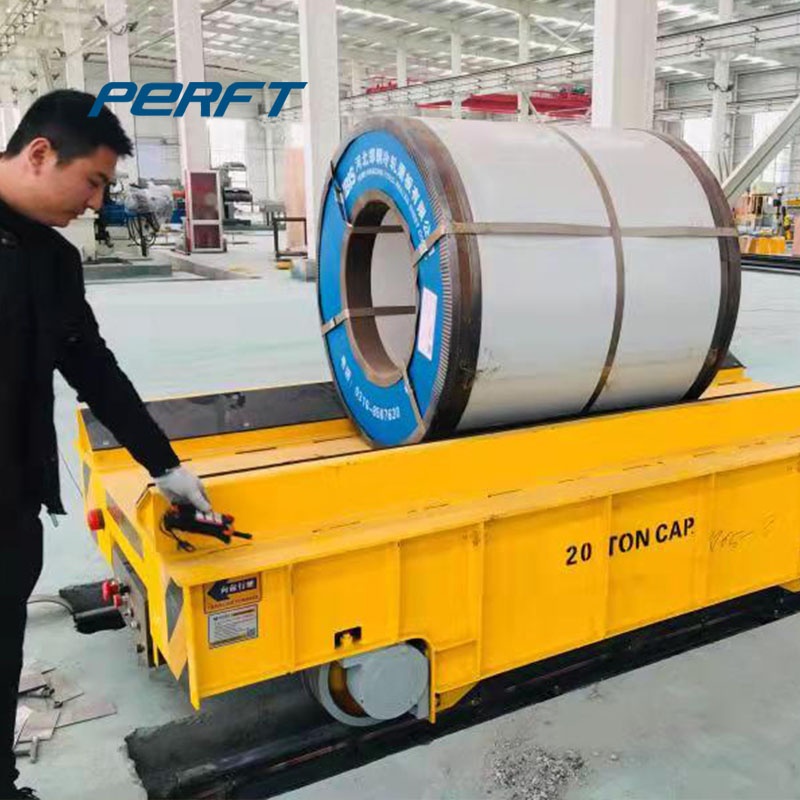
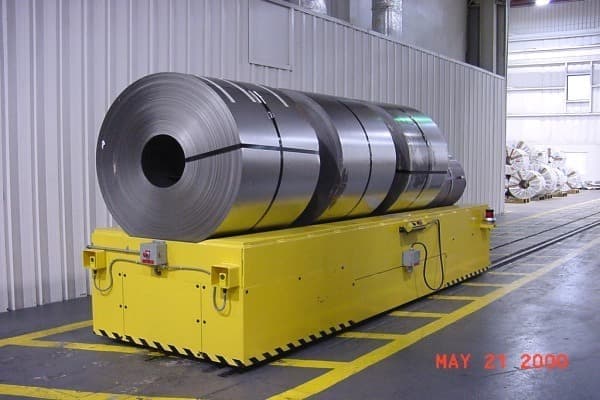
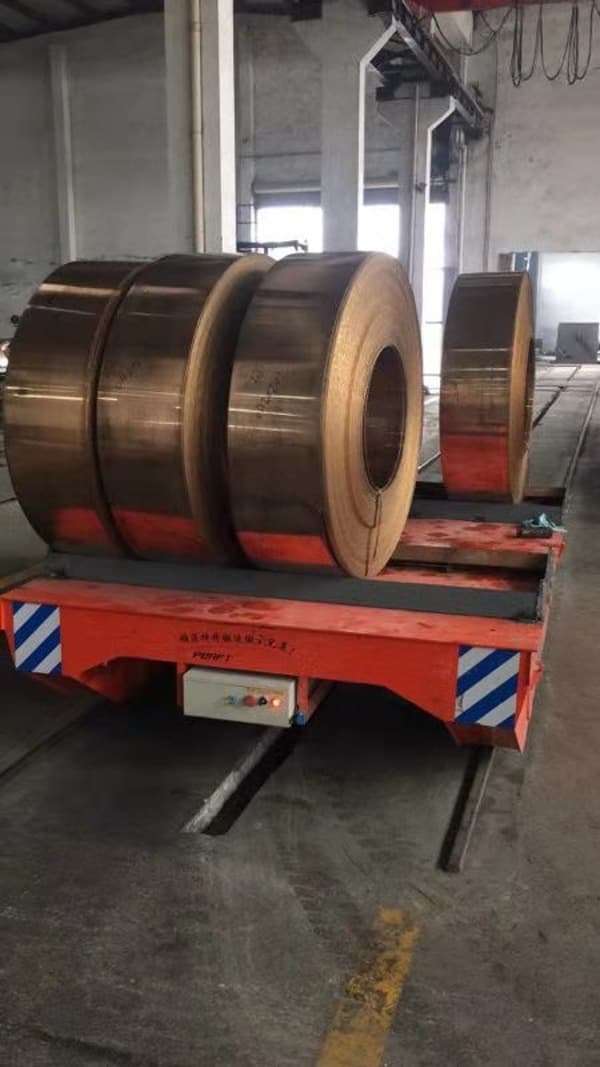
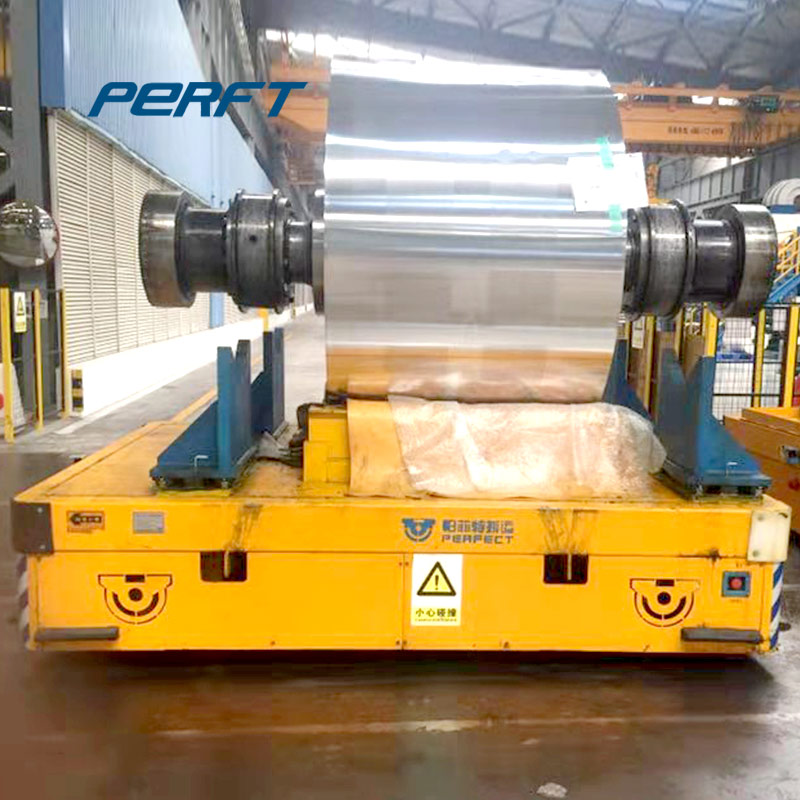
Start by confirming the heaviest single steel coil or cylindrical component that needs regular transportation. Remember to add the weight of fixing fixtures and auxiliary attachments to get the total gross load. A common purchasing mistake is only calculating based on average daily load weight, which easily leads to long-term overload operation.
Reserve a Sufficient Safety Margin
The rated load capacity of the transfer cart must always be higher than the maximum actual working load. Frequent full-load or overloaded runs will accelerate aging of the drive motor, battery system, and welded frame, shortening service life and raising breakdown risks. Setting aside a reasonable safety buffer protects both the equipment and on-site operational safety.
Common Standard Load Options
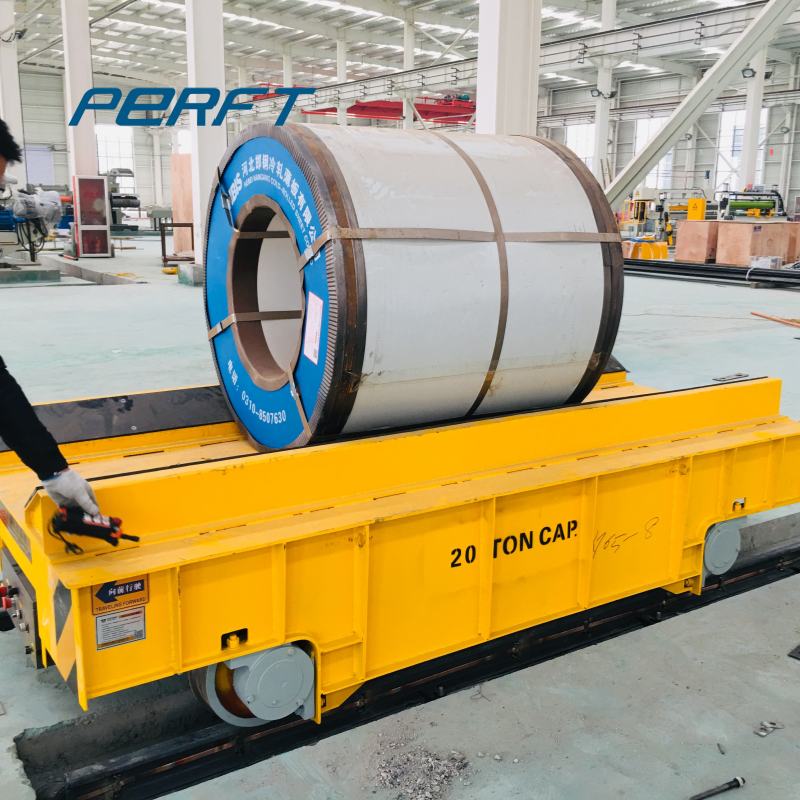
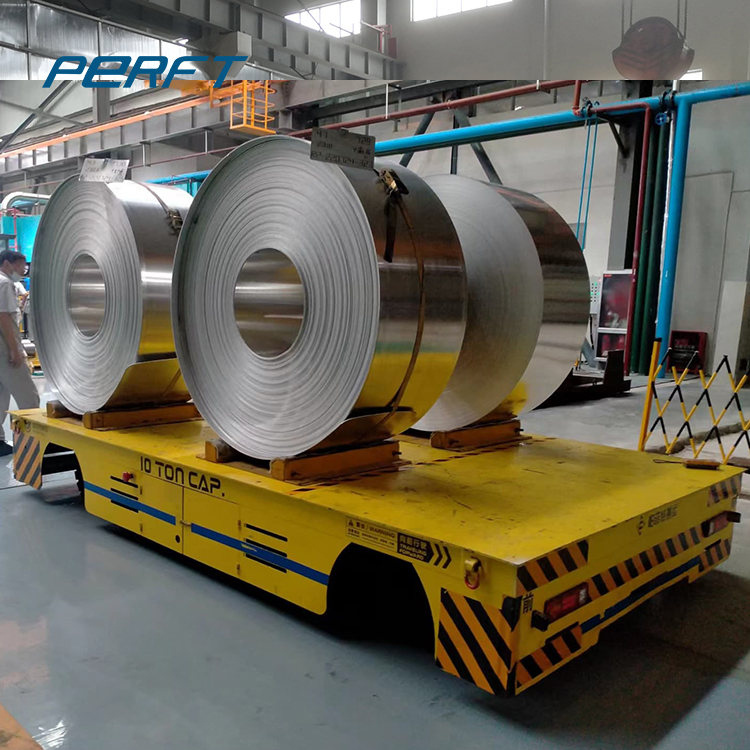
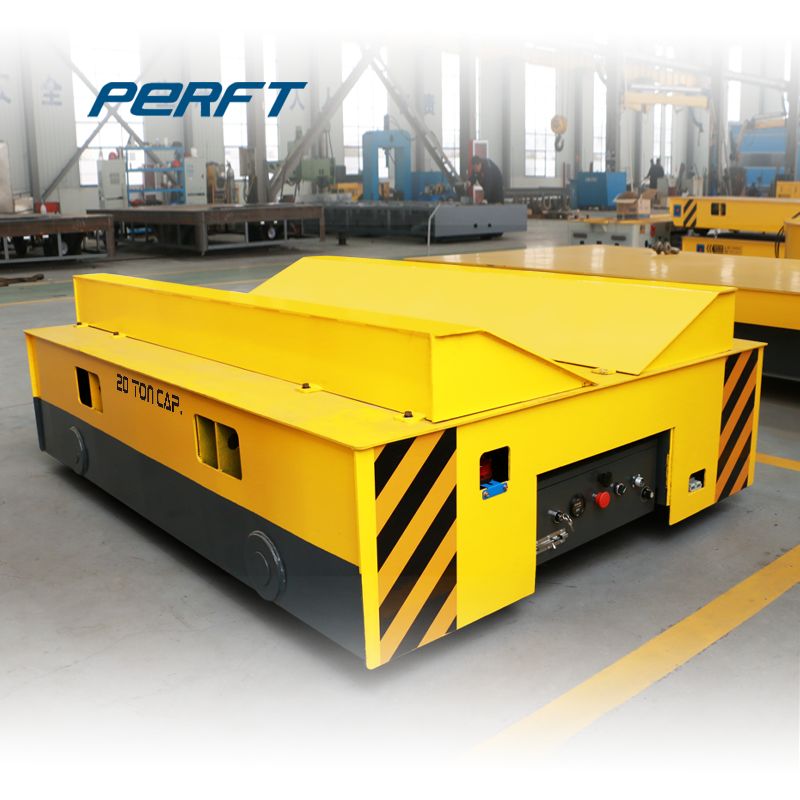
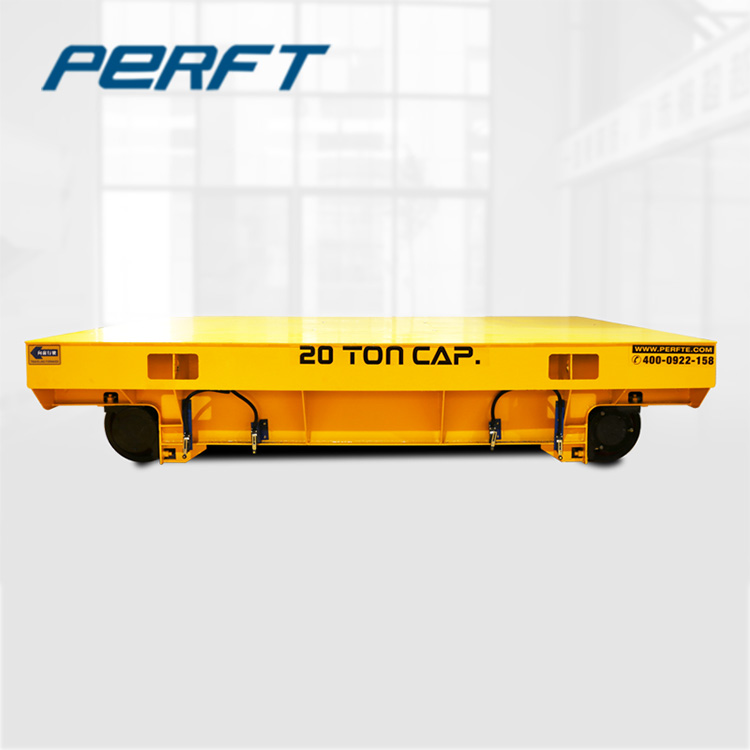
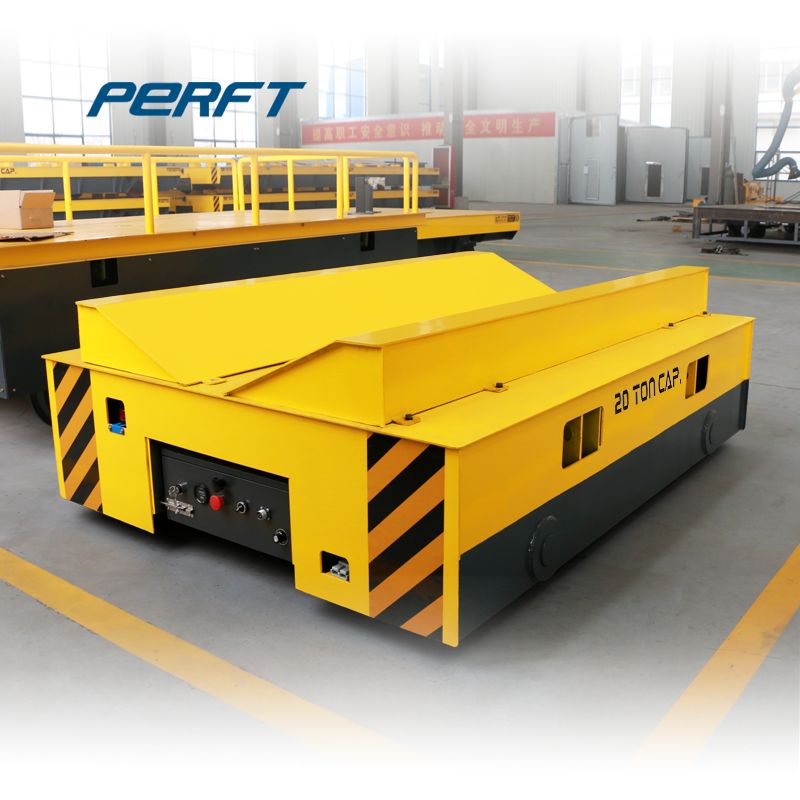
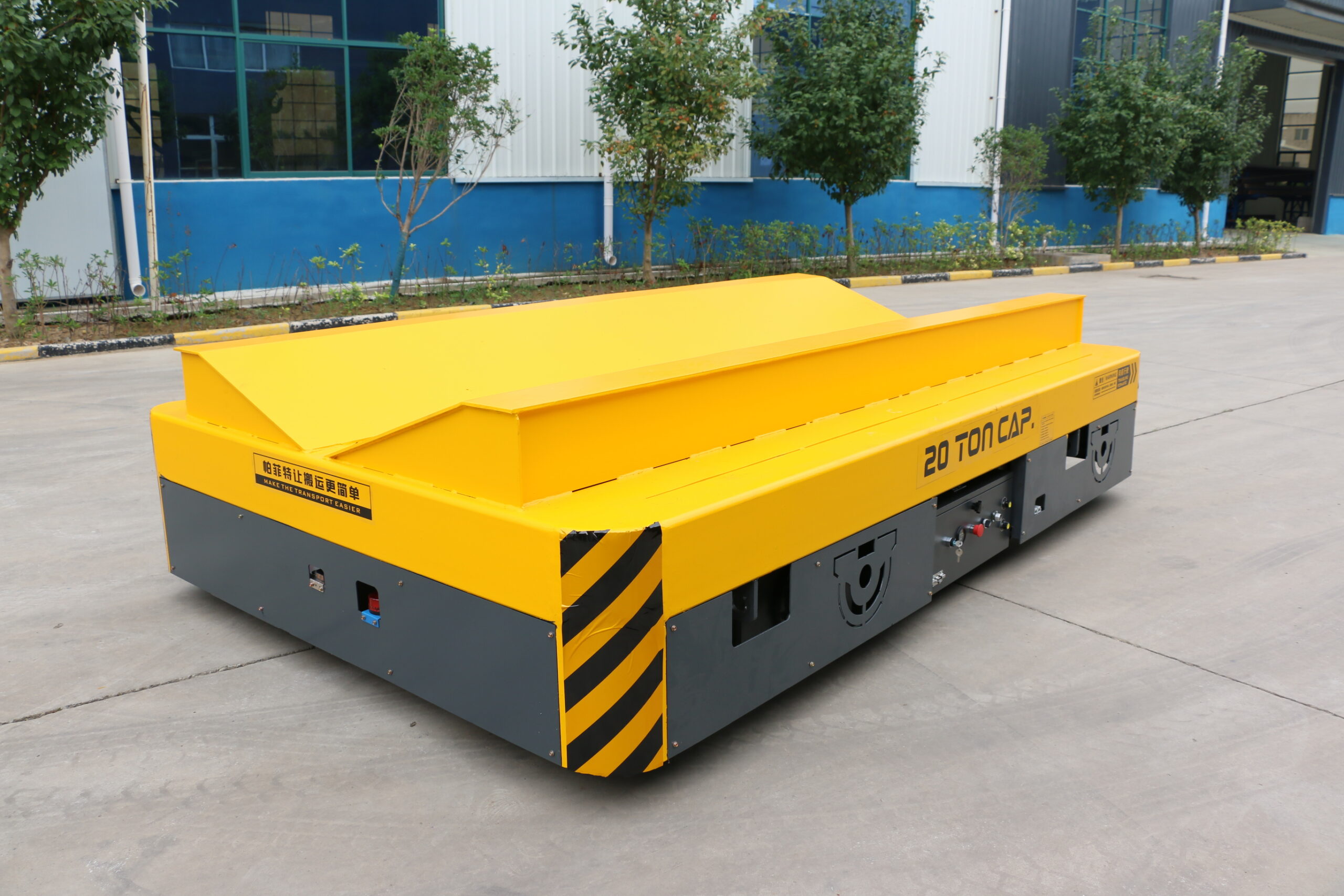
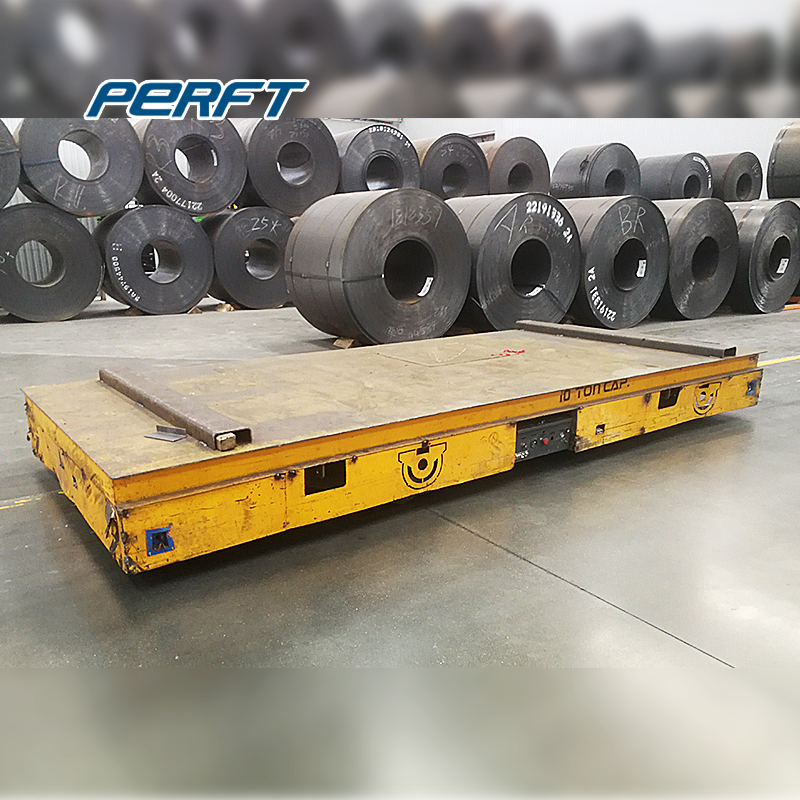
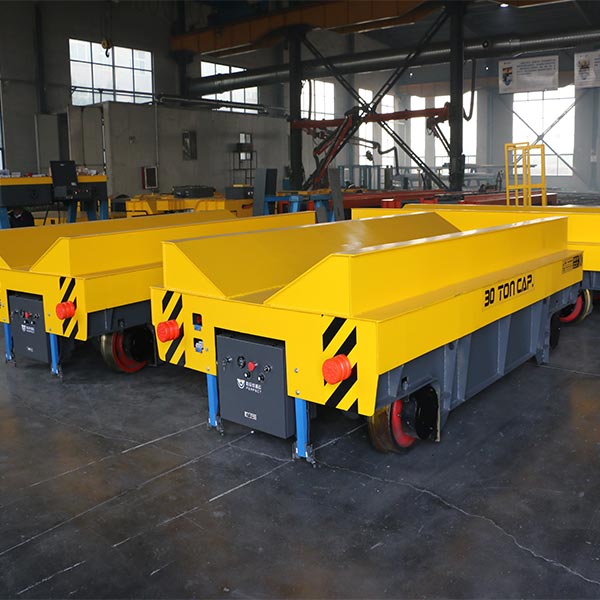
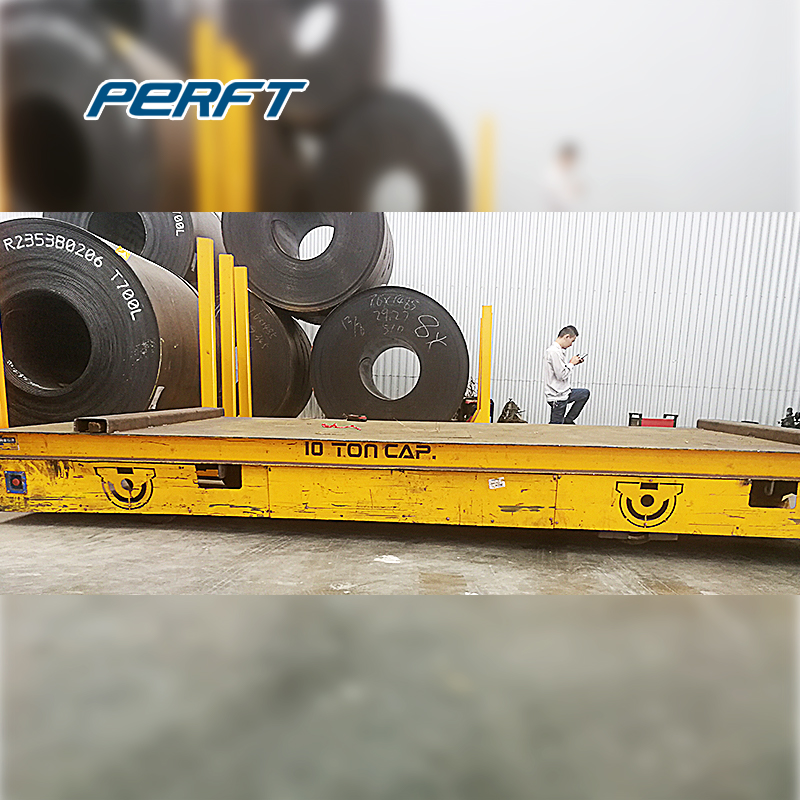
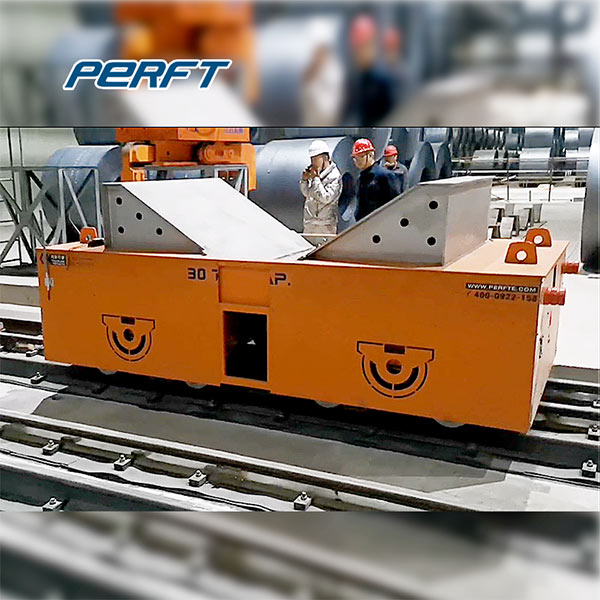
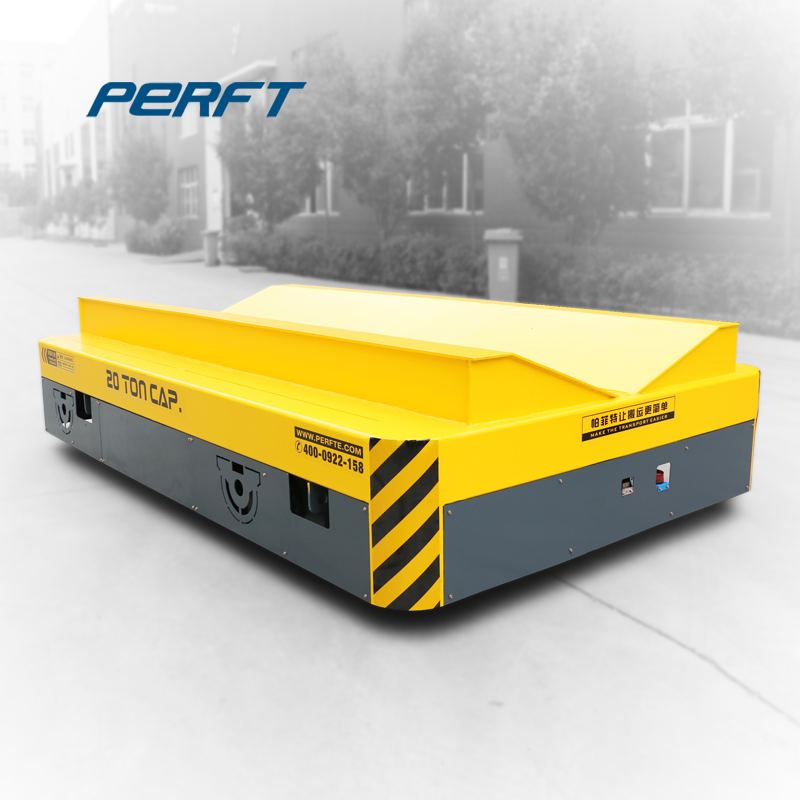
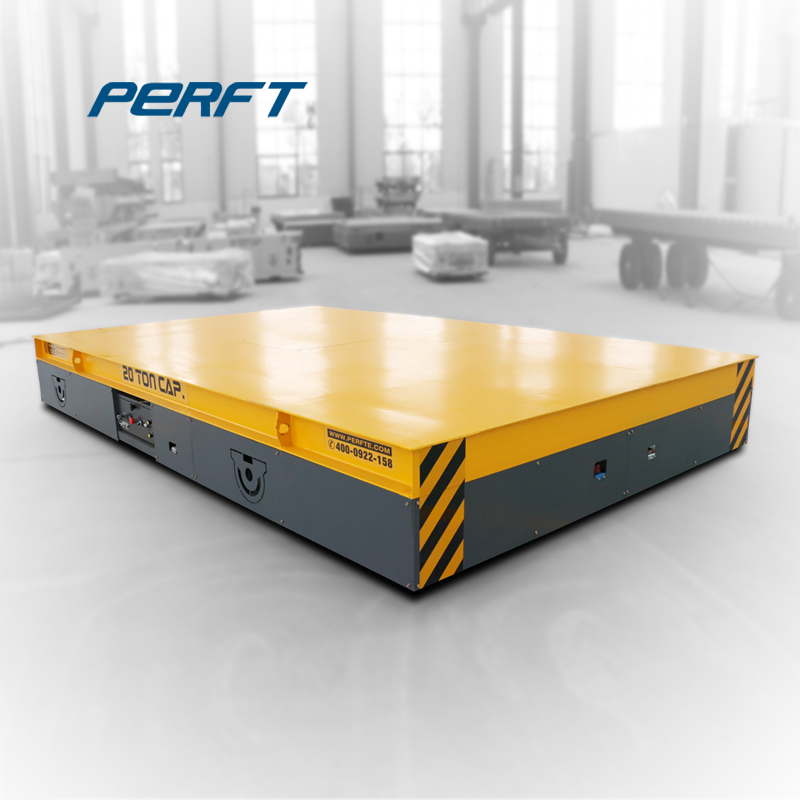
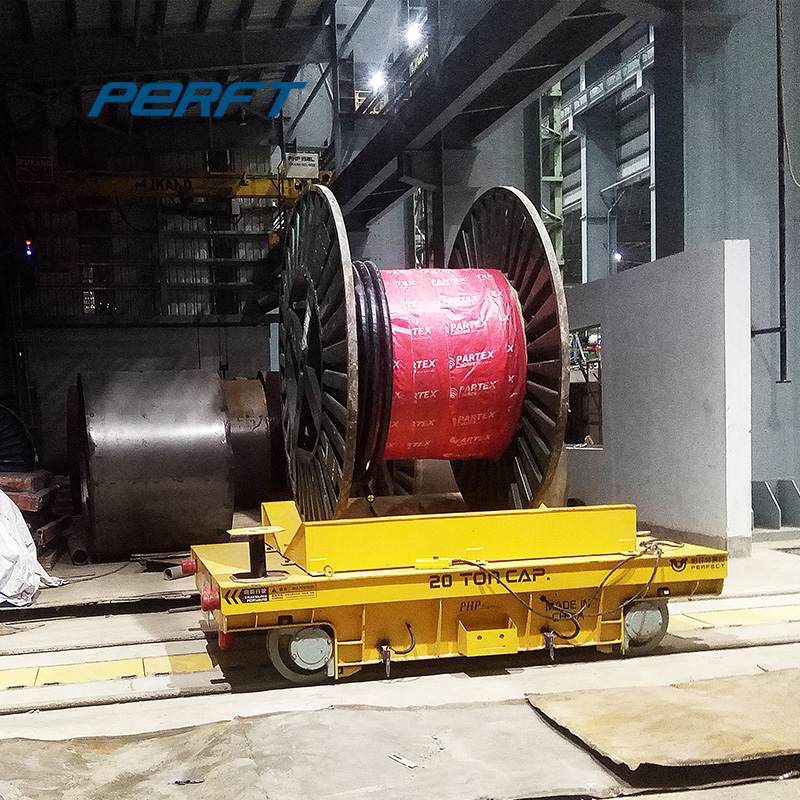
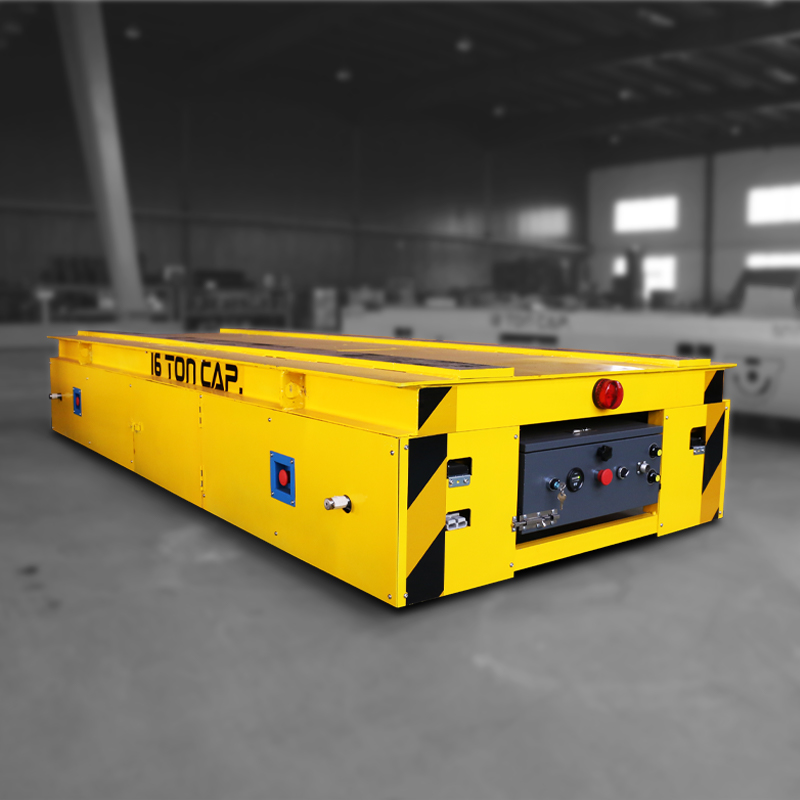
Standard ready-made models cover 10-ton, 20-ton, 30-ton, and 50-ton specifications, and heavier tonnages can be developed on request. It is highly recommended to customize the load rating according to real workshop throughput, maximum workpiece weight, and ground bearing conditions, rather than simply picking a generic standard model.
Select Appropriate V-Saddle Dimensions
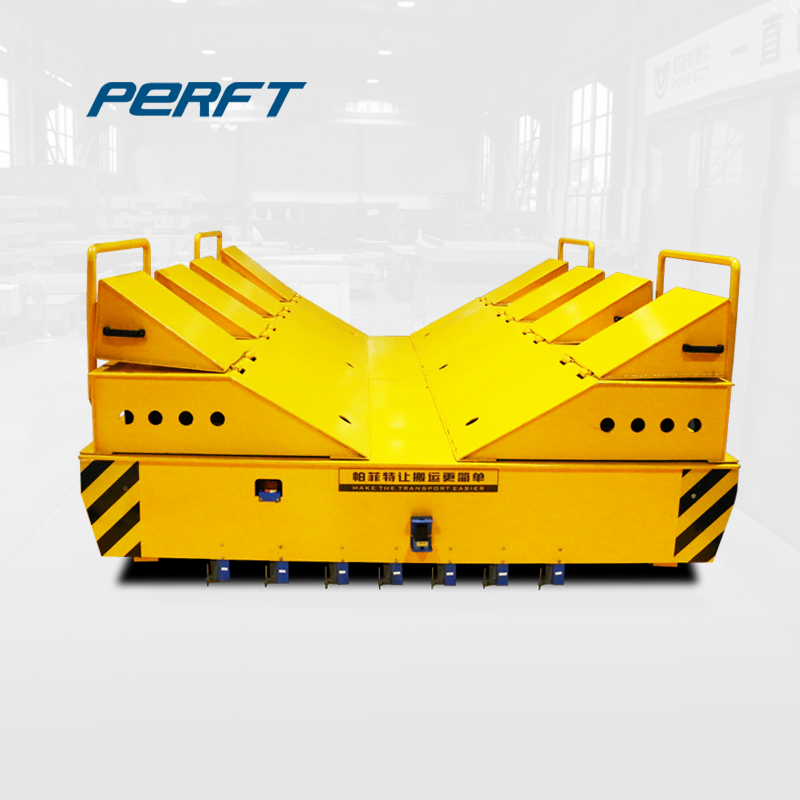
Match Saddle Size to Coil Diameter
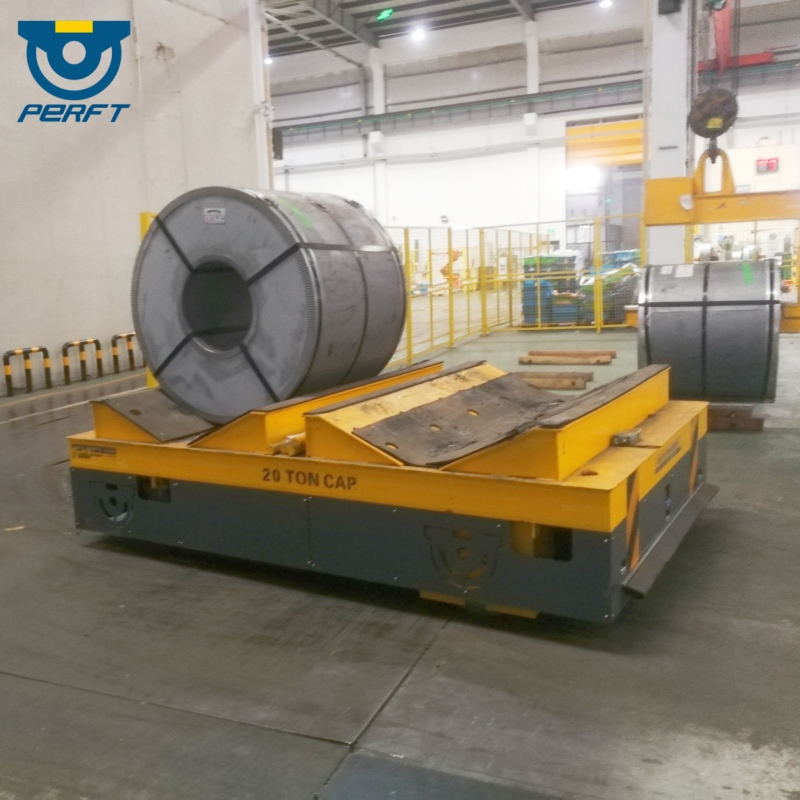
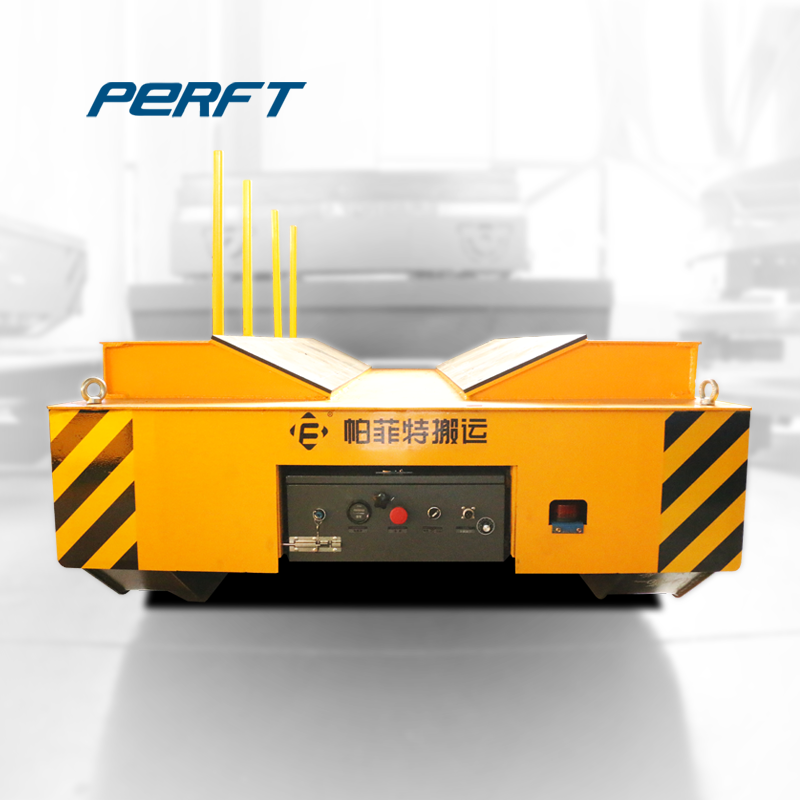
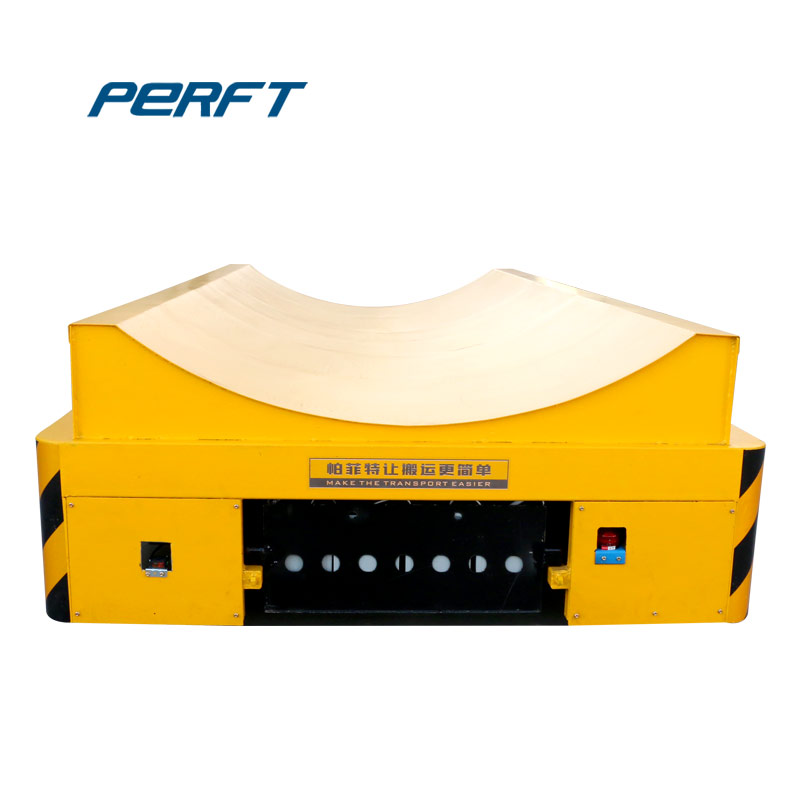
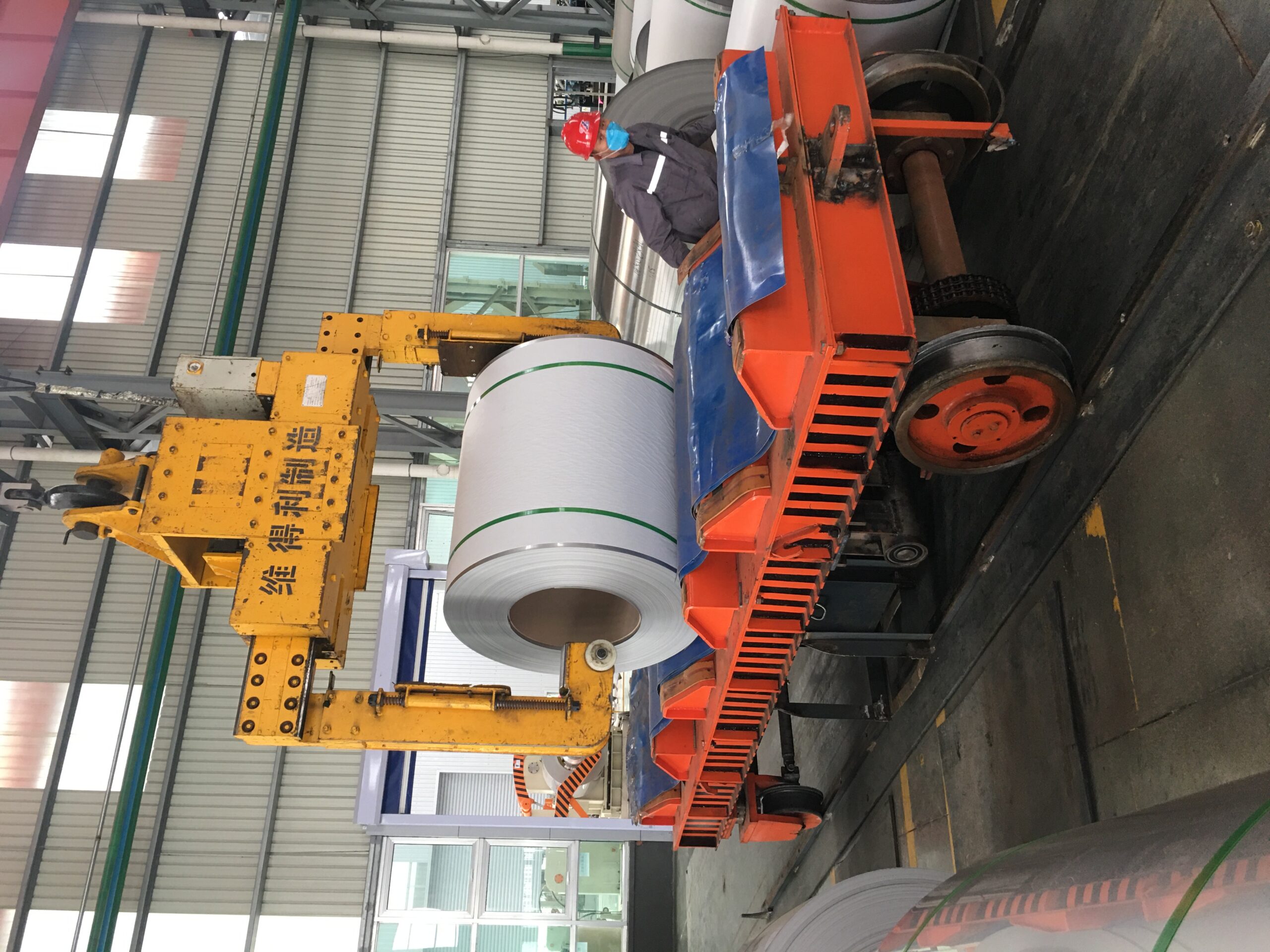
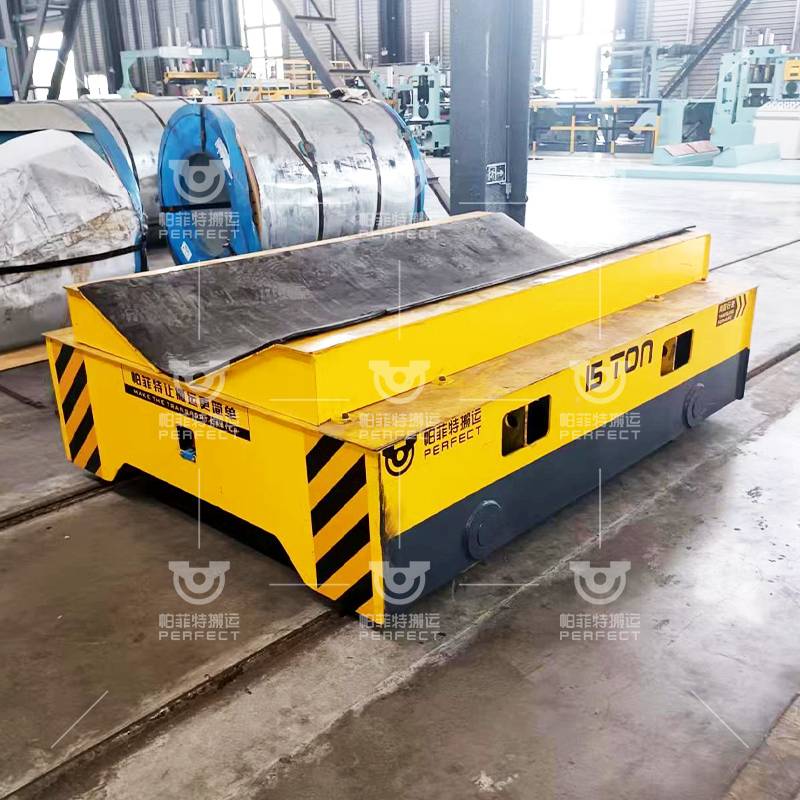
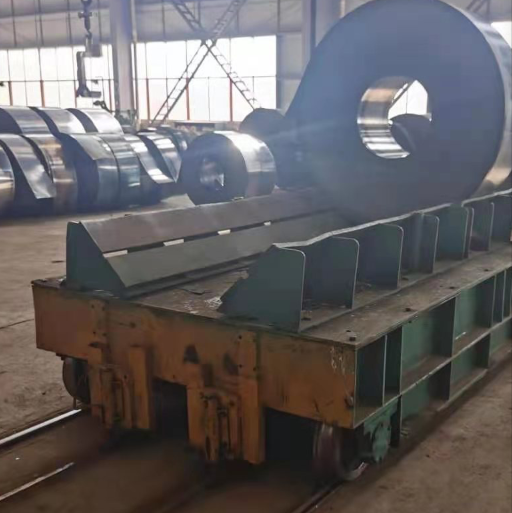
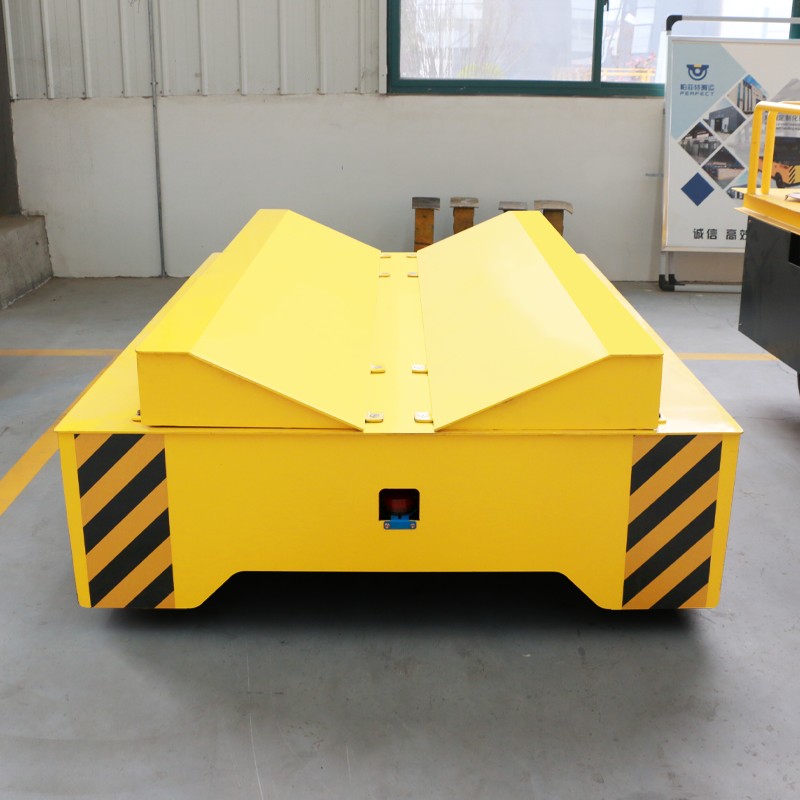
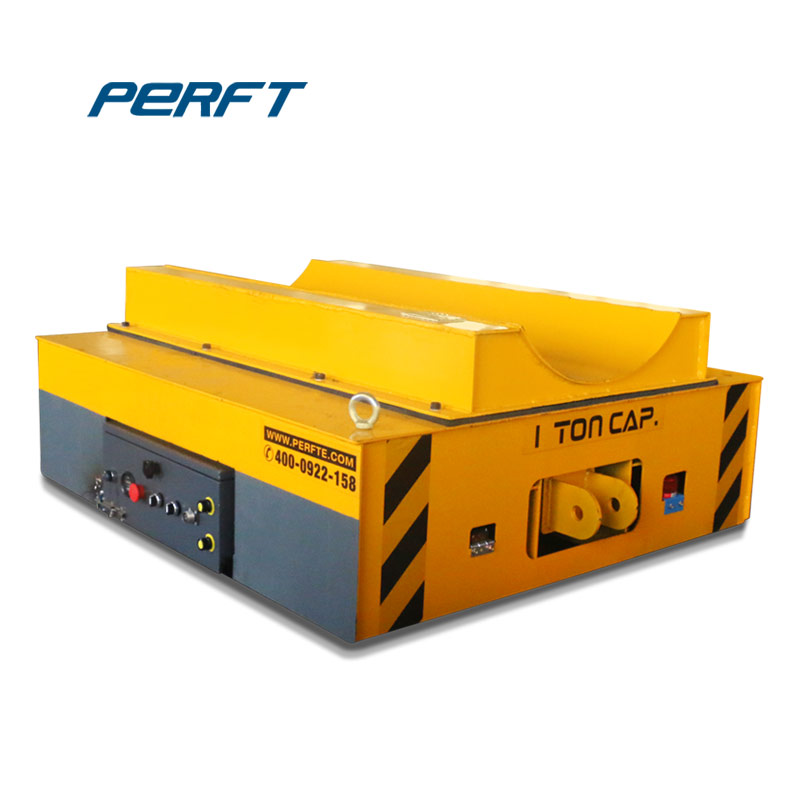
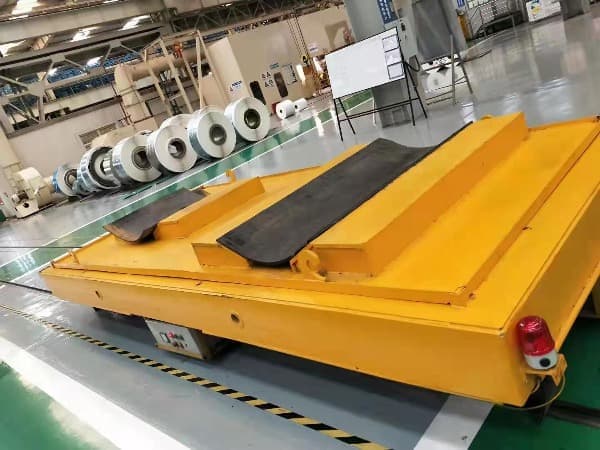
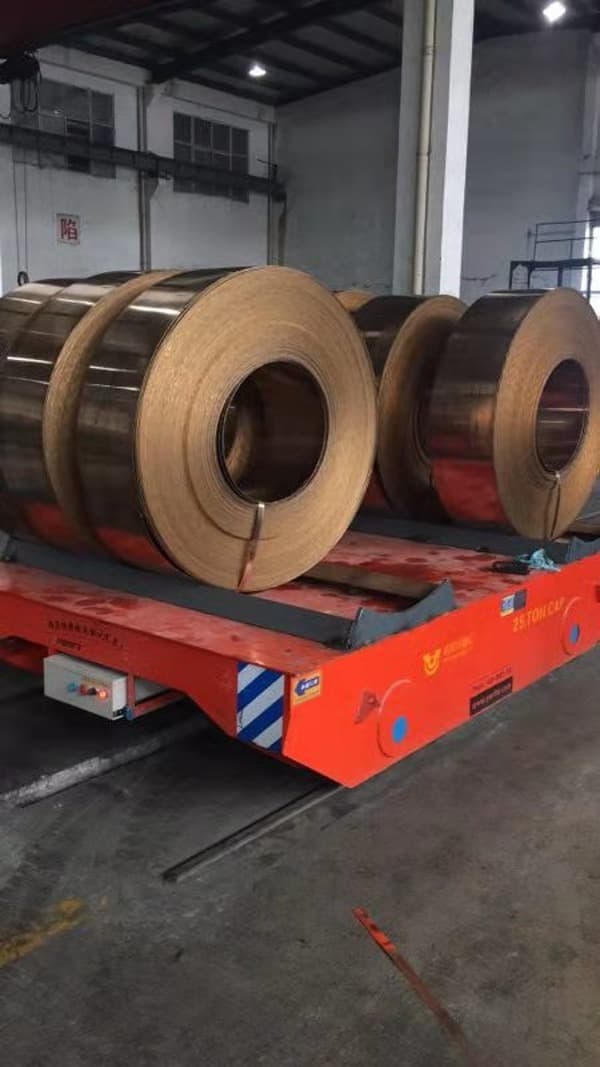
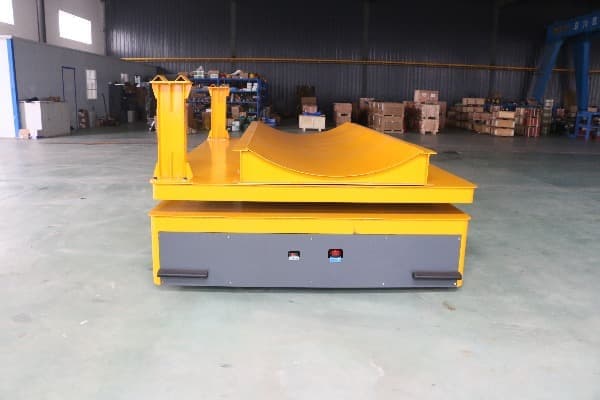
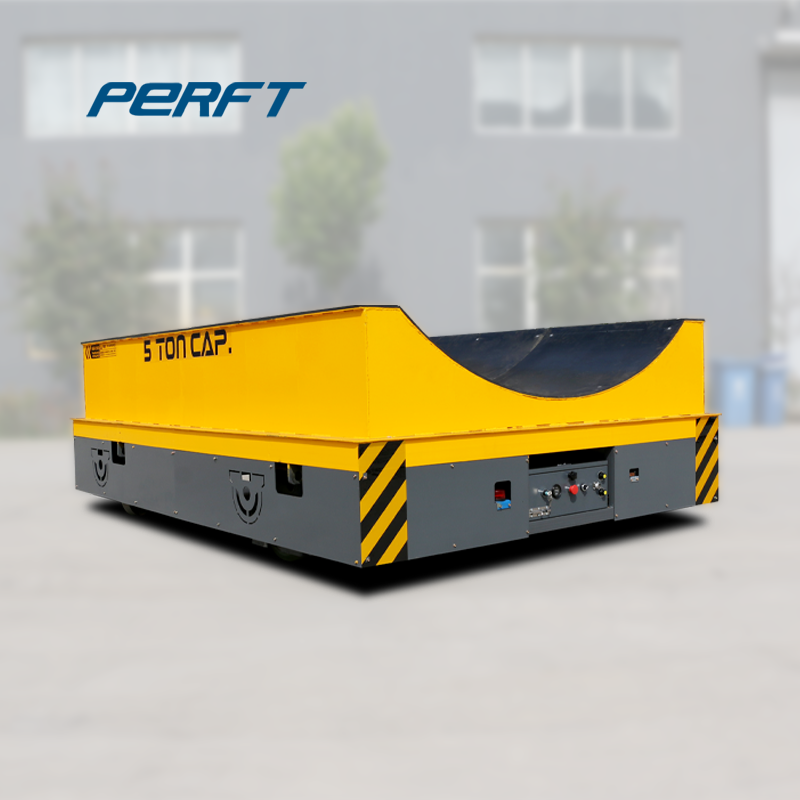
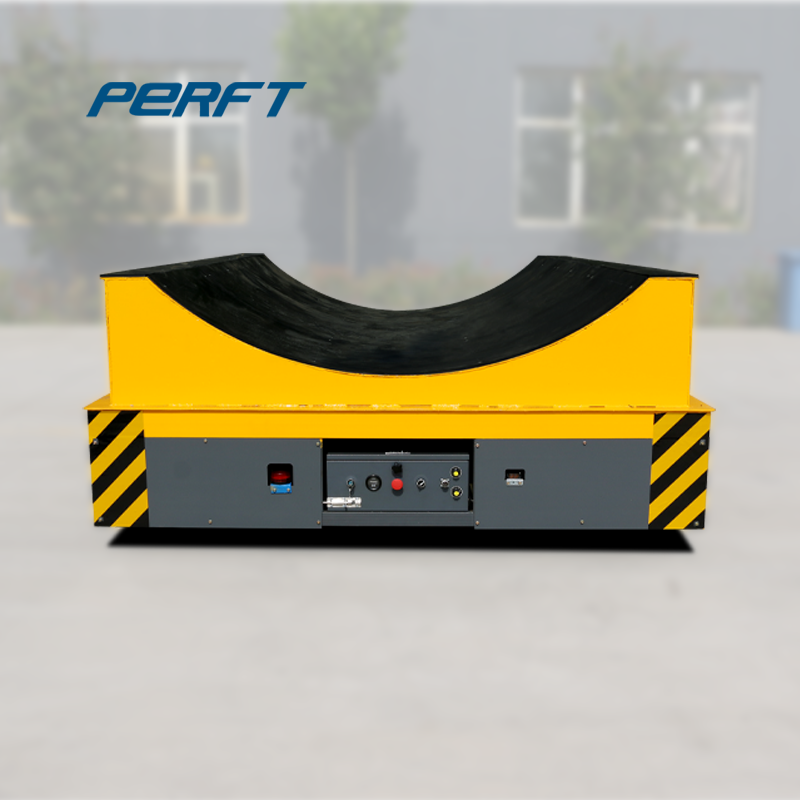
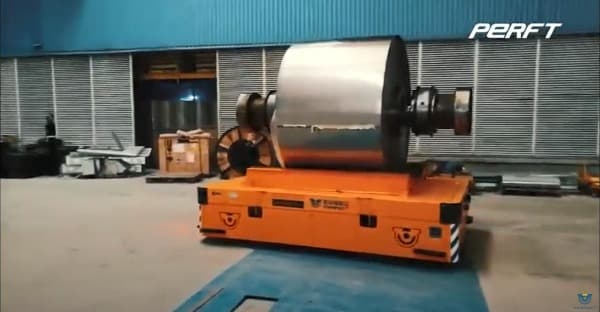
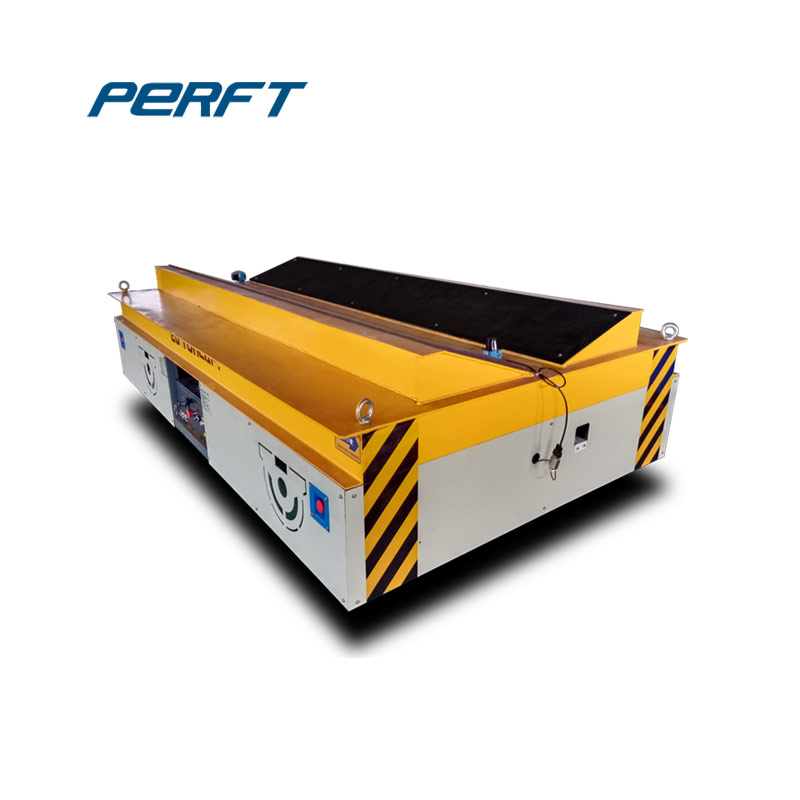
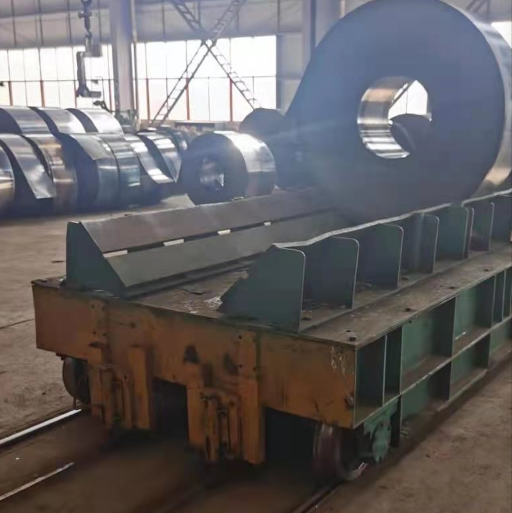
Take accurate measurements of the minimum and maximum outer diameters of all coils to be handled. Improper saddle dimensions will compromise load stability: an overly wide V-groove causes small-diameter coils to wobble, while a narrow opening fails to fully clamp larger rolls. Proper dimensional matching ensures the coil’s gravity sits right within the supporting area.
Account for Coil Width and Length
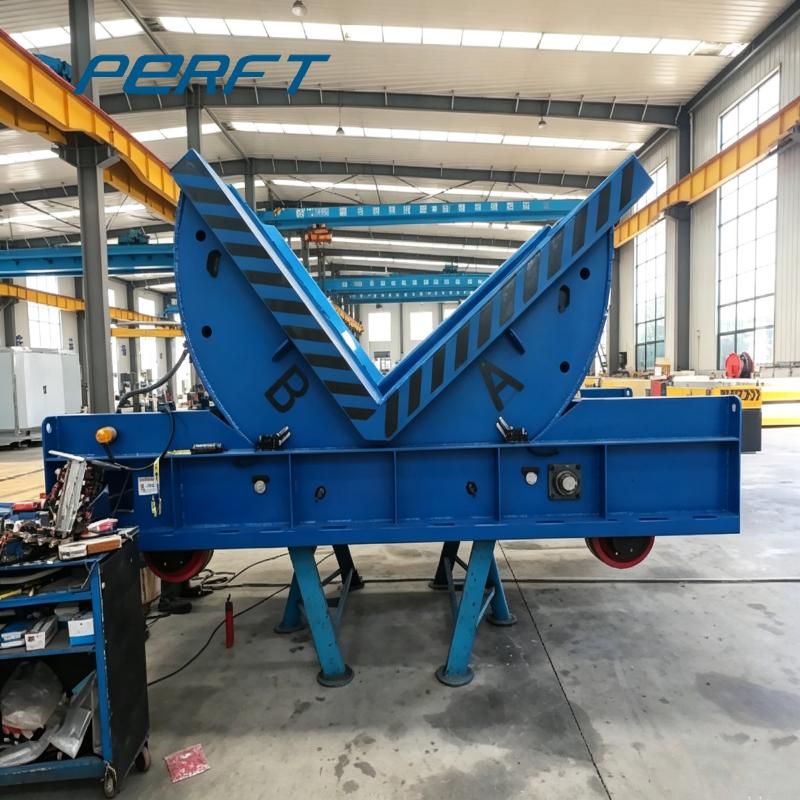
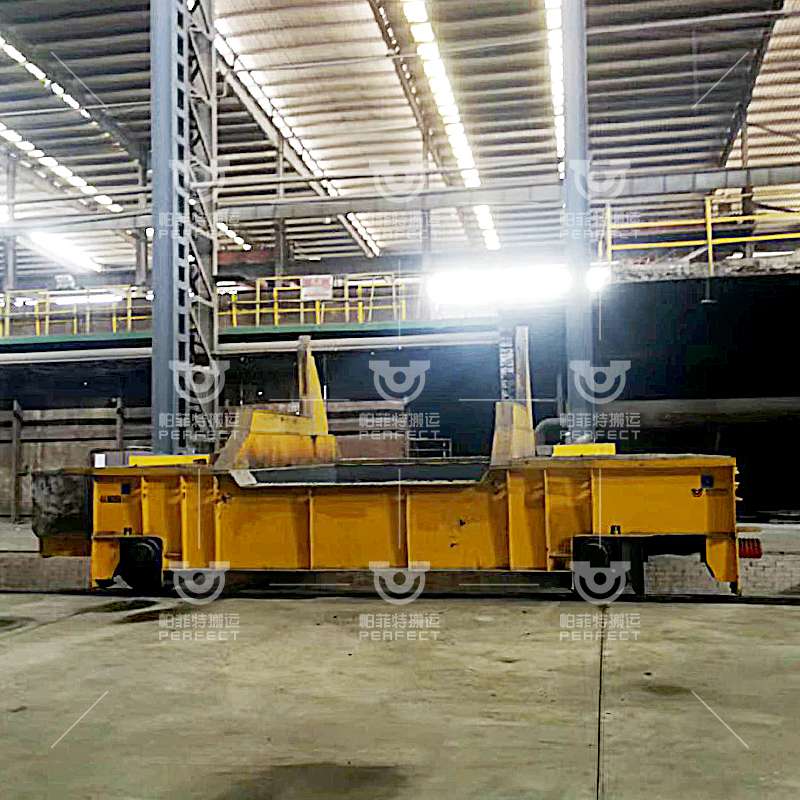
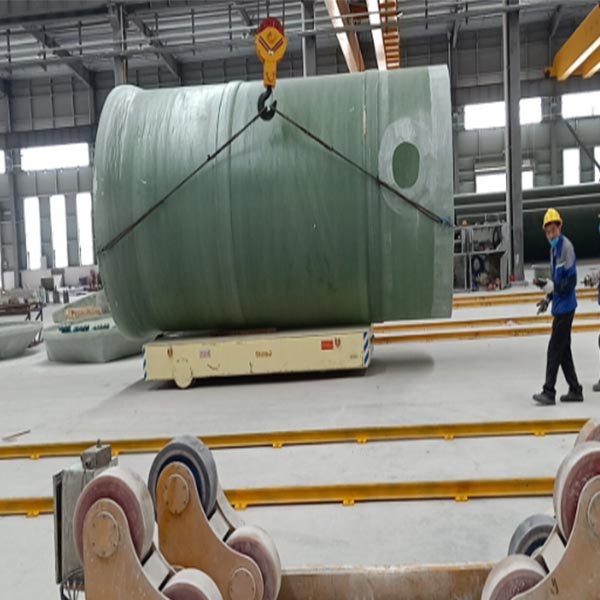
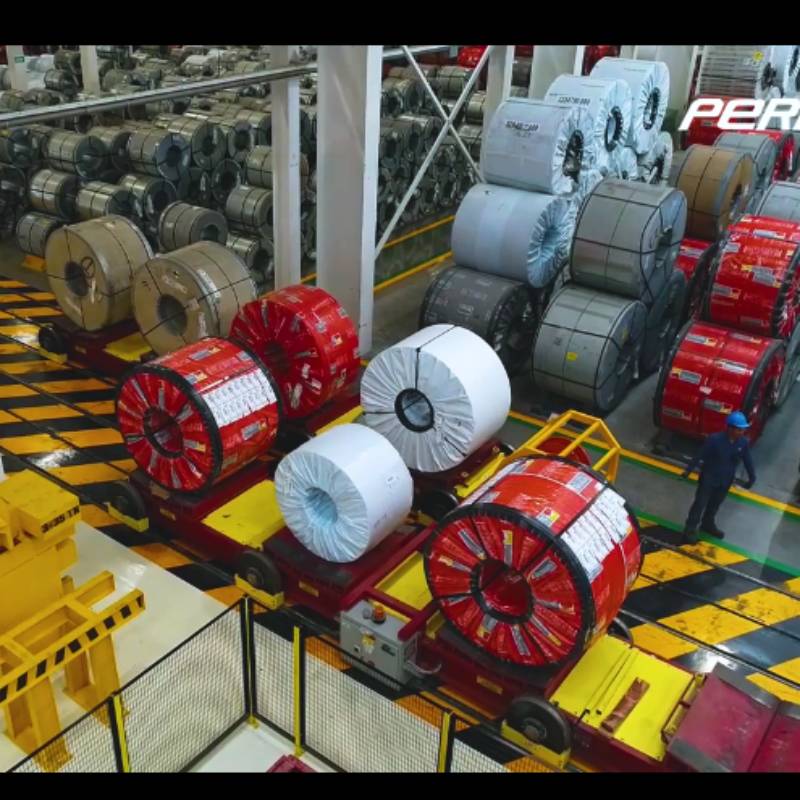
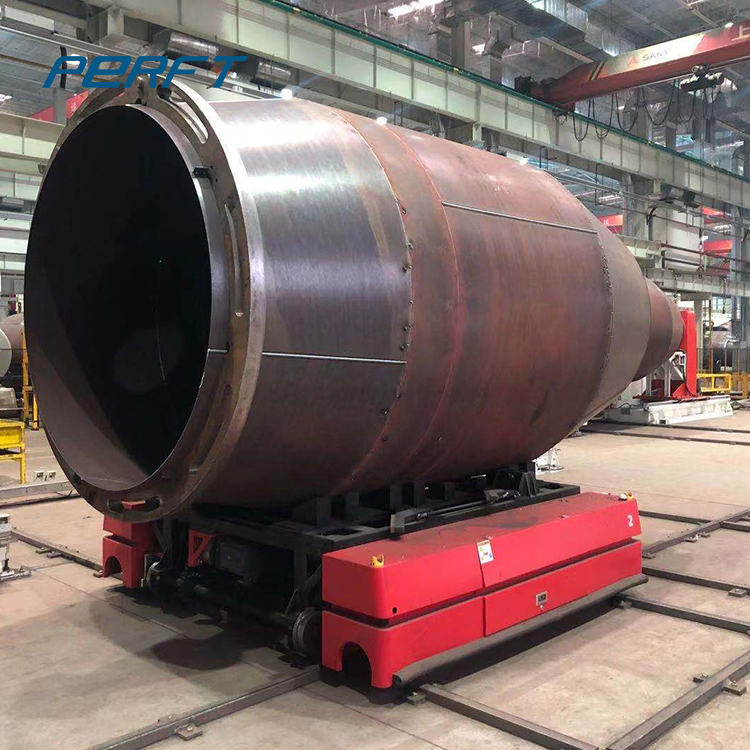
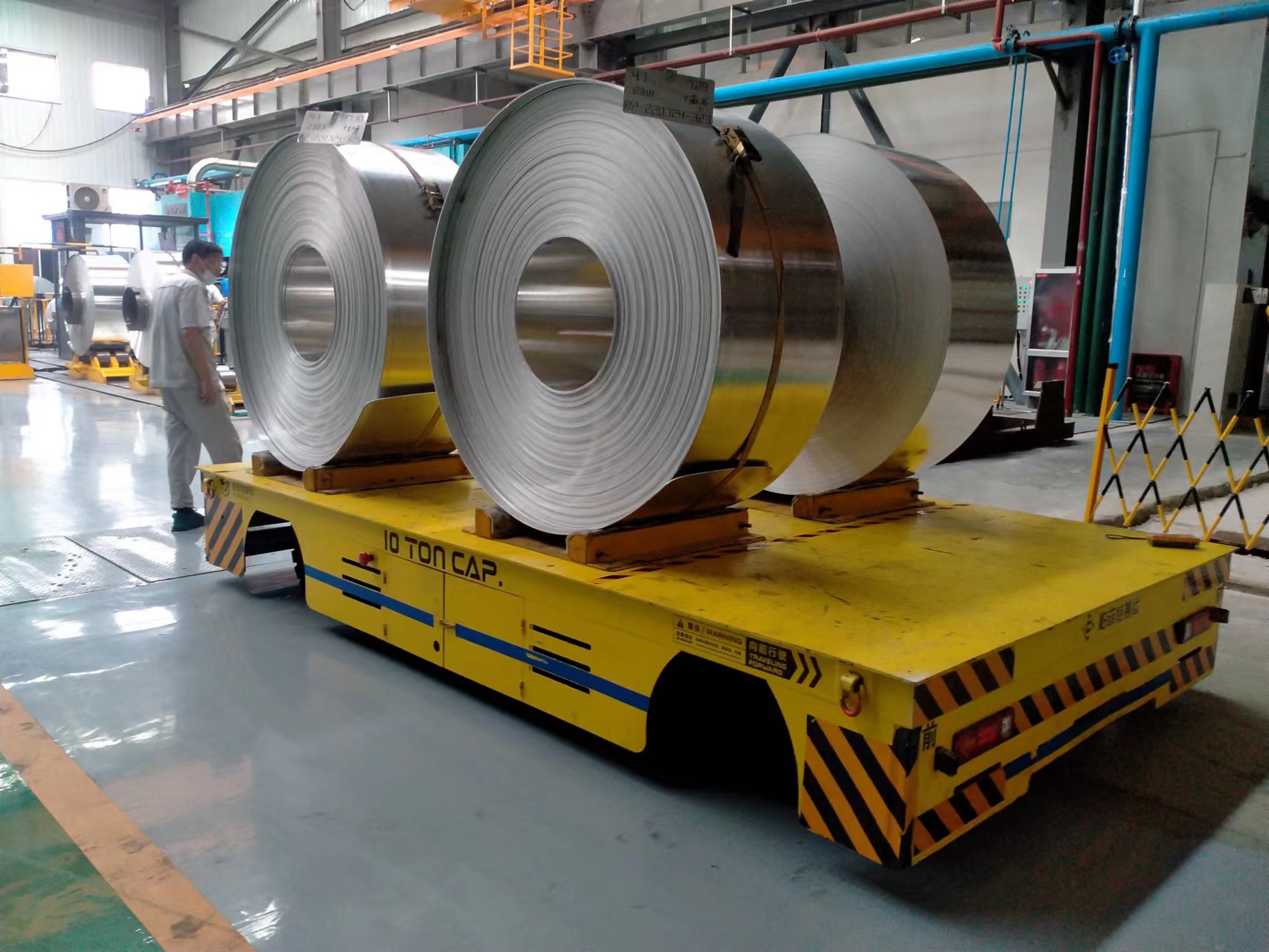
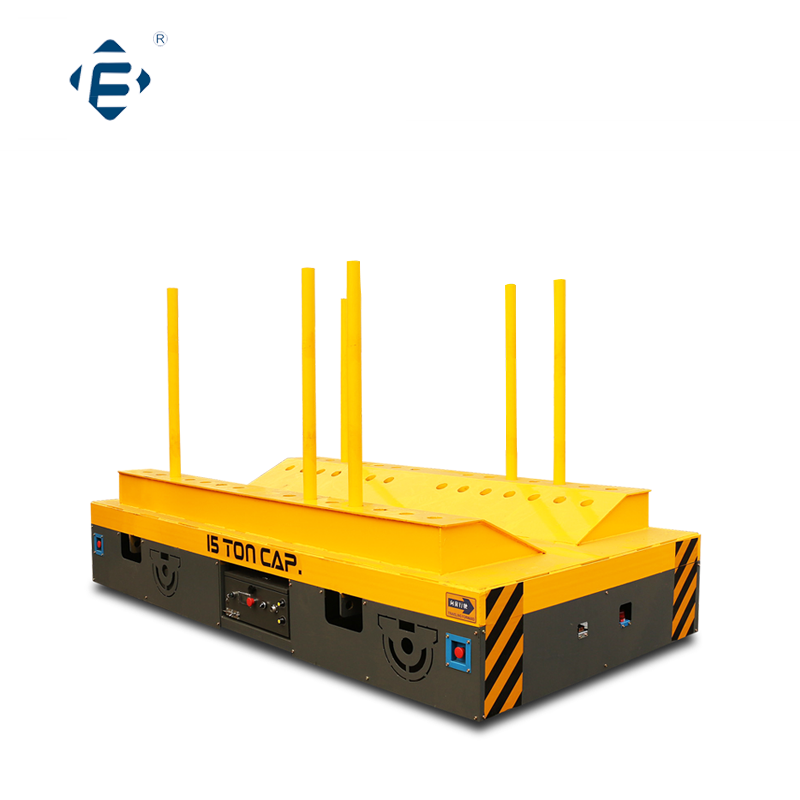
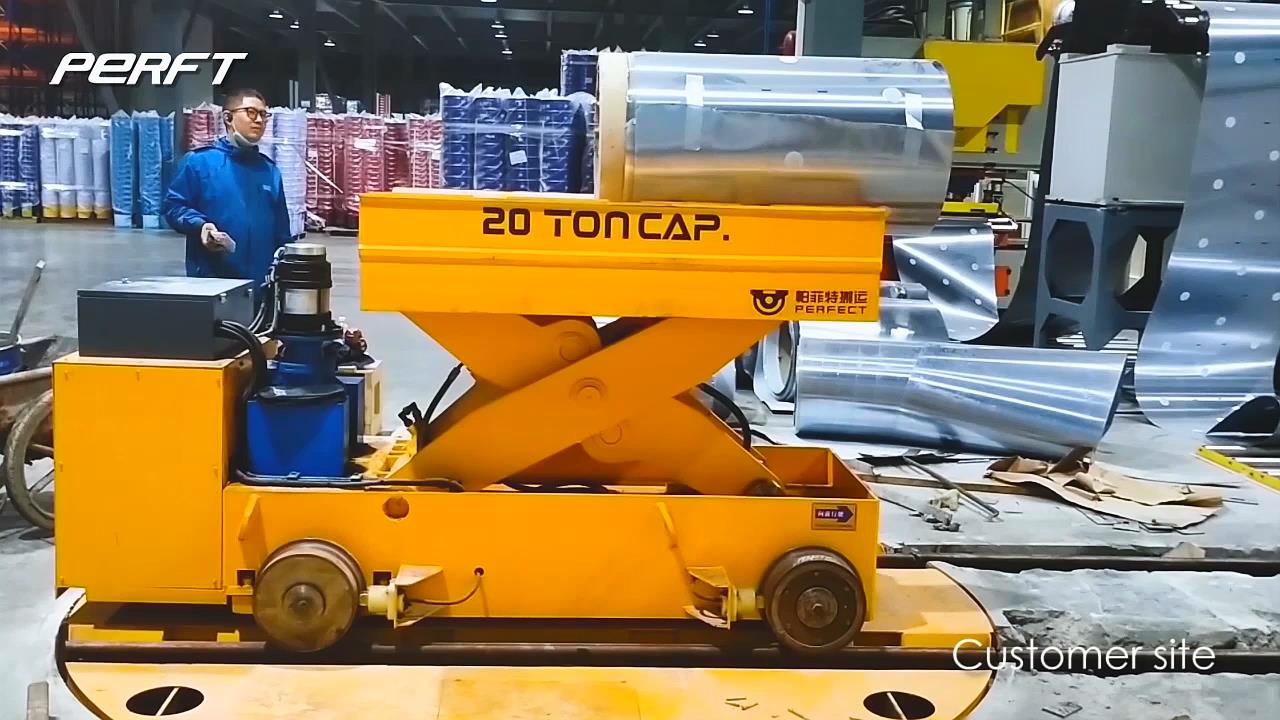
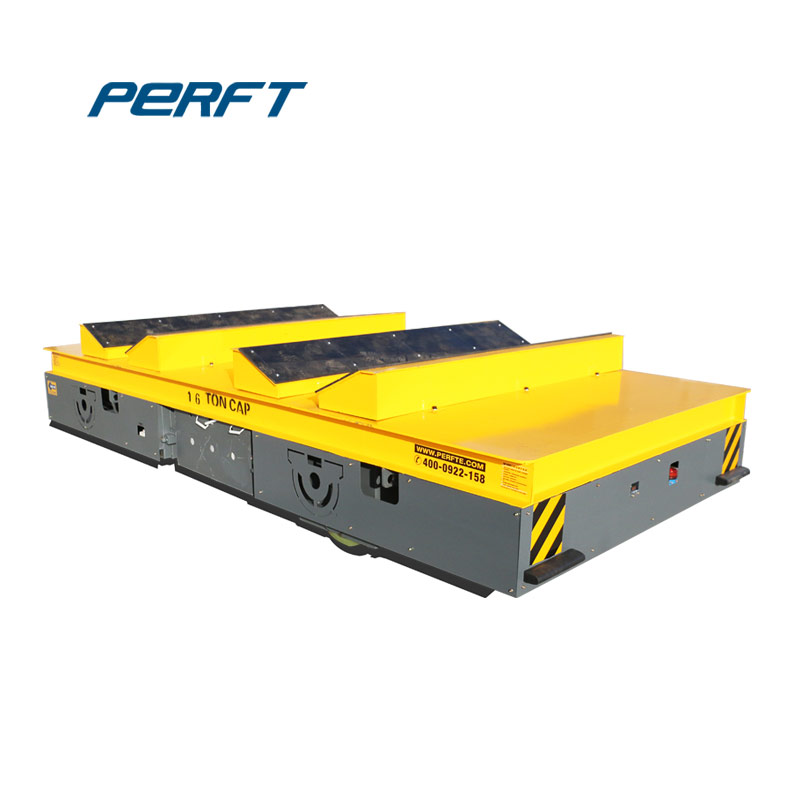
Make sure the entire cylindrical workpiece receives full surface support on the saddle. Avoid excessive overhang on both ends of the coil, as protruding sections shift the center of gravity and create uneven stress on the cart chassis. Extra-long tubular products can be fitted with extended dual V-saddle structures for balanced bearing.
Determine the Right Platform Overall Size
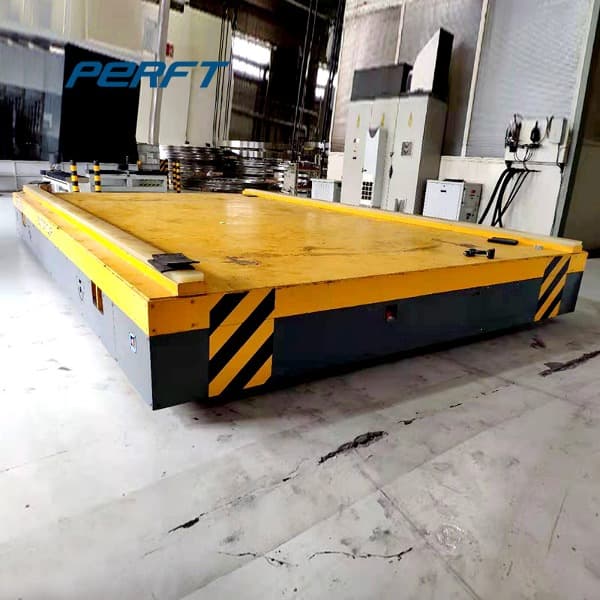
The platform length and width should align with on-site material handling routines. Strike a balance between reliable load support and available workshop aisle space. An oversized cart will lose maneuverability in narrow passages, while an undersized base cannot guarantee stable transportation for bulky, heavy parts.
Pick the Suitable Power Supply Mode
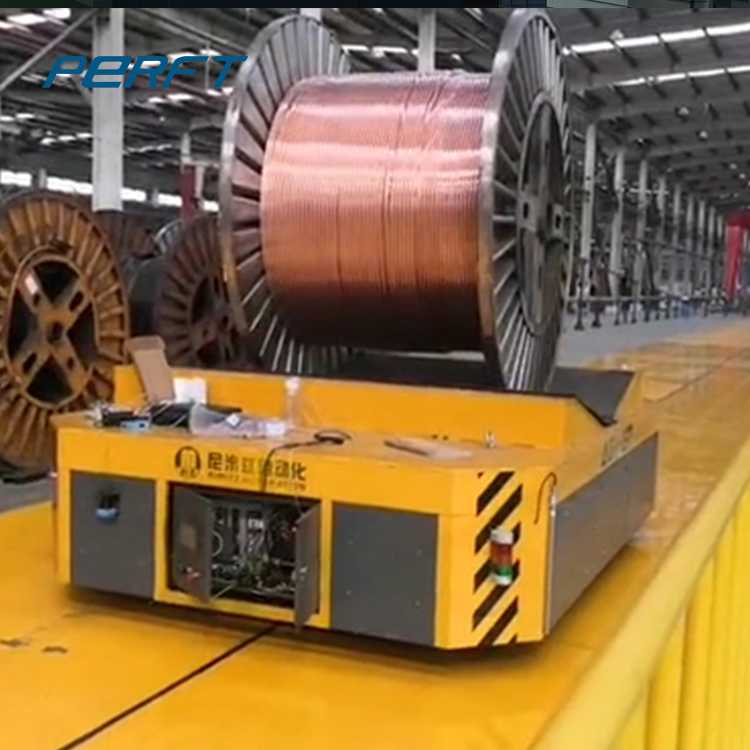
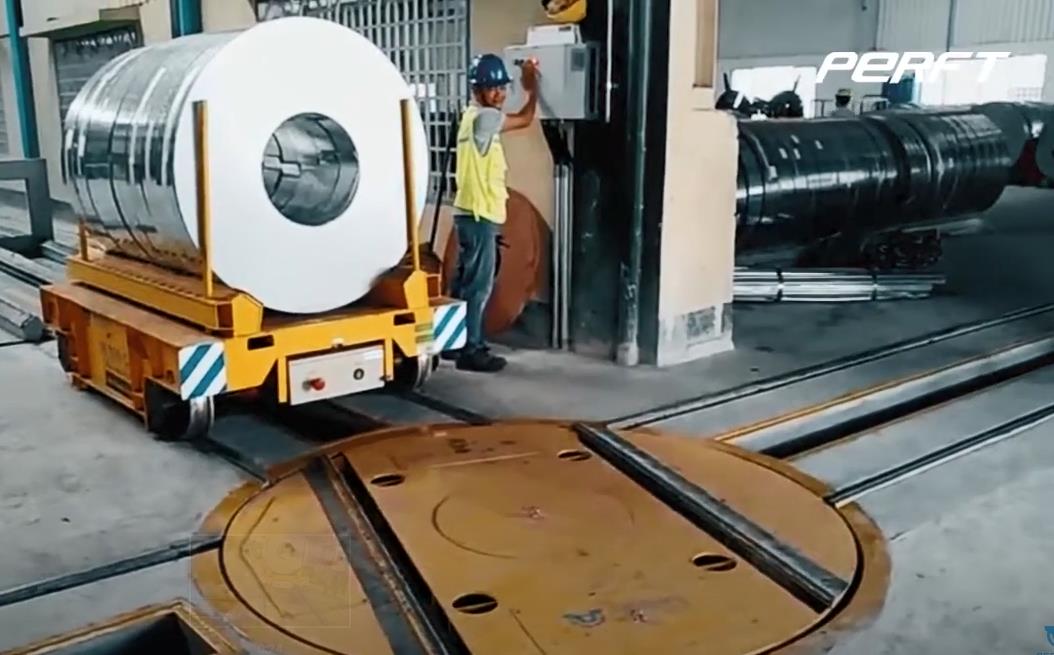
Battery-Powered Trackless V-Saddle Cart
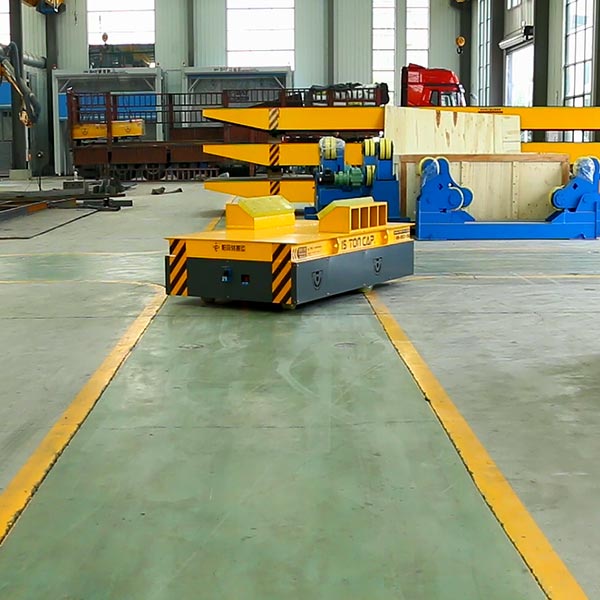
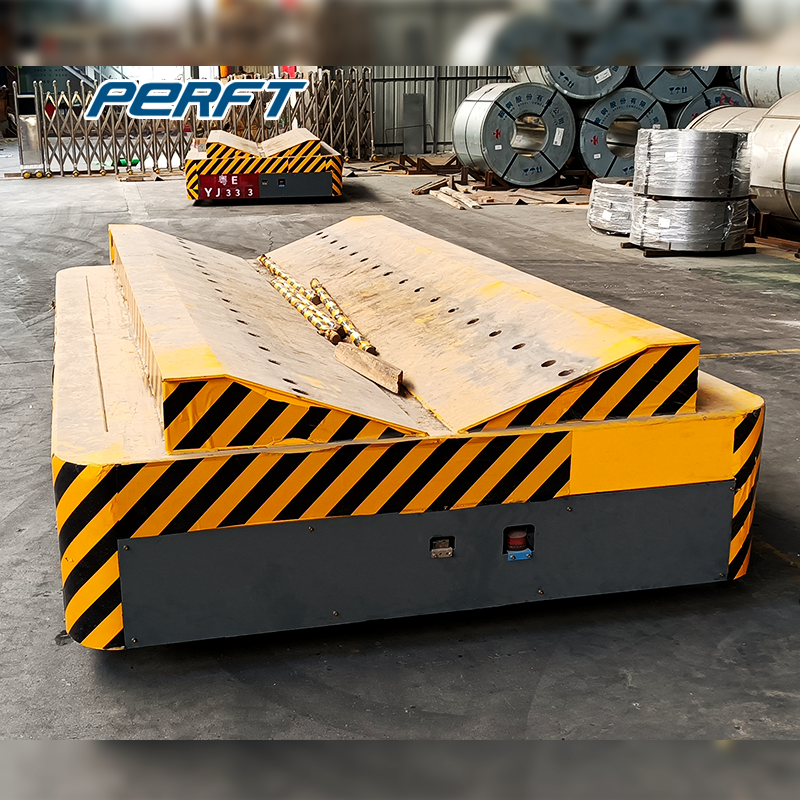
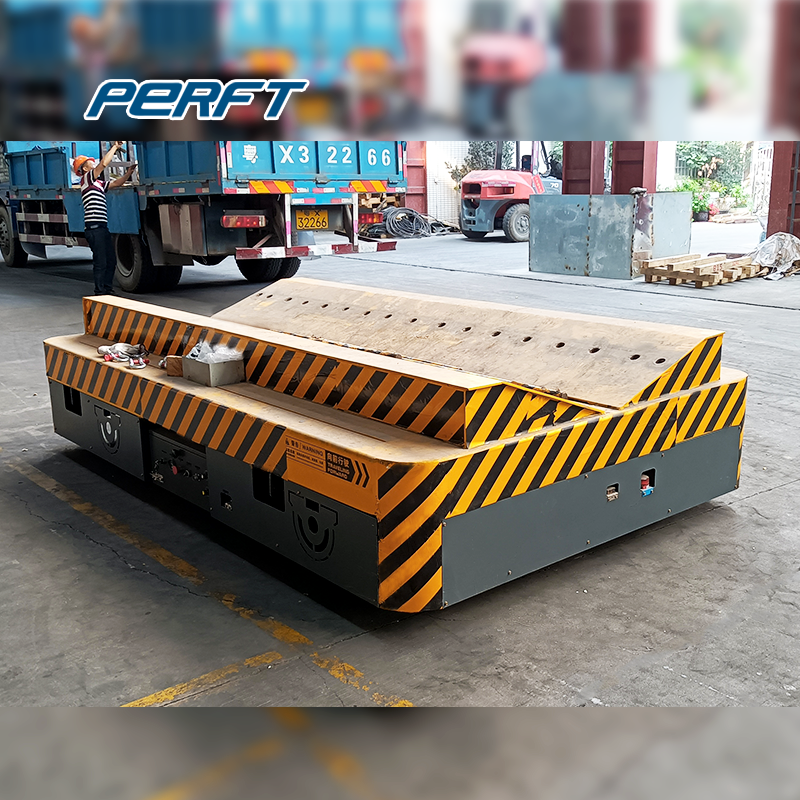
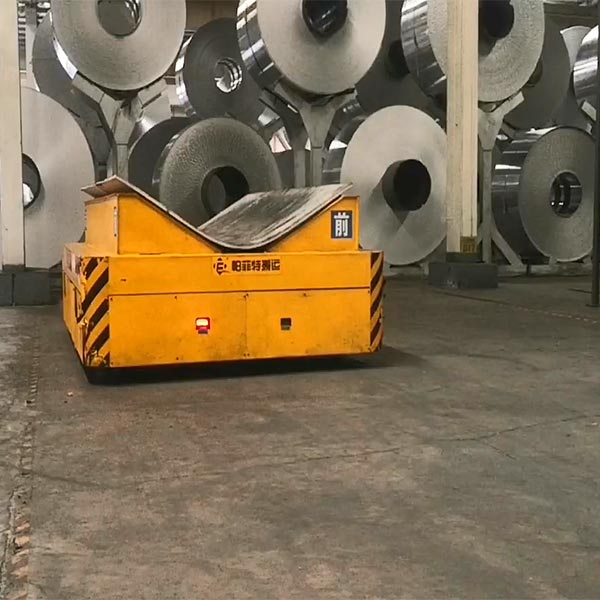
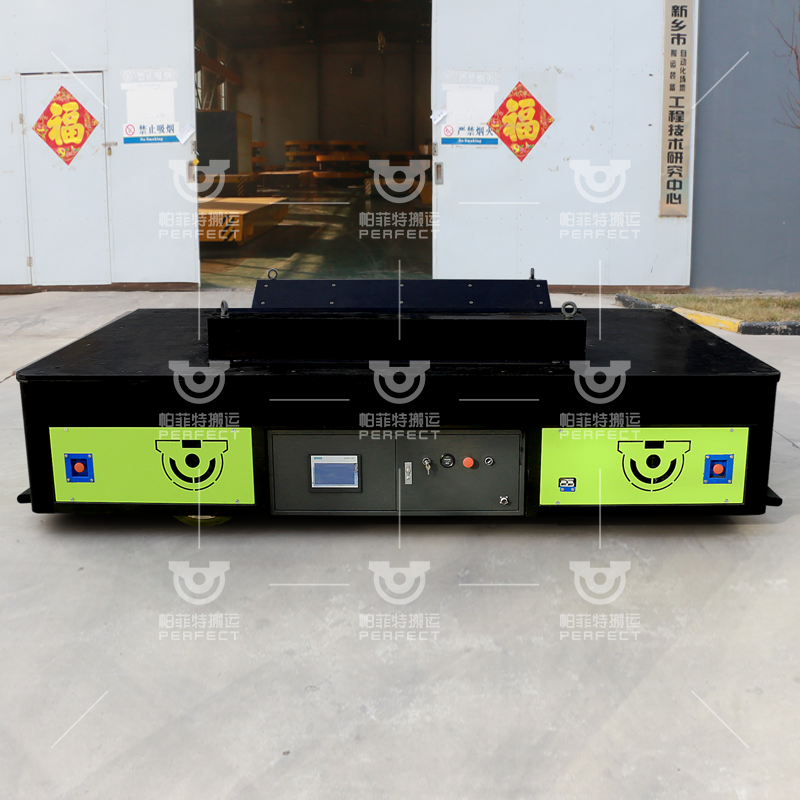
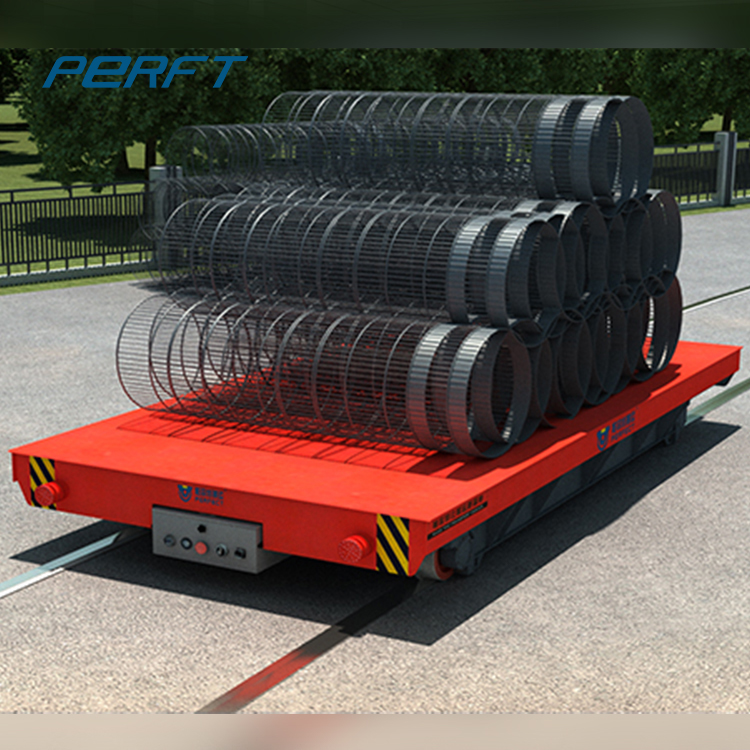
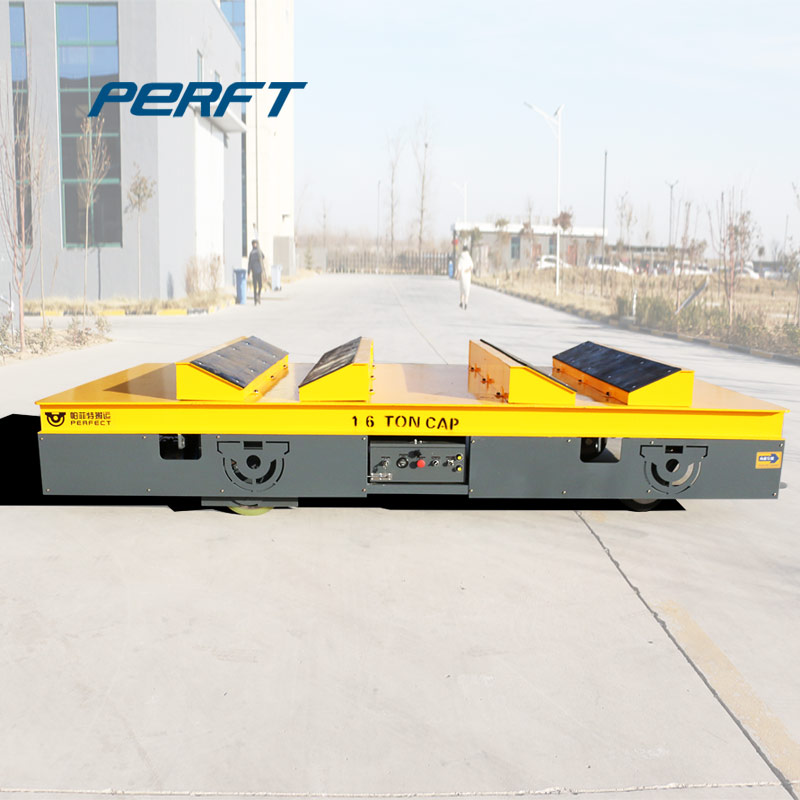
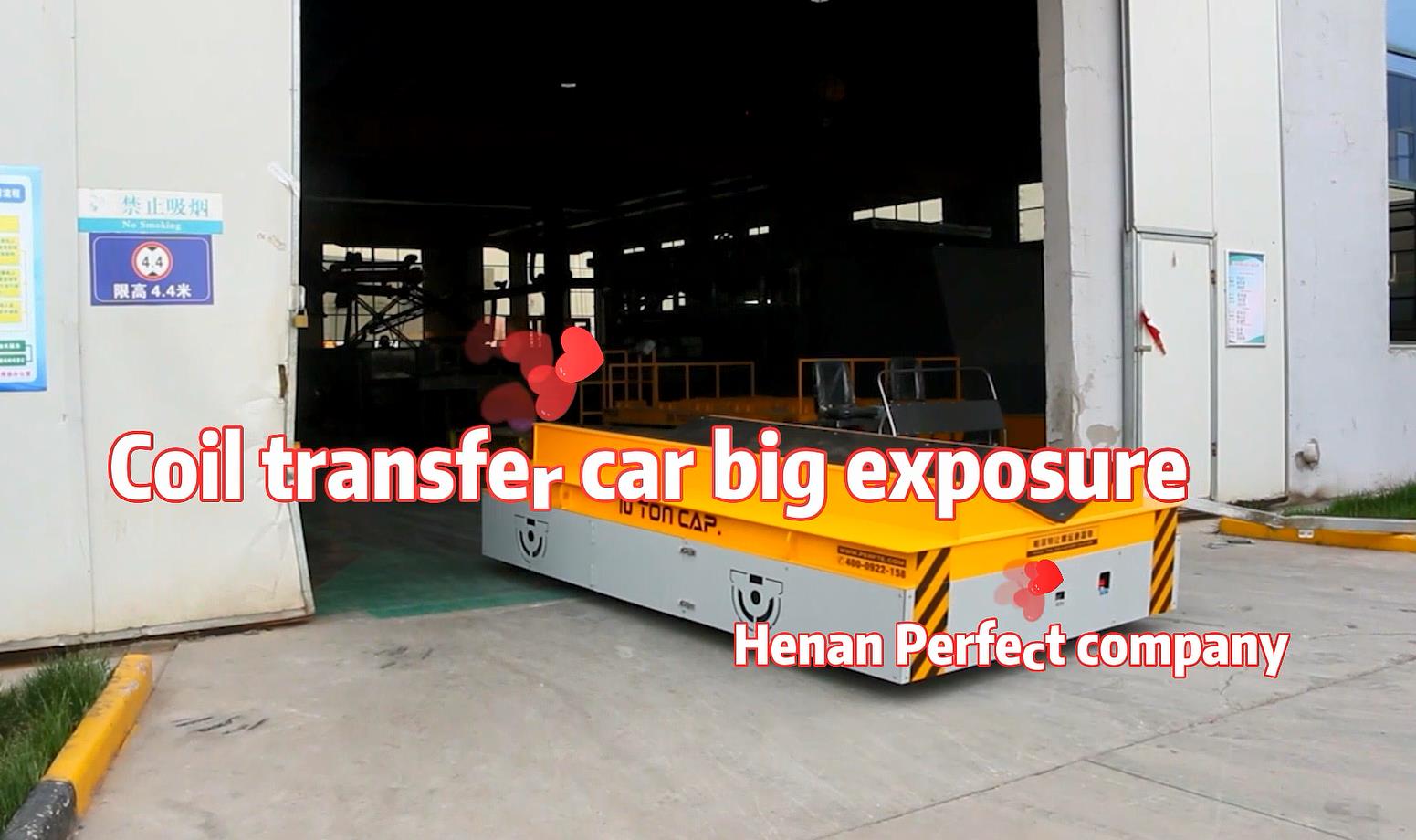
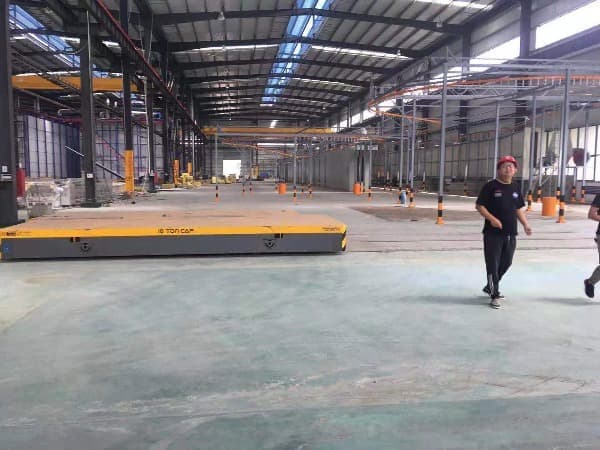
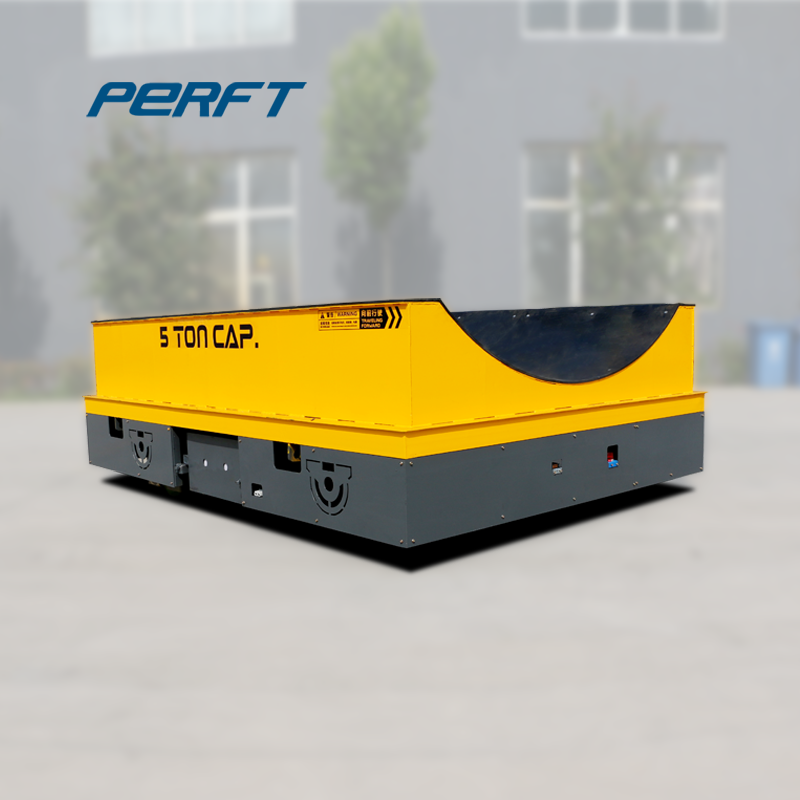
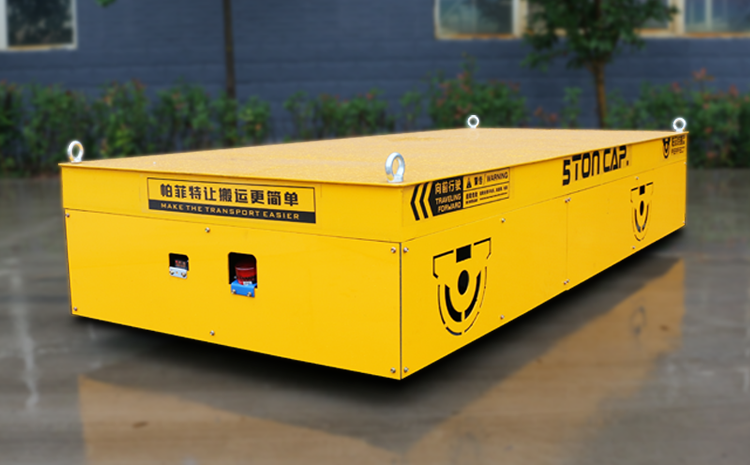
Battery-driven trackless units fit operations with frequently changing transport routes. No embedded steel rails are required on the ground, so the cart can travel freely across different workshop zones. It is ideal for factories with scattered processing stations and flexible production layouts.
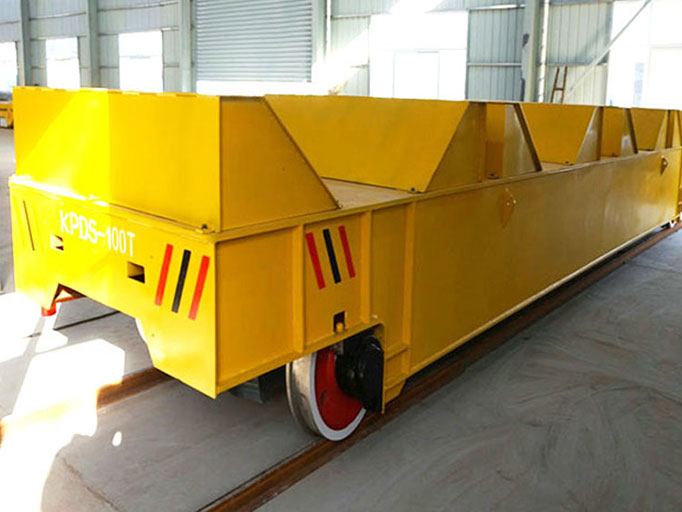
Rail-Powered V-Saddle Transfer Cart
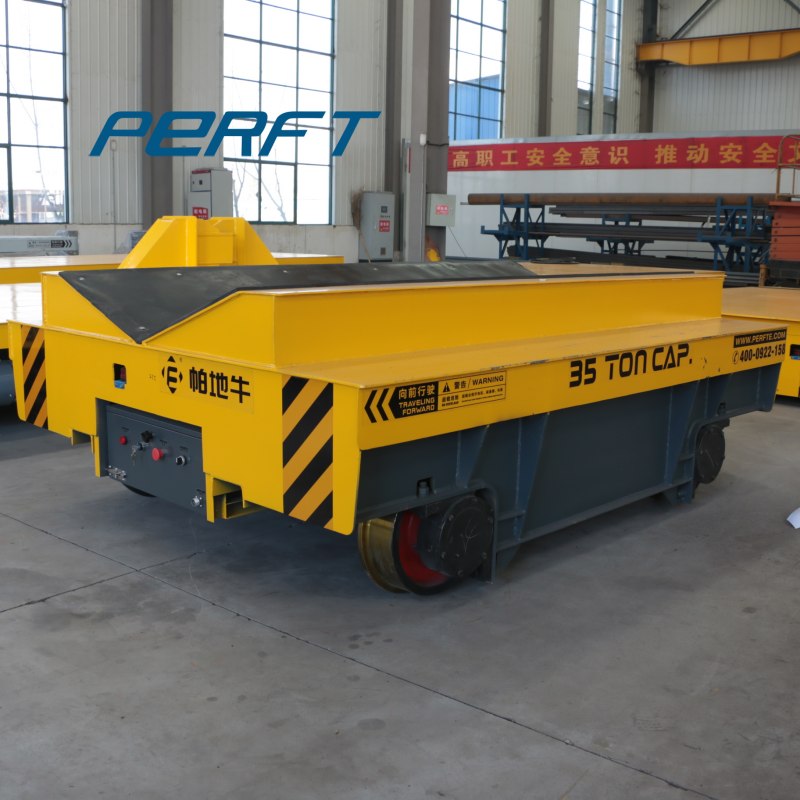
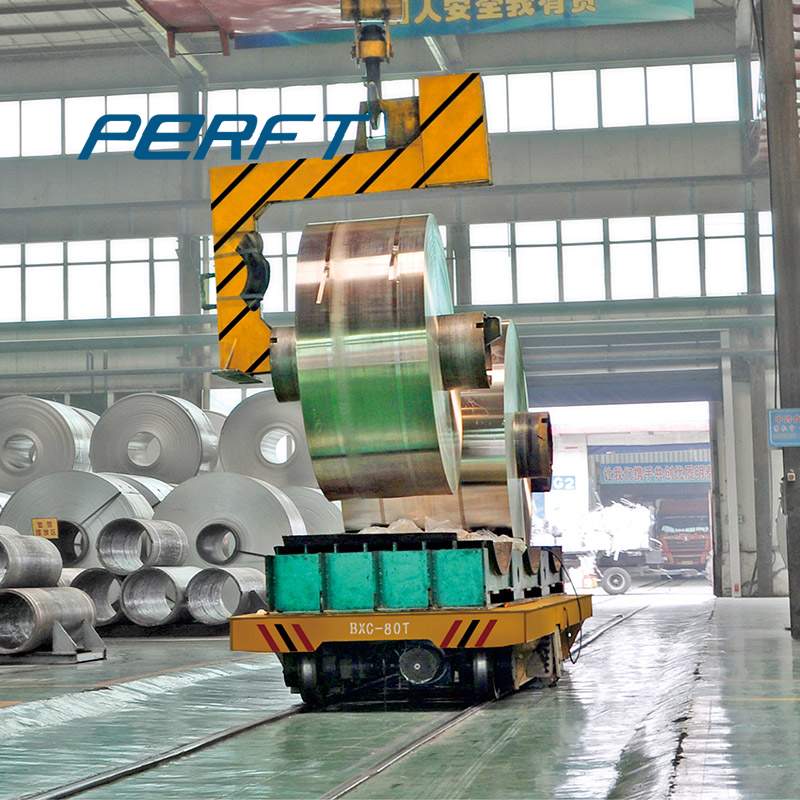
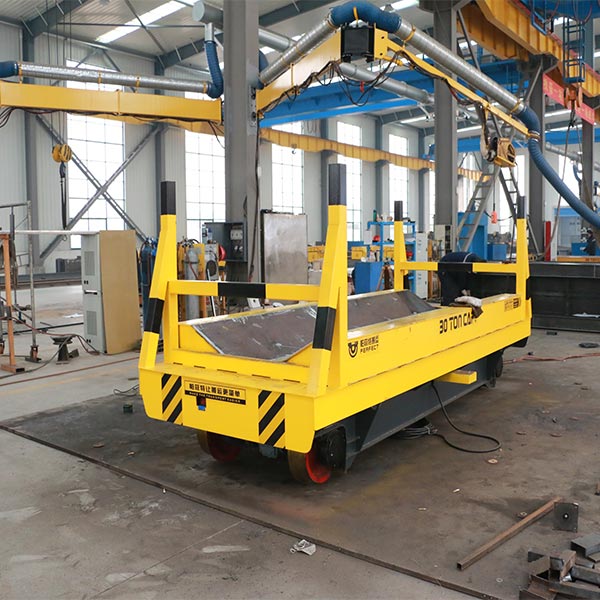
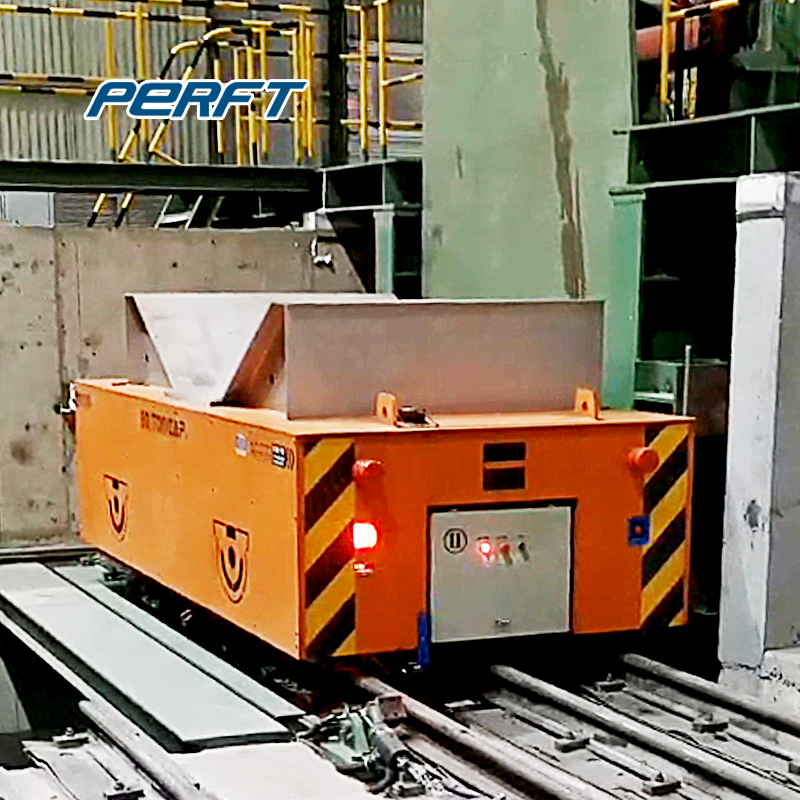
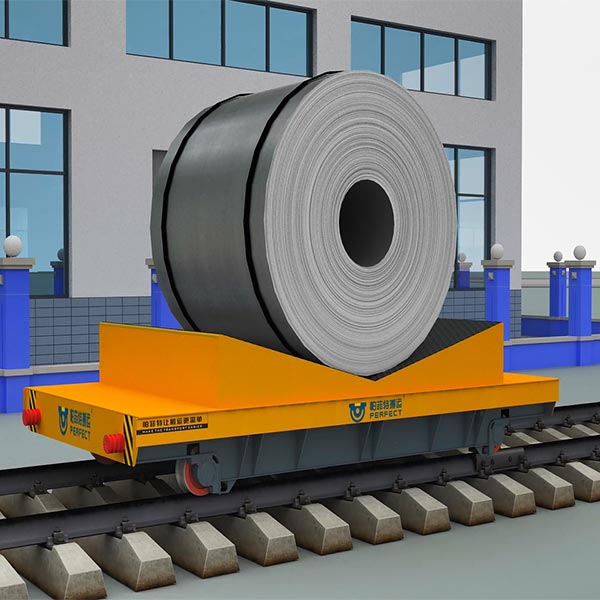
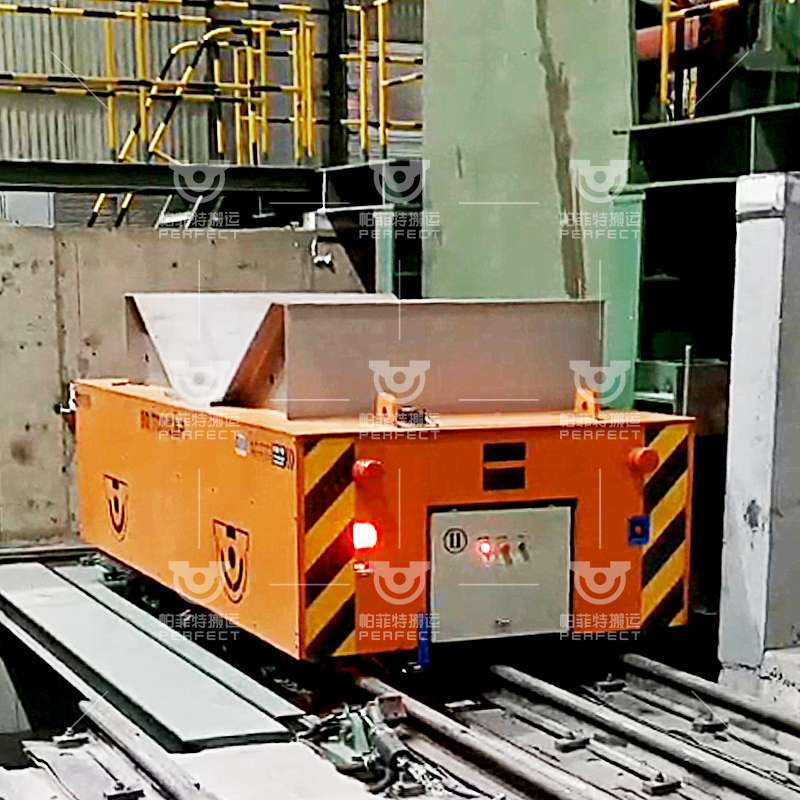
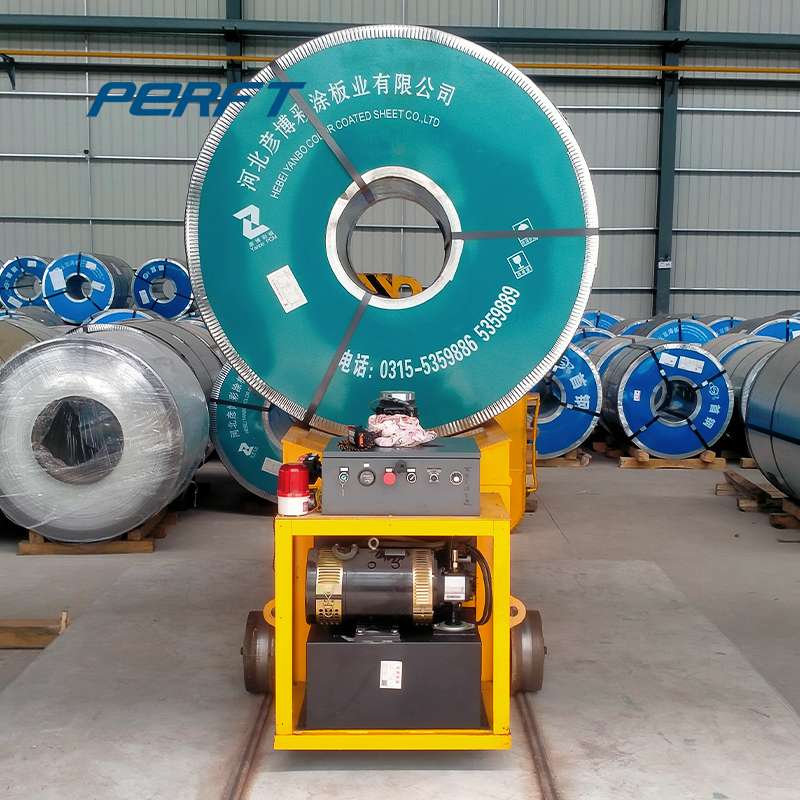
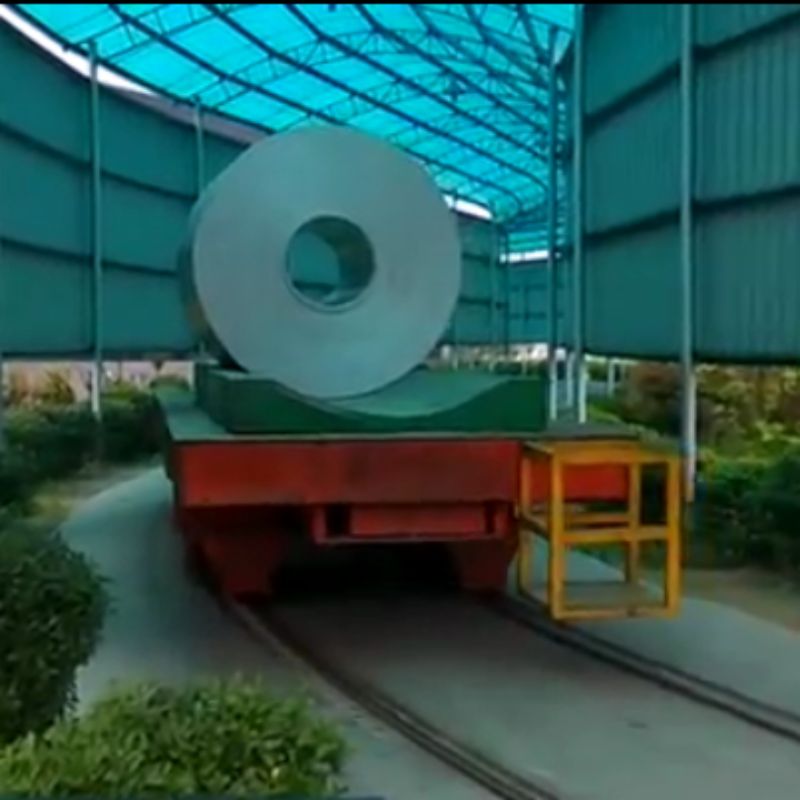
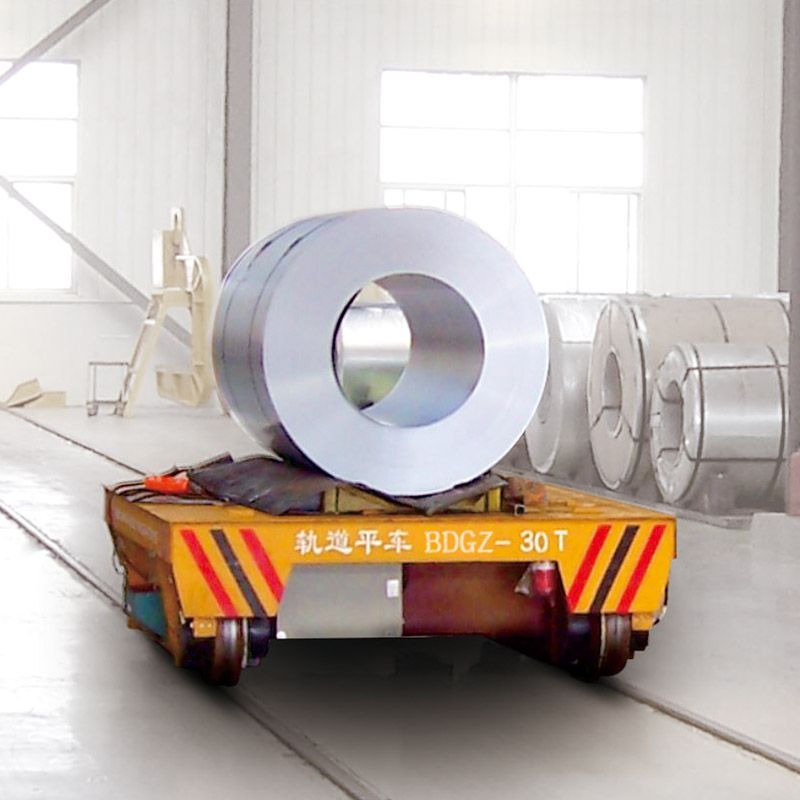
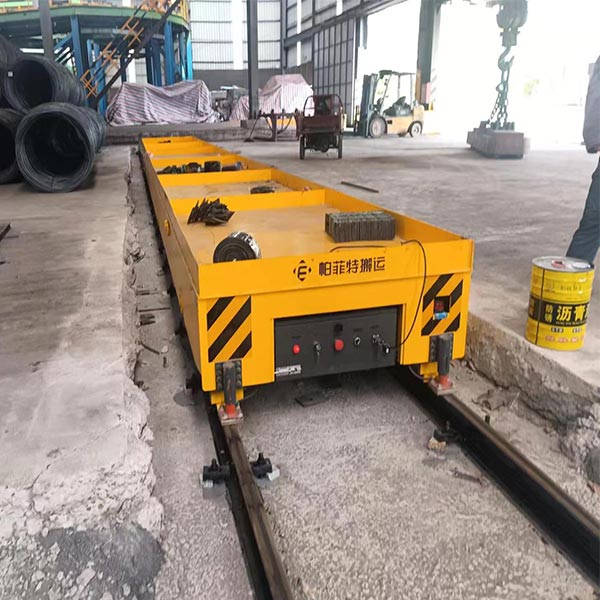
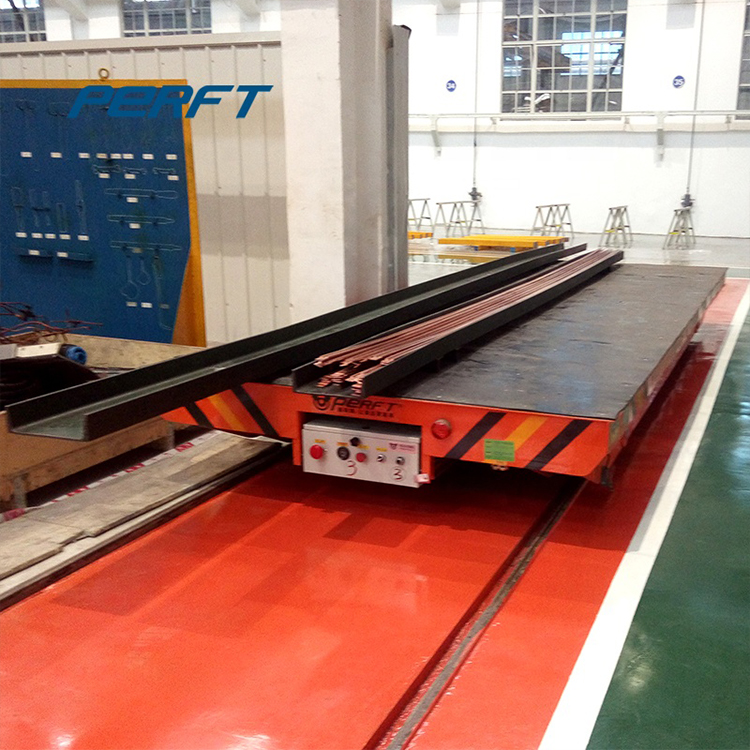
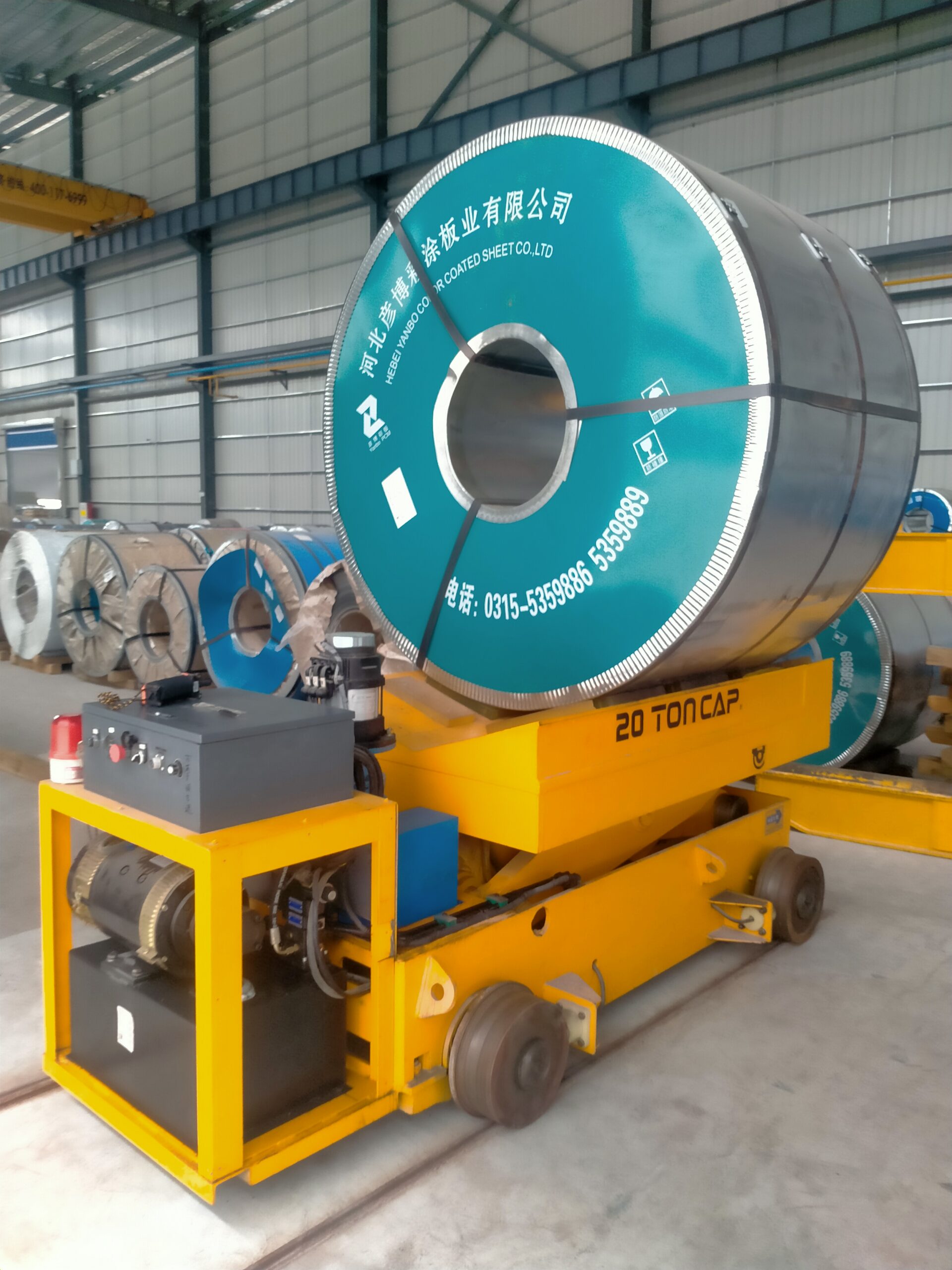
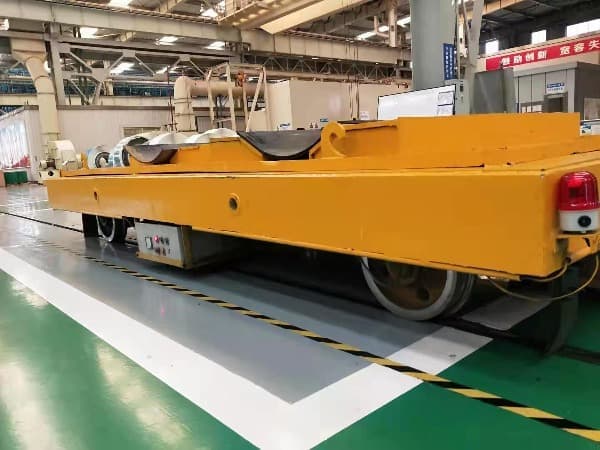
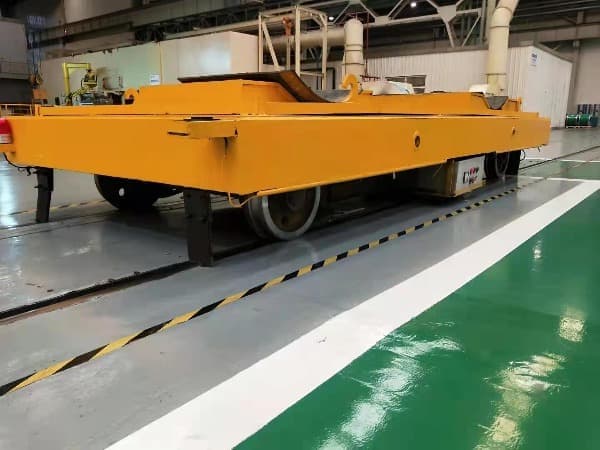
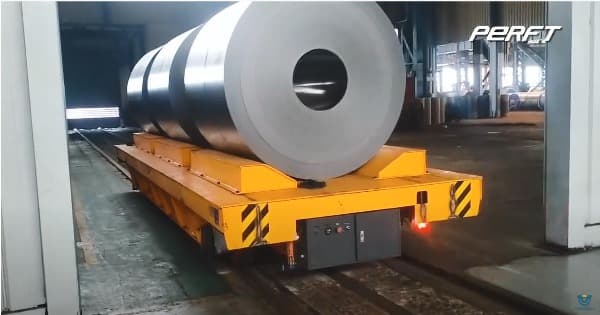
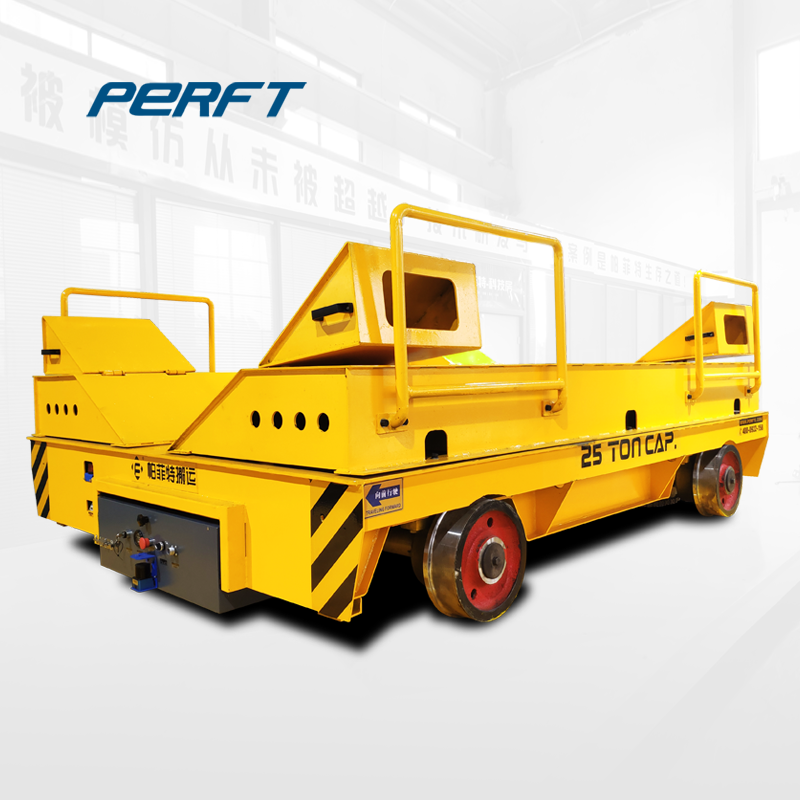
Rail-guided carts run along fixed tracks and draw power via conductive rails. They excel in repetitive, high-volume fixed-point material delivery tasks. This configuration delivers constant power output, continuous round-the-clock operation, and high positioning accuracy.
Key Factors to Choose Between Battery and Rail Power
Make the final decision by evaluating five practical points: route flexibility, daily transport frequency, overall workshop layout, on-site charging conditions, and upfront infrastructure investment budget.
Confirm Whether Trackless Design Is Necessary
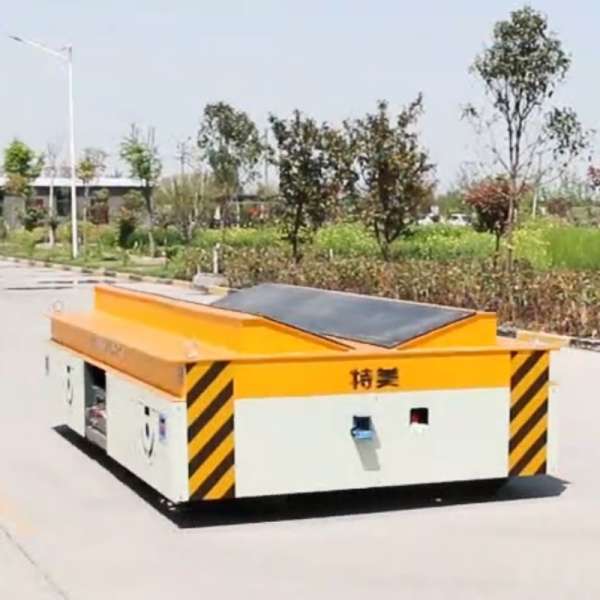
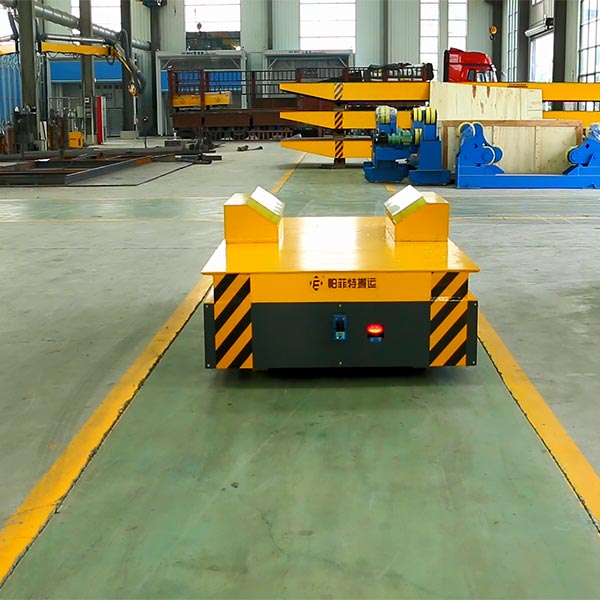
Trackless V-saddle electric carts make more sense for facilities with limited floor space, narrow turning passages, and multi-directional travel demands. The flexible steering system allows omnidirectional movement and tight turning circles to adapt to complex working environments. Before placing an order, check the existing floor condition, minimum turning radius, and free operating area on site. Conversely, rail-mounted transfer carts remain the better solution for fixed-loop, high-intensity continuous conveying lines.
Evaluate Workshop Floor and Operating Environment
Floor Load-Bearing Capacity
Heavy-duty transfer carts exert considerable pressure on the ground through their wheel assemblies. Double-check the compressive strength of the concrete floor to ensure it can withstand the combined weight of the fully loaded cart and cargo, preventing floor cracking, subsidence, or structural damage over time.
Floor Flatness and Obstacle Clearance
Smooth, level ground is critical for safe coil transportation. Bumps, expansion joints, potholes, and sloped ramps will create jolts during travel, increasing the risk of coil displacement or falling. Map out the travel path in advance and eliminate unnecessary barriers wherever possible.
Indoor and Outdoor Deployment Differences
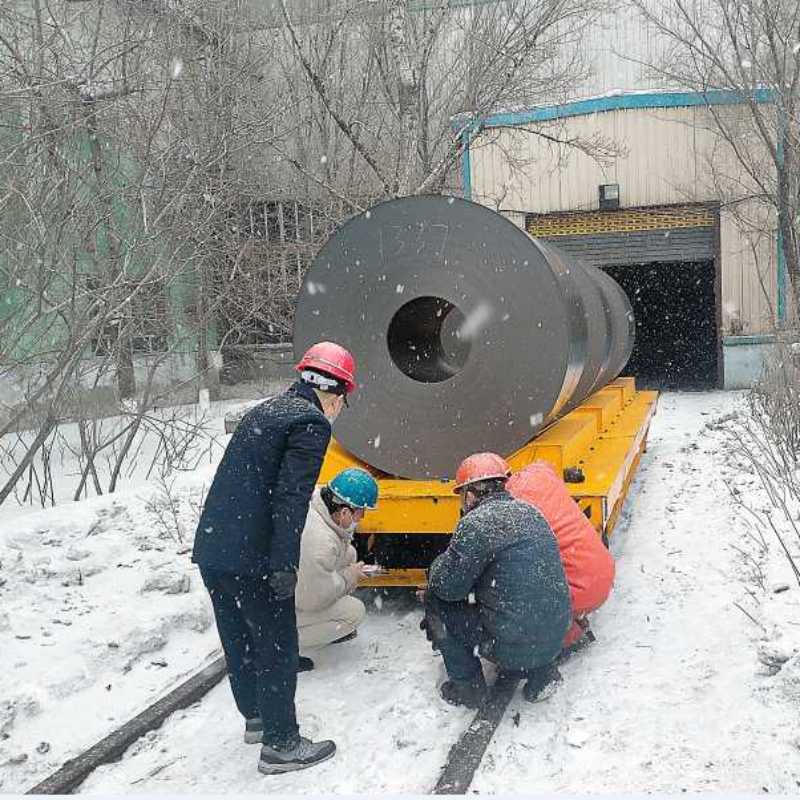
Standard V-saddle carts are designed for dry indoor workshops. For outdoor use or dusty, damp, harsh working conditions, request upgraded waterproof, dustproof, and corrosion-resistant protection for motors, control panels, and wiring harnesses to extend equipment durability.