Can Slip Rail Powered Transfer Carts Run on Curved Tracks
Sliding contact line rail transfer carts can operate reliably on curved tracks when the power supply system is specially designed for the track radius. This article explains how curved contact lines and matched current collectors maintain stable power during turning, why straight contact lines cannot be used on curves, and how a 6.8 m radius track performs in heavy-duty applications. It also covers key customization factors, including track radius, trench structure, collector design, and PLC speed control, helping manufacturers achieve safe and continuous material transport.
Common Curved Track Defects of Traditional Transfer Carts
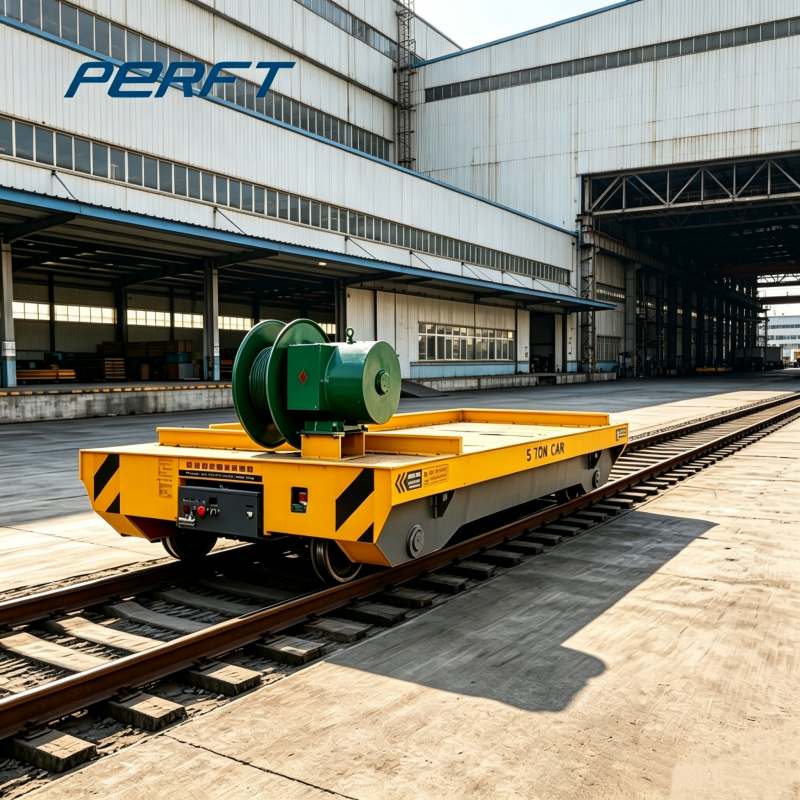
In large manufacturing workshops and heavy-industry plants, moving oversized and heavy workpieces across different production bays has long been a tough challenge for in-plant logistics. Many factory managers run into a dilemma when buying electric rail transfer carts. Cable-reel powered carts tend to drag and scrape their cables when rounding bends, which frequently causes cable damage and unexpected breakdowns.
That’s why many plant operators turn to sliding contact line powered rail transfer carts, which can operate non-stop for long hours. At the same time, they have a practical concern: can sliding contact line rail trolleys travel smoothly on curved tracks? Will negotiating curves damage power supply assemblies or trigger power cuts?
Sliding Contact Line Carts Are Available for Curved Tracks
The clear answer is yes. These rail transfer carts are fully capable of running on curved tracks, but standard straight sliding contact lines cannot be fitted directly. Custom engineering based on the actual track turning radius is mandatory, and this tailored design is the key to successful real-world deployments.
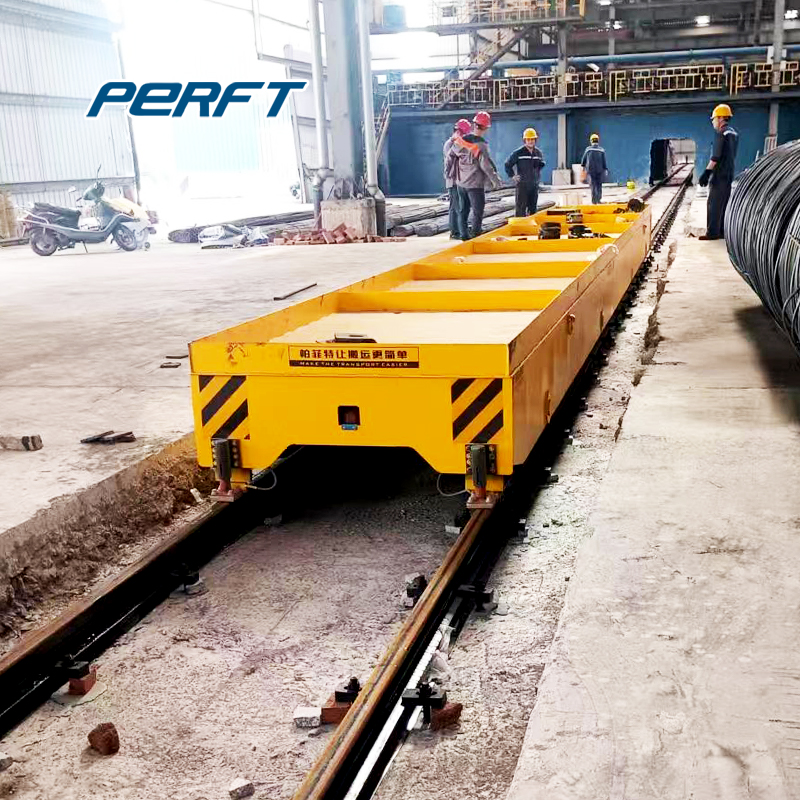
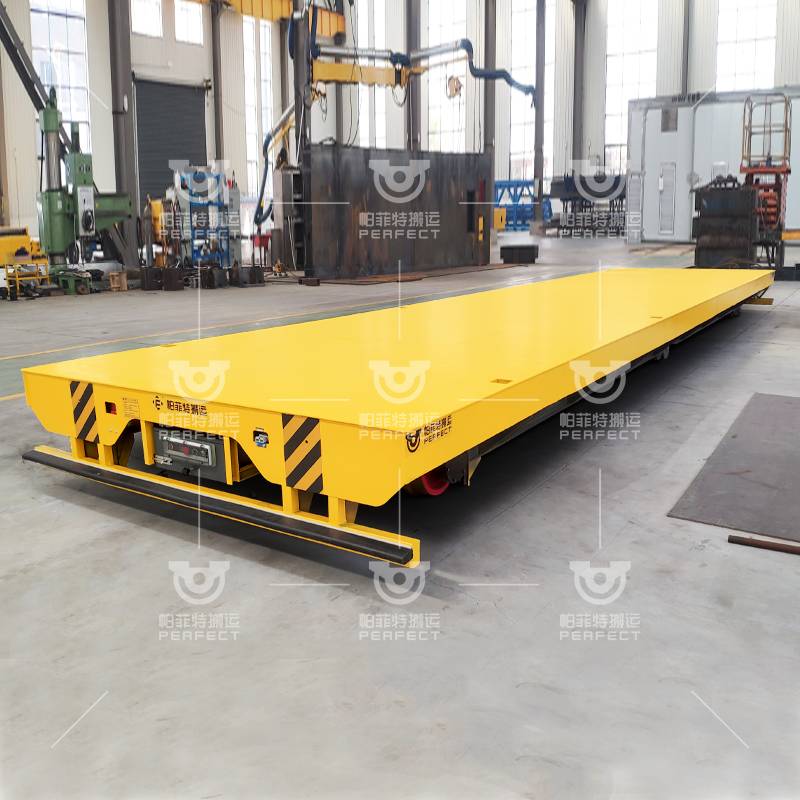
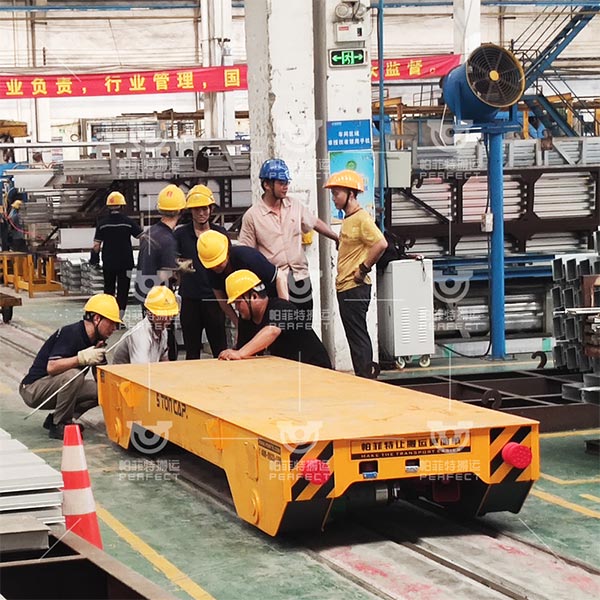
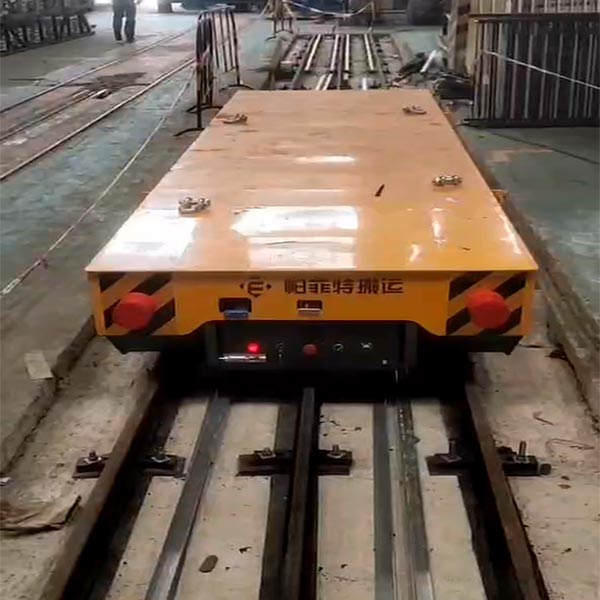
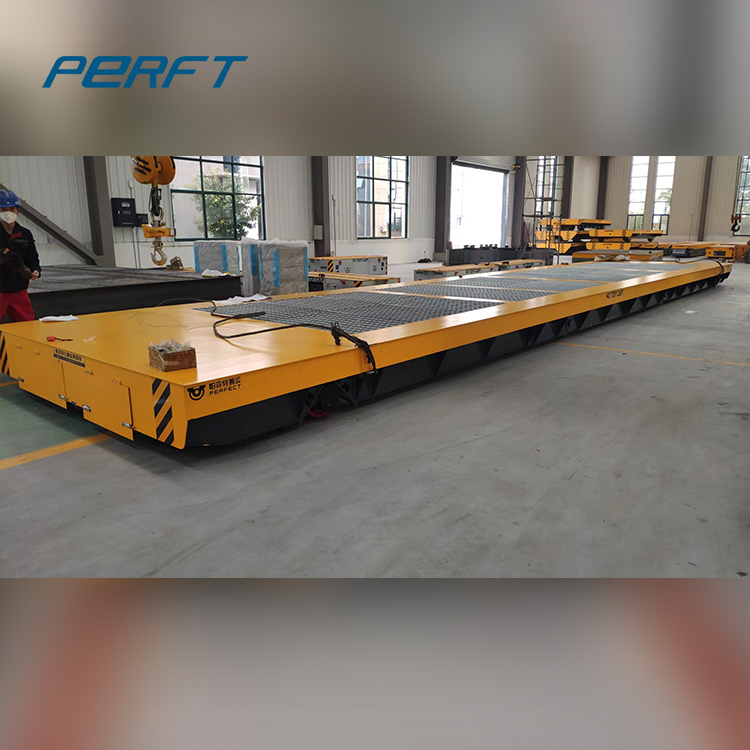
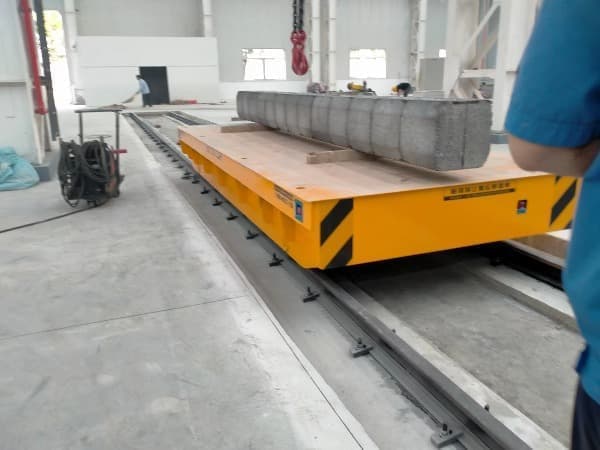
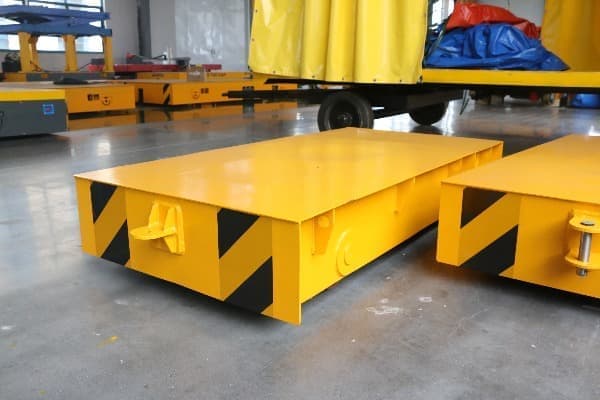
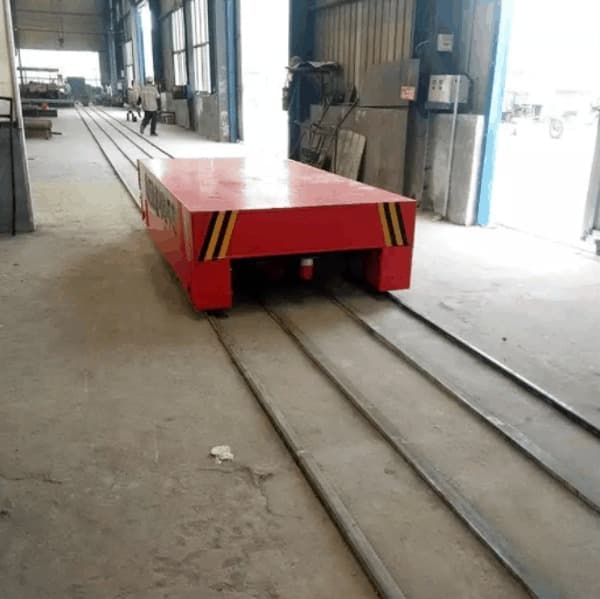
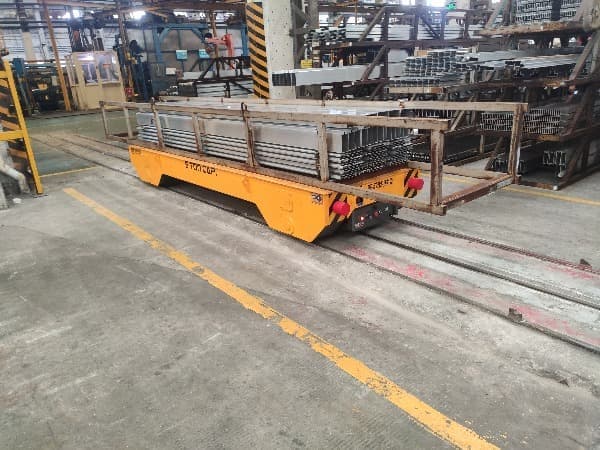
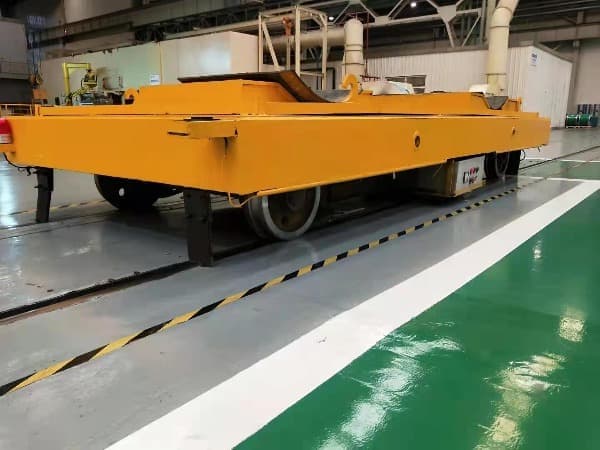
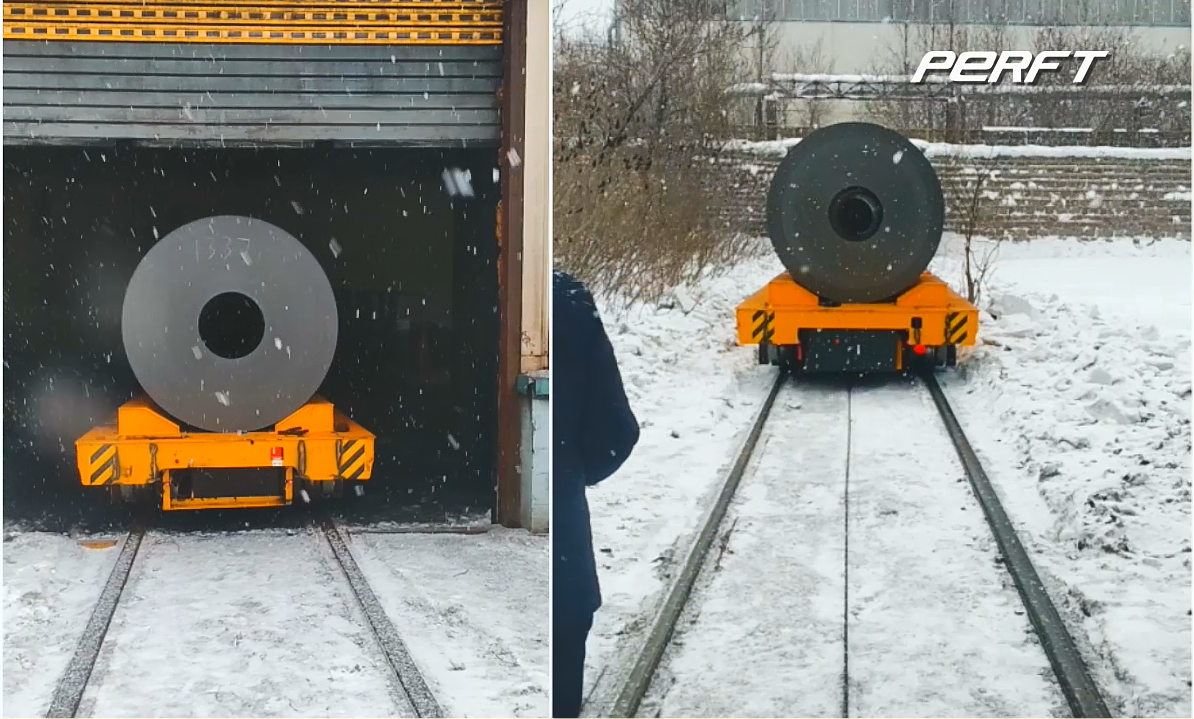
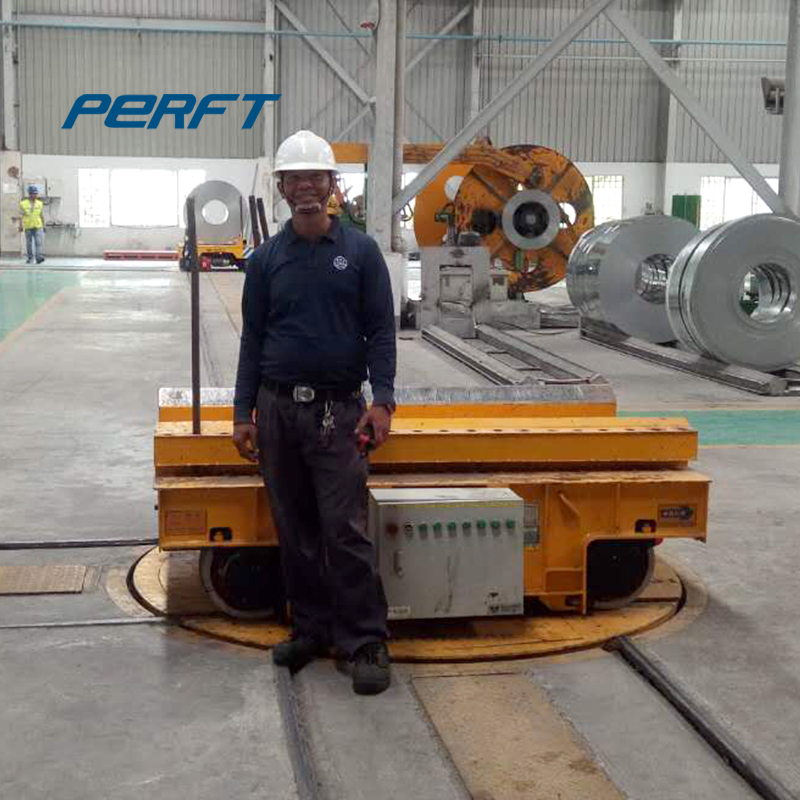
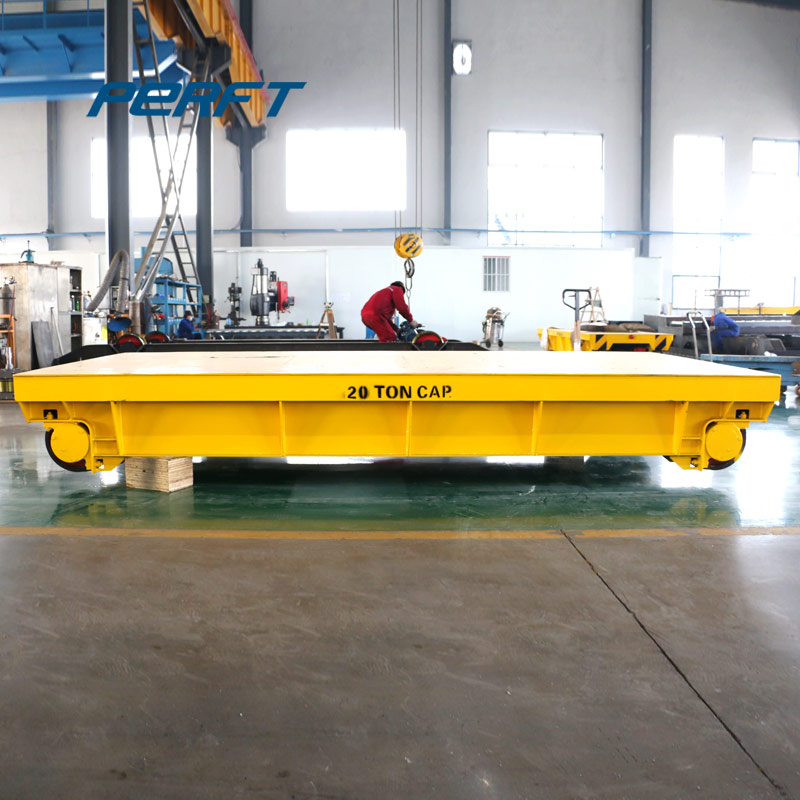
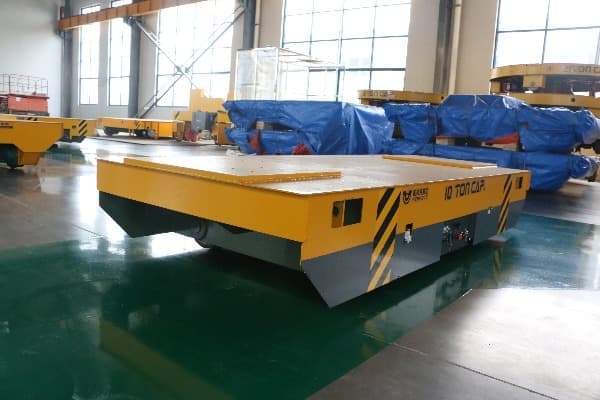
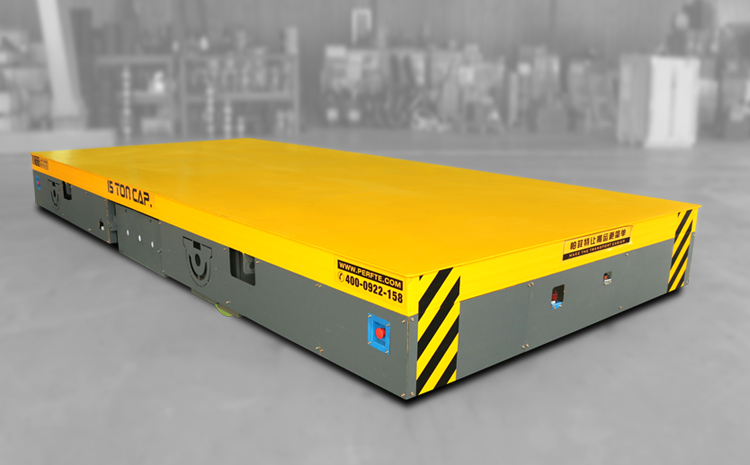
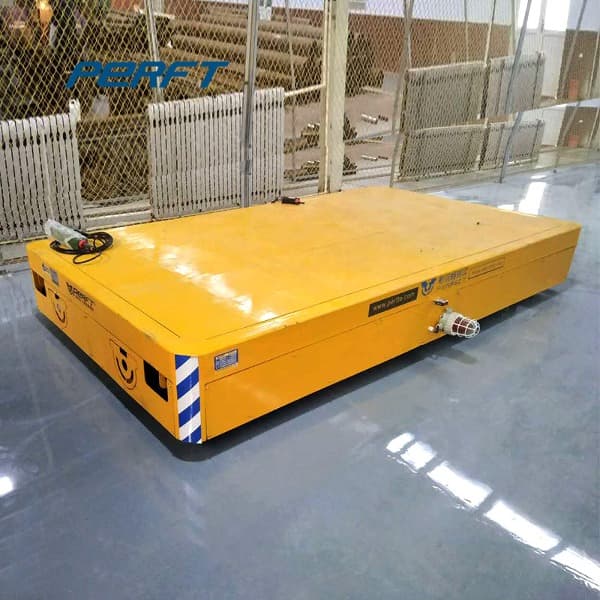
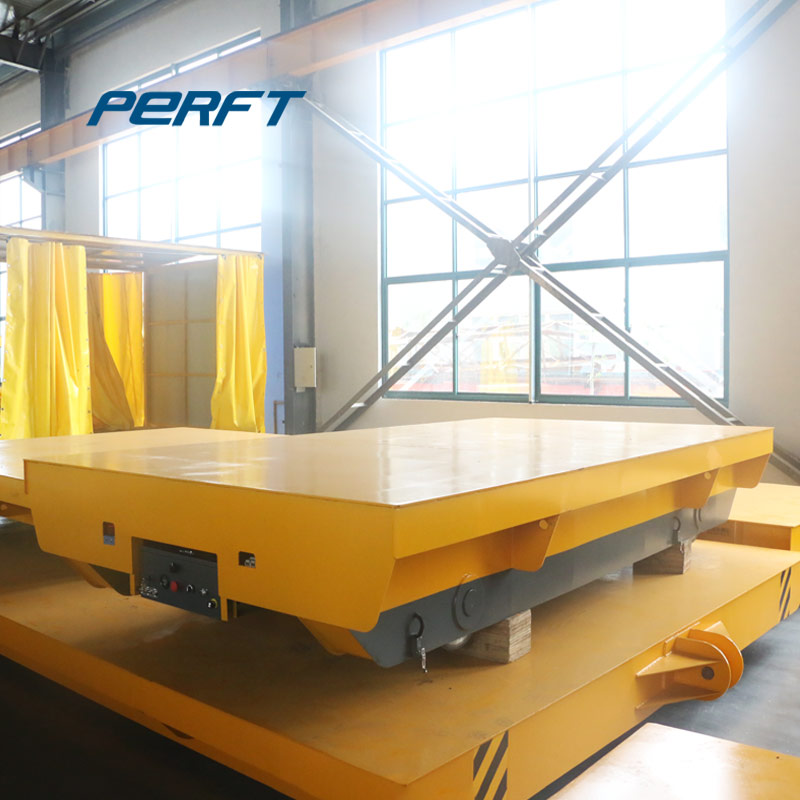
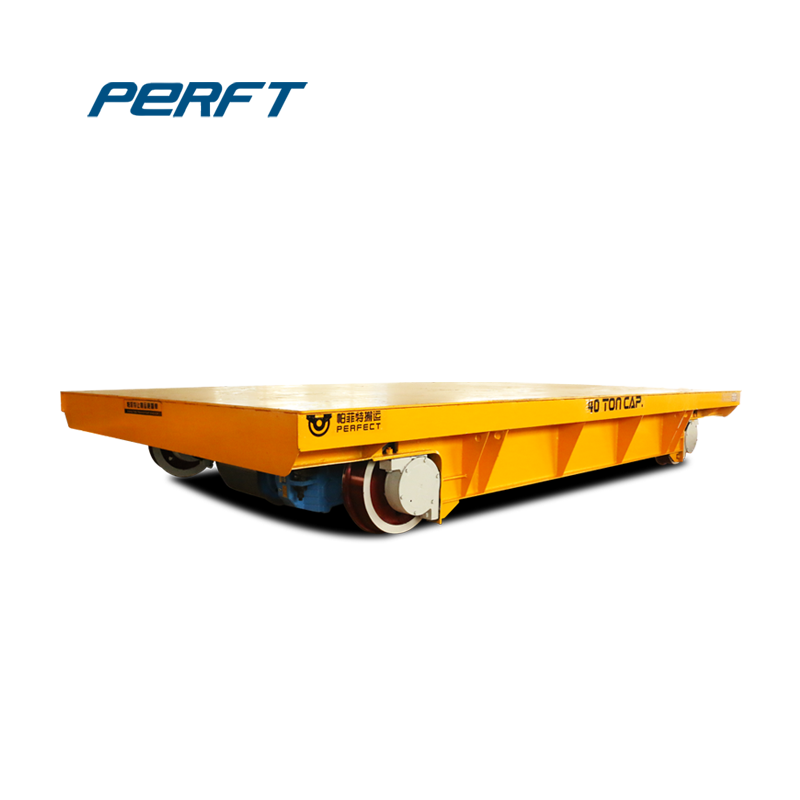
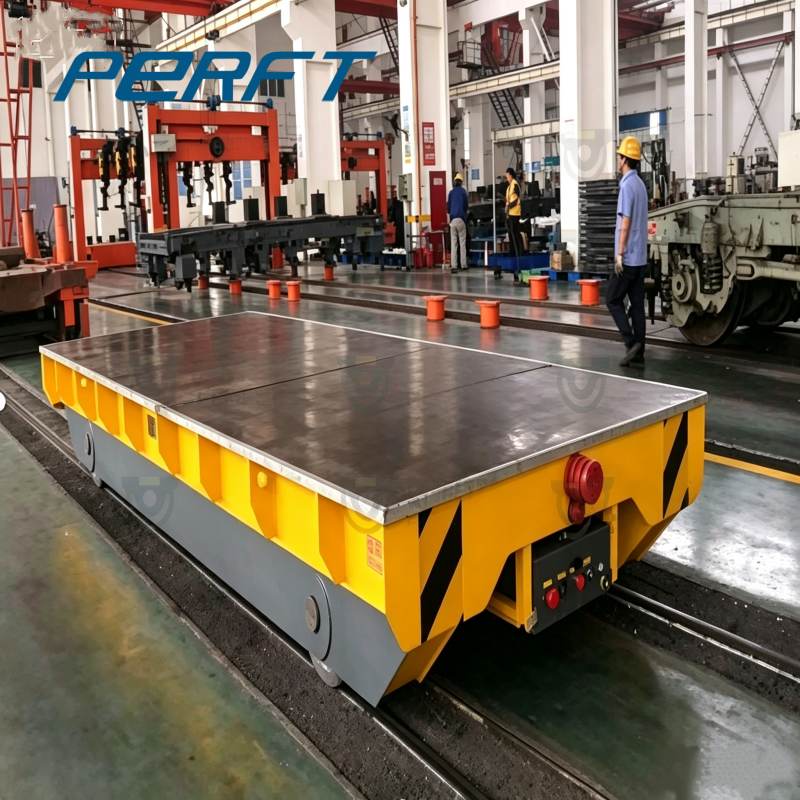
Sliding contact line powered rail transfer carts draw electricity from contact lines laid inside dedicated trenches. Free from the limits of battery capacity, they can keep running round-the-clock and serve as the main workhorse for moving heavy loads between workshop areas. Compared with cable-dragging transfer trolleys, they avoid typical cable tangling, stretching, and abrasion issues, making them ideal for long-distance transport inside factories.
Working Principle of Sliding Contact Line Carts in Curved Conditions
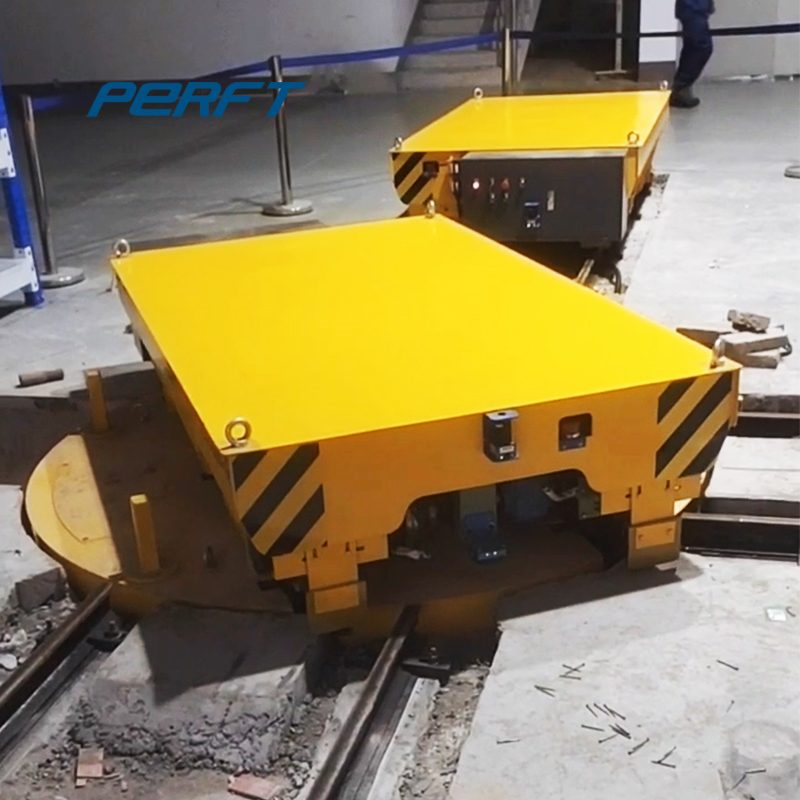
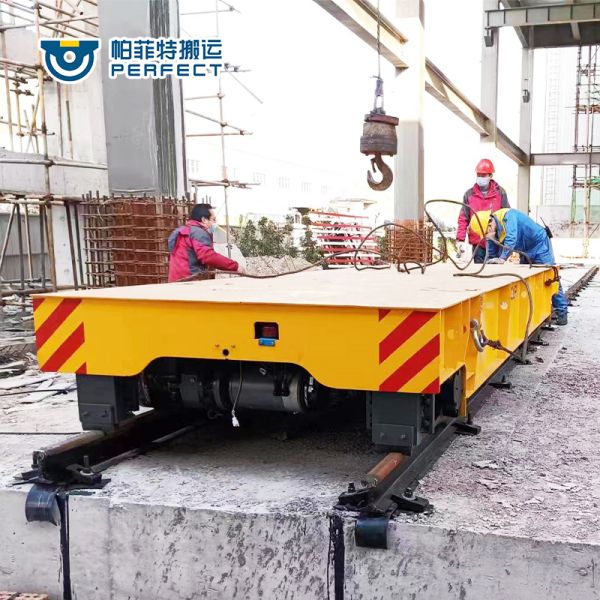
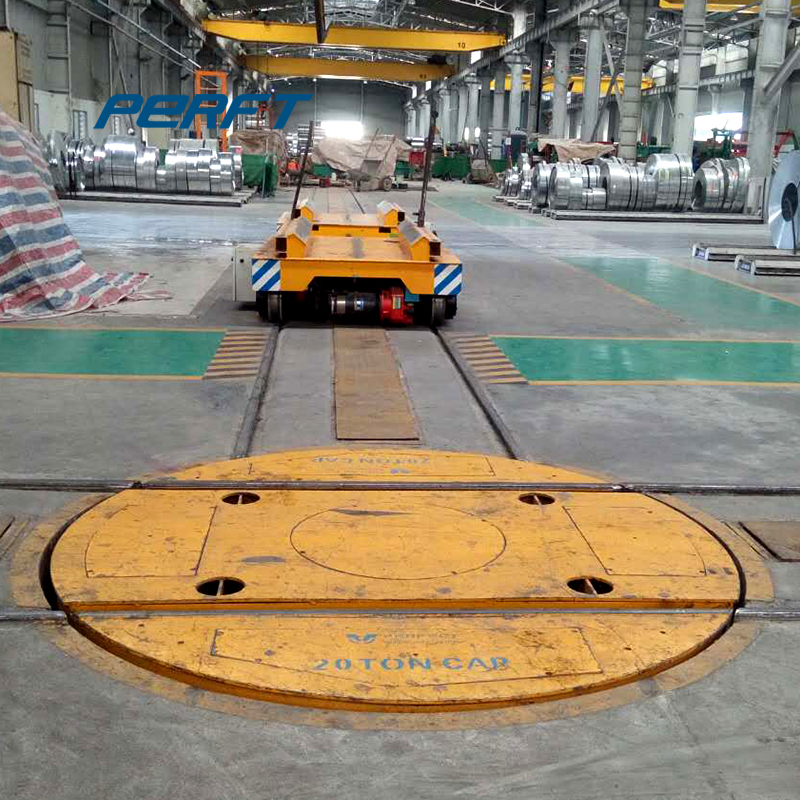
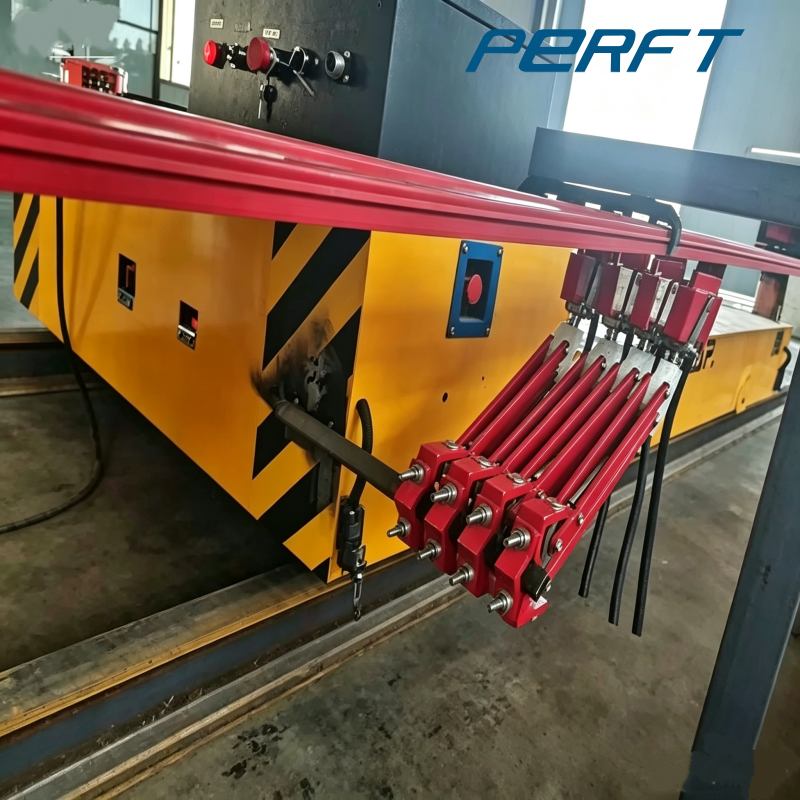
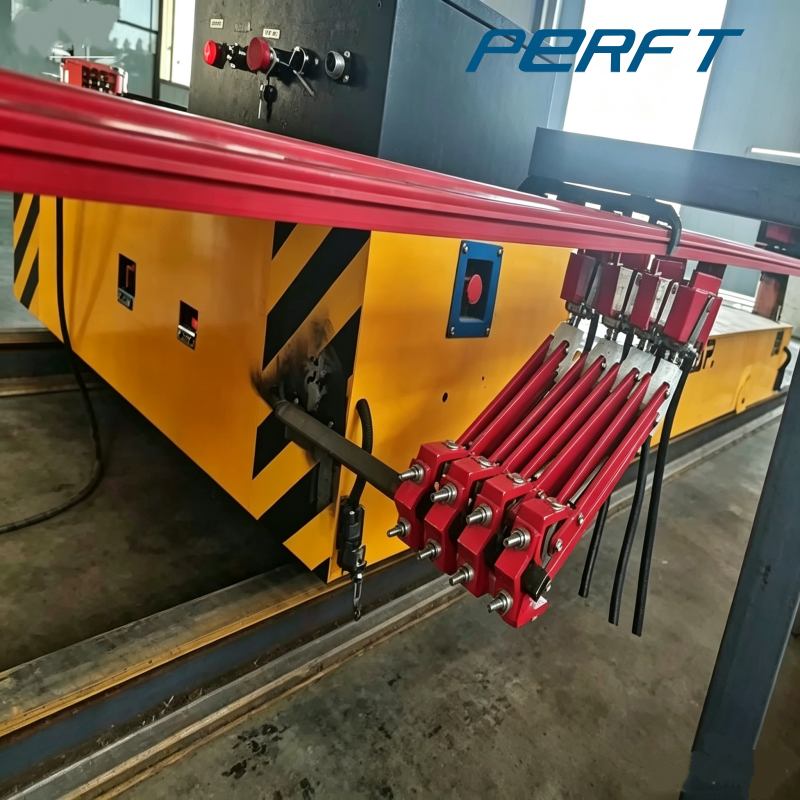
Stable power delivery around curves relies on curved sliding contact lines and matched current collectors, custom-built to fit the exact arc of each bend. A dedicated trench is excavated alongside the rails, and curved safety sliding contact lines are installed inside, matching the track curvature perfectly. Hinged protective covers are mounted over the trench. The current collector moves in sync with the cart.
As the trolley rounds a bend, the collector slides steadily along the curved contact line while pushing the hinged cover open. Once the cart passes, the cover falls back into place automatically under its own weight. This design ensures uninterrupted power supply during curved operation, while blocking iron filings, debris, and water from entering the trench to protect internal power components and eliminate site safety hazards.
Straight Contact Lines Cannot Be Used on Curved Tracks
One critical reminder for purchasers: never join straight sliding contact line segments to form a curve. Straight sections cannot follow track arcs. When the cart turns, uneven stress on the collector causes rapid wear, jamming, and intermittent power loss, shortening equipment service life significantly.
Both curved sliding contact lines and supporting current collectors must be manufactured to match the measured turning radius on site. Only perfectly matched power components can guarantee reliable long-term operation and prevent poor power contact and component-jamming failures.
6.8m Turning Radius Curved Track Operation
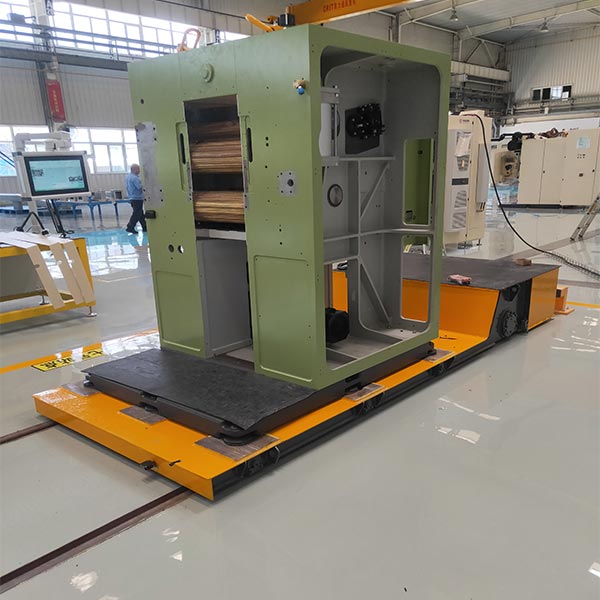
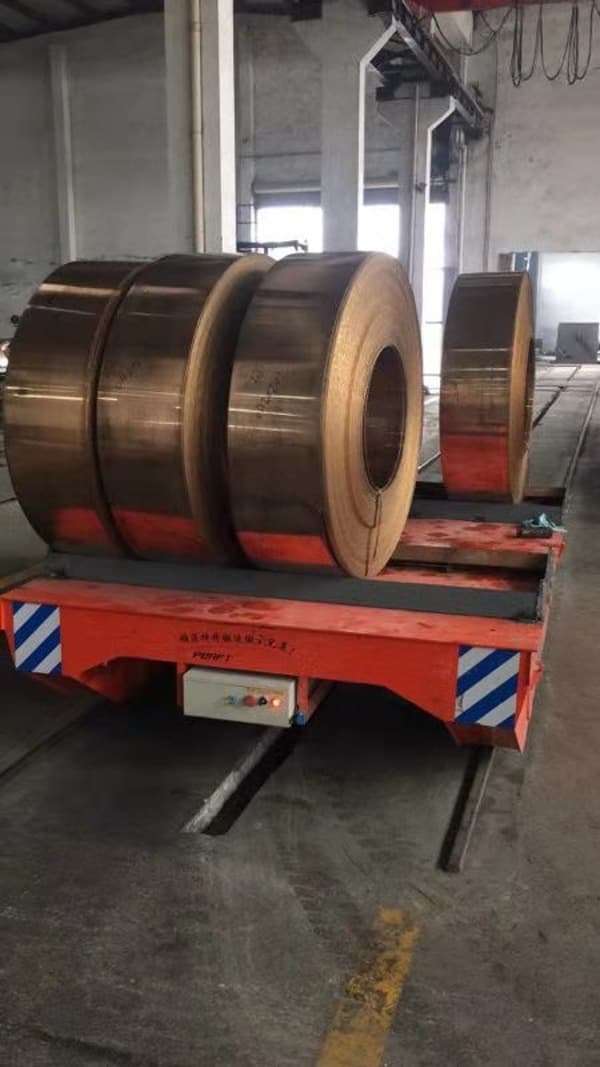
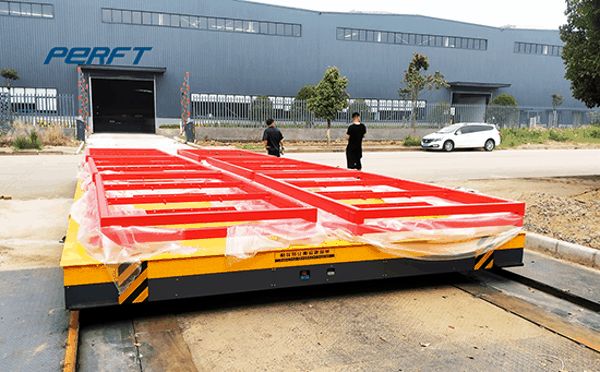
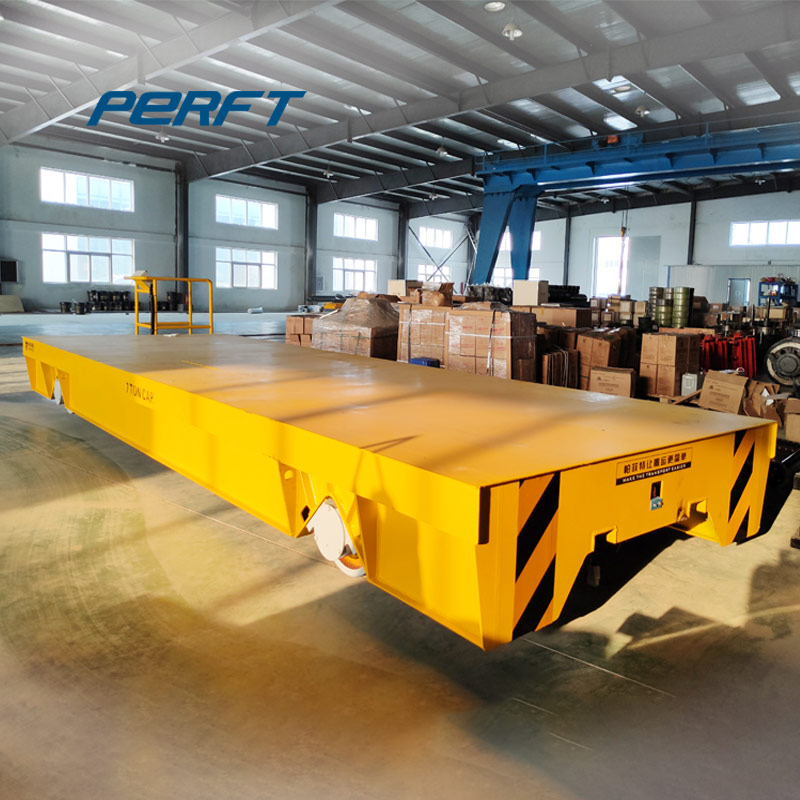
We have rich practical experience delivering curved-track sliding contact line transfer carts for industrial clients. One heavy-industry customer required a custom-built trolley for a track layout featuring a 6.8-meter radius curve. Large workpieces needed repeated back-and-forth transport between straight and curved track sections under heavy loads with frequent operation cycles.
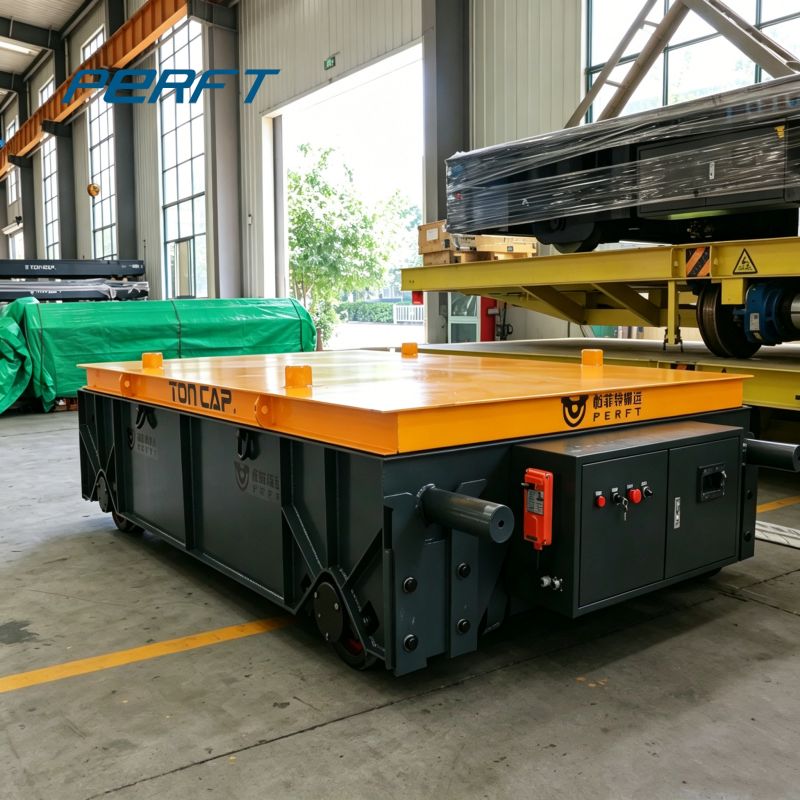
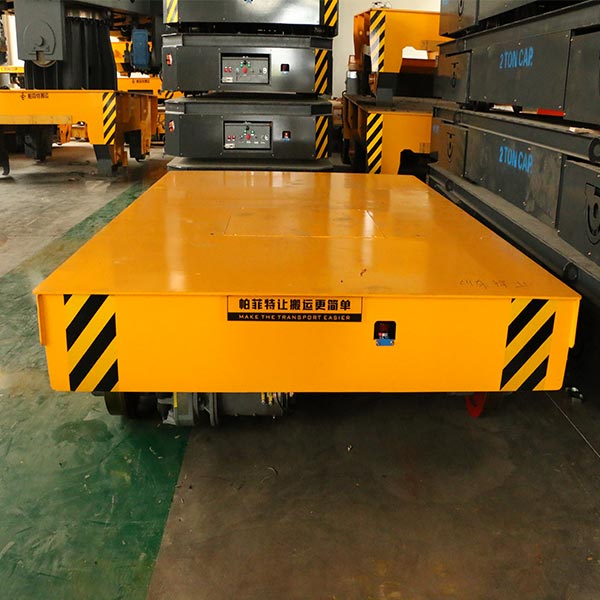
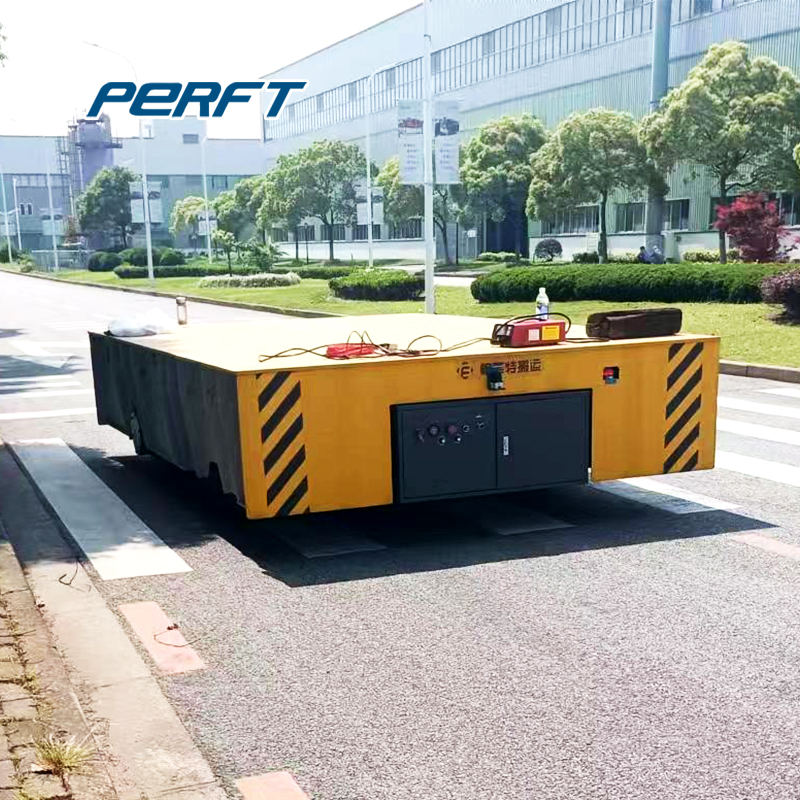
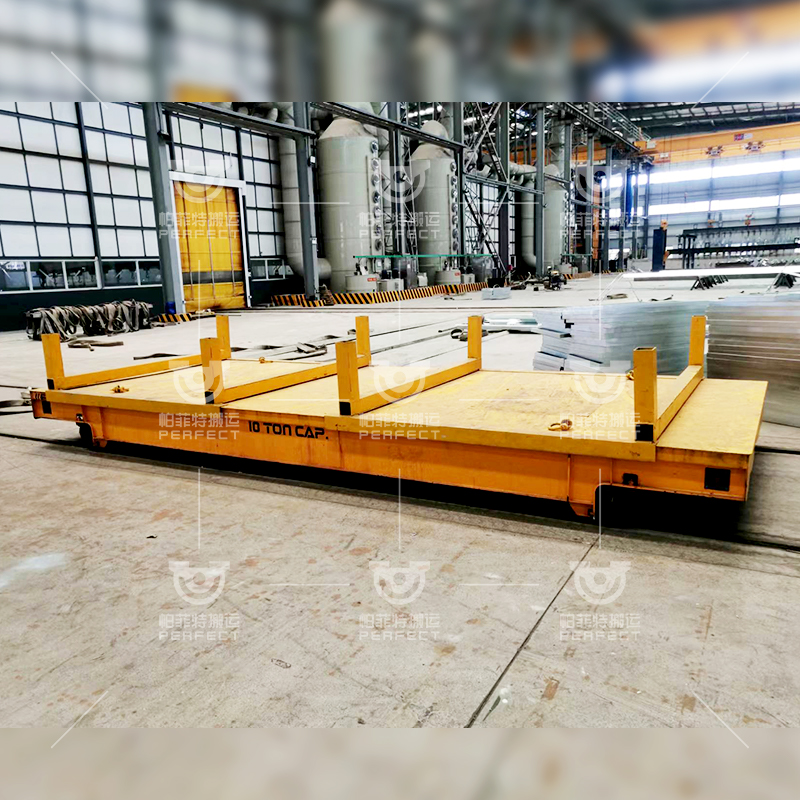
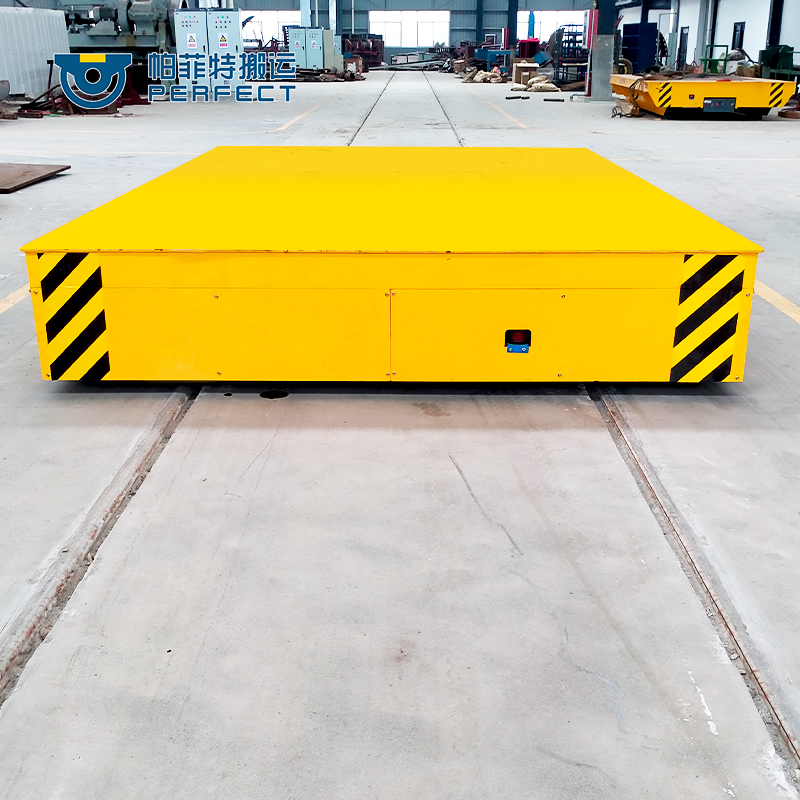
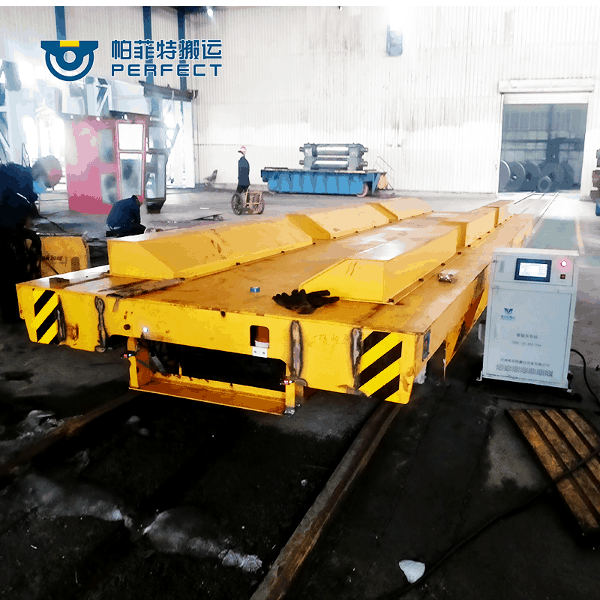
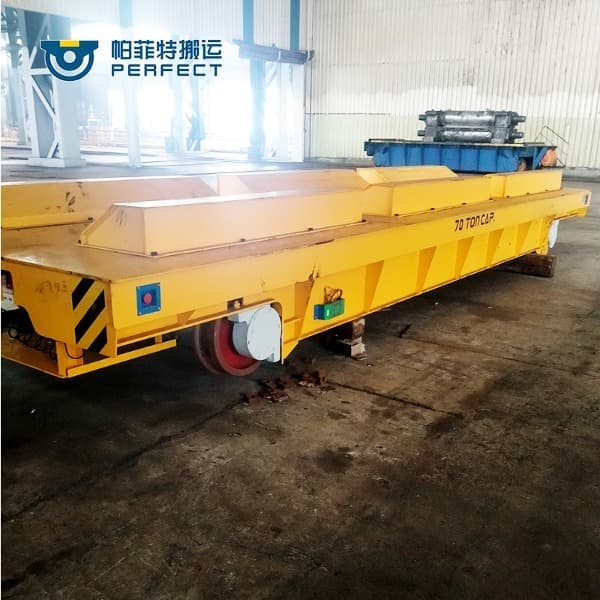
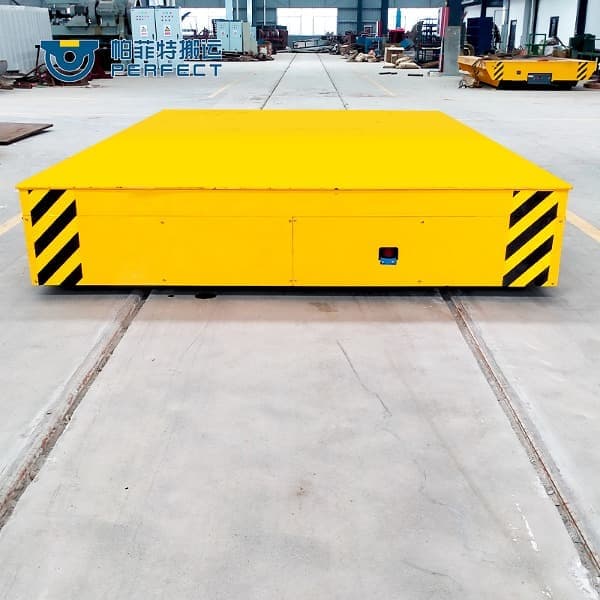
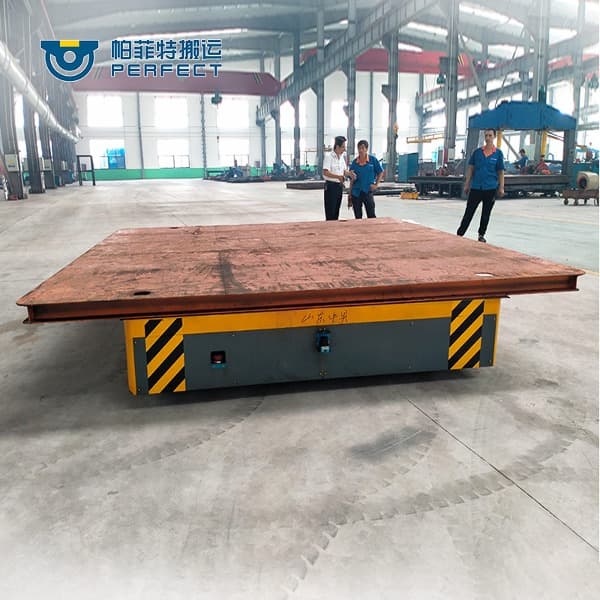
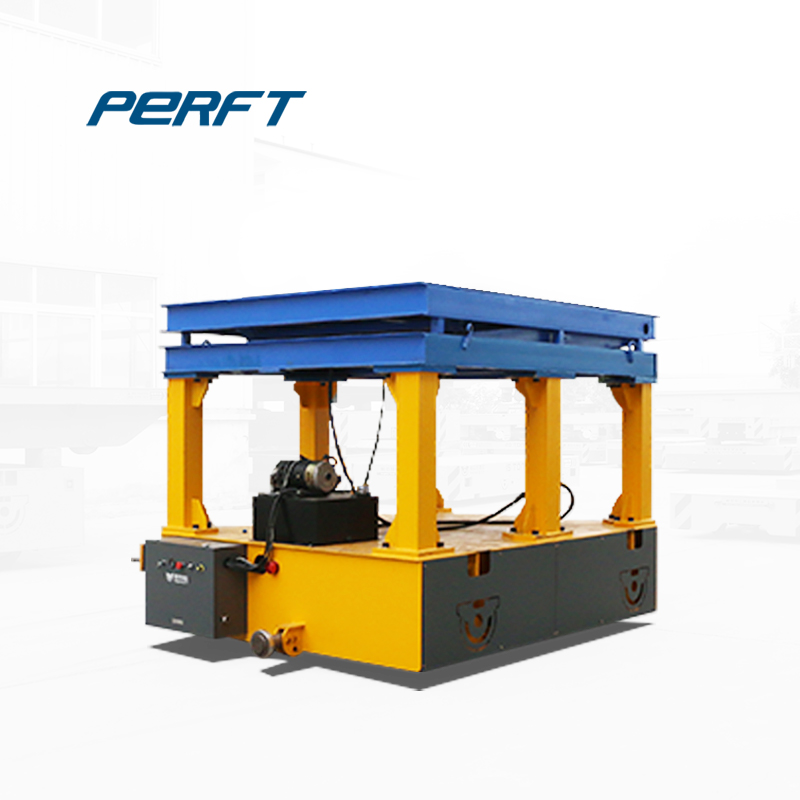
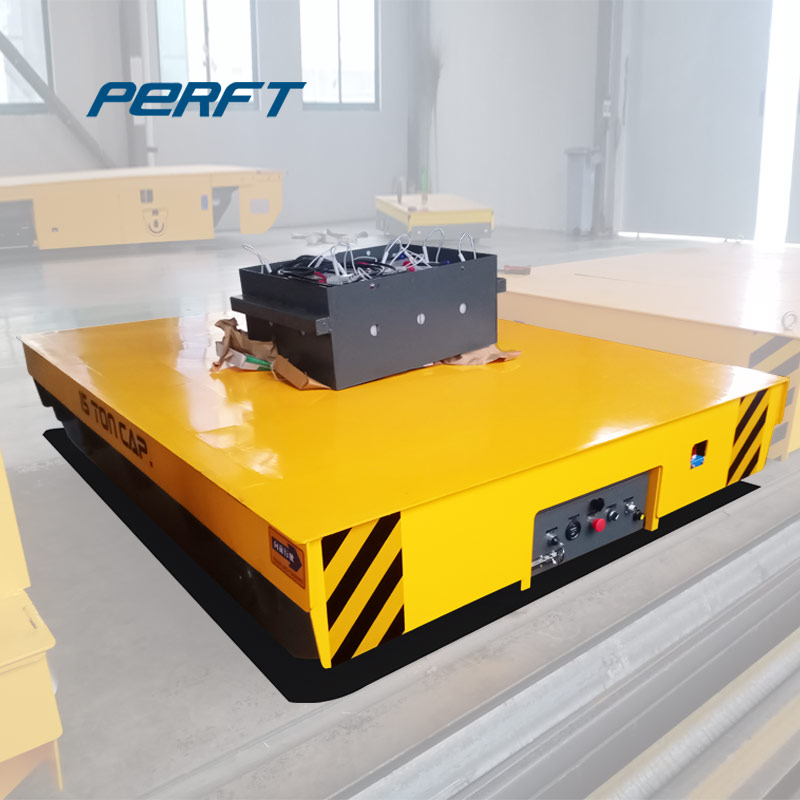
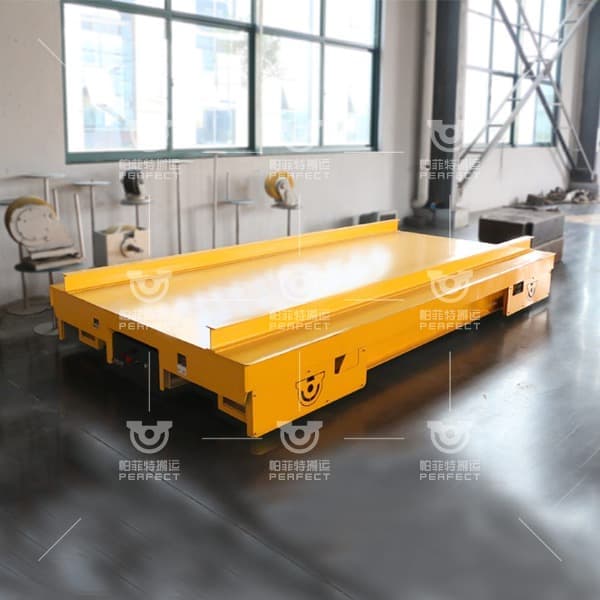
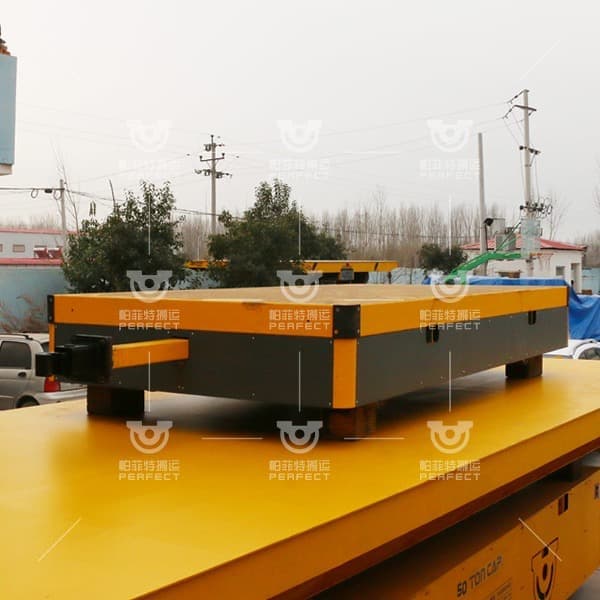
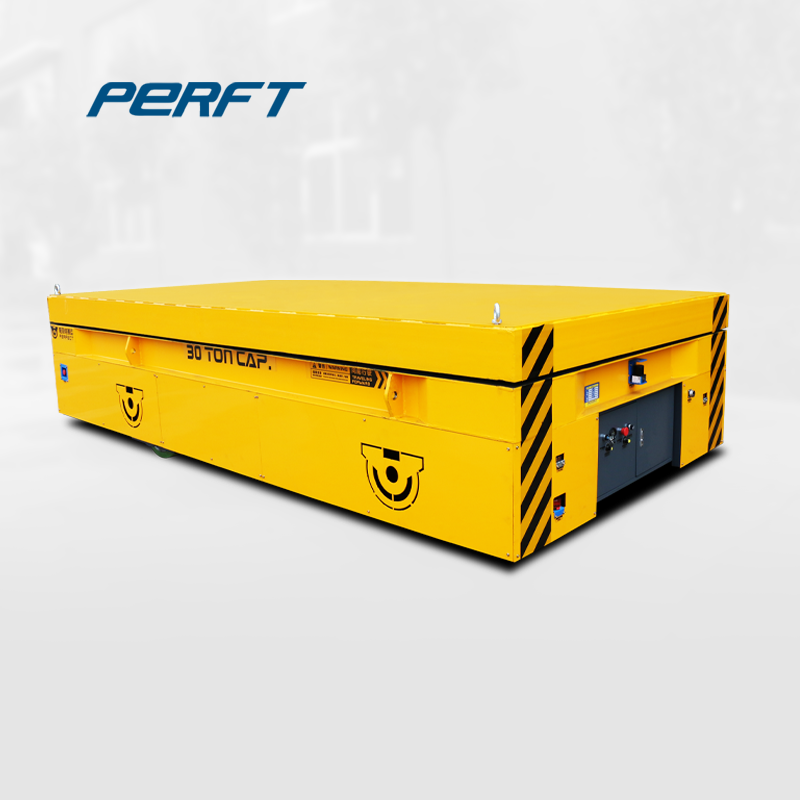
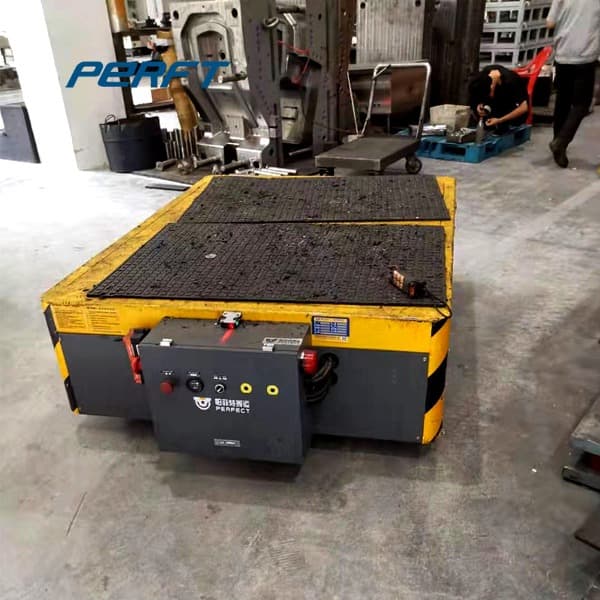
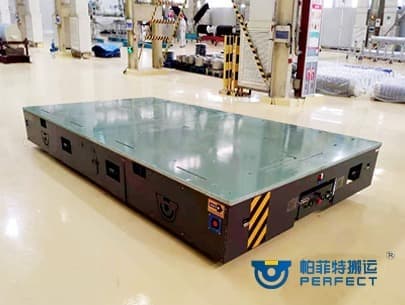
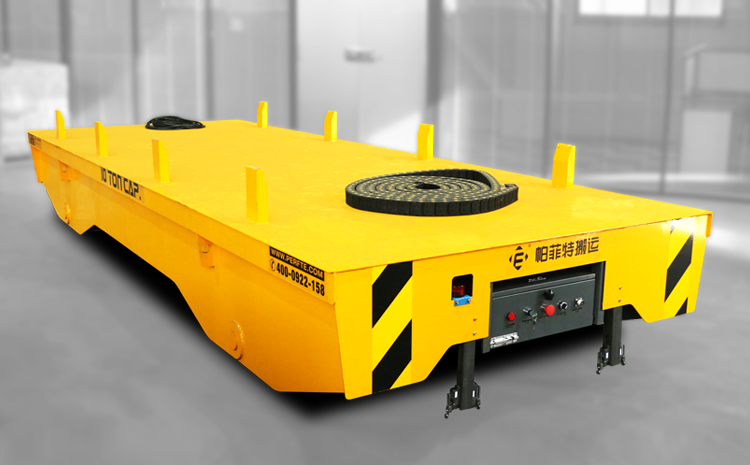
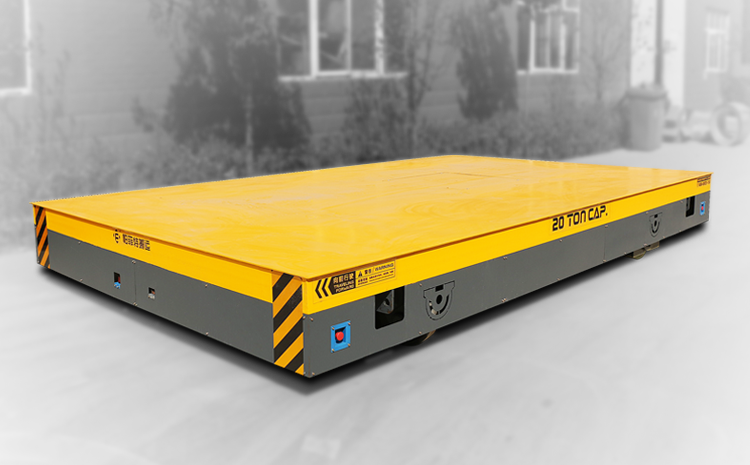
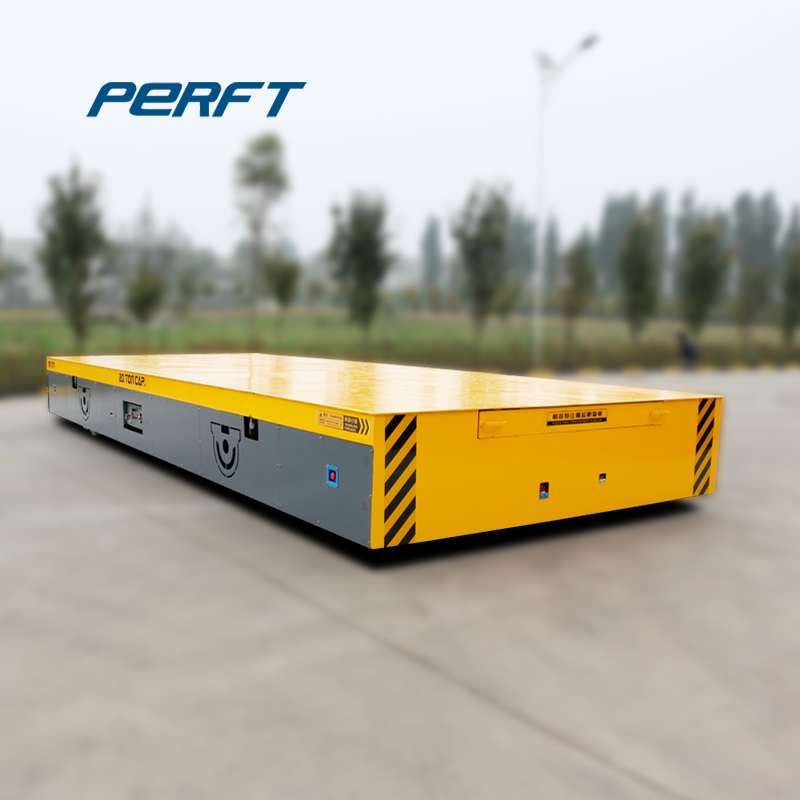
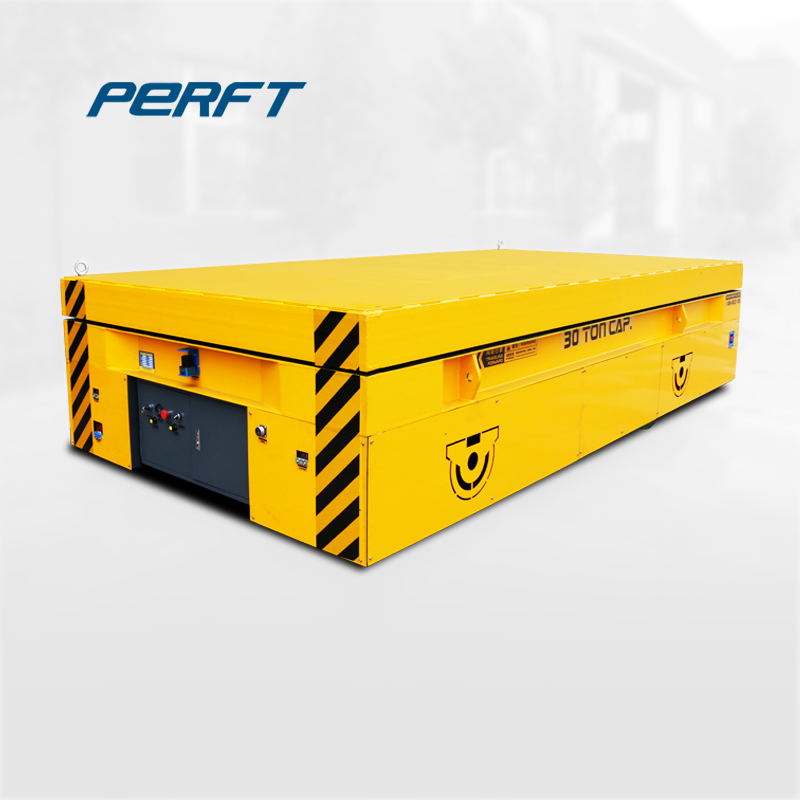
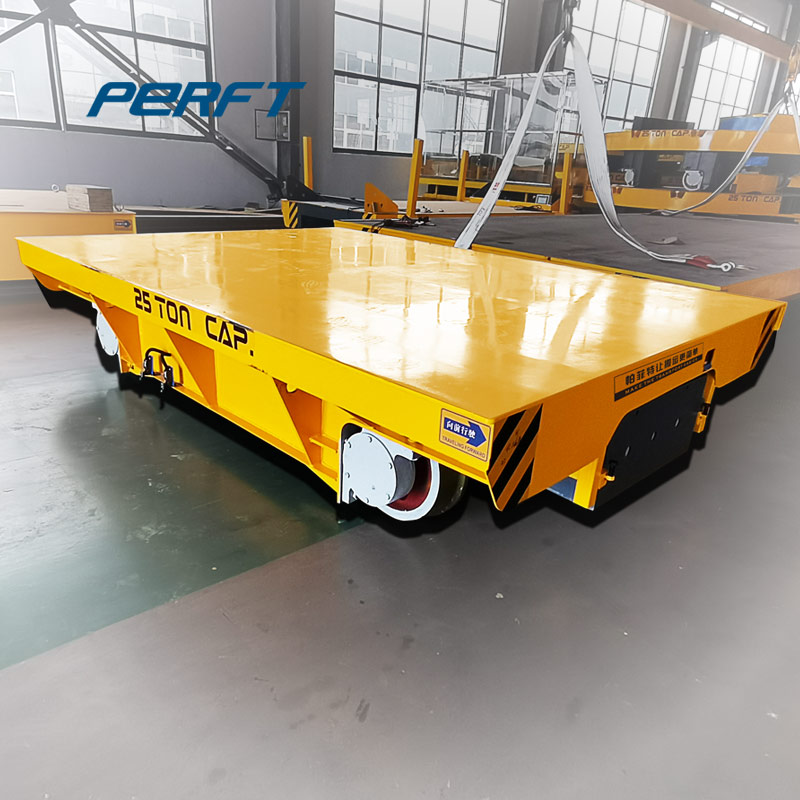
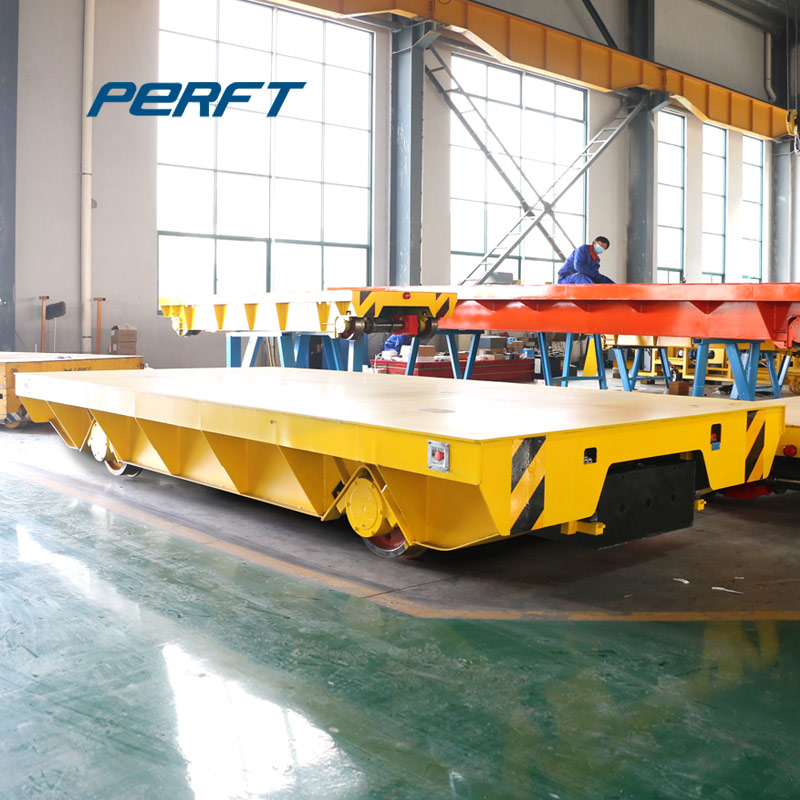
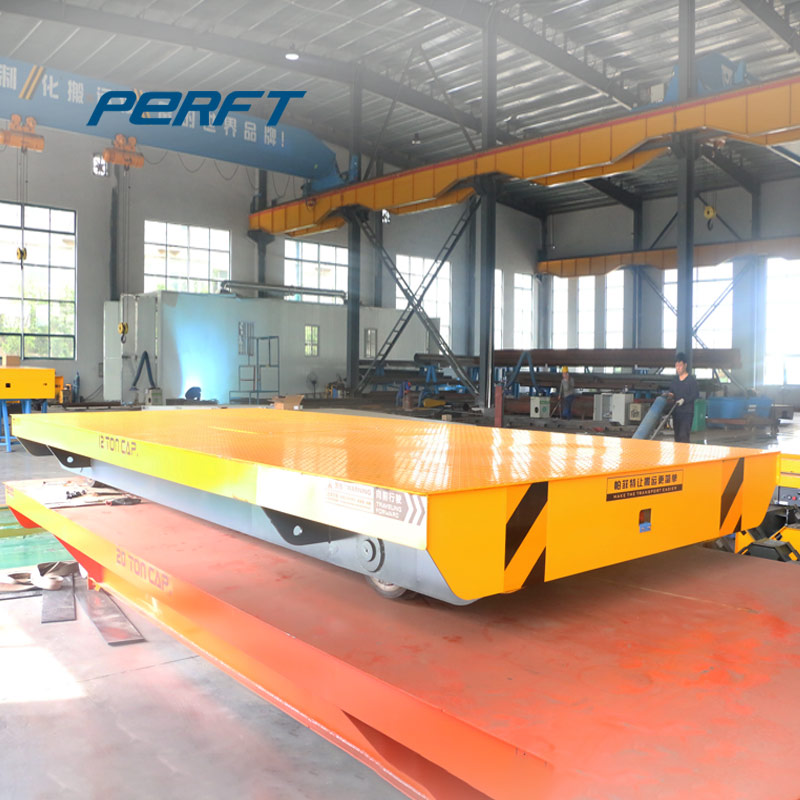
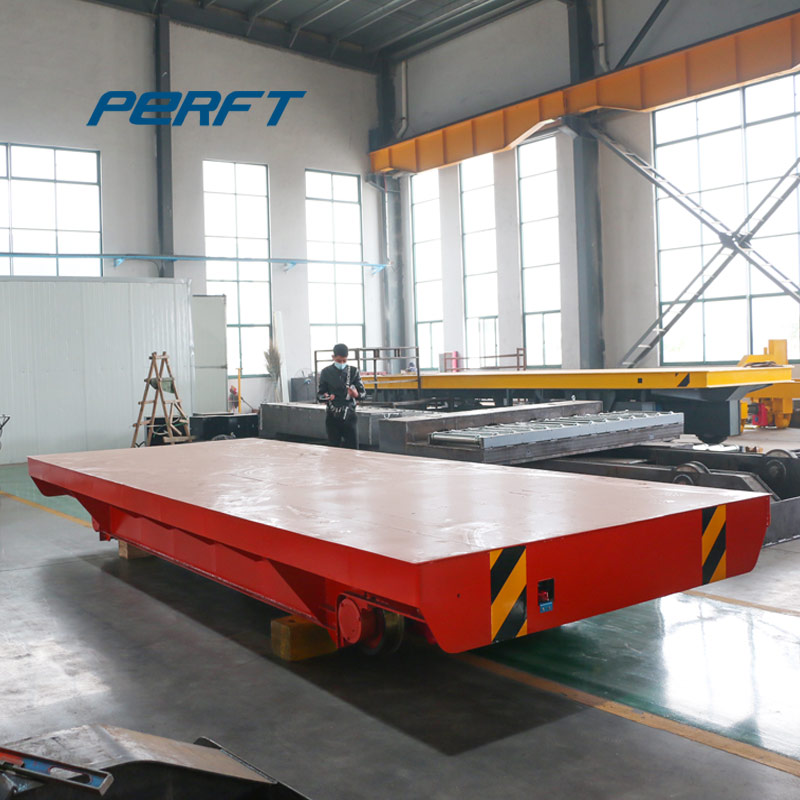
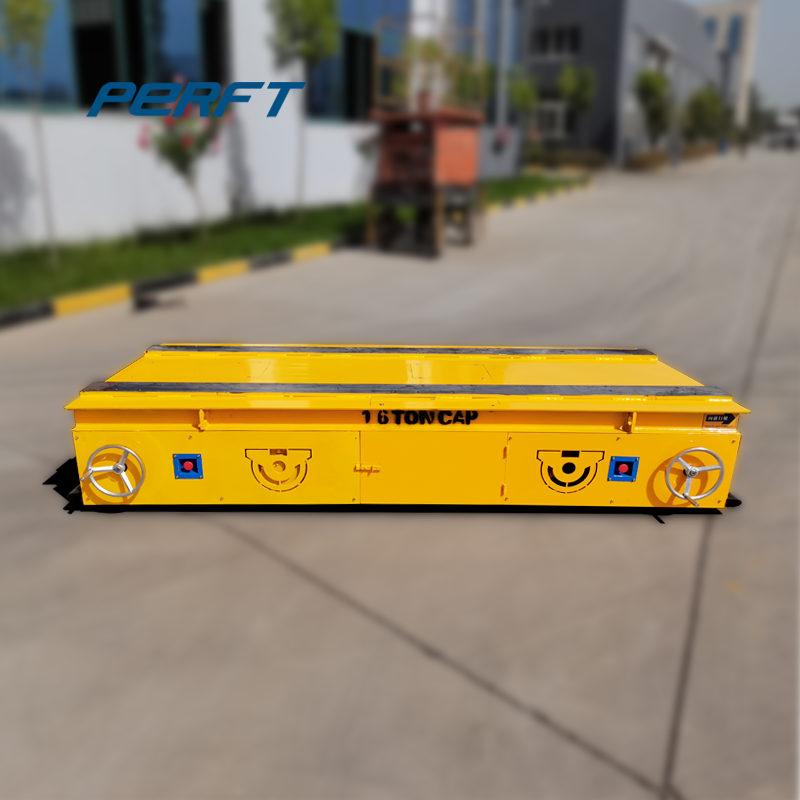
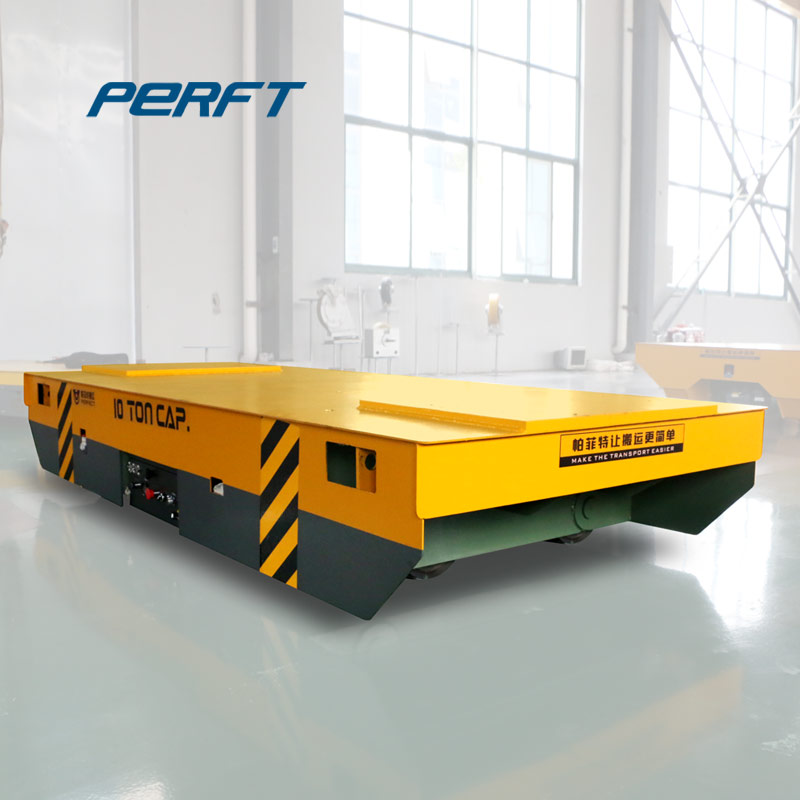
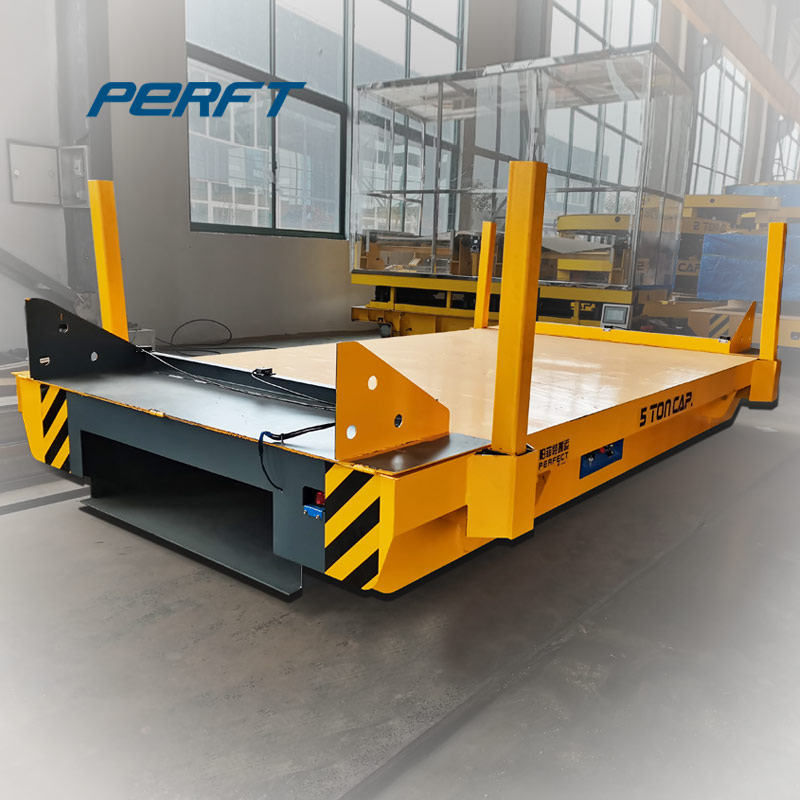
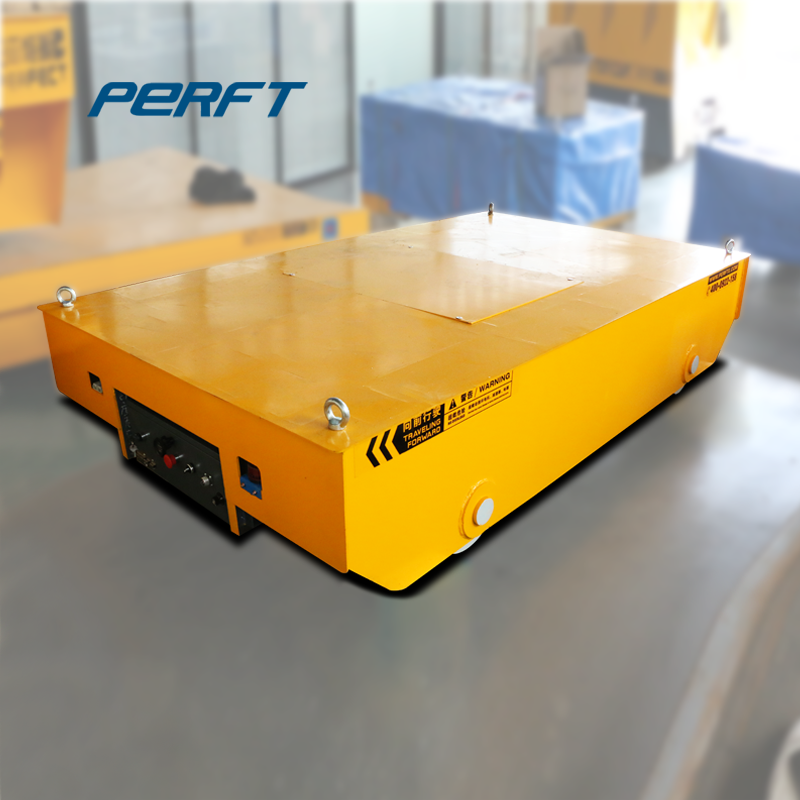
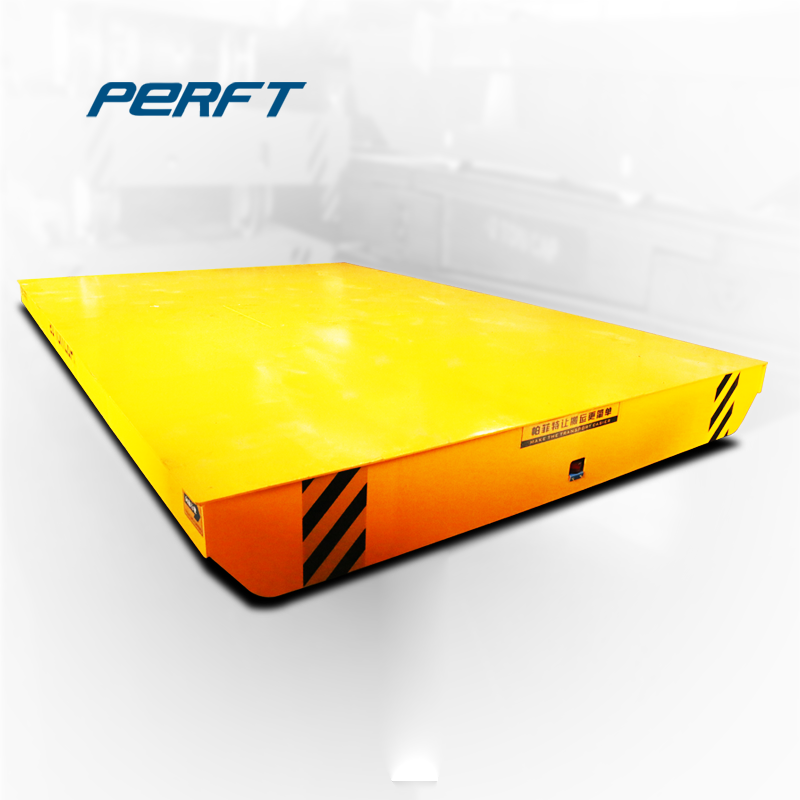
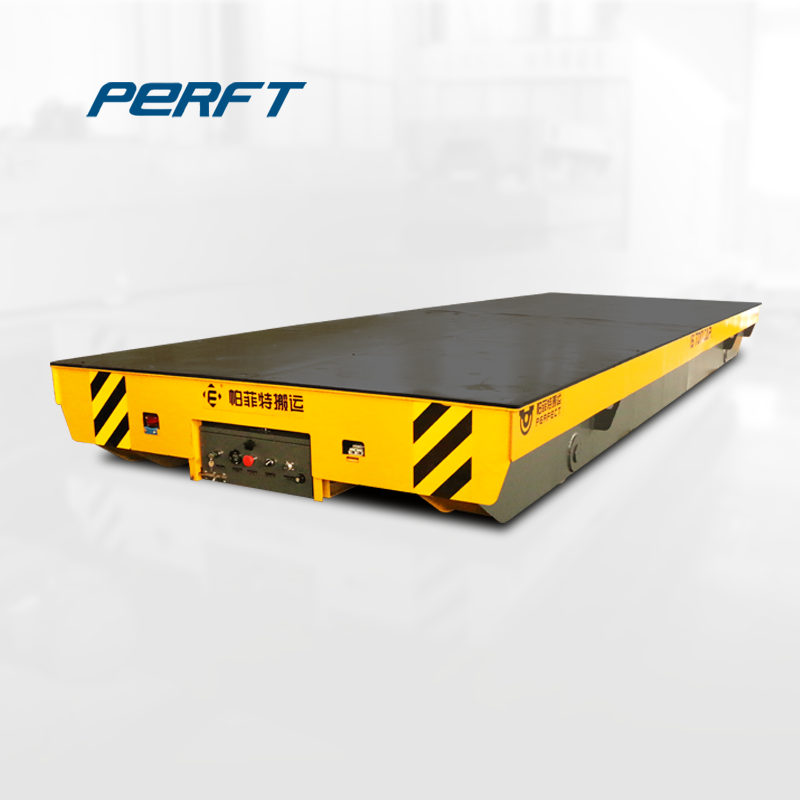
The finished custom cart had platform dimensions of 3300×3300×800 mm and combined wired pendant control with PLC-automated operation. The entire sliding contact line system was manufactured according to the 6.8-meter turning radius, with tailor-made curved contact lines and matching collectors.
After commissioning, the trolley travelled smoothly back and forth through the bends. The current collector glided evenly along the curved lines without pulling, scraping, or damaging power components. Stable starting, stopping, and cornering performance fully satisfied the plant’s heavy-load handling requirements and earned positive feedback from the customer.
Key Customization Points for Curved Track Sliding Contact Line Carts
Factories should prepare key technical parameters in advance before ordering custom curved-track sliding contact line rail trolleys. First and foremost, the actual turning radius of the track is essential for designing curved contact lines and supporting collectors.
Second, the trench size and hinged cover structure need to be adjusted according to on-site floor conditions. In addition, PLC intelligent programming can be configured to realize automatic speed reduction during curve driving, which effectively improves the safety of heavy-duty turning operation.
Manufacturer’s Customization Advantages for Curved Track Transport Equipment
As an experienced manufacturer of rail transfer carts and electric trolleys, we deliver fully customised equipment to suit unique workshop operating conditions. Our complete service covers initial demand communication, site condition evaluation, solution design, production, delivery, and after-sales maintenance.
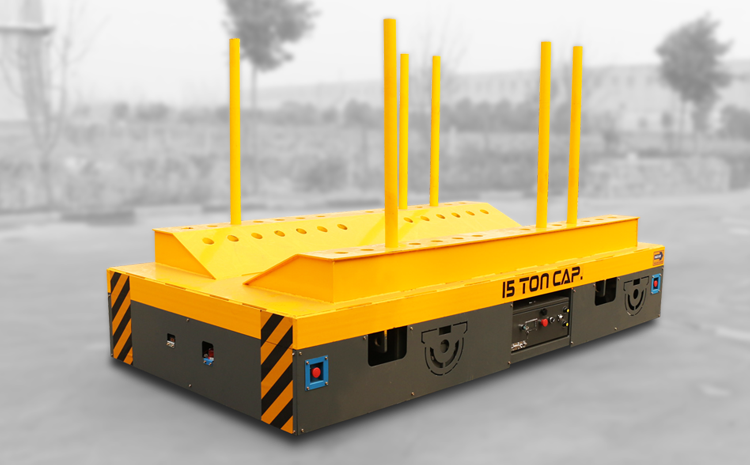
We design transfer carts based on track routes, curve radii, load capacities, and workpiece sizes, balancing stable equipment performance and reasonable project investment. We provide targeted solutions to solve various heavy-duty material handling problems for industrial workshops.
To sum up, sliding contact line powered rail transfer carts are a viable choice for curved track layouts. With custom curved sliding contact line systems, they overcome the inherent weaknesses of cable-pulling trolleys on bends and achieve stable, safe, non-stop heavy-load transport over long distances. For manufacturers with curved cross-bay transport demands and continuous operation requirements, custom sliding contact line rail trolleys offer an efficient and reliable solution for moving bulky goods inside workshops.